Superior Corrosion Resistance Eliminating Maintenance Costs
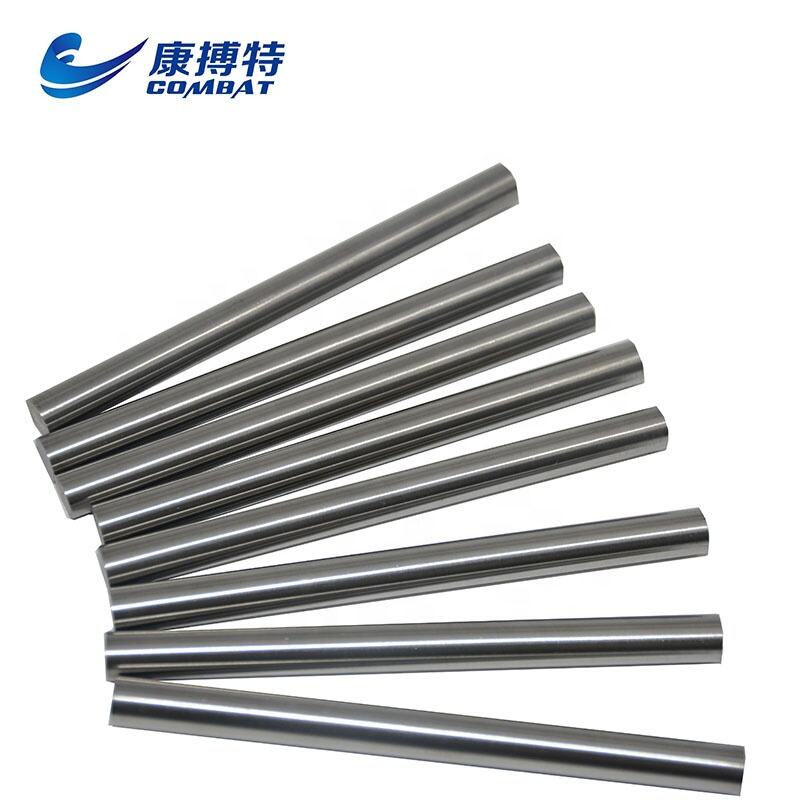
The titanium alloy rod provides corrosion resistance that surpasses virtually all other structural metals, delivering decades of maintenance-free service in environments that rapidly destroy steel, aluminum, and even stainless steel components. This exceptional resistance stems from the material's ability to form a stable, self-healing oxide layer that protects the underlying metal from chemical attack, even when scratched or abraded during service. In marine environments where saltwater accelerates the deterioration of conventional metals, titanium alloy rod maintains its structural integrity and surface finish without requiring protective coatings, cathodic protection systems, or frequent inspections and replacements. Offshore oil platforms, desalination plants, and naval vessels use titanium alloy rod for critical components exposed to seawater, eliminating the costly maintenance cycles associated with corrosion-prone materials and avoiding catastrophic failures that could result in environmental disasters or loss of life. Chemical processing facilities benefit from titanium alloy rod's resistance to acids, alkalis, and organic solvents that would corrode stainless steel tanks, pipes, and reactor vessels, allowing for safer operations with reduced risk of leaks, contamination, and unplanned shutdowns. The material performs reliably in chlorine-rich environments such as swimming pool equipment, water treatment plants, and pulp and paper mills where chlorine compounds cause rapid pitting and stress corrosion cracking in conventional alloys. You avoid the hidden costs of corrosion including emergency repairs, production losses during equipment downtime, environmental cleanup expenses, and potential liability from failures that damage surrounding equipment or injure personnel. The titanium alloy rod requires no painting, plating, or coating systems that add initial cost, increase weight, and demand periodic renewal to maintain protection, simplifying procurement and reducing lifecycle expenses. In architectural applications, titanium alloy rod maintains its appearance for decades without the staining, streaking, or patina formation that affects copper, bronze, and weathering steel, preserving the aesthetic intent of designers without ongoing cleaning or refinishing. Medical and pharmaceutical manufacturing facilities use titanium alloy rod for equipment that must withstand repeated sterilization cycles using harsh chemicals and high temperatures without degrading or contaminating sensitive products. The corrosion resistance extends to high-temperature oxidation, allowing titanium alloy rod to serve in exhaust systems and heat exchangers where other materials would scale, spall, or lose strength due to surface degradation.



 EN