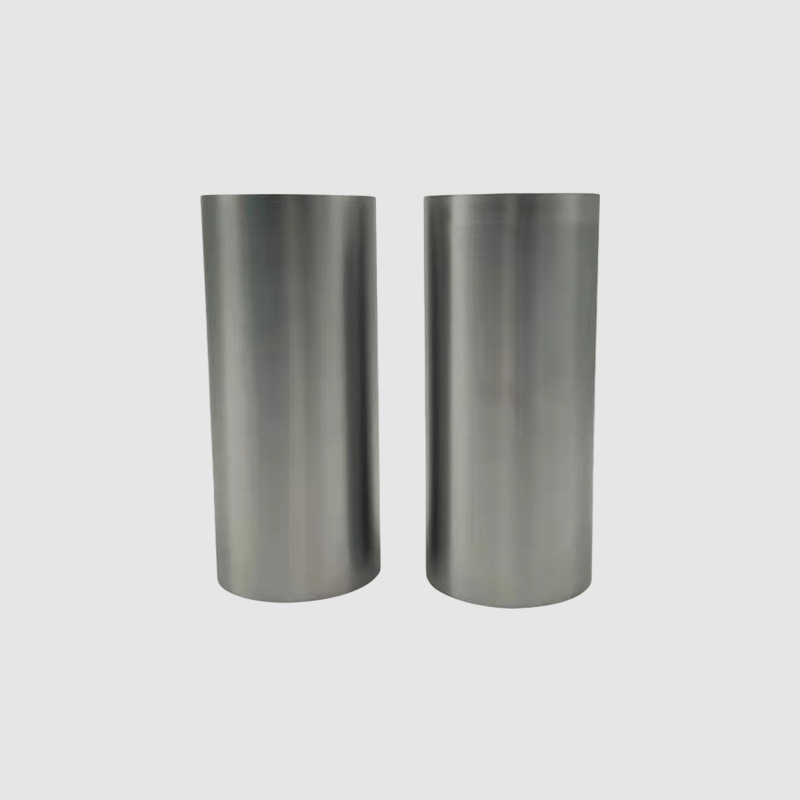
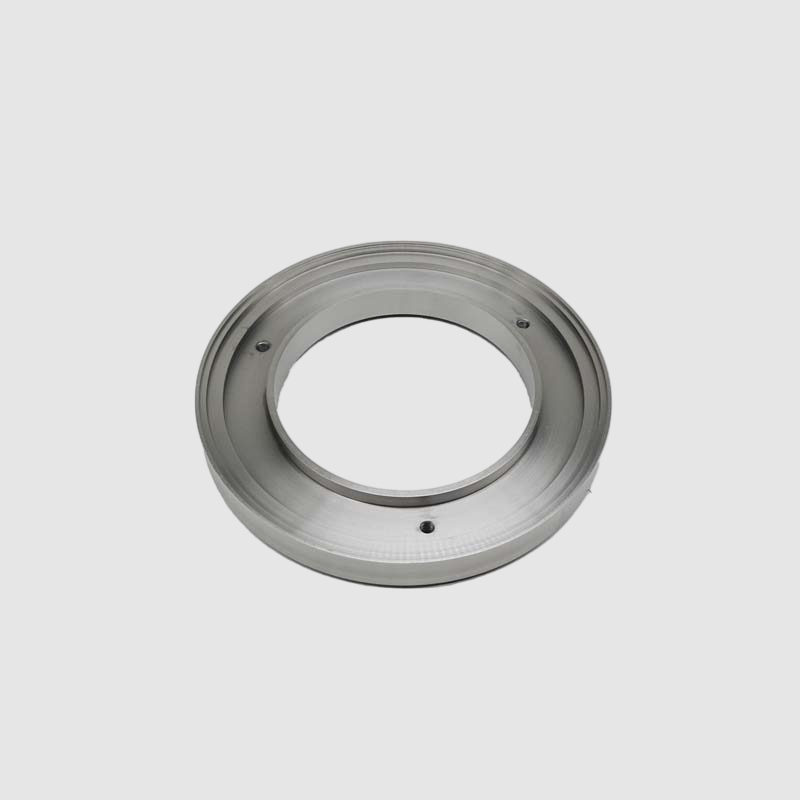
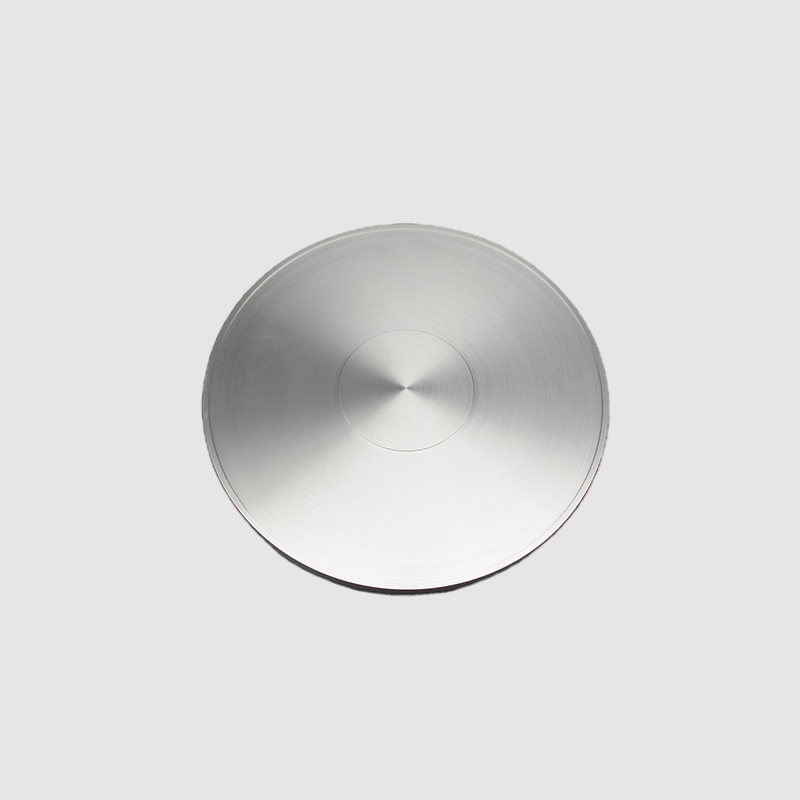
Premium Titanium Bar Supplier - Certified Grades, Expert Support & Fast Delivery

Get a Free Quote

Our representative will contact you soon.
Email
Name
Country/Region
Mobile/WhatsApp
Product Name
Message
0/1000

titanium bar supplier

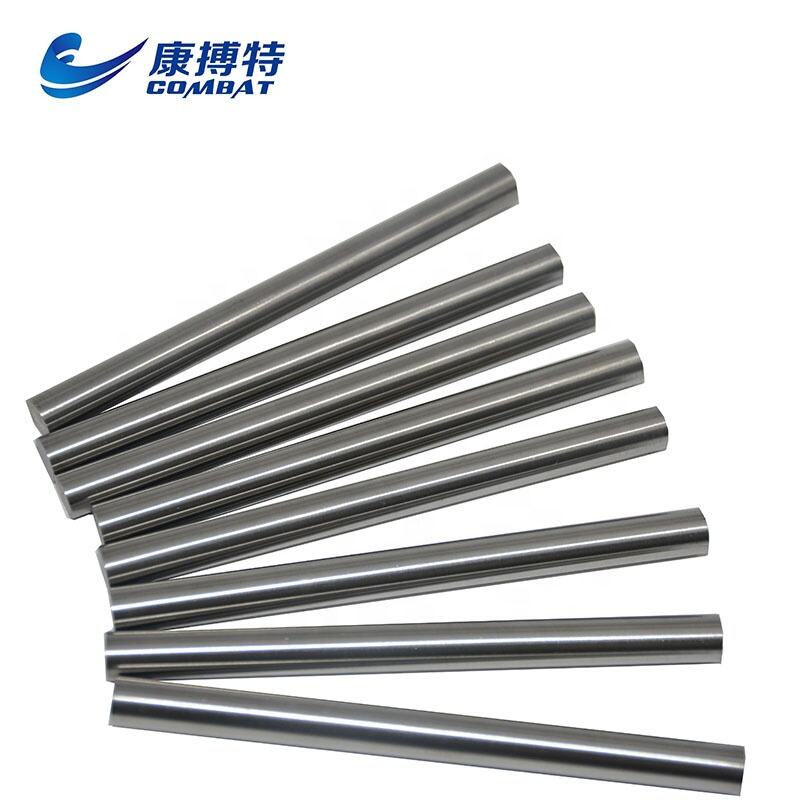
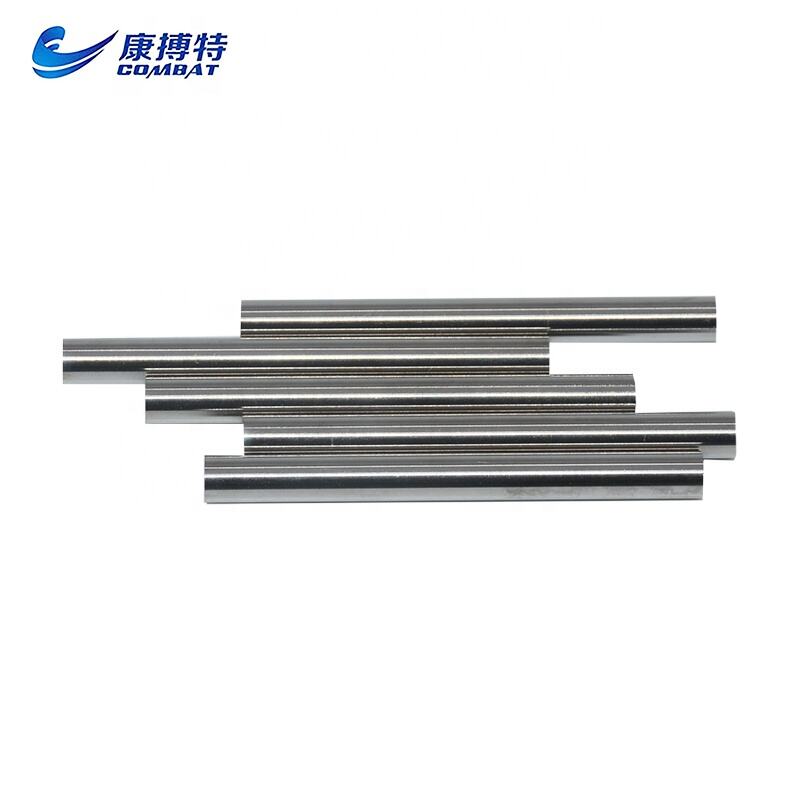
A titanium bar supplier serves as a critical partner for industries requiring high-performance metal components that can withstand extreme conditions while maintaining structural integrity. These specialized suppliers source, process, and distribute titanium bars in various grades, dimensions, and specifications to meet diverse industrial requirements. The primary function of a titanium bar supplier extends beyond simple material distribution; they act as technical advisors who understand the unique properties of titanium alloys and can recommend appropriate grades for specific applications. Modern titanium bar suppliers maintain extensive inventories of commercially pure titanium and various alloy compositions, including Grade 2, Grade 5 (Ti-6Al-4V), and Grade 23, ensuring immediate availability for time-sensitive projects. The technological features that distinguish professional suppliers include advanced quality control systems, precise cutting capabilities, and certification management that guarantees material traceability from mill to end user. These suppliers employ sophisticated testing equipment to verify chemical composition, mechanical properties, and dimensional accuracy, providing customers with certified material test reports that document compliance with international standards such as ASTM, AMS, and ASME specifications. Applications for titanium bars span numerous sectors, with aerospace engineering relying on these materials for aircraft structural components, landing gear parts, and engine components where the strength-to-weight ratio proves essential. The medical device industry depends on titanium bar suppliers for surgical instruments, orthopedic implants, and dental applications, taking advantage of titanium's biocompatibility and corrosion resistance. Chemical processing plants utilize titanium bars for heat exchangers, reactor vessels, and piping systems that handle corrosive substances. Marine engineering applications include propeller shafts, fasteners, and hull components that resist saltwater corrosion. The automotive sector increasingly incorporates titanium bars in performance vehicles, exhaust systems, and racing components. A reliable titanium bar supplier maintains relationships with certified mills, implements rigorous quality assurance protocols, and provides technical support throughout the procurement process, ensuring customers receive materials that meet exact specifications for their critical applications.
New Product Recommendations

Working with an established titanium bar supplier delivers tangible benefits that directly impact your project outcomes and operational efficiency. First, you gain access to comprehensive material expertise that helps you select the right titanium grade for your specific requirements, avoiding costly mistakes that occur when using inappropriate alloys. These suppliers understand how different titanium compositions perform under various stress conditions, temperature ranges, and environmental exposures, allowing them to guide you toward optimal material choices. Second, you benefit from consistent material quality backed by rigorous testing and certification processes that eliminate uncertainty about material properties. Every shipment arrives with complete documentation proving chemical composition, mechanical strength, and dimensional accuracy, giving you confidence that components manufactured from these bars will perform as designed. Third, reliable suppliers maintain substantial inventory levels across multiple grades and sizes, which means you can obtain materials quickly without lengthy lead times that delay production schedules. This inventory depth proves especially valuable when you need to respond rapidly to customer demands or unexpected project requirements. Fourth, you receive competitive pricing through the supplier's established relationships with mills and their ability to purchase materials in bulk quantities, passing cost savings directly to you. Fifth, professional titanium bar suppliers offer value-added services including precision cutting, surface finishing, and custom packaging that reduce your internal processing requirements and accelerate time to market. Sixth, you establish a partnership with technical advisors who stay current with industry developments, new alloy formulations, and emerging applications, keeping you informed about innovations that could benefit your operations. Seventh, working with a dedicated titanium bar supplier simplifies your procurement process by consolidating multiple material needs through a single trusted source, reducing administrative overhead and streamlining vendor management. Eighth, you gain flexibility in order quantities, whether you need small prototype quantities or large production runs, without facing minimum order penalties that strain budgets. Ninth, experienced suppliers provide application support that extends beyond material delivery, offering insights into machining parameters, welding techniques, and heat treatment procedures that optimize fabrication outcomes. Tenth, you benefit from their commitment to regulatory compliance and environmental standards, ensuring materials meet industry-specific requirements for aerospace, medical, or other regulated sectors. These practical advantages translate into reduced risk, lower total cost of ownership, faster project completion, and improved product performance, making the choice of titanium bar supplier a strategic decision that influences your competitive position in the marketplace.

Tips And Tricks

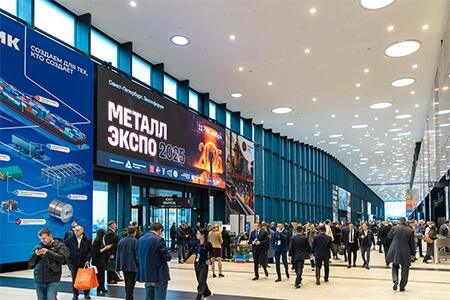
The 31st Russia International Metal and Metallurgy Industry Exhibition 2025 (Metal-Expo)

24

Apr

The 31st Russia International Metal and Metallurgy Industry Exhibition 2025 (Metal-Expo)

View More
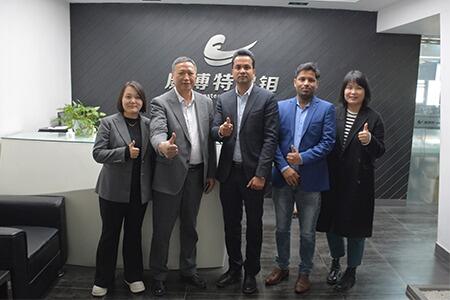
Indian Delegation Visits Youbo, Signs Molybdenum Bar and Tungsten Alloy Procurement Agreement​​

24

Apr

Indian Delegation Visits Youbo, Signs Molybdenum Bar and Tungsten Alloy Procurement Agreement​​

View More
International Ferroalloys 2025

24

Apr

International Ferroalloys 2025

View More
Luoyang Combat Tungsten & Molybdenum Materials Co., Ltd. Shines at Asia Ferroalloys 2025 Conference to Forge Global Collaboration Opportunities

24

Apr

Luoyang Combat Tungsten & Molybdenum Materials Co., Ltd. Shines at Asia Ferroalloys 2025 Conference to Forge Global Collaboration Opportunities

View More

Get a Free Quote

Our representative will contact you soon.
Email
Name
Country/Region
Mobile/WhatsApp
Product Name
Message
0/1000

titanium bar supplier

Comprehensive Grade Selection and Technical Expertise

Comprehensive Grade Selection and Technical Expertise

A distinguished titanium bar supplier offers an extensive portfolio of titanium grades and alloy compositions, providing customers with precisely matched materials for every conceivable application requirement. This comprehensive selection includes commercially pure titanium in Grades 1 through 4, each offering progressively higher strength levels while maintaining excellent corrosion resistance and formability characteristics. For applications demanding superior mechanical properties, suppliers stock alpha-beta alloys like Grade 5 (Ti-6Al-4V), the most widely used titanium alloy that delivers an exceptional balance of strength, toughness, and weldability suitable for aerospace structures, medical implants, and high-performance industrial components. Specialized grades such as Grade 23 (Ti-6Al-4V ELI) provide extra-low interstitial content for enhanced ductility in medical applications, while Grade 7 incorporates palladium for outstanding resistance to reducing acids in chemical processing environments. The technical expertise accompanying this grade selection proves equally valuable, as knowledgeable suppliers employ metallurgists and application engineers who understand the nuanced differences between alloys and can recommend optimal materials based on specific operating conditions. These experts consider factors including operating temperature ranges, corrosive media exposure, required strength levels, fabrication methods, and regulatory compliance requirements when guiding material selection decisions. They provide detailed technical data sheets, material property comparisons, and application case studies that help customers make informed choices. This expertise extends to understanding how different titanium grades respond to various manufacturing processes, including machining, forming, welding, and heat treatment, enabling suppliers to advise on material selection that optimizes both component performance and manufacturing efficiency. The combination of comprehensive grade availability and deep technical knowledge creates a powerful resource that reduces development time, minimizes material waste from incorrect selections, and ensures final components meet or exceed performance specifications. Customers benefit from this expertise throughout the product lifecycle, from initial concept development through production scaling, with suppliers serving as trusted advisors who contribute to project success through material science knowledge and practical application experience accumulated across diverse industries and challenging operating environments.
Quality Assurance and Certification Management

Quality Assurance and Certification Management

Quality assurance represents a fundamental pillar of professional titanium bar supplier operations, with comprehensive testing protocols and certification management systems that guarantee material integrity and traceability throughout the supply chain. Leading suppliers implement multi-stage quality control processes beginning with careful mill selection, partnering exclusively with certified manufacturers who maintain rigorous production standards and quality management systems compliant with ISO 9001, AS9100 for aerospace, and ISO 13485 for medical devices. Upon receiving material from mills, suppliers conduct incoming inspection procedures that verify dimensional accuracy, surface condition, and marking legibility before accepting inventory. Advanced testing laboratories equipped with spectrometers perform chemical composition analysis to confirm alloy content matches specified grades, while mechanical testing equipment evaluates tensile strength, yield strength, elongation, and hardness properties to ensure materials meet published specifications. Non-destructive testing methods including ultrasonic inspection detect internal discontinuities that could compromise component integrity, while surface inspection identifies defects that might affect machining or final part quality. Every titanium bar receives unique identification marking that enables complete traceability back to the original mill heat, production date, and test results, creating an unbroken chain of custody documentation essential for regulated industries. Suppliers maintain detailed records in sophisticated database systems that allow instant retrieval of material certifications, test reports, and compliance documentation required for customer quality audits and regulatory submissions. Material test reports (MTRs) accompany every shipment, providing certified documentation of chemical composition, mechanical properties, and compliance with applicable standards including ASTM B348 for titanium bars, AMS specifications for aerospace applications, and ASTM F136 for surgical implants. This certification management extends to maintaining current approvals from major aerospace manufacturers, medical device companies, and defense contractors, demonstrating the supplier's commitment to meeting the most stringent quality requirements. The quality assurance infrastructure provides customers with confidence that materials will perform reliably in critical applications where failure could result in catastrophic consequences, regulatory violations, or significant financial losses. By partnering with a titanium bar supplier that prioritizes quality assurance and maintains comprehensive certification management systems, customers eliminate uncertainty about material properties, satisfy regulatory compliance obligations, and protect their reputation for delivering reliable products that meet exacting performance standards.
Inventory Depth and Rapid Delivery Capabilities

Inventory Depth and Rapid Delivery Capabilities

Maintaining substantial inventory depth across multiple titanium grades, sizes, and specifications distinguishes professional suppliers from commodity distributors, providing customers with immediate material availability that accelerates project timelines and eliminates costly production delays. Strategic inventory management requires significant capital investment and sophisticated forecasting systems that anticipate customer demand patterns across various industries and seasonal fluctuations. Leading titanium bar suppliers stock comprehensive size ranges within each grade, from small diameter bars suitable for precision components to large diameter billets for forging operations, ensuring customers can source all required materials from a single supplier rather than coordinating multiple vendors. This inventory breadth extends to various product forms including round bars, rectangular bars, and hexagonal bars in both standard and metric dimensions, accommodating diverse manufacturing requirements and international customer bases. The rapid delivery capabilities enabled by substantial inventory levels provide competitive advantages for customers facing tight project deadlines, unexpected equipment failures requiring immediate replacement parts, or market opportunities demanding quick response times. While competitors may quote extended lead times of 12 to 16 weeks for mill-direct orders, established suppliers with robust inventory can ship materials within days, allowing customers to maintain production schedules and meet customer commitments. This responsiveness proves particularly valuable in industries like aerospace and medical devices where production delays cascade through complex supply chains, potentially causing contract penalties and damaged customer relationships. Beyond standard inventory, progressive suppliers implement vendor-managed inventory programs for high-volume customers, maintaining dedicated stock at customer facilities or nearby warehouses that ensure just-in-time material availability while reducing customer carrying costs and storage requirements. Advanced inventory management systems track stock levels in real-time, automatically triggering replenishment orders when quantities fall below predetermined thresholds, preventing stockouts that could halt production. Suppliers also maintain safety stock of critical grades and sizes that experience consistent demand, buffering against supply chain disruptions from mill outages, transportation delays, or raw material shortages. The combination of inventory depth and rapid delivery capabilities creates a reliable material supply pipeline that supports lean manufacturing initiatives, reduces working capital tied up in excess inventory, and provides flexibility to respond to changing market conditions. Customers partnering with well-stocked titanium bar suppliers gain a strategic advantage through material availability that enables them to accept short-lead-time orders, respond quickly to design changes, and maintain production continuity even during supply chain disruptions affecting the broader titanium market.

Get a Free Quote

Our representative will contact you soon.
Email
Name
Country/Region
Mobile/WhatsApp
Product Name
Message
0/1000