Exceptional Chemical Resistance and Material Compatibility
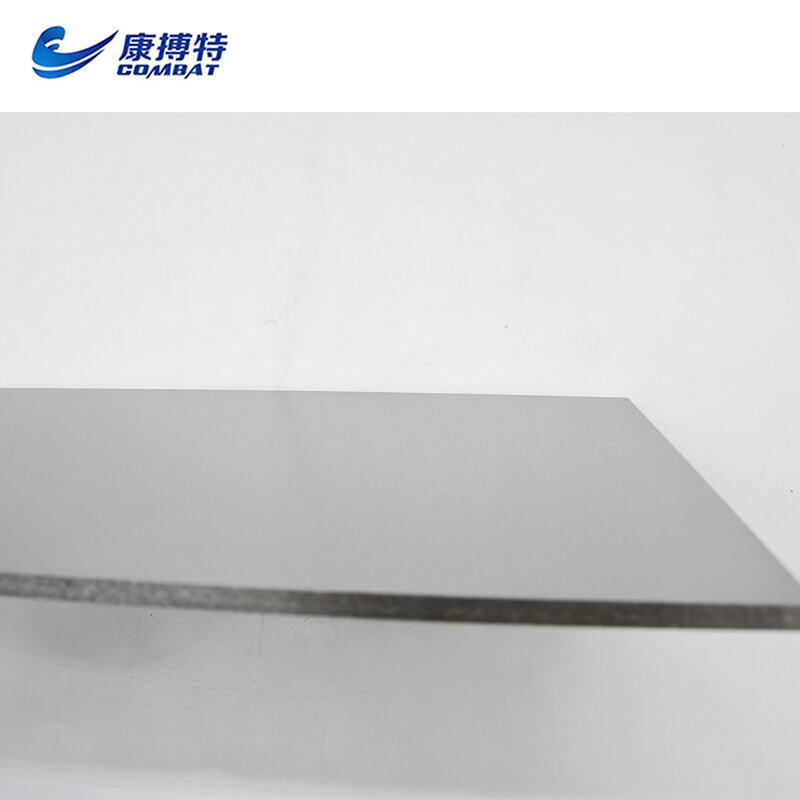
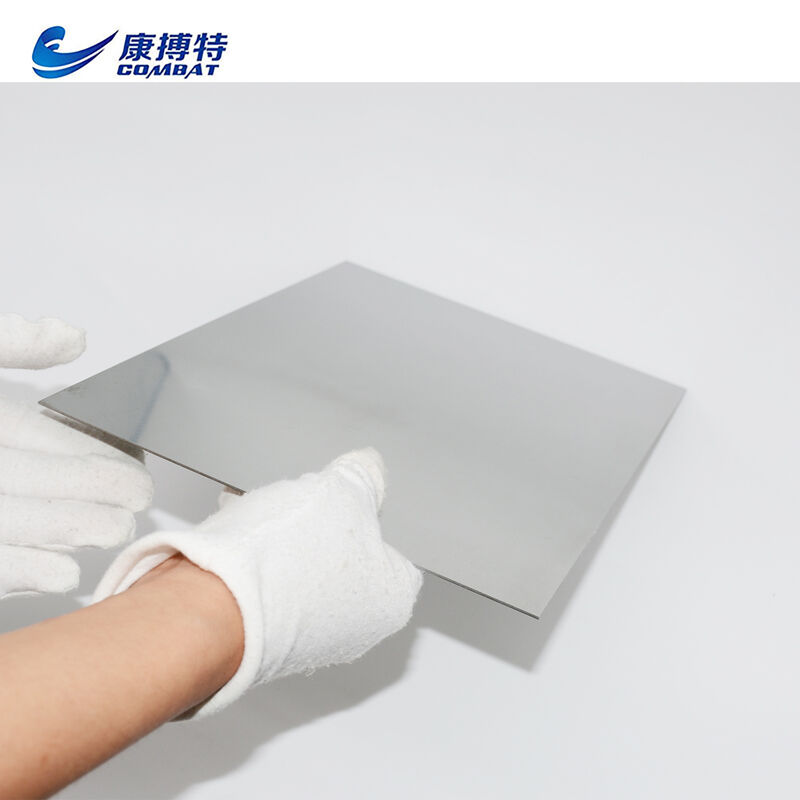
The molybdenum TZM plate demonstrates remarkable resistance to chemical attack and material interactions that would rapidly degrade alternative materials, making it the preferred choice for applications involving corrosive environments and reactive substances. This chemical stability originates from molybdenum's inherent resistance to oxidation in reducing atmospheres and its immunity to attack by most molten metals and aggressive chemicals. Glass manufacturing operations expose materials to highly corrosive molten glass containing alkali oxides, borates, and other reactive compounds at temperatures approaching 1600°C. Under these brutal conditions, molybdenum TZM plate electrodes resist dissolution and maintain electrical conductivity for extended periods, while ceramic and platinum alternatives suffer rapid degradation. The material's compatibility with molten metals extends to aluminum, zinc, copper, and various alloy systems used in die-casting and continuous casting operations. Dies and crucibles fabricated from molybdenum TZM plate resist erosion and chemical reaction with molten metal streams, maintaining surface finish and dimensional accuracy through thousands of casting cycles. This compatibility eliminates contamination issues that compromise product quality when reactive die materials dissolve into the molten metal. Nuclear applications benefit from the material's resistance to liquid metal coolants such as sodium and lithium, which attack most structural materials through dissolution and embrittlement mechanisms. Molybdenum TZM plate components in advanced reactor designs maintain structural integrity in contact with these aggressive coolants at elevated temperatures. The material's low vapor pressure at high temperatures prevents contamination in vacuum processing applications, including vacuum furnaces, electron beam welding chambers, and thin film deposition systems. Semiconductor manufacturers require ultra-clean processing environments where material outgassing would contaminate sensitive devices and reduce production yields. Molybdenum TZM plate furnace components and fixturing maintain vacuum integrity without introducing impurities into the process environment. Chemical processing industries utilize molybdenum TZM plate in reactors and heat exchangers handling corrosive chemicals at elevated temperatures, where stainless steel and exotic alloys prove inadequate. The material's resistance to hydrogen embrittlement makes it suitable for high-temperature hydrogen atmospheres used in sintering, brazing, and heat treatment operations. These chemical resistance properties enable molybdenum TZM plate to function reliably in environments that rapidly destroy conventional materials, reducing maintenance costs and improving process reliability across demanding industrial applications.



 EN