TZM Plate: High-Temperature Molybdenum Alloy for Extreme Industrial Applications

Get a Free Quote

Our representative will contact you soon.
Email
Name
Country/Region
Mobile/WhatsApp
Product Name
Message
0/1000

tzm plate

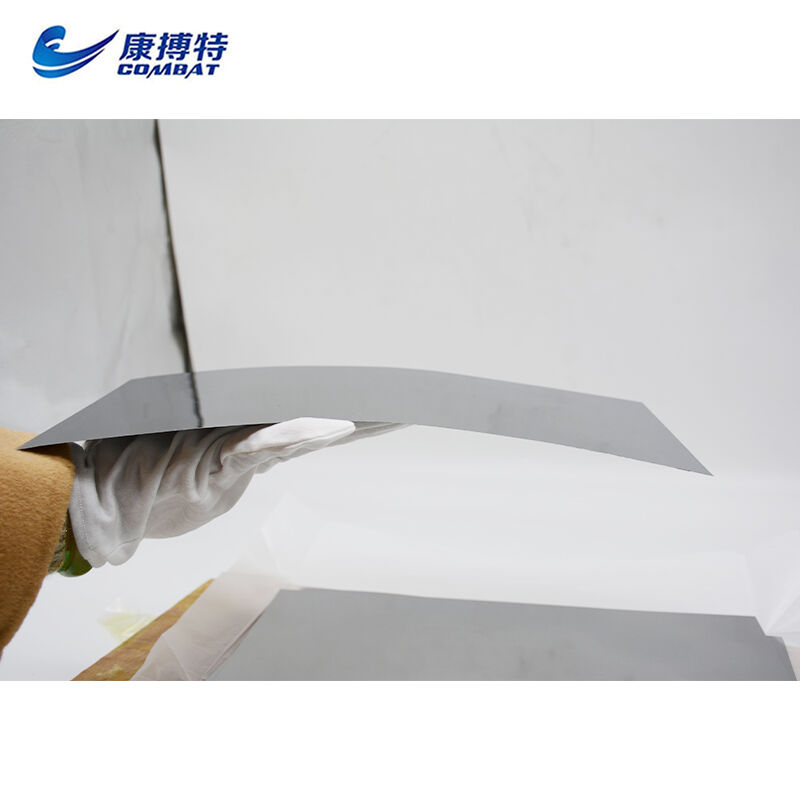
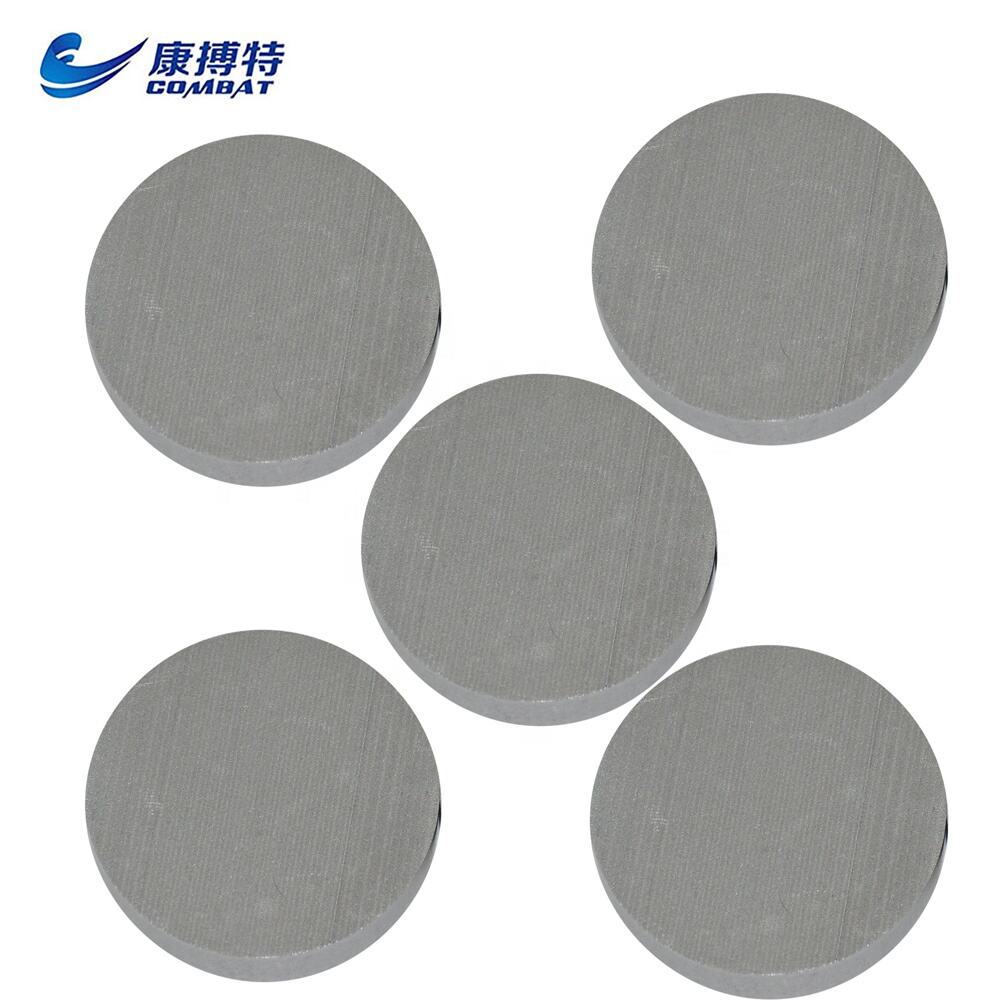
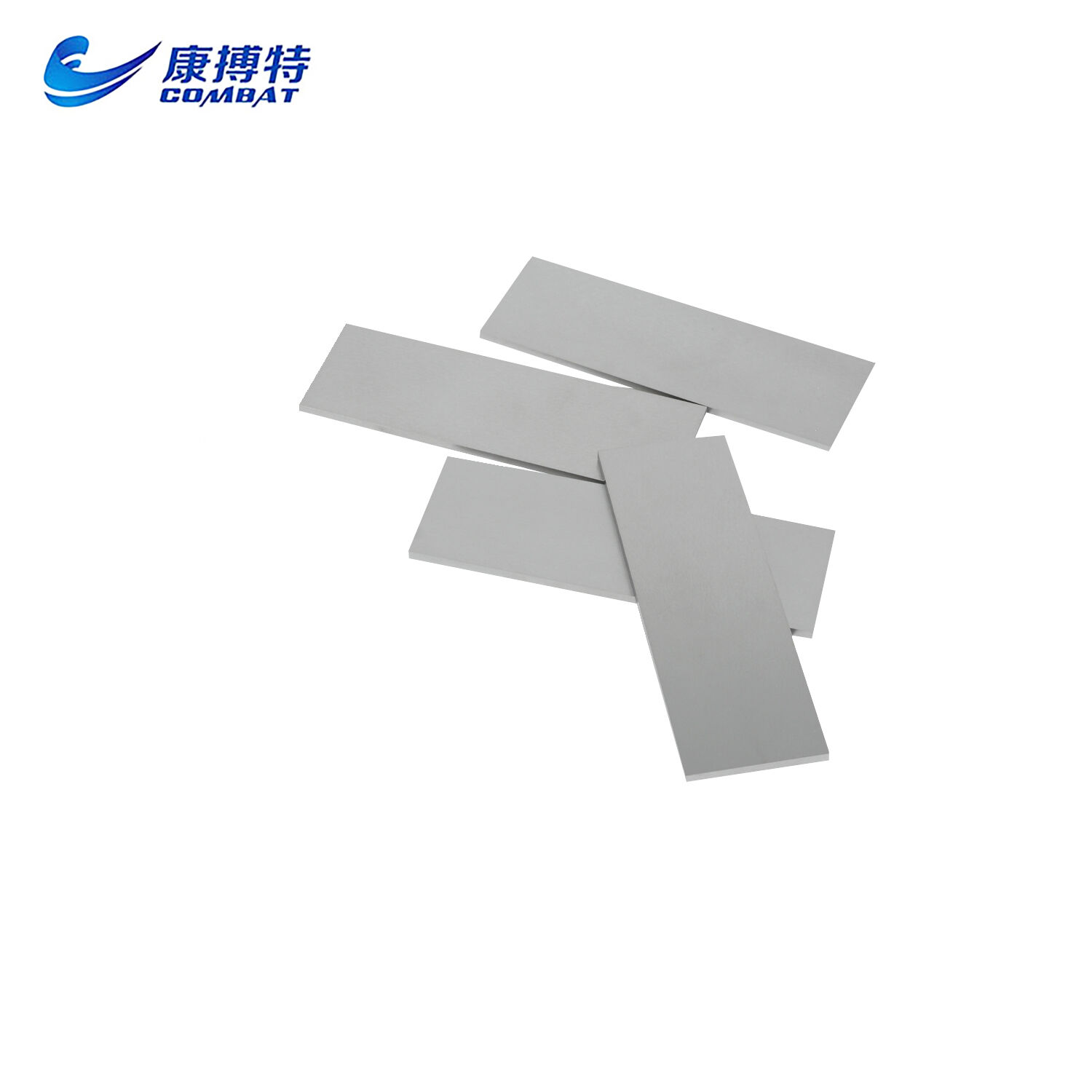
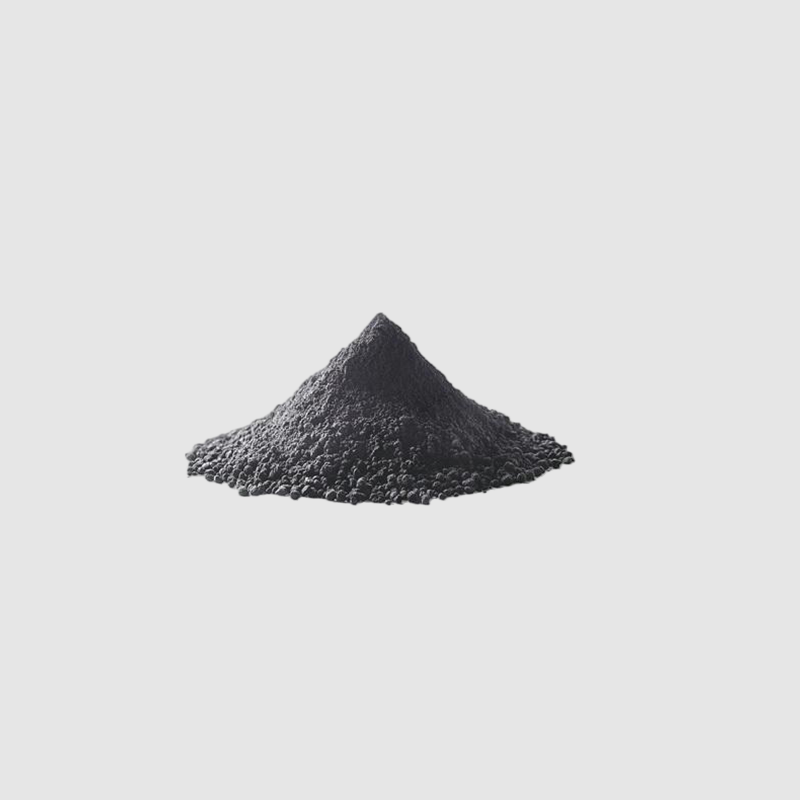
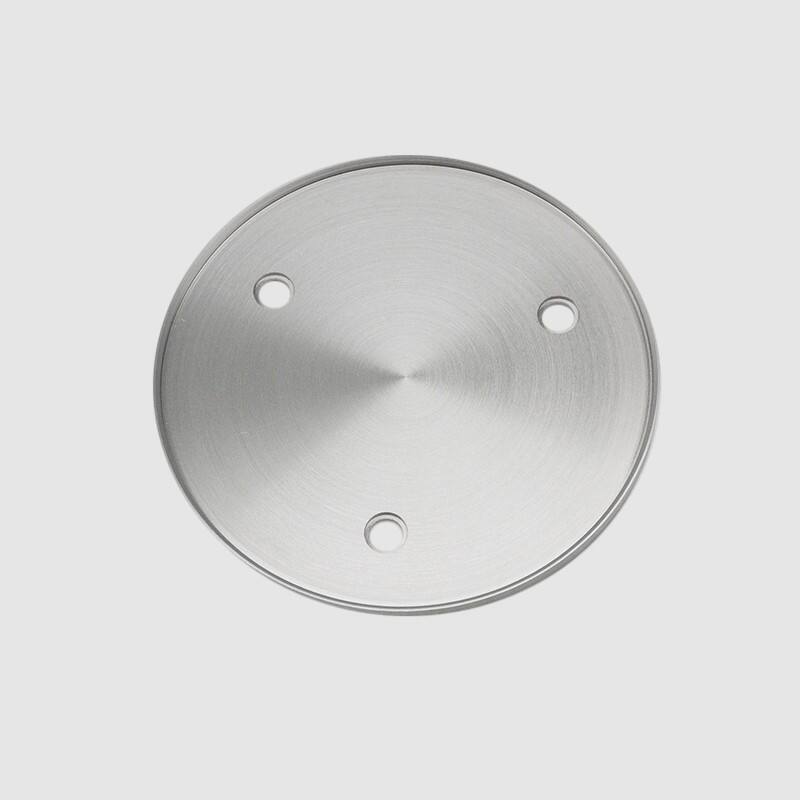
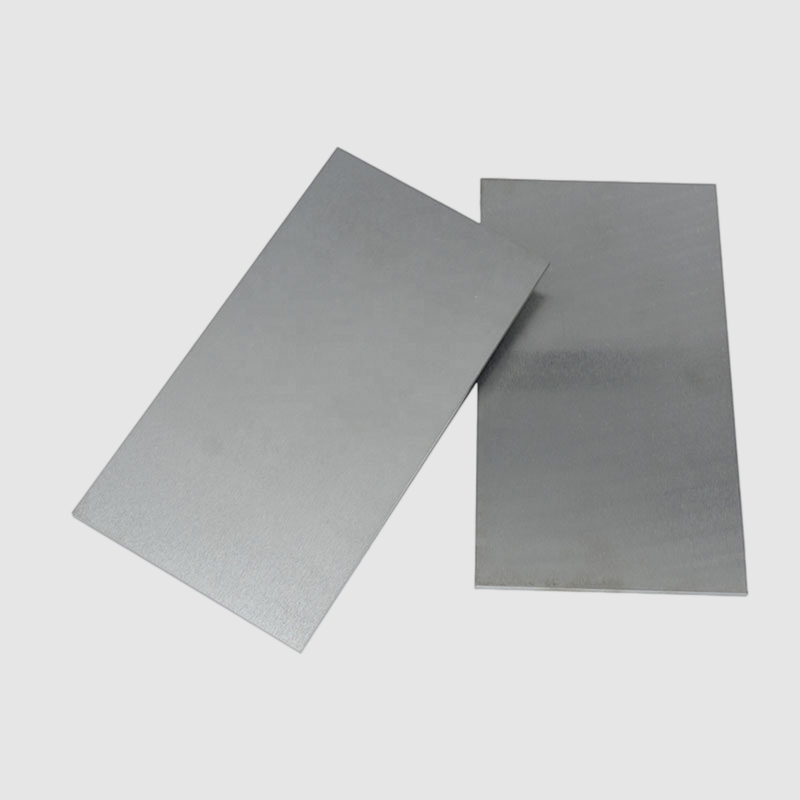
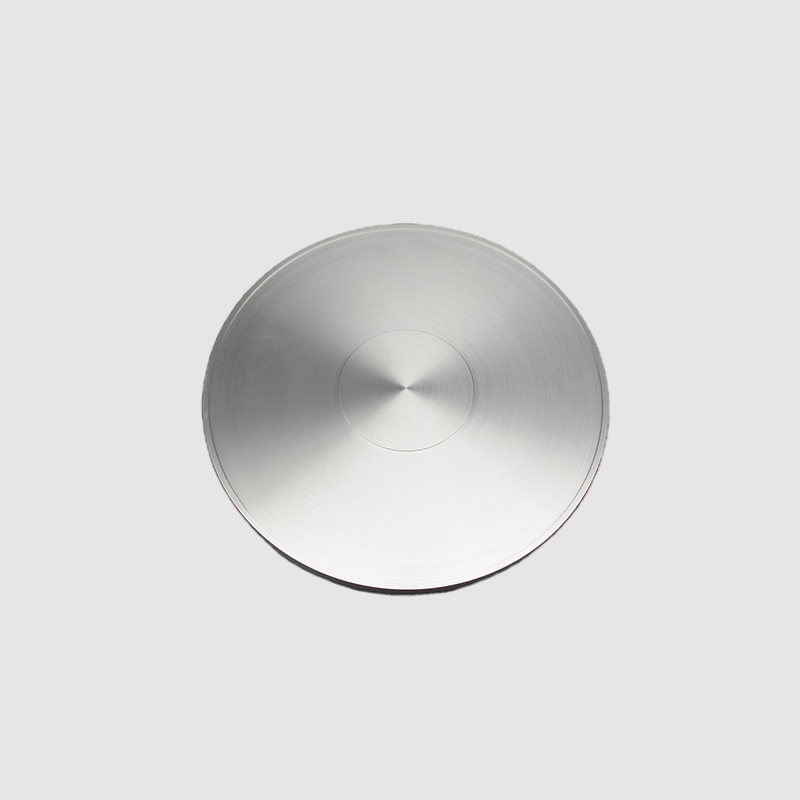
The TZM plate represents a specialized molybdenum alloy material that has become indispensable in high-temperature industrial applications. TZM stands for Titanium-Zirconium-Molybdenum, indicating its primary composition of molybdenum enhanced with small percentages of titanium and zirconium. This strategic alloying creates a material with exceptional performance characteristics that surpass pure molybdenum in numerous demanding environments. The TZM plate maintains structural integrity at temperatures exceeding 1400 degrees Celsius, making it suitable for extreme thermal conditions where conventional materials would fail. Manufacturing processes for TZM plate involve powder metallurgy techniques, where carefully controlled sintering and rolling operations produce plates with uniform density and consistent mechanical properties throughout their structure. The titanium content typically ranges from 0.4 to 0.55 percent, while zirconium comprises 0.06 to 0.12 percent, with the remainder being high-purity molybdenum. These precise compositional controls ensure the TZM plate delivers predictable performance across various operating conditions. The material exhibits excellent creep resistance, meaning it resists deformation under sustained stress at elevated temperatures. This characteristic proves critical in applications where dimensional stability directly impacts operational efficiency and safety. The TZM plate also demonstrates superior recrystallization temperature compared to pure molybdenum, allowing it to maintain fine grain structure and mechanical strength even after prolonged exposure to extreme heat. Industries ranging from aerospace to glass manufacturing rely on TZM plate for components that must endure thermal cycling, corrosive atmospheres, and mechanical stress simultaneously. The material's low thermal expansion coefficient minimizes dimensional changes during heating and cooling cycles, reducing the risk of thermal stress failures. Additionally, TZM plate offers good electrical and thermal conductivity, facilitating efficient heat transfer in thermal management applications while providing electrical performance where needed.

New Product Releases

Choosing TZM plate for your high-temperature applications delivers tangible benefits that directly impact operational efficiency and cost-effectiveness. The material's enhanced strength at elevated temperatures means components last longer and require less frequent replacement, reducing downtime and maintenance expenses. When your equipment operates continuously at temperatures where standard materials would soften or deform, TZM plate maintains its structural integrity, ensuring consistent performance throughout extended service periods. This reliability translates into predictable production schedules and fewer unexpected shutdowns that disrupt operations and affect profitability. The superior creep resistance of TZM plate prevents gradual deformation under constant load, which is particularly valuable in applications involving sustained mechanical stress at high temperatures. Components made from TZM plate retain their original dimensions and tolerances far longer than alternatives, maintaining precise clearances and alignments critical for optimal equipment function. This dimensional stability eliminates the need for frequent adjustments and recalibrations, saving labor costs and reducing the complexity of maintenance procedures. The material's resistance to thermal shock allows it to withstand rapid temperature changes without cracking or failing, providing durability in processes involving intermittent heating and cooling cycles. This robustness reduces the risk of catastrophic failures that could damage surrounding equipment or create safety hazards. TZM plate also offers excellent machinability compared to many refractory metals, allowing manufacturers to produce complex geometries and tight tolerances without excessive tool wear or processing difficulties. This fabrication advantage reduces production costs and lead times for custom components. The material's compatibility with various surface treatments and coatings expands its application range, enabling additional protection against specific environmental challenges like oxidation or chemical attack. When weight considerations matter, TZM plate provides an excellent strength-to-weight ratio, delivering robust performance without unnecessary mass that could complicate installation or increase structural support requirements. The long service life of TZM plate components reduces the total cost of ownership despite higher initial material costs, as fewer replacements over the equipment's lifetime result in lower cumulative expenses. Environmental benefits also emerge from using TZM plate, as its durability reduces waste generation and the frequency of manufacturing replacement parts, contributing to more sustainable industrial practices.

Latest News

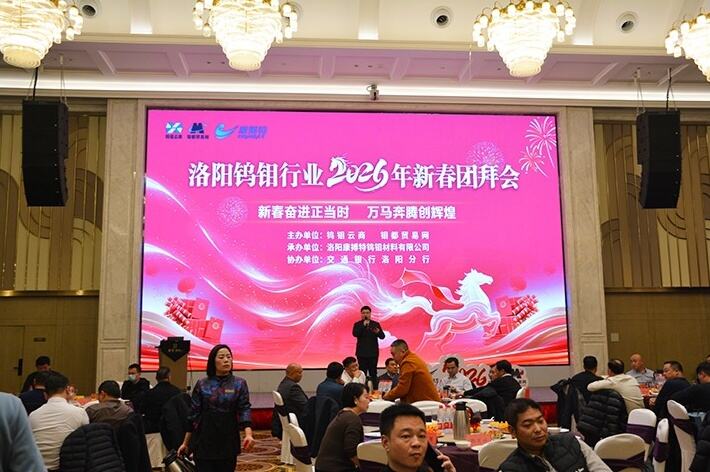
Gathering in Luoyang for Tungsten & Molybdenum, Uniting Hearts to Forge a New Dream Forward​

24

Apr

Gathering in Luoyang for Tungsten & Molybdenum, Uniting Hearts to Forge a New Dream Forward​

View More
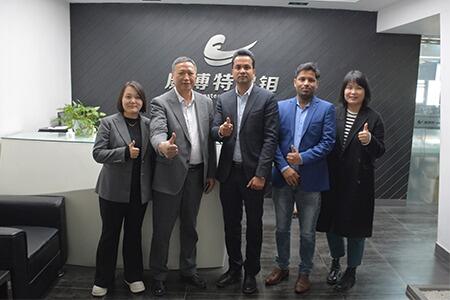
Indian Delegation Visits Youbo, Signs Molybdenum Bar and Tungsten Alloy Procurement Agreement​​

24

Apr

Indian Delegation Visits Youbo, Signs Molybdenum Bar and Tungsten Alloy Procurement Agreement​​

View More
The Grand Opening Of The 2025 China International Powder Metallurgy, Hard Alloy And Advanced Ceramics Exhibition

24

Apr

The Grand Opening Of The 2025 China International Powder Metallurgy, Hard Alloy And Advanced Ceramics Exhibition

View More
Luoyang Combat Tungsten & Molybdenum Materials Co., Ltd. Shines at Asia Ferroalloys 2025 Conference to Forge Global Collaboration Opportunities

24

Apr

Luoyang Combat Tungsten & Molybdenum Materials Co., Ltd. Shines at Asia Ferroalloys 2025 Conference to Forge Global Collaboration Opportunities

View More

Get a Free Quote

Our representative will contact you soon.
Email
Name
Country/Region
Mobile/WhatsApp
Product Name
Message
0/1000

tzm plate

Exceptional High-Temperature Strength Retention

Exceptional High-Temperature Strength Retention

The TZM plate distinguishes itself through remarkable strength retention at temperatures where most materials lose their structural capabilities. While pure molybdenum begins to soften significantly above 1200 degrees Celsius, the TZM plate maintains useful mechanical properties well beyond 1400 degrees Celsius, extending the operational envelope for critical components. This enhanced performance stems from the precipitation hardening effect created by titanium and zirconium additions, which form fine carbide particles throughout the molybdenum matrix. These carbides pin grain boundaries and dislocations, inhibiting the movement of crystal defects that cause material weakening at elevated temperatures. The result is a material that resists deformation under load even when glowing red-hot, providing reliable service in furnace components, heat shields, and high-temperature tooling. For manufacturers operating glass melting furnaces, the TZM plate enables electrode and stirrer construction that withstands the corrosive molten glass environment at temperatures approaching 1600 degrees Celsius. The material's ability to maintain hardness and yield strength at these extremes prevents erosion and dimensional changes that would compromise product quality or require frequent component replacement. In aerospace applications, TZM plate serves in rocket nozzle components and thermal protection systems where brief but intense thermal exposures demand materials that won't fail catastrophically. The plate's consistent performance across repeated thermal cycles ensures mission-critical reliability. Vacuum furnace manufacturers specify TZM plate for heating elements and structural supports because it maintains mechanical integrity throughout countless heating and cooling cycles without degradation. This longevity reduces operational costs and improves furnace uptime, directly benefiting production efficiency. The material's strength retention also proves valuable in metal forming dies used for hot working operations, where the TZM plate resists wear and deformation despite continuous contact with heated workpieces. By maintaining sharp edges and precise dimensions throughout extended production runs, TZM plate tooling delivers consistent part quality and reduces scrap rates, improving manufacturing economics.
Superior Recrystallization Resistance for Structural Stability

Superior Recrystallization Resistance for Structural Stability

One of the most significant advantages of TZM plate lies in its exceptional resistance to recrystallization, a metallurgical phenomenon that dramatically affects material properties during high-temperature service. Recrystallization occurs when a metal's grain structure reorganizes at elevated temperatures, typically resulting in grain growth that weakens the material and reduces its creep resistance. Pure molybdenum recrystallizes at relatively modest temperatures, limiting its usefulness in prolonged high-temperature applications. The TZM plate, however, maintains its fine-grained microstructure at temperatures several hundred degrees higher than pure molybdenum, preserving the mechanical properties that depend on grain size control. This resistance results from the titanium and zirconium carbides distributed throughout the material, which anchor grain boundaries and prevent their migration even under thermal activation. For industrial users, this translates into components that maintain their strength and dimensional stability throughout their entire service life, rather than gradually weakening as grain coarsening progresses. In applications involving extended exposure to temperatures between 1200 and 1600 degrees Celsius, the difference between TZM plate and pure molybdenum becomes dramatic. Components made from TZM plate retain their original mechanical properties and microstructure, while pure molybdenum equivalents would experience significant grain growth, leading to reduced strength and increased susceptibility to creep deformation. This stability proves particularly critical in precision applications where dimensional tolerances must be maintained over thousands of operating hours. Semiconductor manufacturing equipment, for example, relies on TZM plate components that must maintain exact positioning and flatness despite continuous thermal cycling in processing chambers. Any dimensional drift caused by recrystallization and subsequent creep would compromise wafer processing accuracy and yield. Similarly, in high-temperature vacuum systems, TZM plate structural elements provide reliable support without sagging or warping over time, ensuring system integrity and preventing costly vacuum leaks. The material's recrystallization resistance also benefits manufacturers during component fabrication, as TZM plate can undergo stress-relief annealing and forming operations at elevated temperatures without losing its beneficial fine-grained structure, providing processing flexibility that simplifies manufacturing complex geometries.
Enhanced Oxidation Resistance Through Protective Coatings

Enhanced Oxidation Resistance Through Protective Coatings

While TZM plate offers outstanding mechanical properties at extreme temperatures, its performance can be further enhanced through compatible protective coating systems that address its primary limitation: oxidation susceptibility in air at elevated temperatures. Molybdenum and its alloys, including TZM plate, oxidize rapidly when exposed to oxygen at temperatures above 500 degrees Celsius, forming volatile molybdenum trioxide that continuously removes material from the surface. This characteristic restricts uncoated TZM plate applications to vacuum, inert atmosphere, or reducing environment operations. However, the material's excellent compatibility with various coating technologies enables its use in oxidizing environments when properly protected. Silicide-based coatings, particularly molybdenum disilicide systems, provide effective oxidation protection by forming a dense silicon dioxide layer that prevents oxygen from reaching the underlying TZM plate substrate. These coatings extend the operational temperature range of TZM plate in air to approximately 1700 degrees Celsius, dramatically expanding application possibilities. The coating process involves pack cementation, slurry application, or plasma spraying techniques that create metallurgically bonded protective layers without compromising the base material's mechanical properties. For applications requiring both oxidation protection and specific surface characteristics, multi-layer coating systems combine oxidation barriers with functional top coats that provide additional benefits like low emissivity, wear resistance, or chemical inertness. The TZM plate substrate's thermal expansion characteristics closely match many protective coating materials, minimizing thermal stress at the interface and reducing the risk of coating spallation during thermal cycling. This compatibility ensures coating integrity throughout the component's service life, maintaining protection even under demanding operating conditions. Industries utilizing coated TZM plate include high-temperature heat treating, where furnace components benefit from the material's strength while the coating enables operation in air rather than requiring expensive controlled atmospheres. Glass manufacturing operations employ coated TZM plate in applications where occasional air exposure occurs, protecting the material during maintenance periods or process upsets. The ability to apply protective coatings also simplifies handling and storage of TZM plate components, as the coating provides oxidation protection during ambient temperature exposure before installation. This practical advantage reduces special handling requirements and associated costs.
Get a Free Quote

Our representative will contact you soon.
Email
Name
Country/Region
Mobile/WhatsApp
Product Name
Message
0/1000