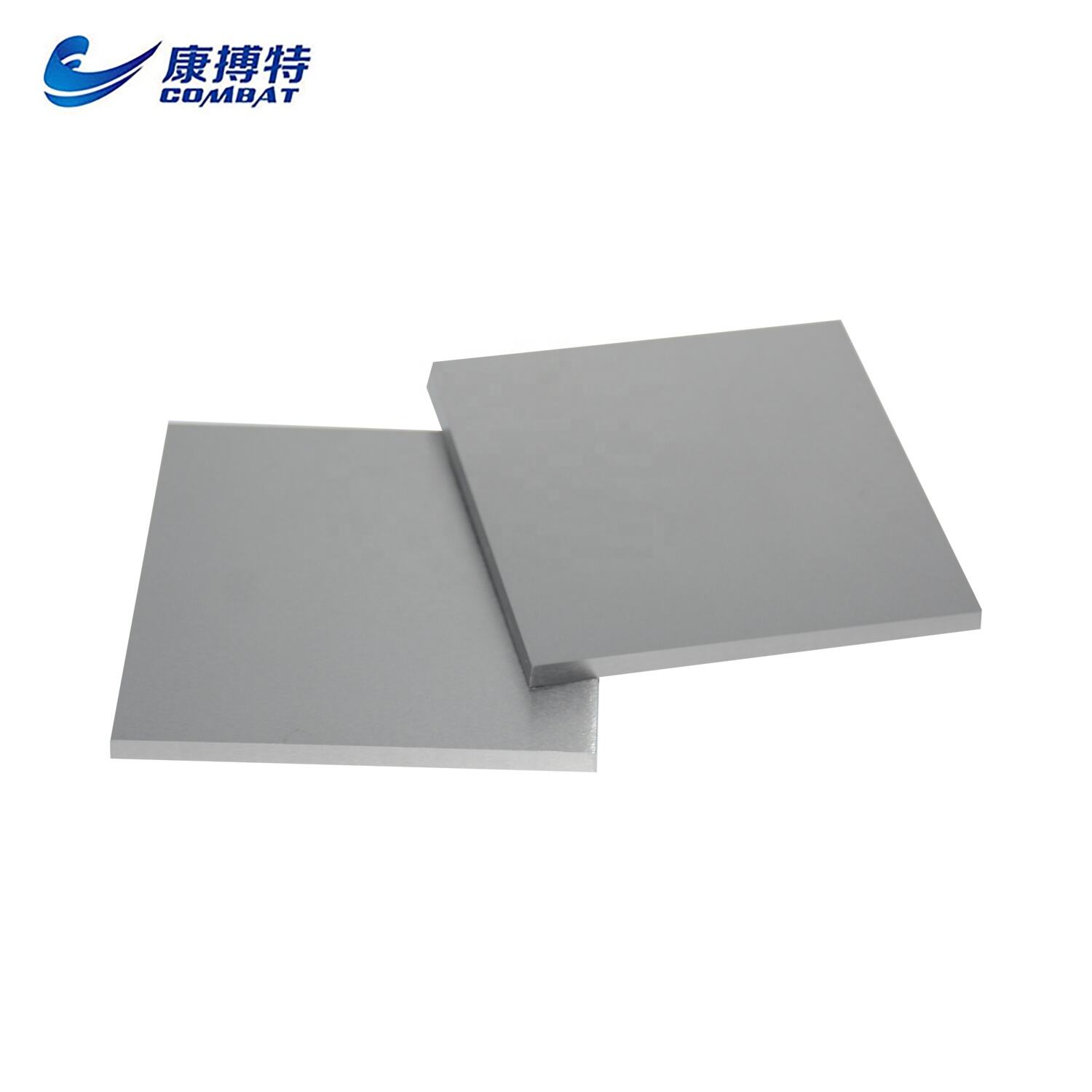
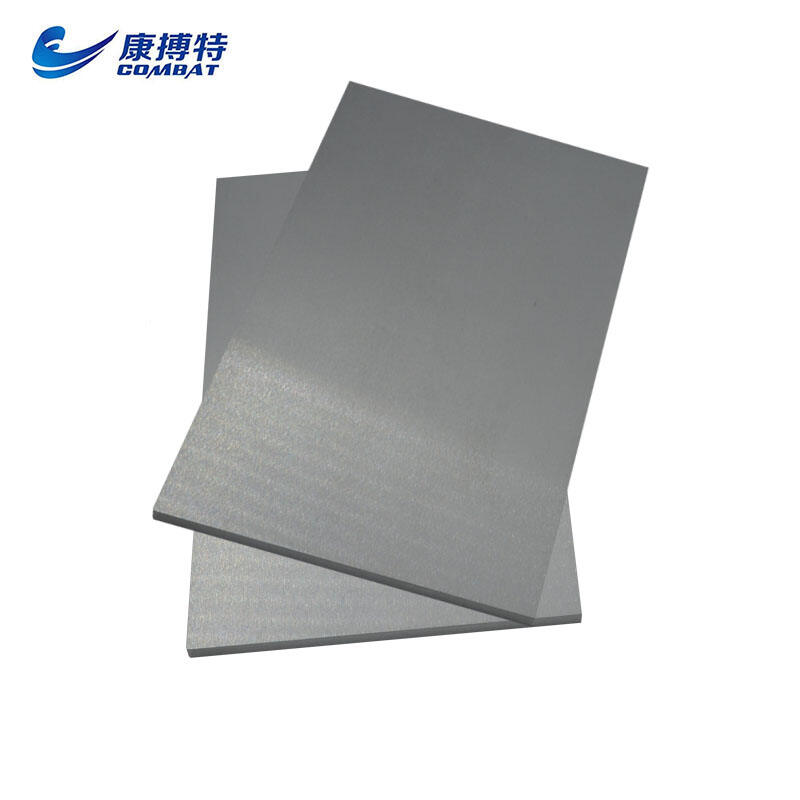
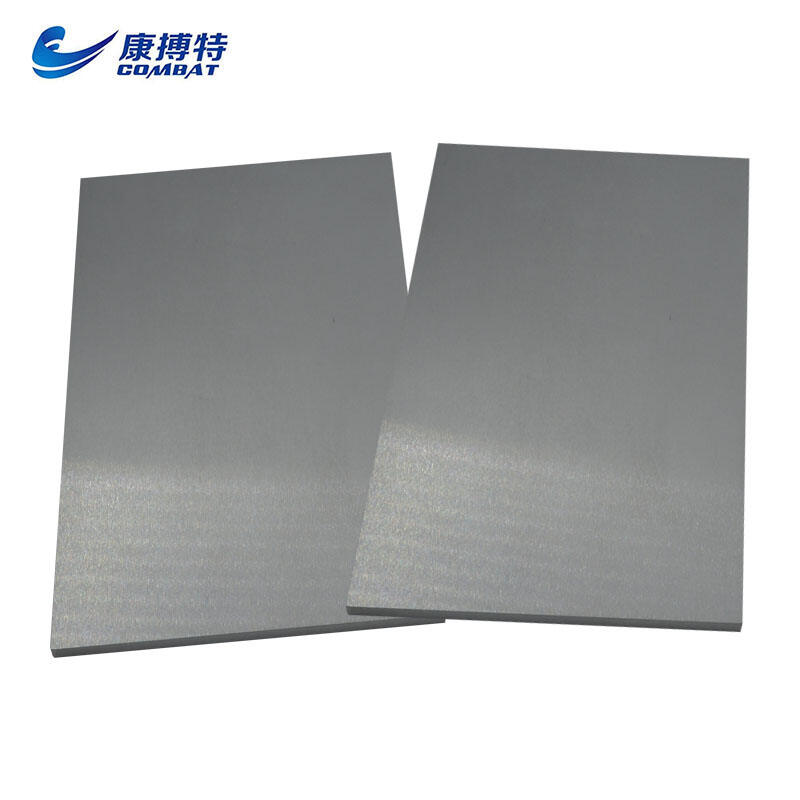
Cold Rolled Tungsten Plate: High-Density Precision Material for Radiation Shielding and High-Temperature Applications

Get a Free Quote

Our representative will contact you soon.
Email
Name
Country/Region
Mobile/WhatsApp
Product Name
Message
0/1000

cold rolled tungsten plate

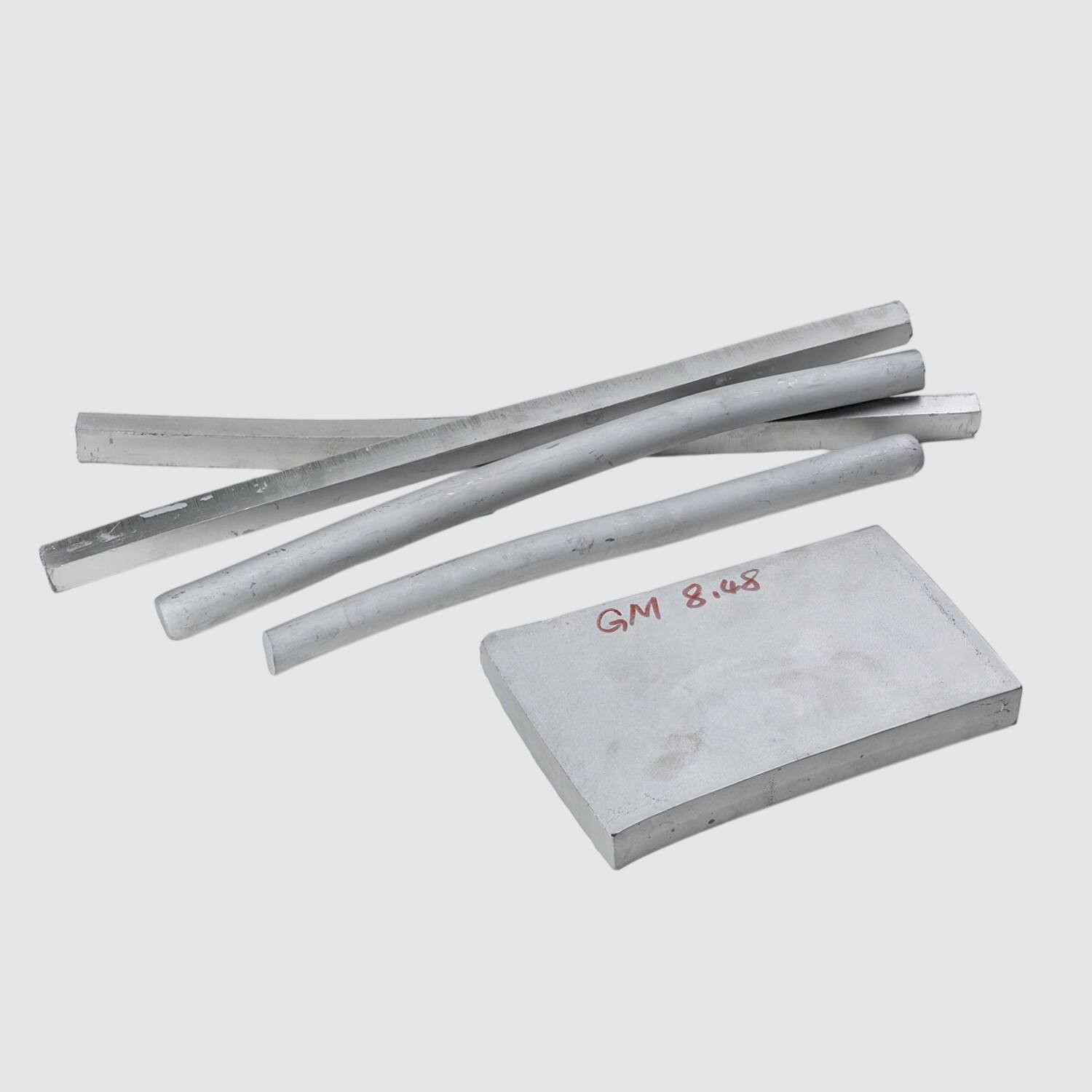
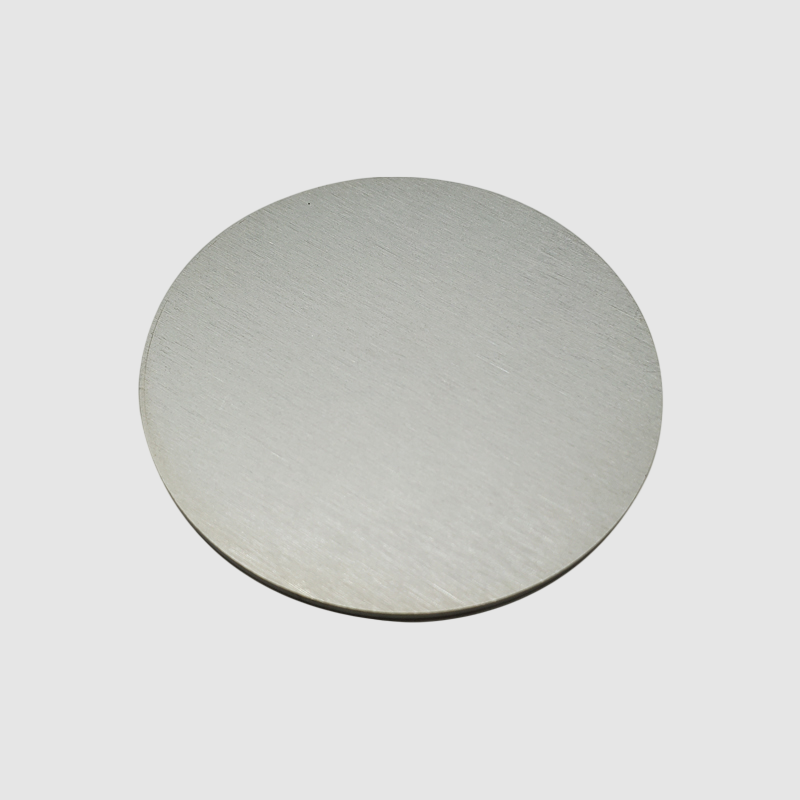
Cold rolled tungsten plate represents a premium metallic material that undergoes specialized manufacturing processes to achieve superior surface quality and dimensional precision. This advanced material starts as cast tungsten ingots that are heated and passed through precision rollers at temperatures below the recrystallization point, creating plates with exceptional flatness and consistent thickness. The cold rolling process work-hardens the tungsten, significantly enhancing its mechanical properties while maintaining the inherent characteristics that make tungsten valuable across multiple industries. Cold rolled tungsten plate exhibits remarkable density, typically reaching 19.3 grams per cubic centimeter, making it one of the heaviest engineering materials available. This density provides excellent radiation shielding capabilities and superior mass-to-volume ratios for applications requiring compact, heavy components. The material maintains structural integrity at extreme temperatures, with a melting point exceeding 3400 degrees Celsius, allowing it to function reliably in environments where other metals would fail. The cold rolling technique produces surfaces with minimal roughness and tight tolerances, eliminating the need for extensive secondary machining in many applications. Cold rolled tungsten plate finds extensive use in aerospace components, medical radiation equipment, high-temperature furnace parts, electrical contacts, and defense applications. The aerospace industry values these plates for counterweights, gyroscope rotors, and missile components where high density and temperature resistance are critical. Medical facilities utilize cold rolled tungsten plate in radiation therapy equipment, X-ray collimators, and shielding assemblies that protect patients and operators from harmful radiation exposure. Manufacturing operations employ these plates in high-temperature tooling, welding electrodes, and electrical discharge machining electrodes where thermal stability and electrical conductivity are essential. The defense sector incorporates cold rolled tungsten plate into kinetic energy penetrators, armor-piercing projectiles, and radiation shielding for sensitive equipment.

New Product Releases

Cold rolled tungsten plate delivers exceptional performance advantages that translate directly into cost savings and operational efficiency for end users. The superior surface finish achieved through cold rolling eliminates rough textures and surface defects, reducing friction in moving parts and extending component lifespan significantly. This smooth surface requires minimal additional processing, cutting manufacturing time and reducing production costs compared to materials needing extensive finishing work. The dimensional accuracy of cold rolled tungsten plate ensures consistent performance across production runs, with thickness variations typically held within extremely tight tolerances. This precision allows manufacturers to design components with confidence, knowing that material properties will remain uniform throughout the entire plate. The enhanced mechanical strength resulting from the cold rolling process provides greater resistance to deformation under load, enabling thinner, lighter designs that maintain structural integrity. Users benefit from reduced material consumption without sacrificing performance, leading to lower material costs and easier handling during fabrication. The excellent machinability of cold rolled tungsten plate, despite its hardness, allows for efficient cutting, drilling, and forming operations using standard metalworking equipment. Fabricators can produce complex geometries and tight-tolerance features without specialized tooling, reducing setup costs and production time. The thermal stability of cold rolled tungsten plate ensures dimensional consistency across wide temperature ranges, preventing warping or distortion that could compromise precision assemblies. Components maintain their exact specifications whether operating in cryogenic conditions or extreme heat, eliminating the need for temperature compensation in critical applications. The corrosion resistance of tungsten provides long-term durability in harsh chemical environments, reducing replacement frequency and maintenance costs. Unlike reactive metals that degrade when exposed to acids, bases, or oxidizing atmospheres, cold rolled tungsten plate maintains its properties and appearance over extended service periods. The radiation shielding effectiveness of cold rolled tungsten plate surpasses lead and other traditional shielding materials while occupying less space, allowing for more compact equipment designs. Medical and industrial facilities can reduce the footprint of shielded enclosures, freeing valuable floor space for other uses. The electrical conductivity of cold rolled tungsten plate supports reliable current transmission in high-temperature electrical contacts and electrodes, maintaining low resistance even under demanding thermal cycling. This reliability reduces energy losses and prevents failures in critical electrical systems. The non-magnetic properties of tungsten make cold rolled tungsten plate ideal for applications near sensitive instruments or in environments where magnetic interference must be avoided, expanding its utility across diverse technical fields.

Tips And Tricks

Gathering in Luoyang for Tungsten & Molybdenum, Uniting Hearts to Forge a New Dream Forward​

24

Apr

Gathering in Luoyang for Tungsten & Molybdenum, Uniting Hearts to Forge a New Dream Forward​

View More
International Ferroalloys 2025

24

Apr

International Ferroalloys 2025

View More
The Grand Opening Of The 2025 China International Powder Metallurgy, Hard Alloy And Advanced Ceramics Exhibition

24

Apr

The Grand Opening Of The 2025 China International Powder Metallurgy, Hard Alloy And Advanced Ceramics Exhibition

View More
Luoyang Combat Tungsten & Molybdenum Materials Co., Ltd. Shines at Asia Ferroalloys 2025 Conference to Forge Global Collaboration Opportunities

24

Apr

Luoyang Combat Tungsten & Molybdenum Materials Co., Ltd. Shines at Asia Ferroalloys 2025 Conference to Forge Global Collaboration Opportunities

View More

Get a Free Quote

Our representative will contact you soon.
Email
Name
Country/Region
Mobile/WhatsApp
Product Name
Message
0/1000

cold rolled tungsten plate

Unmatched Density and Radiation Shielding Performance

Unmatched Density and Radiation Shielding Performance

Cold rolled tungsten plate stands as the premier choice for radiation shielding applications due to its extraordinary density and atomic structure. With a density of 19.3 grams per cubic centimeter, tungsten provides superior shielding effectiveness compared to traditional materials like lead, which has a density of only 11.3 grams per cubic centimeter. This density advantage means that cold rolled tungsten plate can achieve equivalent radiation protection using significantly less material thickness, resulting in more compact shielding designs that save space and reduce overall system weight. The high atomic number of tungsten, 74, gives it exceptional ability to attenuate gamma rays and X-rays through photoelectric absorption and Compton scattering mechanisms. Medical imaging facilities benefit tremendously from cold rolled tungsten plate in CT scanners, linear accelerators, and diagnostic X-ray equipment where precise beam collimation and operator protection are paramount. The material effectively blocks scattered radiation while maintaining sharp beam edges, improving image quality and reducing patient exposure to unnecessary radiation. Industrial radiography operations use cold rolled tungsten plate in portable shielding enclosures and inspection equipment, protecting workers while maintaining mobility and ease of setup. Nuclear facilities incorporate these plates into containment structures, hot cells, and transport containers where long-term radiation exposure must be minimized. The non-toxic nature of tungsten compared to lead makes cold rolled tungsten plate a safer choice for environments where human contact is possible, eliminating concerns about lead poisoning or environmental contamination. The structural strength of cold rolled tungsten plate allows shielding assemblies to serve dual purposes, providing both radiation protection and mechanical support within equipment frames. This multifunctionality reduces component count and simplifies assembly processes. The dimensional stability of cold rolled tungsten plate ensures that shielding gaps do not develop over time due to thermal expansion or mechanical stress, maintaining protection integrity throughout the equipment lifecycle. Research laboratories working with radioactive materials rely on cold rolled tungsten plate for bench shielding, storage containers, and transfer devices that must provide reliable protection while allowing precise manipulation of samples. The material machines cleanly without generating hazardous dust or requiring special ventilation systems, simplifying fabrication and reducing safety concerns during manufacturing.
Exceptional High-Temperature Stability and Thermal Performance

Exceptional High-Temperature Stability and Thermal Performance

Cold rolled tungsten plate demonstrates unparalleled thermal performance characteristics that enable operation in extreme temperature environments where conventional materials fail catastrophically. The melting point of tungsten exceeds 3400 degrees Celsius, the highest of all pure metals, allowing cold rolled tungsten plate to maintain structural integrity and mechanical properties at temperatures that would vaporize steel, titanium, or nickel alloys. This extreme temperature capability makes the material indispensable in high-temperature furnace construction, rocket nozzle components, and plasma-facing surfaces in fusion research equipment. The low thermal expansion coefficient of cold rolled tungsten plate, approximately 4.5 micrometers per meter per degree Celsius, ensures dimensional stability during thermal cycling that would cause other materials to warp or crack. Precision instruments and optical systems benefit from this stability, maintaining alignment and calibration across wide temperature ranges without requiring complex compensation mechanisms. The excellent thermal conductivity of tungsten, while lower than copper or aluminum, provides sufficient heat transfer for many applications while offering far superior high-temperature strength. Cold rolled tungsten plate functions effectively in heat sinks, thermal breaks, and temperature-controlled fixtures where both heat management and structural support are required. The material resists oxidation at elevated temperatures when used in inert or reducing atmospheres, preventing surface degradation that would compromise performance or contaminate sensitive processes. Vacuum furnace components fabricated from cold rolled tungsten plate deliver decades of reliable service, reducing replacement costs and production downtime. The recrystallization temperature of cold worked tungsten exceeds 1200 degrees Celsius, meaning that cold rolled tungsten plate retains its enhanced mechanical properties even during high-temperature service, unlike materials that soften and lose strength when heated. Aerospace propulsion systems utilize cold rolled tungsten plate in thrust vectoring components, combustion chamber liners, and exhaust nozzles where extreme thermal gradients and mechanical stresses occur simultaneously. The material withstands repeated thermal shock without developing cracks or losing dimensional accuracy, ensuring consistent performance over thousands of operational cycles. Welding and metal joining operations employ cold rolled tungsten plate in electrodes and tooling that must resist erosion from electrical arcing and molten metal contact, providing longer tool life and more consistent weld quality compared to copper or molybdenum alternatives.
Superior Mechanical Properties and Fabrication Versatility

Superior Mechanical Properties and Fabrication Versatility

Cold rolled tungsten plate offers an exceptional combination of mechanical strength, hardness, and workability that enables diverse fabrication approaches and demanding structural applications. The cold rolling process significantly increases the material hardness and tensile strength compared to annealed tungsten, creating plates that resist wear, deformation, and impact damage in service. This work-hardening effect produces ultimate tensile strengths exceeding 1000 megapascals in properly processed material, allowing cold rolled tungsten plate to support substantial loads in compact cross-sections. The high elastic modulus of tungsten, approximately 400 gigapascals, provides exceptional stiffness that prevents deflection under load, making cold rolled tungsten plate ideal for precision machine components, vibration-damping structures, and rigid support frames. Despite its hardness, cold rolled tungsten plate can be machined using conventional cutting tools with appropriate speeds, feeds, and coolant application, allowing fabricators to produce complex geometries without investing in exotic tooling or specialized equipment. The material responds well to electrical discharge machining, enabling intricate features and tight tolerances that would be difficult or impossible to achieve through conventional machining. Cold rolled tungsten plate can be formed using press brakes and rolling equipment when heated to appropriate temperatures, allowing the creation of curved sections, channels, and custom profiles for specific applications. The ductility of properly processed cold rolled tungsten plate permits limited bending and forming at room temperature for simple shapes, providing flexibility in prototype development and small-batch production. Joining operations including brazing, diffusion bonding, and specialized welding techniques allow cold rolled tungsten plate to be integrated into complex assemblies with dissimilar materials, expanding design possibilities. The material accepts various surface treatments including electroplating, chemical etching, and coating application, enabling customization for specific environmental conditions or aesthetic requirements. Cold rolled tungsten plate maintains consistent mechanical properties throughout its thickness, eliminating concerns about property gradients or weak zones that could compromise structural performance. The fatigue resistance of tungsten supports applications involving cyclic loading, vibration, or repeated thermal cycling without developing cracks or experiencing premature failure. Precision grinding and lapping operations produce mirror-finish surfaces on cold rolled tungsten plate for optical applications, sealing surfaces, and decorative uses where appearance matters. The material density provides excellent vibration damping in machine tool bases, precision instrument housings, and acoustic applications where unwanted resonance must be suppressed.

Get a Free Quote

Our representative will contact you soon.
Email
Name
Country/Region
Mobile/WhatsApp
Product Name
Message
0/1000