High-Performance Molybdenum Mesh: Extreme Temperature Filtration and Industrial Solutions

Get a Free Quote

Our representative will contact you soon.
Email
Name
Country/Region
Mobile/WhatsApp
Product Name
Message
0/1000

molybdenum mesh

Molybdenum mesh represents a specialized industrial material that combines exceptional heat resistance with remarkable structural integrity. This woven metallic screen consists of pure molybdenum wires interlaced to form a precise grid pattern, creating a durable filtering and support structure capable of withstanding extreme operating conditions. The manufacturing process involves drawing molybdenum into fine wires, then weaving these strands using advanced techniques to achieve specific mesh counts and wire diameters. The resulting product delivers outstanding performance in high-temperature environments where conventional materials fail. Molybdenum mesh serves critical functions across multiple industries, from aerospace components to laboratory equipment. Its primary role involves filtration, separation, and structural support in applications demanding thermal stability above 2000 degrees Celsius. The material maintains dimensional accuracy even under thermal cycling, preventing warping or degradation that compromises performance. Engineers specify molybdenum mesh for vacuum furnace components, where it supports materials during sintering and heat treatment processes. The mesh also functions as an electrode material in glass melting operations, where corrosion resistance and electrical conductivity prove essential. In chemical processing, molybdenum mesh filters corrosive substances at elevated temperatures, outlasting stainless steel alternatives by significant margins. The aerospace sector utilizes this material for rocket nozzle components and thermal shields, capitalizing on its ability to maintain strength when exposed to extreme heat flux. Research laboratories employ molybdenum mesh in electron microscopy grids and high-temperature experimental setups. The material's low thermal expansion coefficient ensures consistent performance across temperature ranges, while its high melting point of 2623 degrees Celsius provides an unmatched safety margin. Molybdenum mesh comes in various specifications, with mesh counts ranging from coarse to ultra-fine configurations, allowing precise customization for specific applications. Wire diameters and opening sizes can be tailored to meet exact filtration requirements or structural load specifications.

New Products

Choosing molybdenum mesh delivers tangible benefits that directly impact operational efficiency and cost management. The material withstands temperatures that would instantly destroy alternative screening materials, eliminating frequent replacements and reducing downtime. When your production process operates above 1500 degrees Celsius, molybdenum mesh continues functioning reliably while steel mesh would have already melted. This temperature resilience translates to longer service life, often measured in years rather than months, significantly lowering your total ownership costs. The mesh resists chemical attack from acids, alkalis, and molten metals, maintaining structural integrity in corrosive environments that rapidly degrade other materials. You avoid contamination issues because molybdenum does not react with most substances at high temperatures, keeping your products pure and meeting strict quality standards. The material's electrical conductivity makes it valuable for applications requiring current flow combined with heat resistance, such as heating elements and electrode assemblies. You gain design flexibility because molybdenum mesh can be formed into complex shapes, welded, or brazed to create custom configurations matching your specific requirements. The low vapor pressure of molybdenum means minimal outgassing in vacuum applications, critical for maintaining clean environments in semiconductor processing and thin-film deposition. Your vacuum systems operate more efficiently without contamination from material degradation. The mesh provides excellent dimensional stability, maintaining precise opening sizes and overall dimensions throughout thermal cycles. This consistency ensures predictable filtration performance and structural support without recalibration or adjustment. Molybdenum mesh offers superior strength-to-weight ratios compared to ceramic alternatives, allowing lighter component designs without sacrificing durability. You reduce energy consumption because lighter furnace components require less power to heat and cool. The material machines and fabricates readily despite its refractory nature, enabling cost-effective customization and repair. Welding and joining techniques are well-established, allowing integration into existing systems without specialized equipment. The mesh exhibits minimal creep at elevated temperatures, maintaining tension and flatness over extended operating periods. Your filtration accuracy remains constant, and support structures do not sag or deform. Molybdenum mesh provides excellent thermal shock resistance, surviving rapid temperature changes that crack ceramic screens or warp metal alternatives. You achieve faster process cycles because the material tolerates aggressive heating and cooling rates. The investment in molybdenum mesh pays returns through extended equipment life, reduced maintenance frequency, improved product quality, and enhanced process reliability across demanding industrial applications.

Practical Tips

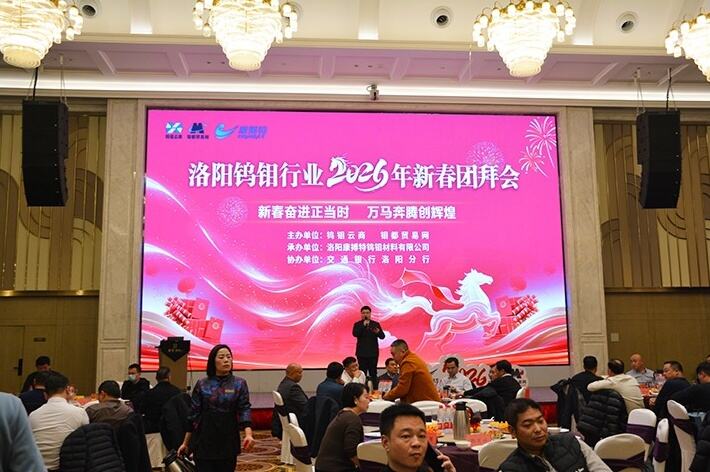
Gathering in Luoyang for Tungsten & Molybdenum, Uniting Hearts to Forge a New Dream Forward​

24

Apr

Gathering in Luoyang for Tungsten & Molybdenum, Uniting Hearts to Forge a New Dream Forward​

View More
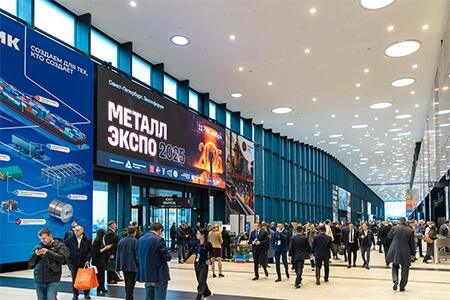
The 31st Russia International Metal and Metallurgy Industry Exhibition 2025 (Metal-Expo)

24

Apr

The 31st Russia International Metal and Metallurgy Industry Exhibition 2025 (Metal-Expo)

View More
International Ferroalloys 2025

24

Apr

International Ferroalloys 2025

View More
The Grand Opening Of The 2025 China International Powder Metallurgy, Hard Alloy And Advanced Ceramics Exhibition

24

Apr

The Grand Opening Of The 2025 China International Powder Metallurgy, Hard Alloy And Advanced Ceramics Exhibition

View More

Get a Free Quote

Our representative will contact you soon.
Email
Name
Country/Region
Mobile/WhatsApp
Product Name
Message
0/1000

molybdenum mesh

Unmatched High-Temperature Performance for Extreme Industrial Environments

Unmatched High-Temperature Performance for Extreme Industrial Environments

Molybdenum mesh stands alone in its ability to maintain structural integrity and functional performance at temperatures exceeding 2000 degrees Celsius in inert atmospheres and above 1200 degrees Celsius in oxidizing conditions with protective coatings. This exceptional heat tolerance stems from molybdenum's inherent material properties, including a melting point of 2623 degrees Celsius, which ranks among the highest of all metallic elements. When industrial processes demand reliable filtration, support structures, or heating elements at extreme temperatures, molybdenum mesh delivers consistent performance where alternative materials simply cannot survive. The mesh retains its tensile strength and does not soften or creep under sustained thermal loads, ensuring that critical dimensions and mechanical properties remain stable throughout extended high-temperature exposure. This characteristic proves invaluable in vacuum furnace applications, where molybdenum mesh supports ceramic components during sintering cycles lasting many hours at temperatures approaching 2200 degrees Celsius. The material does not introduce contamination through oxidation or decomposition, maintaining the purity of processed materials and meeting stringent quality requirements in aerospace, electronics, and advanced ceramics manufacturing. Molybdenum mesh also exhibits remarkable thermal shock resistance, withstanding rapid temperature fluctuations that would fracture ceramic alternatives or cause permanent deformation in other refractory metals. This durability translates directly to reduced maintenance costs and minimized production interruptions, as components require replacement far less frequently than conventional high-temperature materials. The mesh configuration allows efficient heat transfer while providing mechanical support, optimizing thermal management in furnace designs and heating element assemblies. Engineers can specify molybdenum mesh with confidence for the most demanding thermal environments, knowing the material will perform reliably throughout its service life. The combination of extreme temperature capability, dimensional stability, and chemical inertness makes molybdenum mesh an essential material for advancing industrial processes that push the boundaries of temperature and performance, enabling innovations in materials processing, aerospace propulsion, and energy generation technologies.
Superior Chemical Resistance and Contamination Prevention

Superior Chemical Resistance and Contamination Prevention

Molybdenum mesh provides exceptional resistance to chemical attack across a broad spectrum of corrosive substances, making it indispensable for applications where material compatibility and contamination control are paramount. Unlike stainless steel or nickel alloys that corrode when exposed to certain acids, alkalis, or molten metals, molybdenum maintains its structural integrity and surface characteristics in these aggressive environments. This chemical stability proves critical in glass manufacturing, where molybdenum mesh electrodes contact molten glass at temperatures exceeding 1400 degrees Celsius without dissolving or introducing impurities that would compromise optical clarity or mechanical properties. The material resists attack from hydrochloric acid, sulfuric acid, and hydrofluoric acid at elevated temperatures, enabling filtration and processing applications in chemical production facilities where equipment longevity and product purity directly impact profitability. Molybdenum mesh does not react with most molten metals, including aluminum, copper, and precious metals, allowing its use in metallurgical processes for filtering and handling operations without contamination concerns. This inertness extends to many organic compounds and industrial solvents, broadening the range of chemical processing applications where molybdenum mesh can be deployed effectively. The material's resistance to oxidation in controlled atmospheres or vacuum conditions prevents scale formation and surface degradation that would alter mesh opening sizes and compromise filtration accuracy. In semiconductor manufacturing and thin-film deposition processes, molybdenum mesh components maintain cleanliness standards because the material exhibits minimal outgassing and does not introduce particulate contamination from corrosion products. The absence of chemical reactions between molybdenum mesh and processed materials ensures consistent product quality, eliminates batch-to-batch variations caused by equipment degradation, and reduces rejection rates in quality-sensitive manufacturing operations. This chemical compatibility also simplifies cleaning and maintenance procedures, as molybdenum mesh can be cleaned using various solvents and chemical treatments without material damage. The long-term cost advantages of molybdenum mesh become evident when comparing replacement frequencies and contamination-related losses against chemically susceptible alternatives, with molybdenum often providing service life extensions of three to five times longer in corrosive high-temperature applications.
Precision Engineering and Customizable Specifications for Exact Applications

Precision Engineering and Customizable Specifications for Exact Applications

Molybdenum mesh manufacturing technology has advanced to enable precise control over wire diameter, mesh count, opening size, and overall dimensions, allowing engineers to specify exact configurations that optimize performance for particular applications. This customization capability ensures that molybdenum mesh can be tailored to meet specific filtration requirements, structural load capacities, electrical resistance values, and thermal management characteristics demanded by diverse industrial processes. Mesh counts ranging from coarse configurations with large openings for structural support to ultra-fine weaves with micron-scale openings for precision filtration provide flexibility across application requirements. Wire diameters can be selected to balance strength requirements against flow resistance and thermal mass considerations, optimizing the mesh for its intended function. The weaving process produces consistent opening sizes with tight tolerances, ensuring predictable filtration performance and uniform flow distribution across the mesh surface. This precision proves essential in applications like catalyst support structures, where uniform gas distribution directly affects reaction efficiency and product yield. Molybdenum mesh can be supplied in flat sheets, formed into cylindrical or conical shapes, or fabricated into complex three-dimensional structures matching specific equipment geometries. The material's workability allows cutting, welding, and forming operations using established fabrication techniques, enabling integration into existing systems or creation of custom components without prohibitive tooling costs. Engineers can specify edge treatments, reinforcement patterns, and attachment methods that suit particular installation requirements and mechanical loading conditions. The ability to combine different mesh specifications in layered or composite structures expands design possibilities, allowing optimization of filtration efficiency, structural strength, and thermal properties within a single component. Molybdenum mesh maintains dimensional accuracy throughout its service life, with minimal stretching, shrinkage, or distortion under operating conditions, ensuring that installed components continue meeting original specifications over extended periods. This dimensional stability eliminates the need for frequent adjustments or recalibration, reducing maintenance labor and improving process consistency. The precision and customization capabilities of molybdenum mesh enable engineers to design optimal solutions for challenging applications, achieving performance levels unattainable with standard off-the-shelf materials while maintaining cost-effectiveness through extended service life and reduced maintenance requirements.
Get a Free Quote

Our representative will contact you soon.
Email
Name
Country/Region
Mobile/WhatsApp
Product Name
Message
0/1000