TZM Sheet: High-Performance Molybdenum Alloy for Extreme Temperature Applications

Get a Free Quote

Our representative will contact you soon.
Email
Name
Country/Region
Mobile/WhatsApp
Product Name
Message
0/1000

tzm sheet

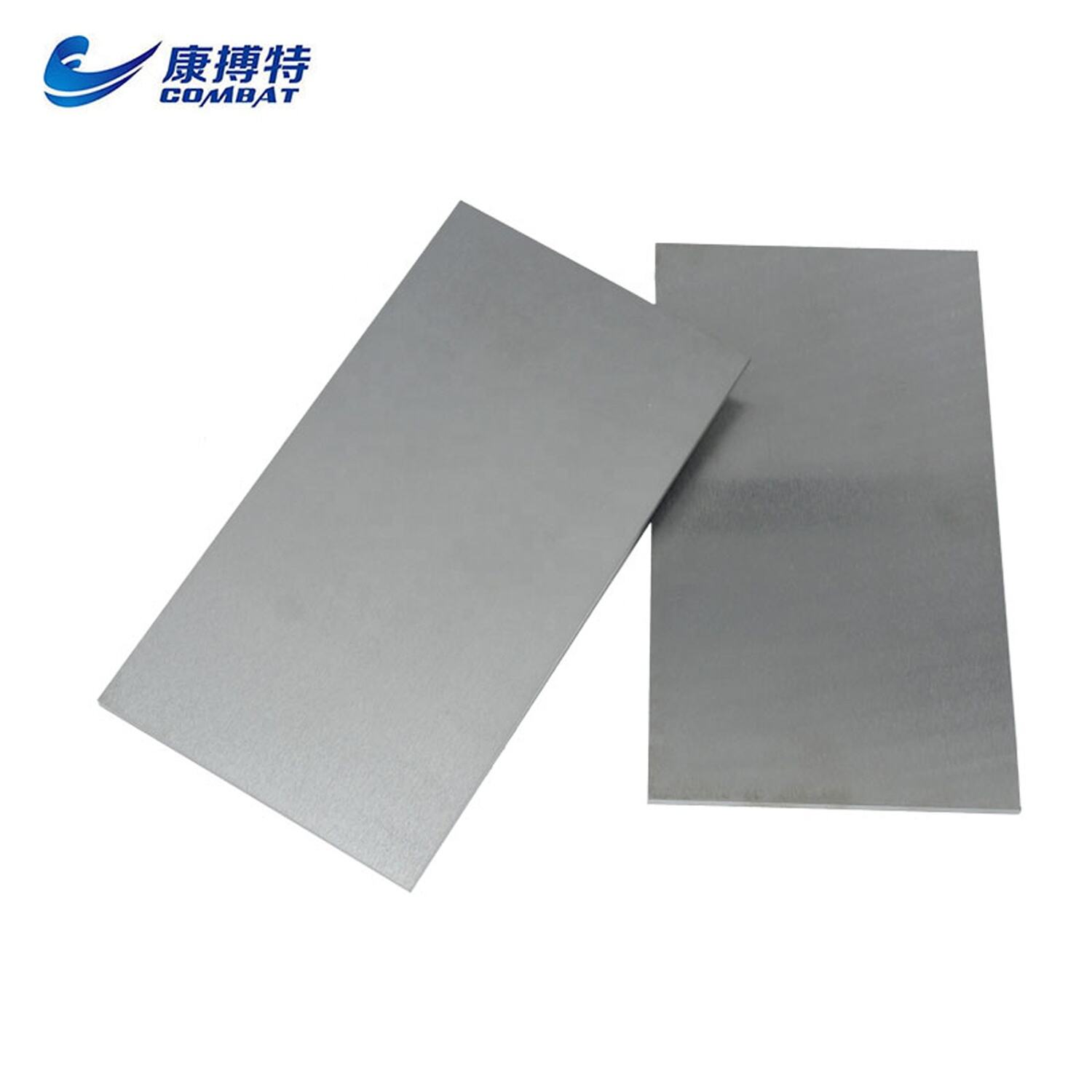
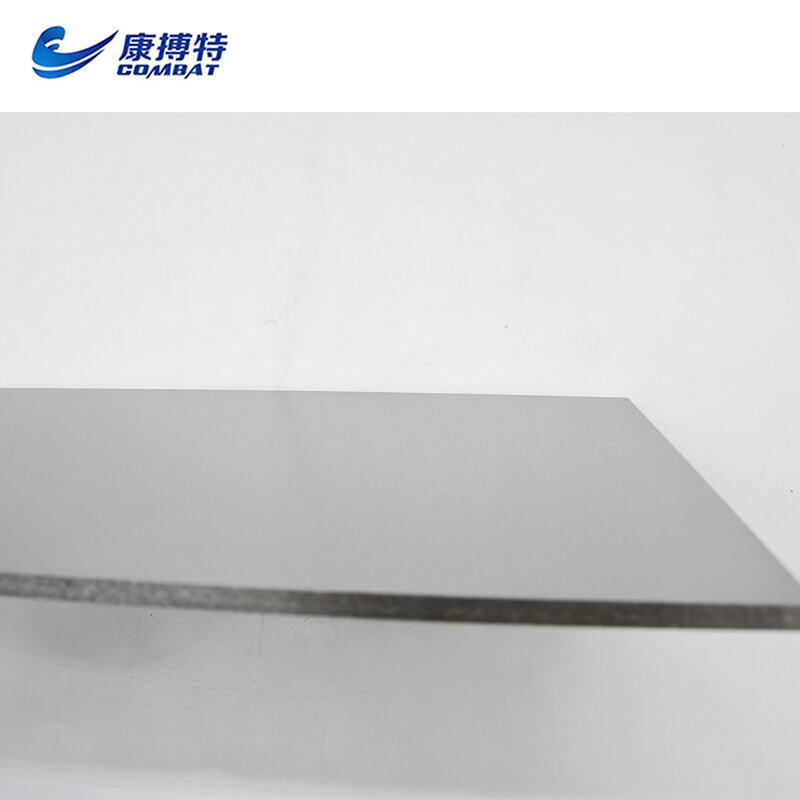
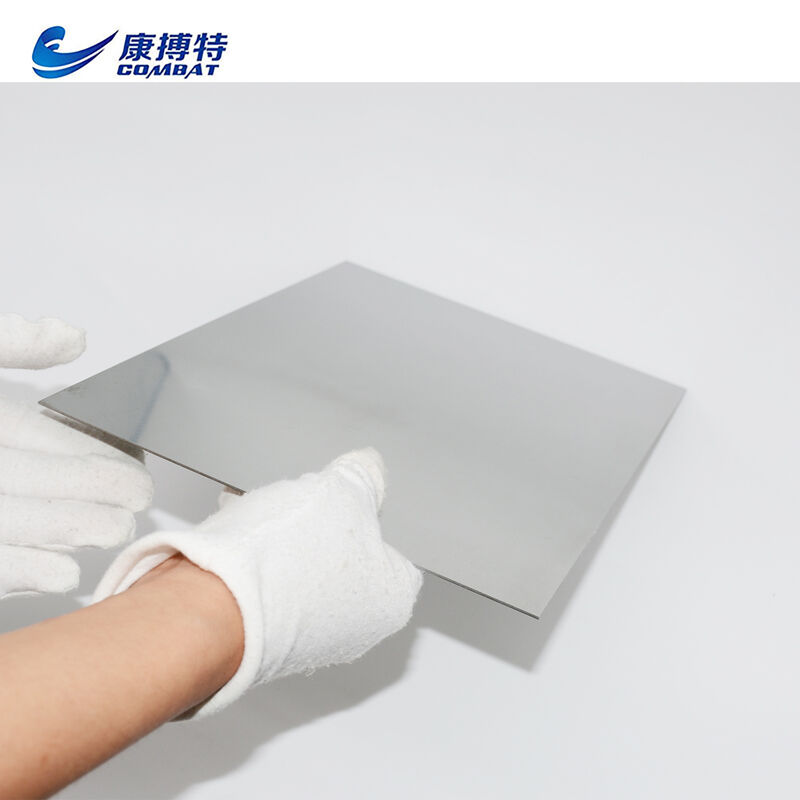
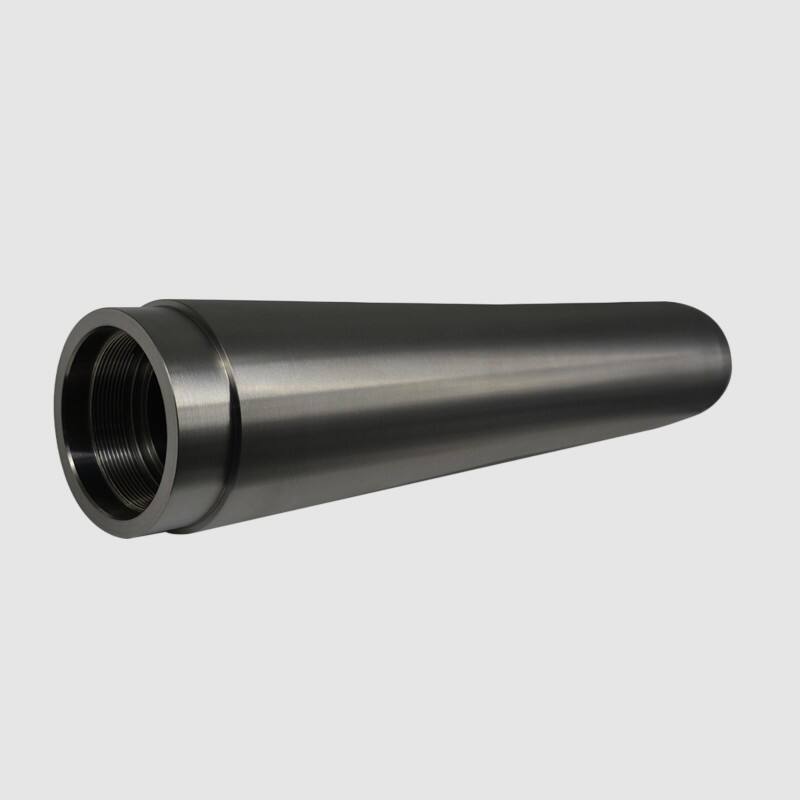
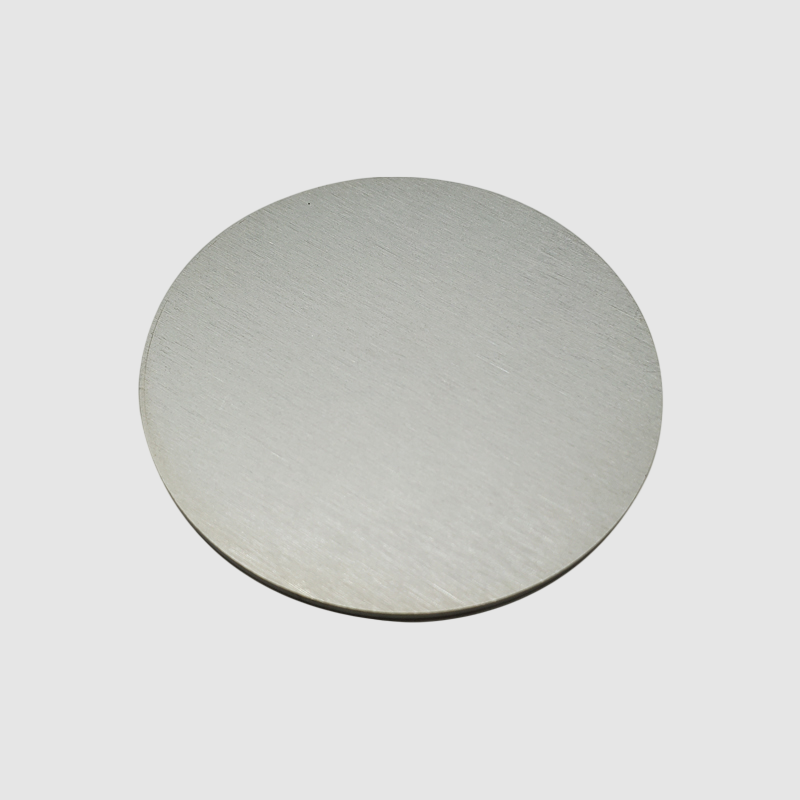
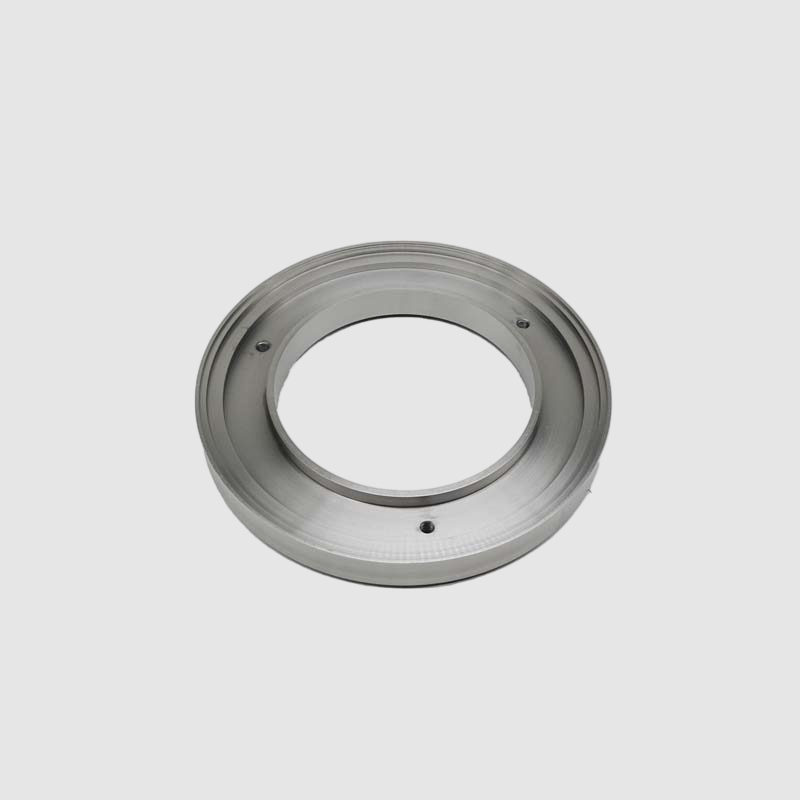
TZM sheet represents a specialized molybdenum alloy material that has revolutionized high-temperature industrial applications through its exceptional performance characteristics. This advanced metallic sheet consists primarily of molybdenum combined with titanium, zirconium, and carbon in precise proportions, creating a material with superior mechanical properties compared to pure molybdenum. The TZM sheet derives its name from the key alloying elements: Titanium (T), Zirconium (Z), and Molybdenum (M). Manufacturing processes involve powder metallurgy techniques, where carefully controlled sintering and rolling operations produce sheets with uniform thickness and consistent quality. The material exhibits remarkable strength retention at elevated temperatures, maintaining structural integrity where conventional metals would fail. TZM sheet finds extensive use in aerospace components, glass manufacturing equipment, and high-temperature furnace construction. The alloy composition typically contains 0.5% titanium, 0.08% zirconium, and 0.02% carbon, with the balance being molybdenum. These alloying additions create fine carbide precipitates that strengthen the grain boundaries and prevent recrystallization at high temperatures. The technological advancement of TZM sheet manufacturing has enabled industries to push operational temperature limits beyond 1400 degrees Celsius. Surface finishes range from mill finish to polished grades, accommodating diverse application requirements. Thickness options span from thin foils at 0.1mm to substantial plates exceeding 50mm, providing flexibility for various engineering designs. The material demonstrates excellent thermal conductivity, making it ideal for heat transfer applications in demanding environments. Corrosion resistance in non-oxidizing atmospheres ensures long service life in chemical processing equipment. TZM sheet maintains dimensional stability under thermal cycling, preventing warping or distortion during repeated heating and cooling operations. The combination of high melting point, low thermal expansion, and superior creep resistance positions TZM sheet as an indispensable material for modern high-performance applications across multiple industrial sectors.

New Product Releases

The primary advantage of TZM sheet lies in its exceptional high-temperature strength, which surpasses pure molybdenum by significant margins. This enhanced strength allows equipment designers to reduce material thickness while maintaining structural requirements, resulting in lighter components and reduced material costs. The alloy maintains useful mechanical properties at temperatures exceeding 1600 degrees Celsius, enabling operations in extreme thermal environments where alternative materials simply cannot function. Cost efficiency emerges as another compelling benefit, as the extended service life of TZM sheet components reduces replacement frequency and associated downtime expenses. Industries utilizing this material report operational cost savings of 30-50% compared to frequent replacement of inferior materials. The material's resistance to thermal shock prevents catastrophic failures during rapid temperature changes, enhancing workplace safety and equipment reliability. Fabrication versatility represents a significant practical advantage, as TZM sheet can be machined, welded, and formed using conventional metalworking techniques with appropriate precautions. This processability allows manufacturers to create complex geometries and custom configurations without specialized equipment investments. The material's compatibility with various joining methods, including electron beam welding and tungsten inert gas welding, facilitates integration into existing manufacturing workflows. Thermal management capabilities provide distinct advantages in applications requiring efficient heat distribution or dissipation. The high thermal conductivity of TZM sheet enables rapid heat transfer, improving process efficiency in glass melting furnaces and semiconductor manufacturing equipment. Dimensional precision remains stable throughout the material's service life, eliminating concerns about thermal expansion mismatches that plague mixed-material assemblies. The low vapor pressure of TZM sheet at elevated temperatures prevents contamination in vacuum processing environments, making it ideal for semiconductor and specialty glass production. Maintenance requirements decrease substantially when using TZM sheet, as the material resists oxidation in controlled atmospheres and maintains surface integrity without protective coatings in appropriate environments. The material's density, while higher than aluminum or steel, provides structural advantages in applications where mass contributes to thermal stability or vibration damping. Environmental considerations favor TZM sheet adoption, as its longevity reduces waste generation and the material remains fully recyclable at end of life. Performance consistency across production batches ensures predictable behavior in critical applications, reducing engineering uncertainty and qualification testing requirements. The material's track record in aerospace and defense applications provides confidence for adoption in commercial sectors seeking proven reliability.

Practical Tips

Gathering in Luoyang for Tungsten & Molybdenum, Uniting Hearts to Forge a New Dream Forward​

24

Apr

Gathering in Luoyang for Tungsten & Molybdenum, Uniting Hearts to Forge a New Dream Forward​

View More
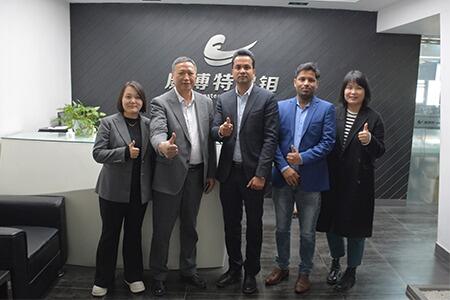
Indian Delegation Visits Youbo, Signs Molybdenum Bar and Tungsten Alloy Procurement Agreement​​

24

Apr

Indian Delegation Visits Youbo, Signs Molybdenum Bar and Tungsten Alloy Procurement Agreement​​

View More
International Ferroalloys 2025

24

Apr

International Ferroalloys 2025

View More
Luoyang Combat Tungsten & Molybdenum Materials Co., Ltd. Shines at Asia Ferroalloys 2025 Conference to Forge Global Collaboration Opportunities

24

Apr

Luoyang Combat Tungsten & Molybdenum Materials Co., Ltd. Shines at Asia Ferroalloys 2025 Conference to Forge Global Collaboration Opportunities

View More

Get a Free Quote

Our representative will contact you soon.
Email
Name
Country/Region
Mobile/WhatsApp
Product Name
Message
0/1000

tzm sheet

Superior High-Temperature Performance and Structural Integrity

Superior High-Temperature Performance and Structural Integrity

TZM sheet delivers unmatched performance in high-temperature environments, maintaining mechanical strength and structural stability at temperatures where conventional materials experience rapid degradation. The carefully engineered alloy composition creates a microstructure that resists grain growth and recrystallization up to 1400 degrees Celsius, preserving the material's fine-grained structure that contributes to its superior strength characteristics. This resistance to recrystallization represents a critical advantage over pure molybdenum, which begins losing strength at much lower temperatures due to grain coarsening. The titanium and zirconium additions form stable carbide particles that pin grain boundaries, effectively preventing the migration and growth that would otherwise weaken the material. In practical applications, this translates to components that maintain dimensional accuracy and load-bearing capacity throughout extended service periods in furnaces, heat shields, and high-temperature tooling. The creep resistance of TZM sheet exceeds that of pure molybdenum by factors of two to three at equivalent temperatures, allowing designers to specify thinner sections or higher operating temperatures without compromising safety margins. This performance advantage becomes particularly valuable in aerospace applications where weight reduction directly impacts fuel efficiency and payload capacity. Glass manufacturing operations benefit enormously from TZM sheet's ability to withstand continuous exposure to molten glass at temperatures approaching 1600 degrees Celsius without sagging or deformation. The material's low thermal expansion coefficient minimizes thermal stress development during heating and cooling cycles, preventing crack initiation that would lead to premature failure. Equipment constructed with TZM sheet demonstrates remarkable longevity, with service lives often exceeding ten years in continuous high-temperature operation. This durability stems not only from the material's inherent strength but also from its resistance to thermal fatigue, a failure mode that affects many competing materials. The combination of high melting point, excellent thermal conductivity, and superior mechanical properties at elevated temperatures positions TZM sheet as the material of choice for demanding applications where failure is not an option and performance requirements exceed the capabilities of conventional high-temperature alloys.
Enhanced Workability and Manufacturing Flexibility

Enhanced Workability and Manufacturing Flexibility

TZM sheet offers remarkable fabrication versatility that distinguishes it from many refractory metals, enabling manufacturers to create complex components without prohibitive tooling investments or specialized processing facilities. The material responds well to conventional metalworking operations including shearing, punching, bending, and deep drawing when processed at appropriate temperatures, typically between 300 and 800 degrees Celsius depending on the specific operation and material thickness. This workability advantage allows fabricators to produce intricate geometries that would be impossible or economically unfeasible with more brittle refractory materials. Welding capabilities represent a particularly valuable aspect of TZM sheet's processability, as the material can be joined using electron beam welding, gas tungsten arc welding, and resistance welding techniques. Proper welding procedures maintain the base material's properties in the heat-affected zone, ensuring that welded assemblies perform reliably in service. The ability to create welded structures expands design possibilities significantly, allowing engineers to construct large assemblies from smaller sheet sections rather than requiring massive forgings or castings. Machining operations proceed smoothly with TZM sheet when using appropriate cutting tools and parameters, enabling the production of precision features such as holes, slots, and contoured surfaces. The material's machinability, while requiring more robust tooling than softer metals, remains far superior to ceramics or other ultra-high-temperature materials that might otherwise be considered for similar applications. Surface finishing options range from mechanical polishing to electrochemical treatments, allowing manufacturers to achieve specific surface roughness values or reflectivity characteristics required by particular applications. The material's response to heat treatment provides additional flexibility, as stress relief annealing can eliminate residual stresses from forming operations without degrading mechanical properties. This processing latitude enables manufacturers to optimize component performance through controlled thermal cycles tailored to specific application requirements. Quality control during fabrication benefits from TZM sheet's consistent material properties, as production batches exhibit minimal variation in composition and mechanical characteristics. This consistency reduces scrap rates and qualification testing requirements, lowering overall manufacturing costs. The material's compatibility with standard industrial equipment means that manufacturers can integrate TZM sheet processing into existing production lines without major capital investments, facilitating adoption and reducing barriers to entry for new applications.
Long-Term Economic Value and Operational Reliability

Long-Term Economic Value and Operational Reliability

The economic advantages of TZM sheet extend far beyond initial material costs, delivering substantial value through extended service life, reduced maintenance requirements, and improved operational efficiency. While the upfront cost per kilogram exceeds that of common structural metals, lifecycle cost analysis consistently demonstrates superior economic performance when total ownership costs are properly evaluated. Components manufactured from TZM sheet typically operate for five to ten times longer than alternatives in high-temperature applications, dramatically reducing replacement frequency and associated labor costs for equipment disassembly, component replacement, and system recommissioning. This longevity proves particularly valuable in continuous process industries where unplanned downtime generates significant revenue losses and customer satisfaction impacts. The material's reliability reduces the need for backup equipment and spare parts inventory, freeing capital for productive investments rather than insurance against premature failures. Maintenance intervals extend considerably when using TZM sheet components, as the material's resistance to thermal degradation, oxidation in controlled atmospheres, and mechanical wear minimizes the inspection and servicing requirements that consume resources in facilities using inferior materials. Energy efficiency improvements emerge as an often-overlooked economic benefit, as TZM sheet's excellent thermal conductivity enables more efficient heat transfer in furnaces, heat exchangers, and thermal processing equipment. This improved thermal performance translates directly to reduced fuel consumption or electrical power requirements, generating ongoing operational savings throughout the equipment's service life. The material's dimensional stability eliminates costly production interruptions caused by component warping or distortion, maintaining process consistency and product quality in manufacturing operations. Quality improvements in end products represent another source of economic value, as TZM sheet's contamination resistance and stable performance characteristics contribute to tighter process control and reduced defect rates. Industries producing high-value products such as specialty glass, advanced ceramics, or semiconductor materials realize substantial economic benefits from these quality improvements. The material's recyclability provides end-of-life value recovery, as scrap TZM sheet retains significant material value and can be reprocessed into new products. This recyclability also supports corporate sustainability initiatives and regulatory compliance in jurisdictions with strict waste management requirements. Risk mitigation represents an important but difficult-to-quantify economic advantage, as TZM sheet's proven reliability reduces the probability of catastrophic equipment failures that could result in property damage, environmental releases, or personnel injuries. Insurance costs may decrease when facilities demonstrate the use of superior materials in critical applications, providing additional financial benefits. The material's performance consistency across temperature ranges simplifies process control and reduces the engineering effort required to maintain optimal operating conditions, lowering technical labor costs in facility operations.
Get a Free Quote

Our representative will contact you soon.
Email
Name
Country/Region
Mobile/WhatsApp
Product Name
Message
0/1000