Tungsten Copper Composite Material: High-Performance Solutions for Thermal and Electrical Applications

Get a Free Quote

Our representative will contact you soon.
Email
Name
Country/Region
Mobile/WhatsApp
Product Name
Message
0/1000

tungsten copper

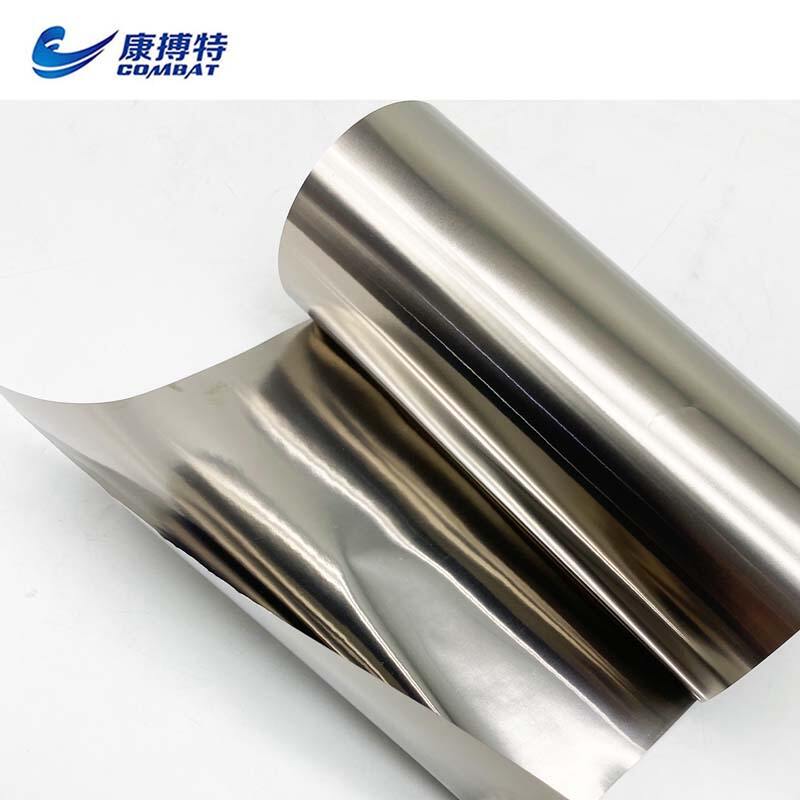
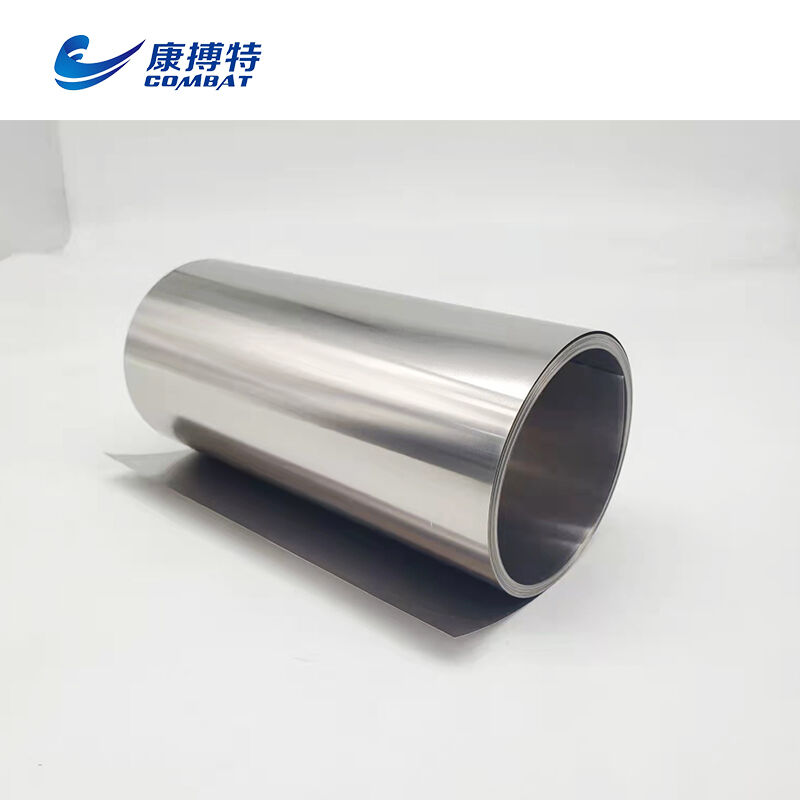
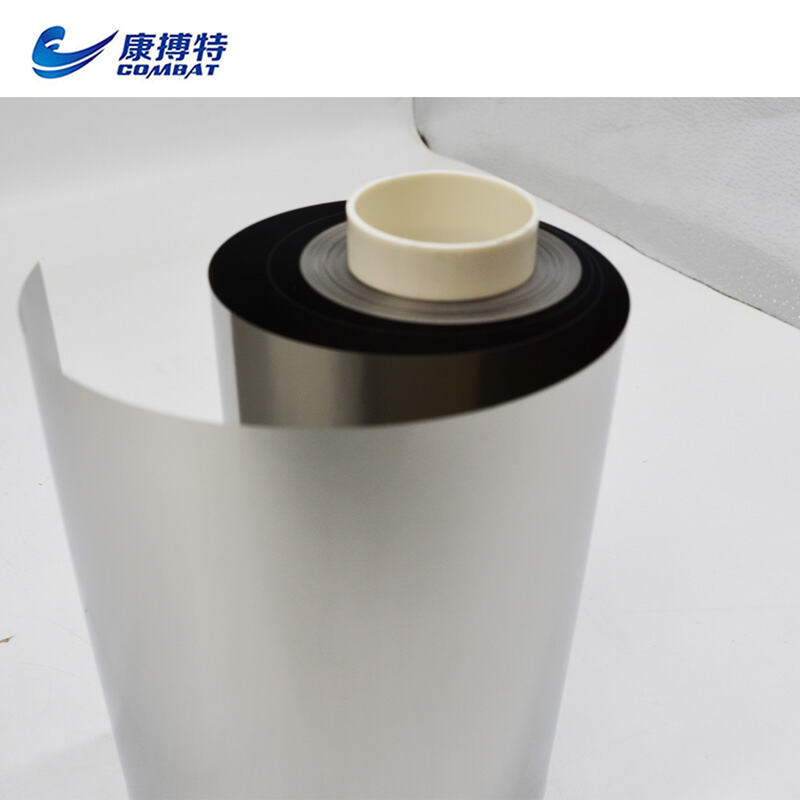
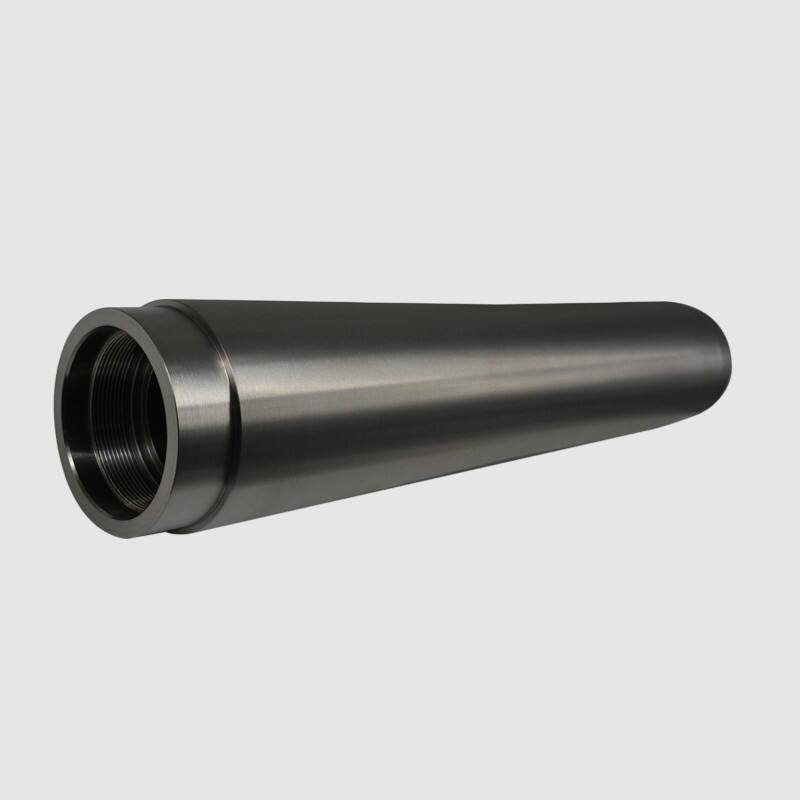
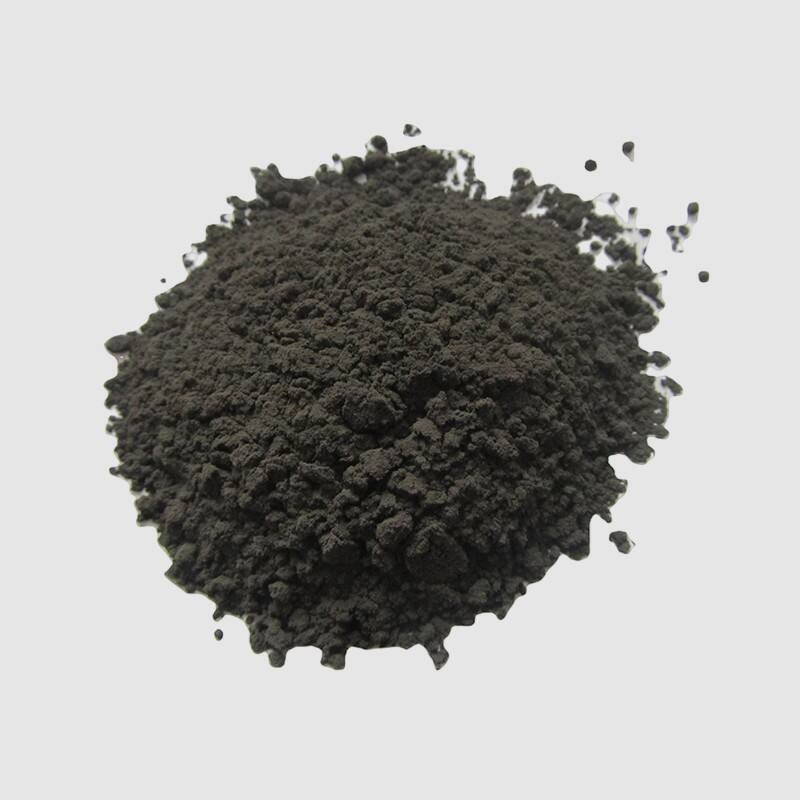
Tungsten copper represents a sophisticated composite material that combines the exceptional properties of tungsten with the superior conductivity of copper. This engineered alloy typically contains 10 to 50 percent copper by weight, with the remainder being tungsten, creating a material that delivers outstanding performance in demanding industrial applications. The manufacturing process involves powder metallurgy techniques, where tungsten and copper powders are blended, compacted, and sintered at high temperatures to form a dense, homogeneous structure. This unique composition allows tungsten copper to maintain structural integrity at elevated temperatures while providing excellent electrical and thermal conductivity. The material serves critical functions in electrical contact applications, where it must withstand repeated arcing and high current loads without degrading. Its technological features include a low coefficient of thermal expansion, high melting point exceeding 3000 degrees Celsius for the tungsten matrix, and thermal conductivity ranging from 180 to 230 watts per meter-kelvin depending on composition. These characteristics make tungsten copper indispensable in resistance welding electrodes, electrical discharge machining electrodes, and high-voltage circuit breakers. The aerospace industry relies on this material for rocket nozzle components and heat shields, where extreme temperatures and thermal shock resistance are paramount. In electronics manufacturing, tungsten copper serves as heat sinks for high-power semiconductor devices, effectively dissipating heat while maintaining dimensional stability. The material also finds applications in military and defense systems, particularly in kinetic energy penetrators and radiation shielding. Medical equipment manufacturers utilize tungsten copper in X-ray targets and radiation therapy equipment due to its density and thermal management capabilities. The automotive sector employs this composite in spark erosion tooling and precision welding applications. As industries continue pushing performance boundaries, tungsten copper remains an essential material solution for applications requiring the simultaneous delivery of thermal management, electrical conductivity, and mechanical strength under extreme operating conditions.

New Products

Choosing tungsten copper delivers measurable benefits that directly impact your operational efficiency and product longevity. This material excels in thermal management, rapidly conducting heat away from critical components while maintaining its shape and mechanical properties even when temperatures soar. Unlike pure copper that softens at high temperatures or pure tungsten that lacks conductivity, this composite gives you the best of both worlds. Your equipment experiences less downtime because tungsten copper electrodes and contacts resist wear from electrical arcing, lasting significantly longer than conventional materials. This extended service life translates to reduced replacement costs and fewer production interruptions. The material handles thermal shock exceptionally well, meaning it will not crack or deform when subjected to rapid temperature changes that would damage other materials. You gain precision in manufacturing processes because tungsten copper maintains tight dimensional tolerances across wide temperature ranges, ensuring consistent part quality. Its high density provides effective radiation shielding in compact designs, allowing you to build smaller, lighter equipment without compromising safety. The electrical conductivity of tungsten copper enables efficient current transfer with minimal energy loss, reducing power consumption and heat generation in your systems. When you use this material in welding applications, you achieve cleaner welds with fewer defects because the electrodes maintain their shape and do not contaminate the weld pool. The non-magnetic properties of tungsten copper make it ideal for sensitive electronic applications where magnetic interference could cause problems. You can machine this material to tight tolerances using conventional methods, though it requires appropriate tooling due to its hardness. The corrosion resistance of tungsten copper protects your investment in harsh environments where moisture and chemicals would degrade lesser materials. Its compatibility with vacuum environments makes it suitable for semiconductor manufacturing and scientific instruments. The material can be brazed or soldered to other metals, facilitating integration into complex assemblies. You benefit from consistent material properties across production batches, ensuring reliable performance in critical applications. The combination of strength and conductivity allows designers to create more compact devices without sacrificing performance or reliability. Industries worldwide trust tungsten copper because it delivers predictable, repeatable results in applications where failure is not an option, providing peace of mind alongside technical performance.

Practical Tips

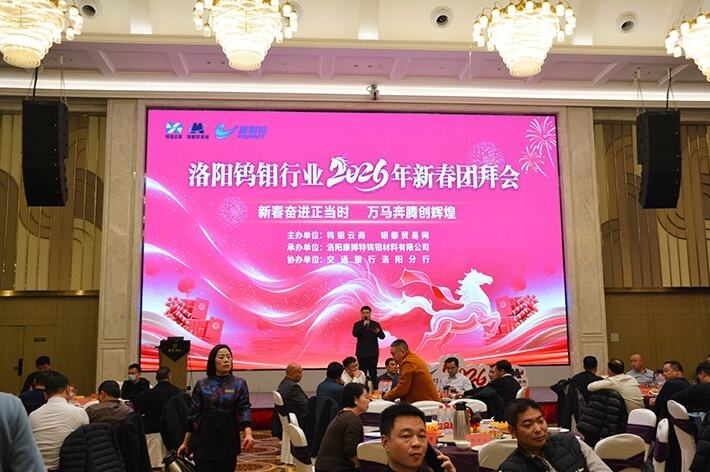
Gathering in Luoyang for Tungsten & Molybdenum, Uniting Hearts to Forge a New Dream Forward​

24

Apr

Gathering in Luoyang for Tungsten & Molybdenum, Uniting Hearts to Forge a New Dream Forward​

View More
International Ferroalloys 2025

24

Apr

International Ferroalloys 2025

View More
The Grand Opening Of The 2025 China International Powder Metallurgy, Hard Alloy And Advanced Ceramics Exhibition

24

Apr

The Grand Opening Of The 2025 China International Powder Metallurgy, Hard Alloy And Advanced Ceramics Exhibition

View More
Luoyang Combat Tungsten & Molybdenum Materials Co., Ltd. Shines at Asia Ferroalloys 2025 Conference to Forge Global Collaboration Opportunities

24

Apr

Luoyang Combat Tungsten & Molybdenum Materials Co., Ltd. Shines at Asia Ferroalloys 2025 Conference to Forge Global Collaboration Opportunities

View More

Get a Free Quote

Our representative will contact you soon.
Email
Name
Country/Region
Mobile/WhatsApp
Product Name
Message
0/1000

tungsten copper

Superior Thermal and Electrical Performance in Extreme Environments

Superior Thermal and Electrical Performance in Extreme Environments

Tungsten copper stands out for its remarkable ability to manage both thermal and electrical demands simultaneously, a combination rarely achieved in engineering materials. The copper phase within the composite provides thermal conductivity values between 180 and 230 watts per meter-kelvin, enabling rapid heat dissipation from hot spots that would otherwise cause component failure. This thermal management capability proves critical in high-power electronics, where semiconductor devices generate intense localized heat that must be removed quickly to prevent thermal runaway and device degradation. The tungsten matrix contributes structural stability and a high melting point, ensuring the material maintains its integrity when surface temperatures exceed 1000 degrees Celsius. This dual-phase structure creates a material that conducts electricity efficiently while resisting the softening and deformation that plague pure copper at elevated temperatures. In electrical discharge machining applications, tungsten copper electrodes maintain sharp edges and fine details even after thousands of discharge cycles, producing precision cavities and features that meet stringent dimensional requirements. The material's low coefficient of thermal expansion, typically ranging from 6 to 8 parts per million per degree Celsius depending on composition, minimizes dimensional changes during thermal cycling. This stability ensures that components maintain proper fit and alignment in assemblies subjected to temperature variations. Resistance welding operations benefit enormously from tungsten copper electrodes that deliver consistent weld quality across extended production runs. The electrodes resist mushrooming and pitting caused by repeated high-current pulses, maintaining proper contact geometry that ensures uniform current distribution and heat generation at the weld interface. In power generation and distribution systems, tungsten copper contacts in circuit breakers and switches handle fault currents without welding together or eroding excessively. The material's arc resistance stems from the tungsten phase, which has an extremely high boiling point and does not vaporize easily under arcing conditions. Meanwhile, the copper phase quickly conducts away the heat generated by arcing, preventing localized melting and material loss. This combination extends contact life by factors of three to five compared to conventional contact materials, reducing maintenance requirements and improving system reliability.
Exceptional Durability and Wear Resistance for Extended Service Life

Exceptional Durability and Wear Resistance for Extended Service Life

The longevity of tungsten copper components delivers substantial economic advantages through reduced replacement frequency and lower lifecycle costs. The hardness of the tungsten phase, combined with the ductility of copper, creates a material that resists mechanical wear, electrical erosion, and thermal fatigue. In spot welding applications, electrodes made from tungsten copper typically last two to three times longer than pure copper electrodes, significantly reducing tooling costs and production downtime for electrode changes. The material withstands the mechanical pressure applied during welding while conducting the high currents necessary to generate fusion heat, all without degrading rapidly. Electrical contacts in high-voltage switchgear experience severe conditions during operation, including mechanical impact, electrical arcing, and thermal stress. Tungsten copper contacts maintain their functionality through hundreds of thousands of switching cycles, far exceeding the performance of silver-based or copper-based alternatives. The tungsten particles distributed throughout the copper matrix act as reinforcement, preventing the material from flowing or deforming under the combined mechanical and thermal loads encountered during service. This microstructural stability ensures that contact surfaces remain flat and smooth, maintaining low contact resistance and minimizing heat generation at the interface. In aerospace applications, tungsten copper components in rocket nozzles and thrust chambers endure extreme thermal gradients and erosive combustion gases. The material's resistance to thermal shock prevents crack formation that would compromise structural integrity, while its erosion resistance maintains the precise internal geometry necessary for optimal engine performance. Manufacturing tools made from tungsten copper, such as dies and punches for hot forming operations, maintain their dimensions and surface finish through extended production runs. The material does not gall or seize when in contact with hot workpieces, and its wear resistance ensures that formed parts meet dimensional specifications consistently. The combination of properties in tungsten copper eliminates the need for frequent tool replacement or refurbishment, improving manufacturing efficiency and reducing per-part costs. Medical equipment utilizing tungsten copper components benefits from the material's stability and reliability, as device failures in clinical settings can have serious consequences. X-ray tube anodes made from tungsten copper dissipate heat effectively while withstanding the thermal stress of repeated exposure cycles, ensuring consistent imaging quality and extended tube life.
Versatile Manufacturing Capabilities and Design Flexibility

Versatile Manufacturing Capabilities and Design Flexibility

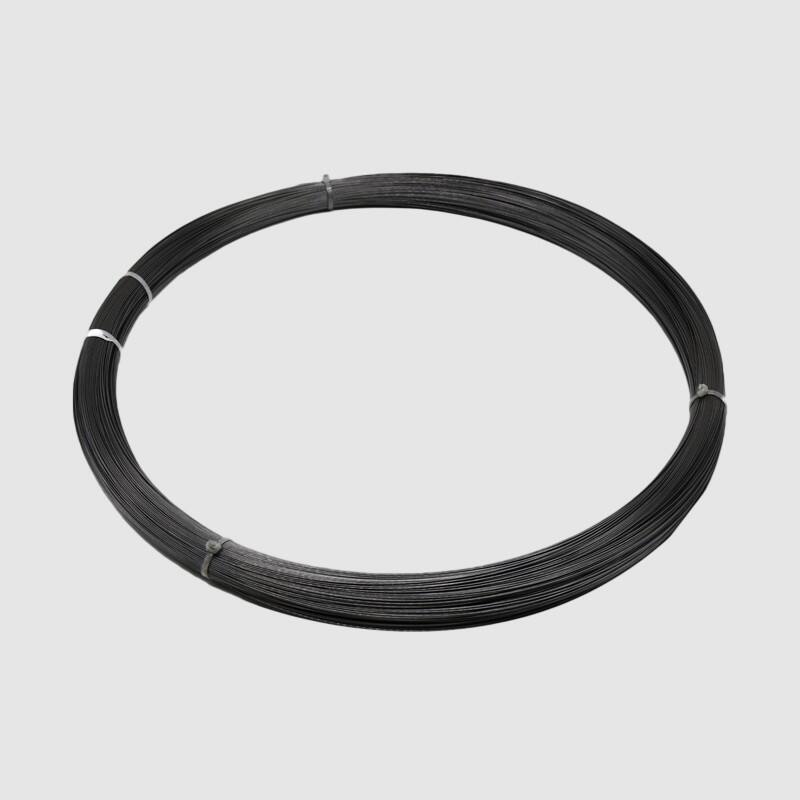
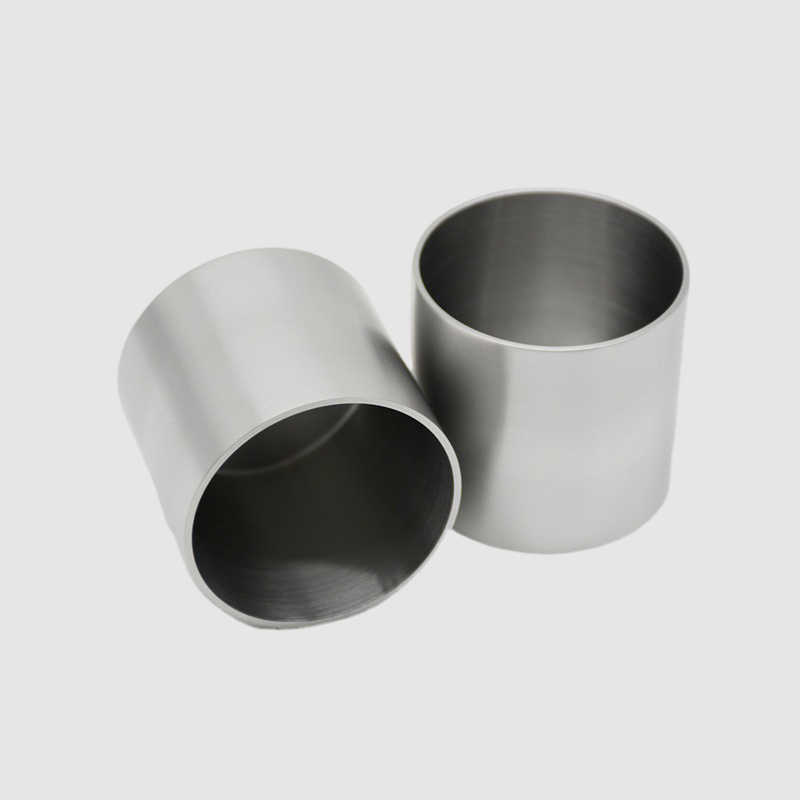
Tungsten copper offers designers and engineers remarkable flexibility in creating components tailored to specific application requirements. The powder metallurgy manufacturing process allows precise control over composition, enabling customization of properties to match performance needs. Compositions with higher copper content provide enhanced thermal and electrical conductivity for applications where heat dissipation is paramount, while tungsten-rich formulations deliver superior high-temperature strength and wear resistance for demanding mechanical applications. Manufacturers can produce tungsten copper in various forms, including rods, plates, tubes, and complex near-net shapes that minimize subsequent machining requirements. This versatility reduces material waste and manufacturing costs compared to starting with oversized blanks that require extensive material removal. The material can be machined using conventional methods such as turning, milling, drilling, and grinding, though carbide or diamond tooling is recommended due to the hardness of the tungsten phase. Electrical discharge machining proves particularly effective for creating intricate features and tight tolerances in tungsten copper components, as the process removes material through controlled electrical discharges rather than mechanical cutting forces. Surface treatments and coatings can be applied to tungsten copper to further enhance specific properties. Electroplating with silver or gold improves electrical contact performance, while thermal barrier coatings protect against extreme temperatures in aerospace applications. The material can be joined to other metals through brazing, soldering, or diffusion bonding, facilitating integration into multi-material assemblies. This joinability allows engineers to use tungsten copper selectively in high-stress areas while employing more economical materials elsewhere in the structure. The dimensional stability of tungsten copper throughout manufacturing and service simplifies quality control and ensures consistent component performance. Parts maintain their as-manufactured dimensions even when subjected to thermal cycling or mechanical stress, eliminating the need for oversized tolerances that compromise fit and function. Designers can specify tighter clearances and more precise alignments, improving overall system performance. The material's predictable behavior under various loading conditions enables accurate finite element analysis and simulation during the design phase, reducing the need for extensive physical prototyping. Industries ranging from electronics to aerospace leverage these manufacturing advantages to create innovative solutions that would be impossible with conventional materials, pushing the boundaries of performance and efficiency.

Get a Free Quote

Our representative will contact you soon.
Email
Name
Country/Region
Mobile/WhatsApp
Product Name
Message
0/1000