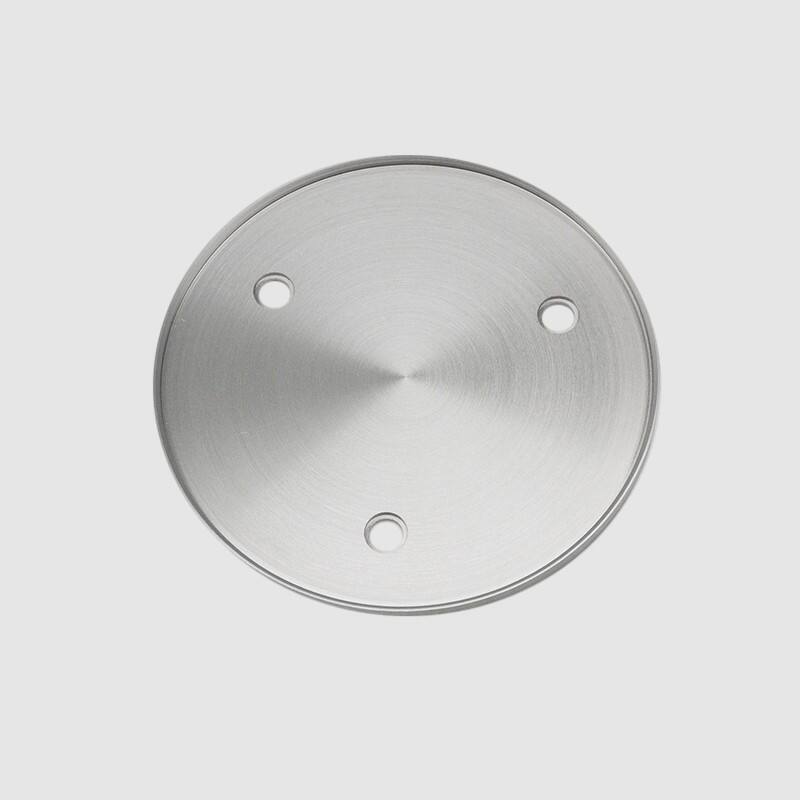
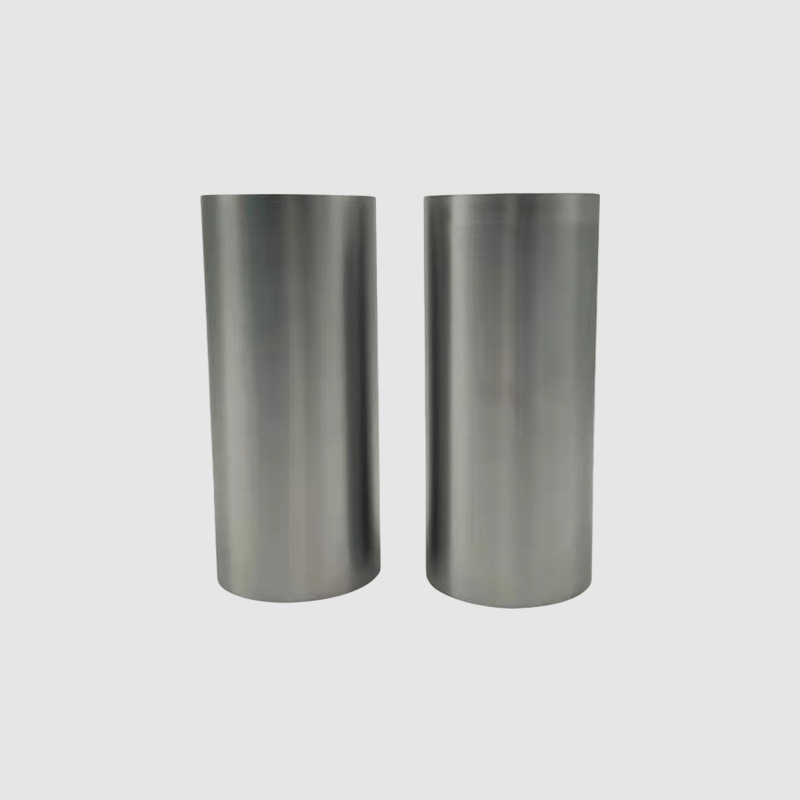
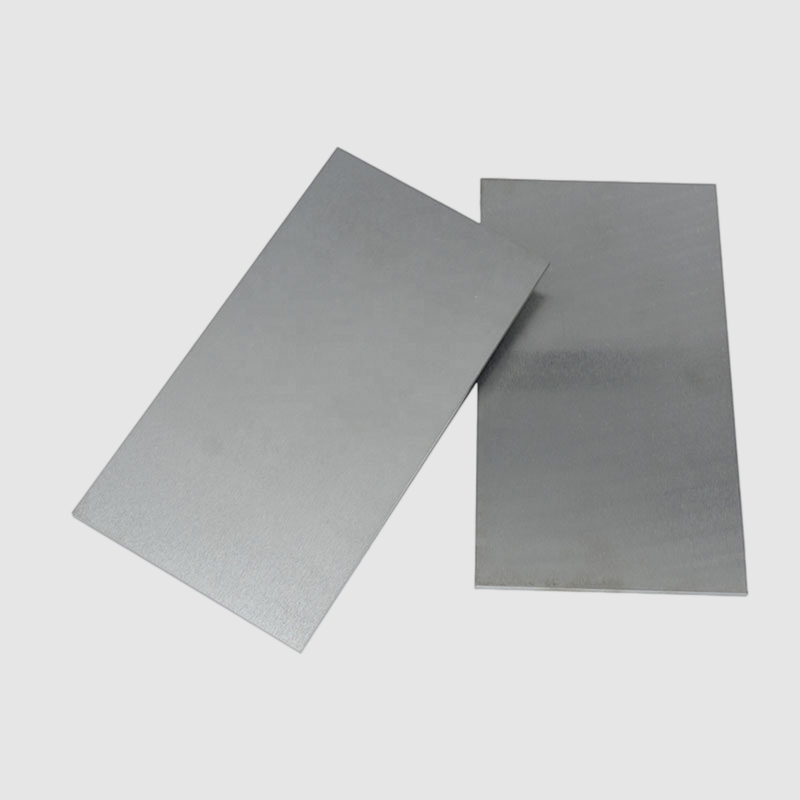
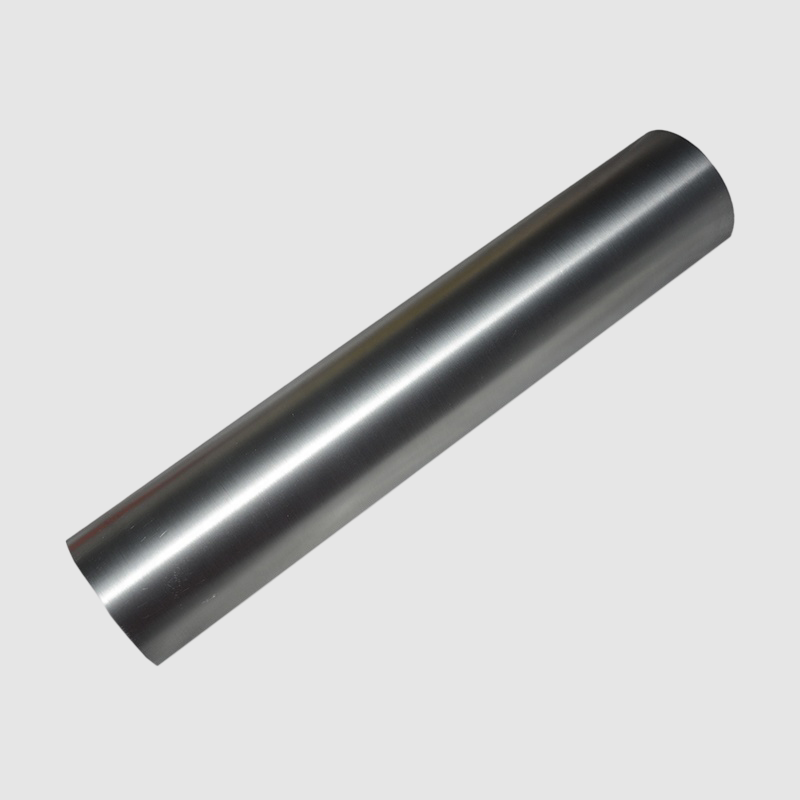
copper tungsten electrodes
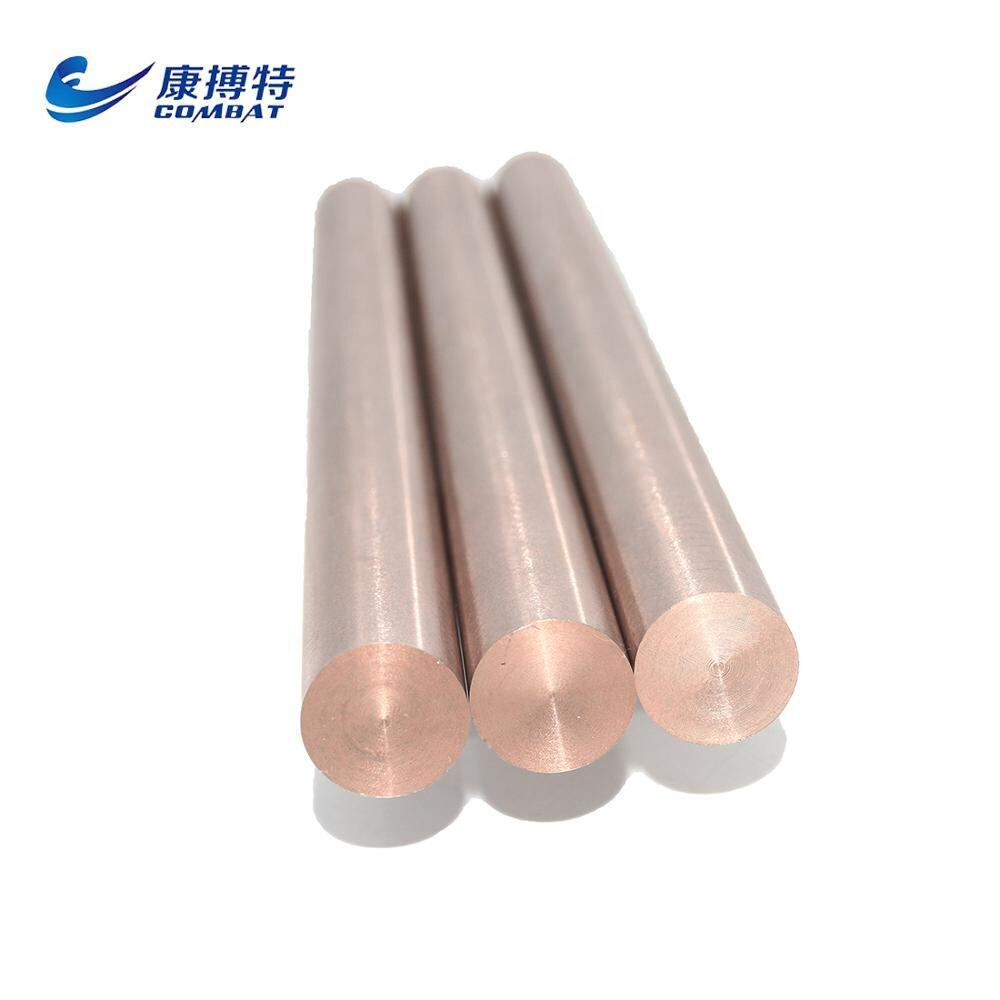
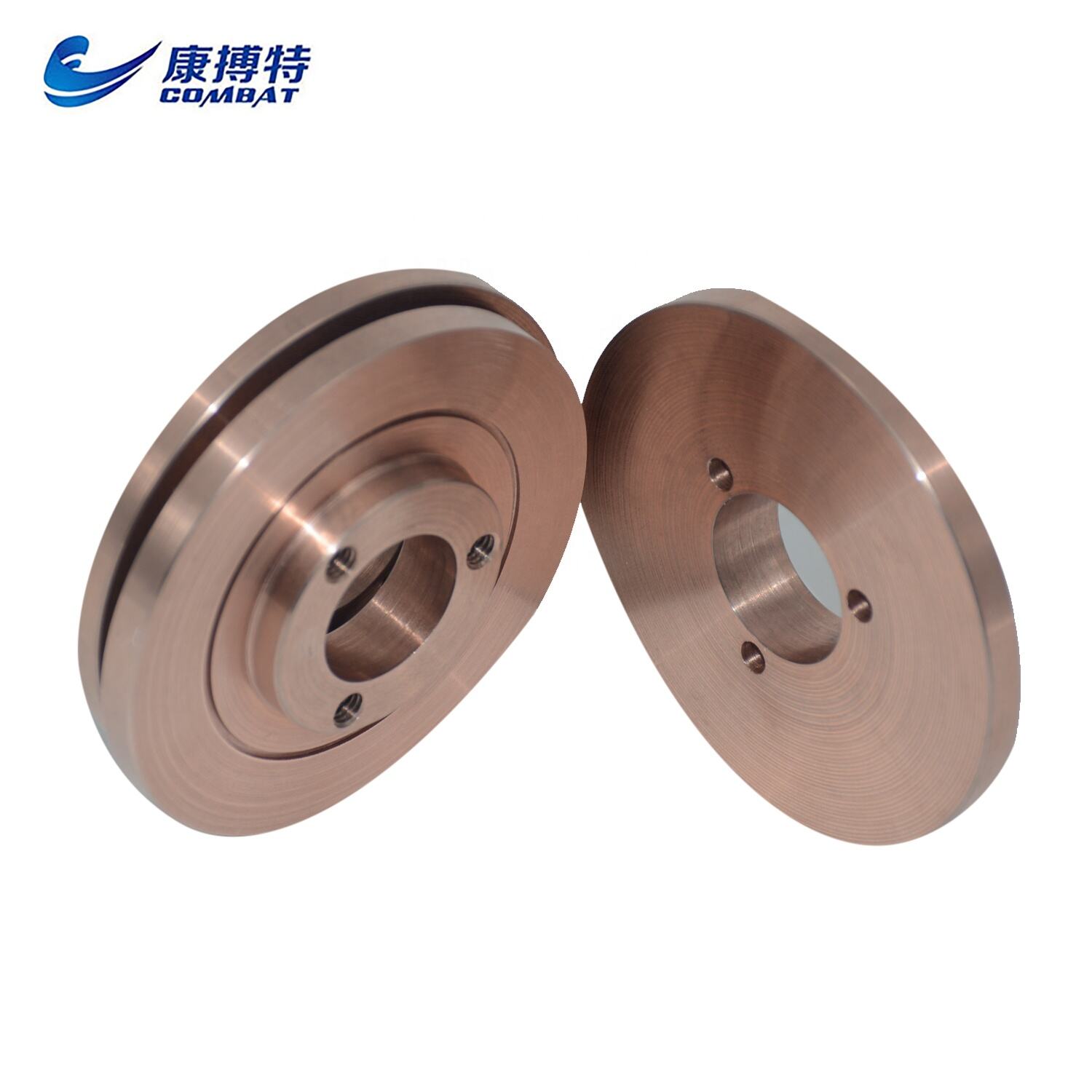
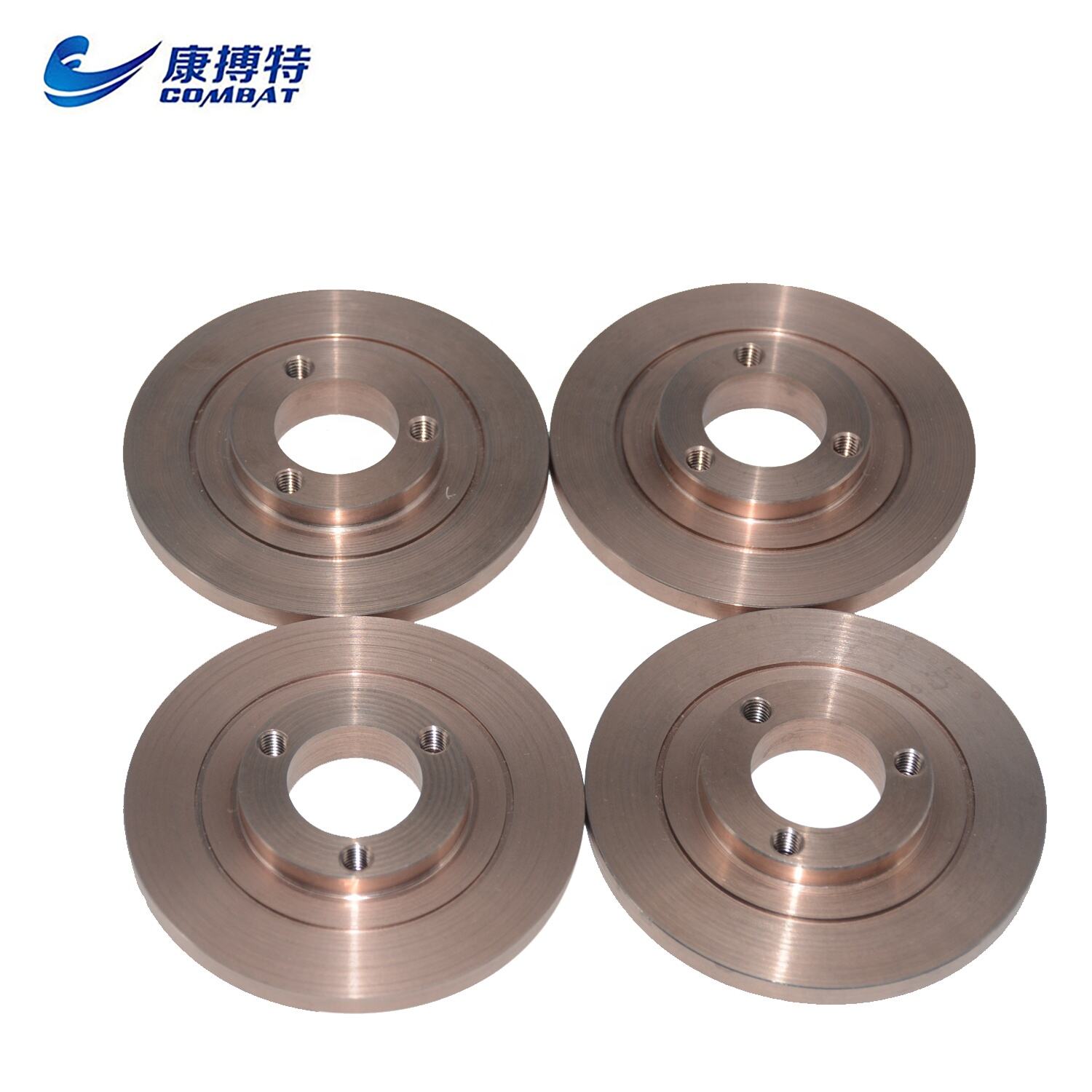
Copper tungsten electrodes represent a sophisticated fusion of two distinct metals, combining copper's excellent electrical and thermal conductivity with tungsten's exceptional hardness and high melting point. These composite electrodes are manufactured through powder metallurgy techniques, where copper and tungsten powders are blended, compacted, and sintered to create a homogeneous material with properties superior to either metal alone. The primary function of copper tungsten electrodes is to serve as electrical discharge machining (EDM) tools, resistance welding contacts, and high-temperature electrical components. In EDM applications, these electrodes efficiently remove material from workpieces through controlled electrical sparks, making them indispensable for precision manufacturing of complex shapes in hardened materials. The technological features of copper tungsten electrodes include their ability to maintain dimensional stability under extreme thermal cycling, resist erosion from electrical arcing, and provide consistent performance throughout extended operational periods. The tungsten content typically ranges from 50 to 90 percent by weight, with higher tungsten concentrations offering greater wear resistance and lower electrical conductivity, while lower tungsten content provides better machinability and thermal management. Applications span multiple industries including aerospace, automotive, electronics, and tool manufacturing. In aerospace applications, copper tungsten electrodes are used for machining turbine blades and other critical components requiring tight tolerances. The automotive industry relies on these electrodes for manufacturing fuel injection systems, transmission components, and engine parts. Electronics manufacturers use them for producing intricate circuit board features and semiconductor components. The material's unique combination of properties makes it particularly valuable for applications requiring both electrical performance and mechanical durability, such as electrical contacts in high-voltage switchgear and circuit breakers where repeated arcing occurs.

 EN