Superior Thermal Management for Critical Electronic Systems
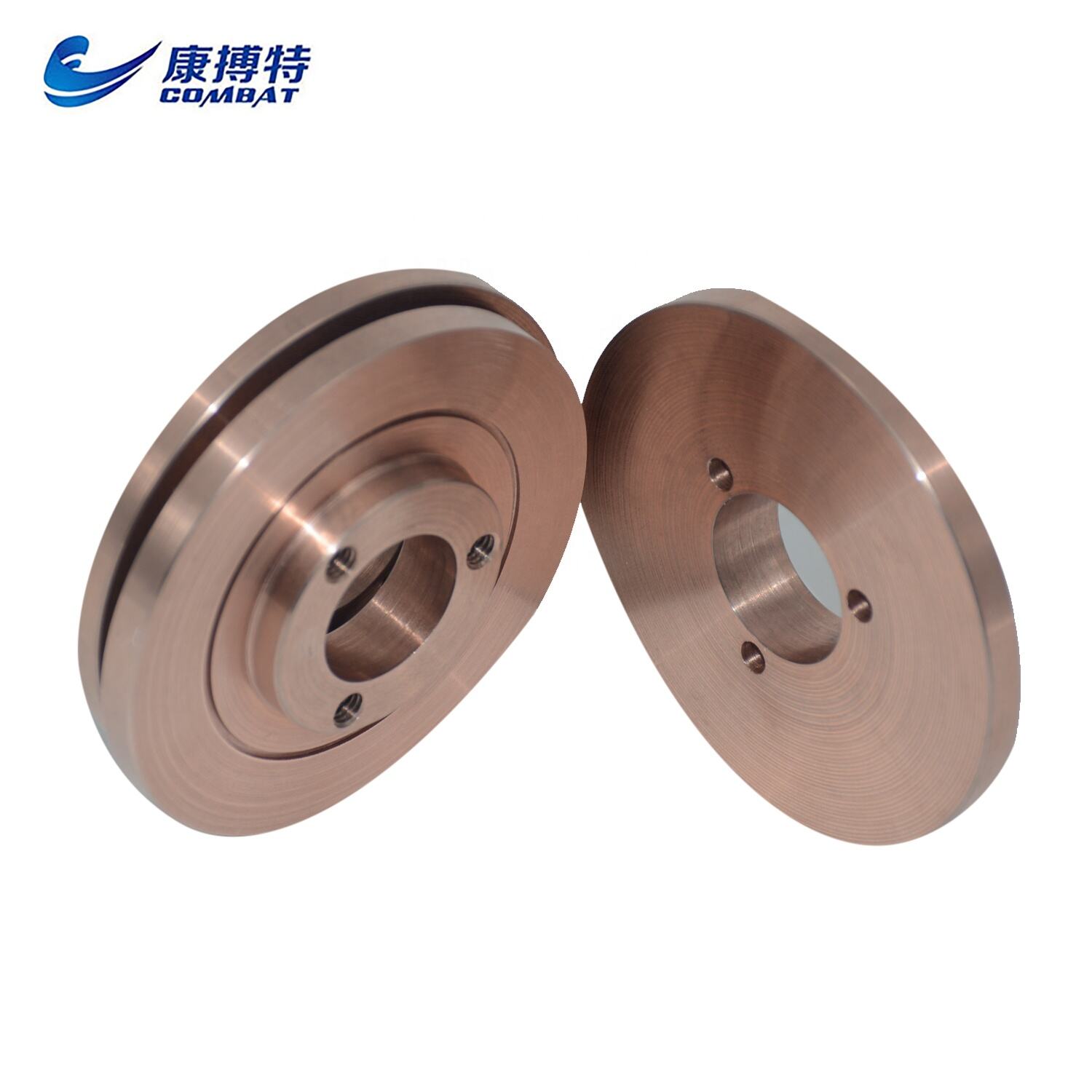
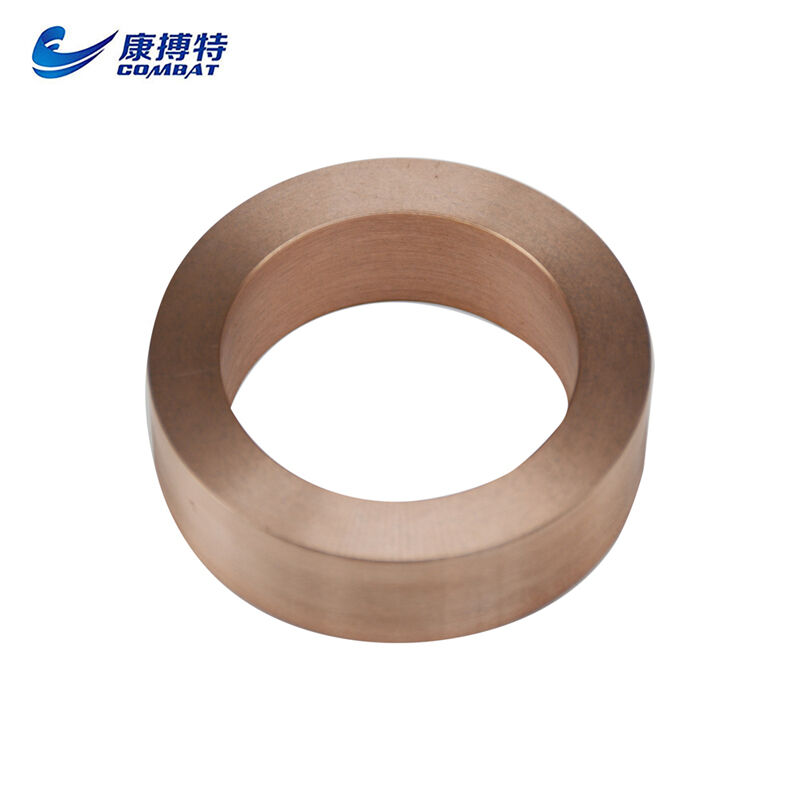
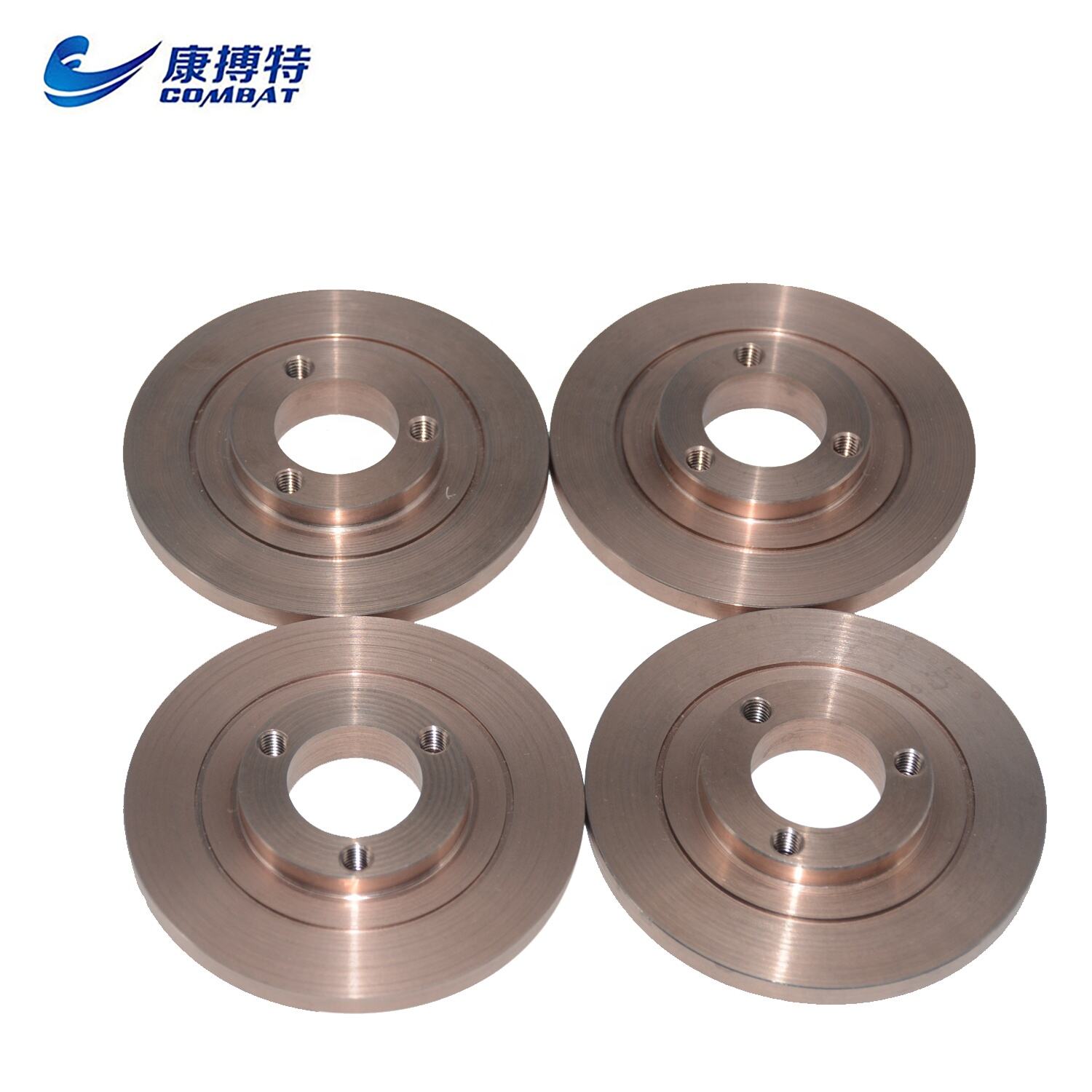
Modern electronics generate substantial heat that must be efficiently removed to prevent component failure and ensure reliable operation. Alloy copper tungsten provides thermal management solutions that outperform traditional materials in challenging applications. The composite combines high thermal conductivity from copper with the low thermal expansion of tungsten, creating an ideal heat spreader for power electronics and high-density integrated circuits. When electronic components operate, they convert some electrical energy into heat. If this heat accumulates, junction temperatures rise, accelerating degradation and potentially causing immediate failure. Heat sinks and thermal spreaders made from alloy copper tungsten rapidly conduct heat away from hot spots, distributing it across a larger area for dissipation. The material's thermal conductivity, while lower than pure copper, remains sufficiently high for most applications while offering superior mechanical properties and thermal expansion matching. This thermal expansion matching proves crucial when bonding the heat spreader to semiconductor substrates or ceramic packages. Mismatched expansion coefficients cause thermal stress during temperature cycling, leading to delamination, cracking, or solder joint failure. By adjusting the copper-tungsten ratio, engineers can tailor the expansion coefficient to match silicon, gallium arsenide, or ceramic materials, eliminating this stress and improving reliability. Power modules in electric vehicles, railway systems, and renewable energy inverters rely on alloy copper tungsten baseplates to manage heat from high-power semiconductor switches. These applications demand materials that can handle both high heat flux and mechanical stress from vibration and thermal cycling. The composite delivers on both fronts, providing a robust platform that maintains thermal performance throughout the product lifetime. Laser diode packages use this material as submounts, efficiently removing heat from the tiny laser chip while matching its thermal expansion to prevent stress-induced failures. High-power RF amplifiers in telecommunications base stations incorporate alloy copper tungsten heat spreaders to keep transistors within safe operating temperatures during continuous high-power transmission. The material also finds use in thermal vias and heat slugs within printed circuit boards, providing localized thermal management for hot components.





 EN