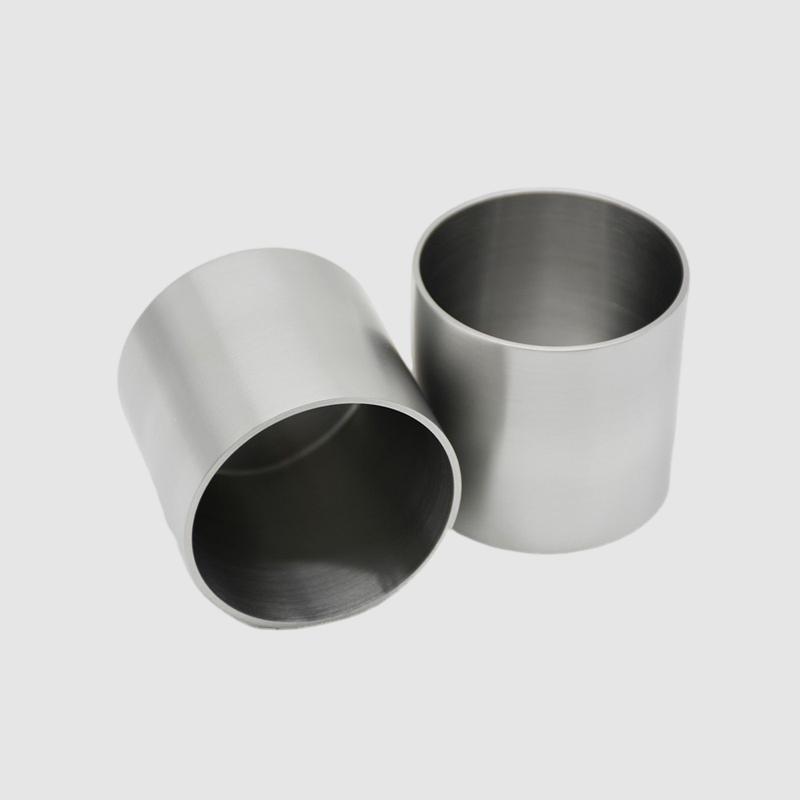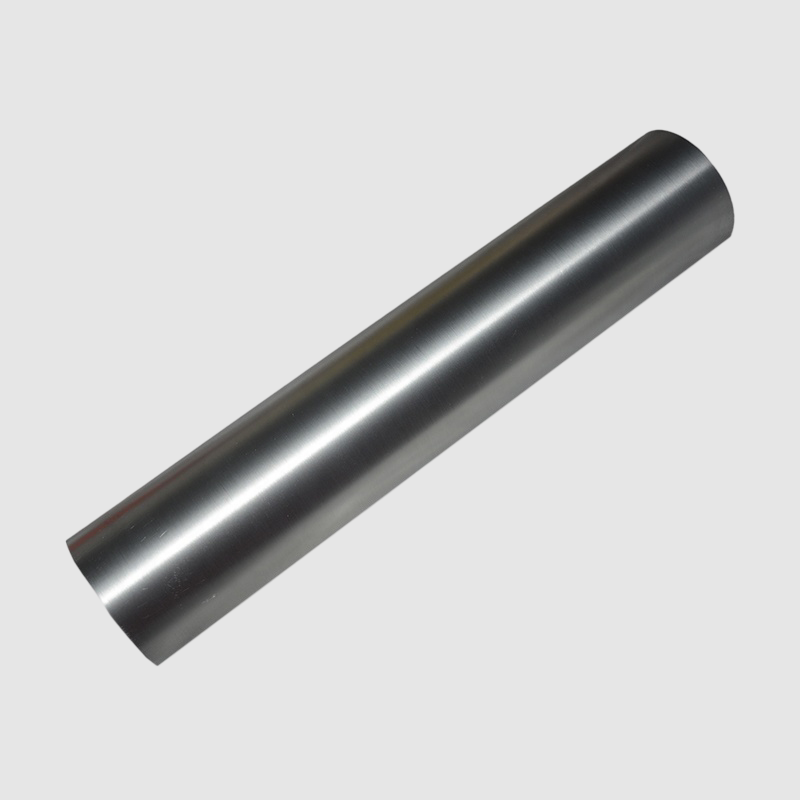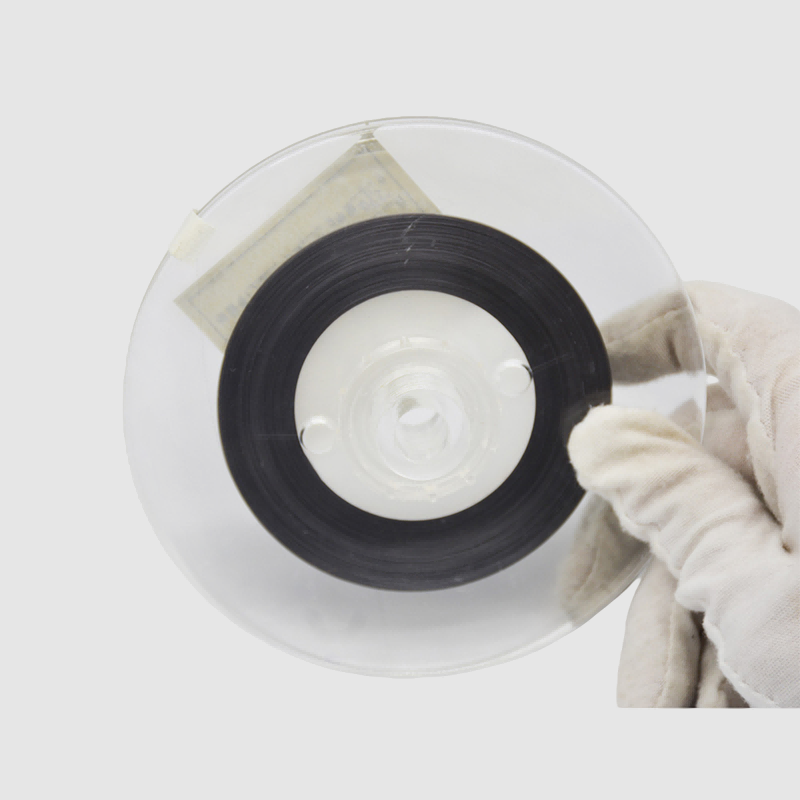
Attribute:
Tungsten Copper Composites are offered with 6~50wt.% Cu.
Advantages:
1. High arc resistance combined with good electrical conductivity;
2. High thermal conductivity;
3. Low thermal expansion;
Product Features:
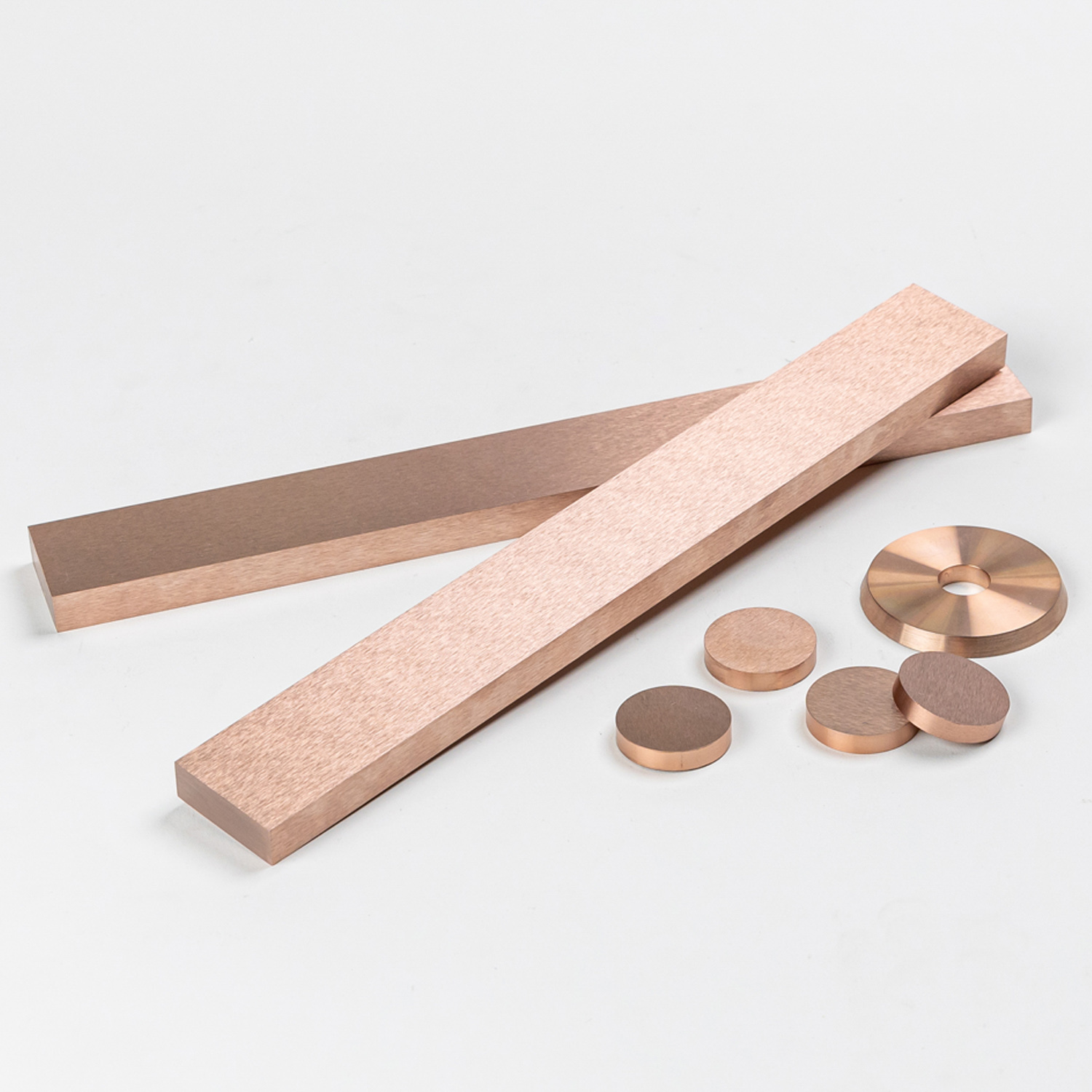
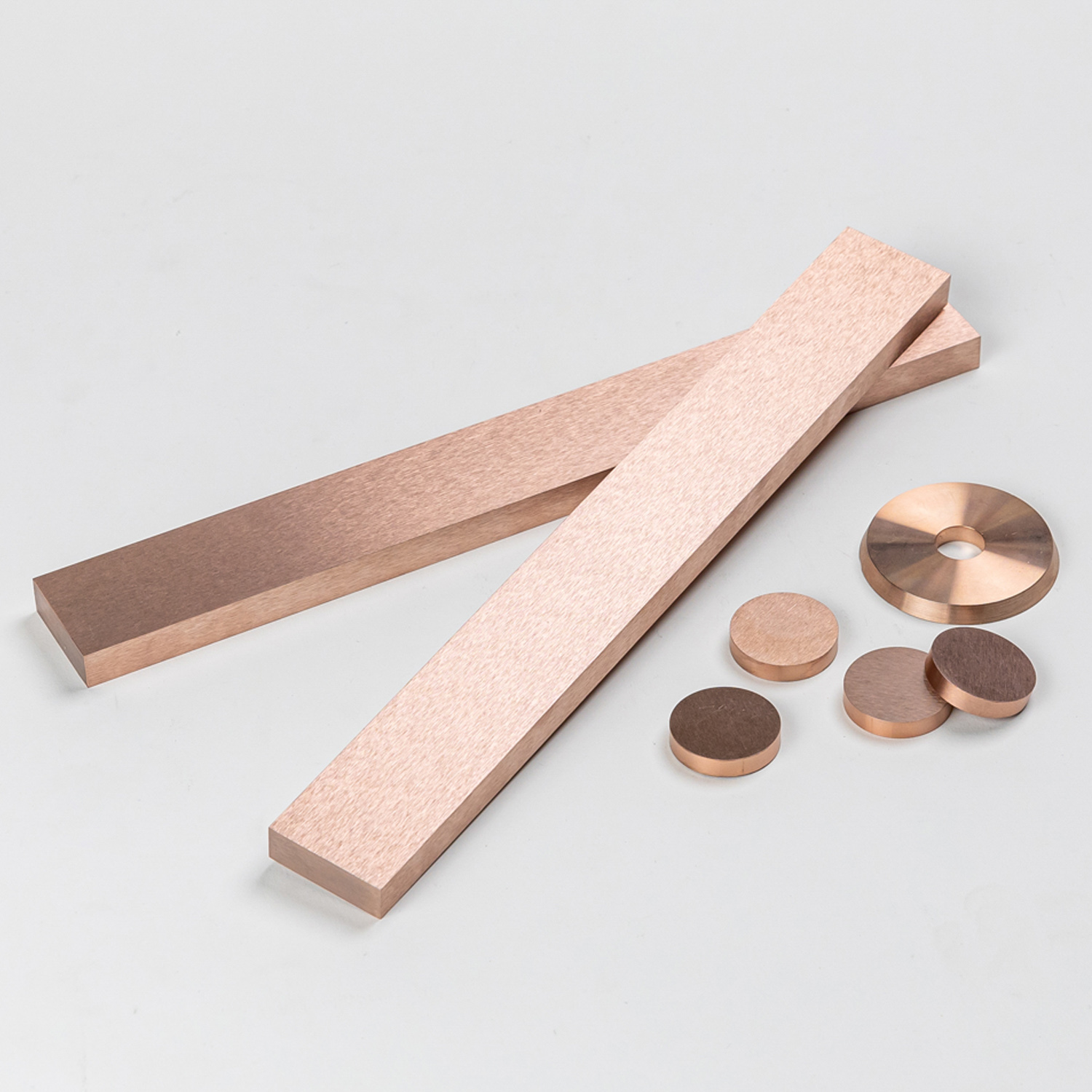
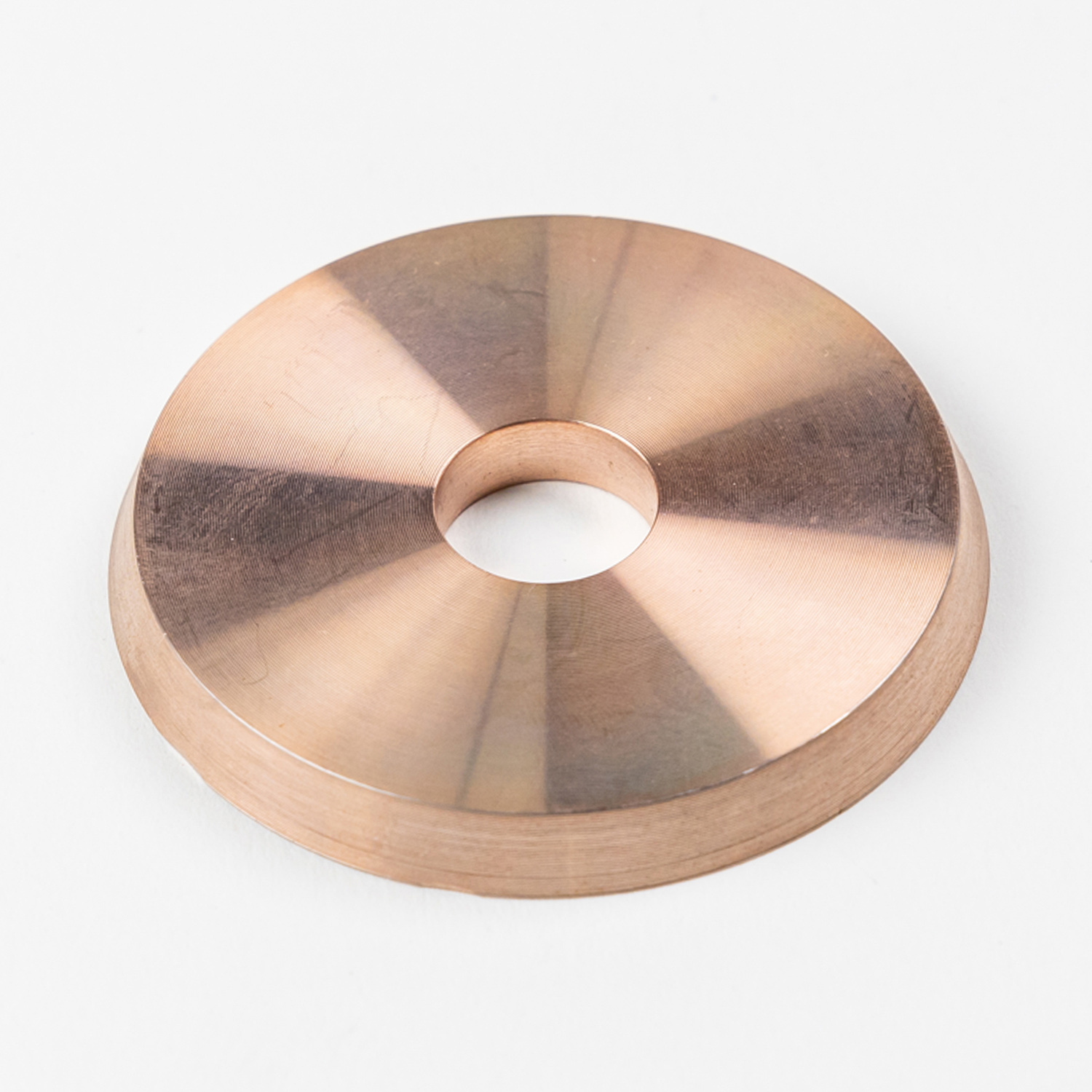
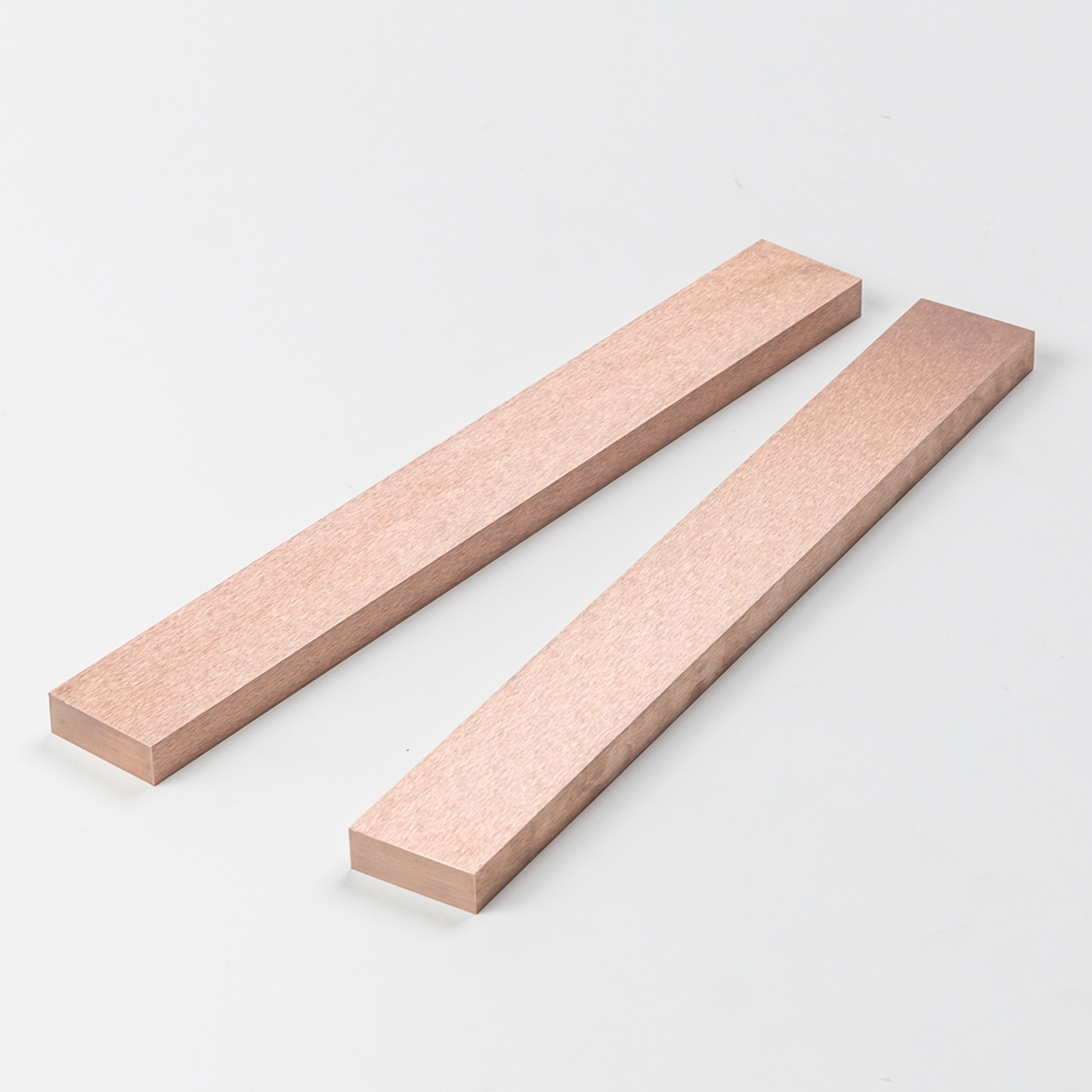
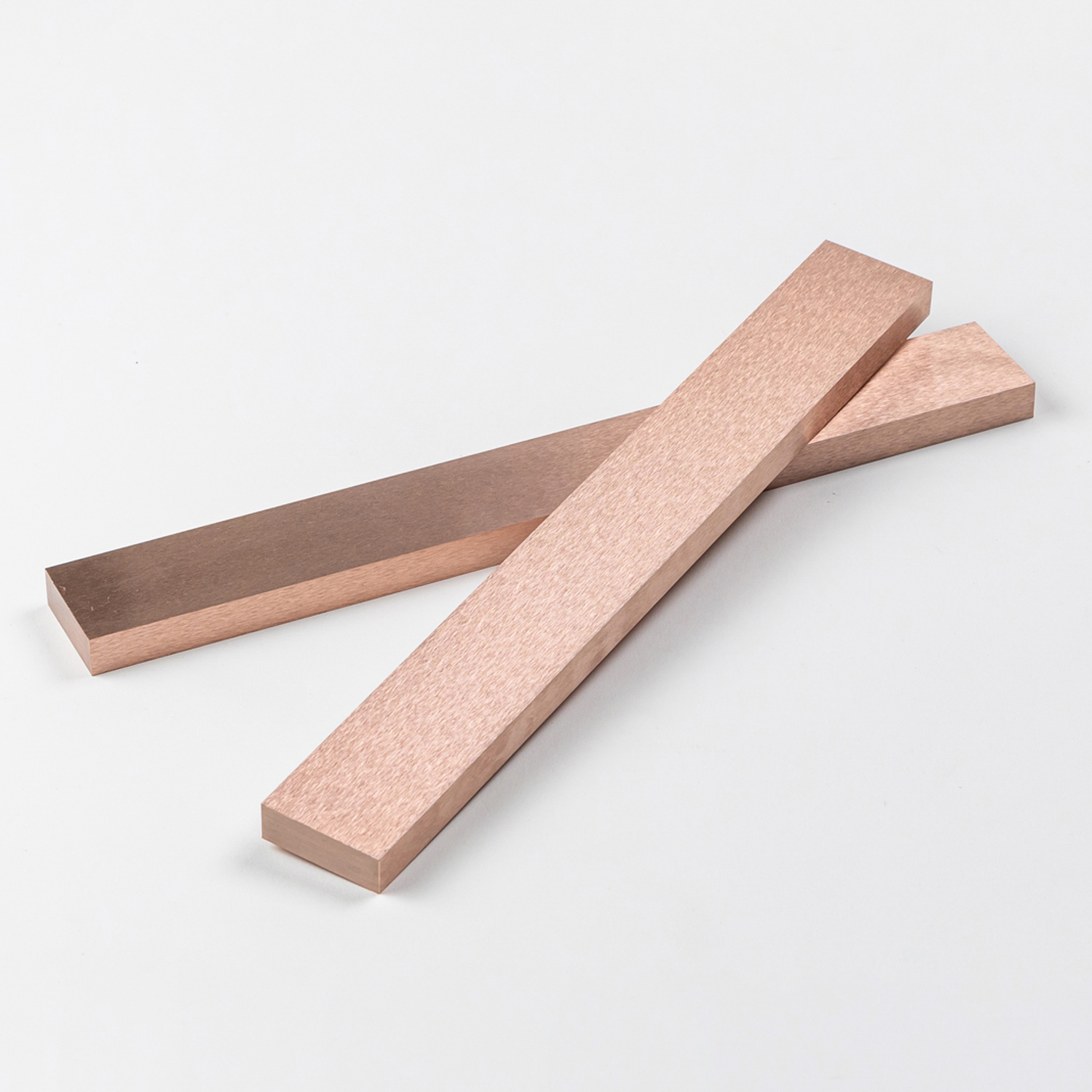
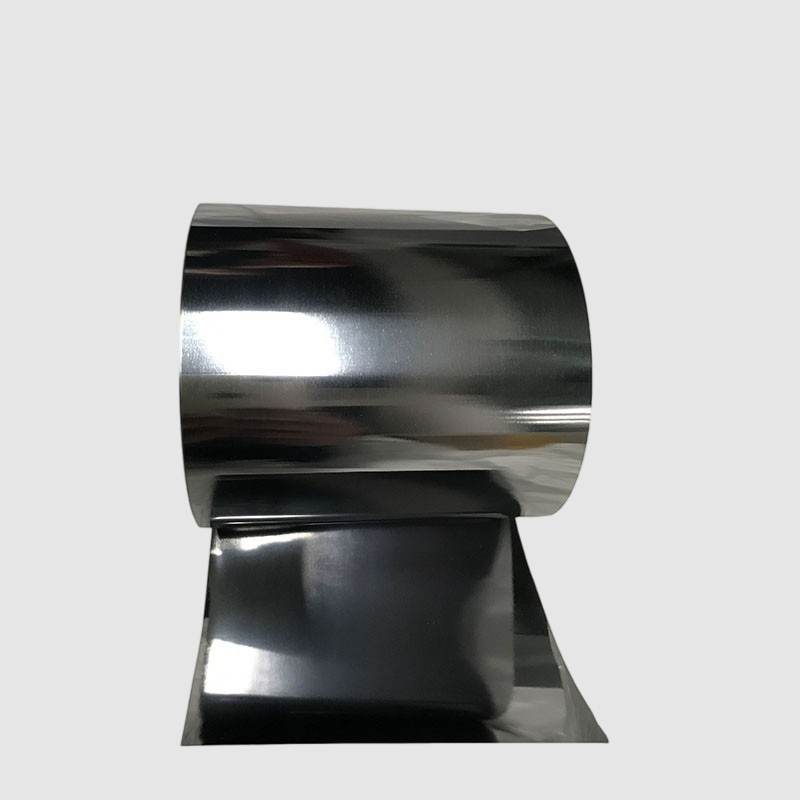
This tungsten-copper alloy plate perfectly combines the advantages of tungsten and copper. It features high density, ultra-high temperature strength and low thermal expansion, maintaining stable dimension under drastic temperature changes. It has excellent electrical and thermal conductivity brought by copper matrix.
With uniform internal composite structure, the plate delivers outstanding arc ablation resistance and ion sputtering resistance, suffering minimal material loss under high-current discharge.
It has good flatness and surface finish, easy for cutting, drilling and precision machining. It resists oxidation at high temperatures without softening or deformation, with consistent performance across the whole plate. It enjoys long service life under heavy loads, commonly used as EDM electrode plates, electronic heat sink substrates and high-voltage switch contact sheets.
Parameter:
Chemical Composition, Physical & Mechanical Properties of Tungsten-Copper Composites:
| Class | Chemical Composition (wt%) | Density | Hardness | Resistivity | IACS | Bending Strength | ||
| Cu | Total Impurities≤ | W | g/cm3 ≥ | HB Kgf/mm2 ≥ | μΩ.cm ≤ | % ≥ | MPa ≥ | |
| W50/Cu50 | 50±2.0 | 0.5 | Balance | 11.85 | 115 | 3.2 | 54 | -- |
| W55/Cu45 | 45±2.0 | 0.5 | Balance | 12.3 | 125 | 3.5 | 49 | -- |
| W60/Cu40 | 40±2.0 | 0.5 | Balance | 12.75 | 140 | 3.7 | 47 | -- |
| W65/Cu35 | 35±2.0 | 0.5 | Balance | 13.3 | 155 | 3.9 | 44 | -- |
| W70/Cu30 | 30±2.0 | 0.5 | Balance | 13.8 | 175 | 4.1 | 42 | 790 |
| W75/Cu25 | 25±2.0 | 0.5 | Balance | 14.5 | 195 | 4.5 | 38 | 885 |
| W80/Cu20 | 20±2.0 | 0.5 | Balance | 15.15 | 220 | 5 | 34 | 980 |
| W85/Cu15 | 15±2.0 | 0.5 | Balance | 15.9 | 240 | 5.7 | 30 | 1080 |
| W90/Cu10 | 10±2.0 | 0.5 | Balance | 16.75 | 260 | 6.5 | 27 | 1160 |
Applications:
1. Arcing contacts and vaccum contacts in high and medium voltage breakers or vaccum interruptors;
2. Electrodes in electric spark erosion cutting machines;
3. Electrodes for resistance welding;

 EN
EN