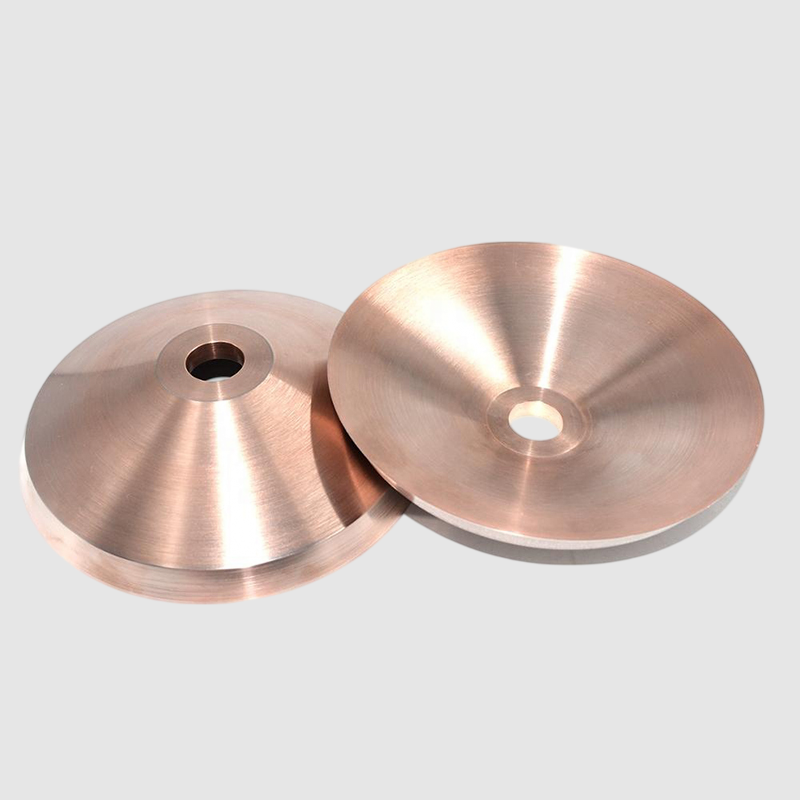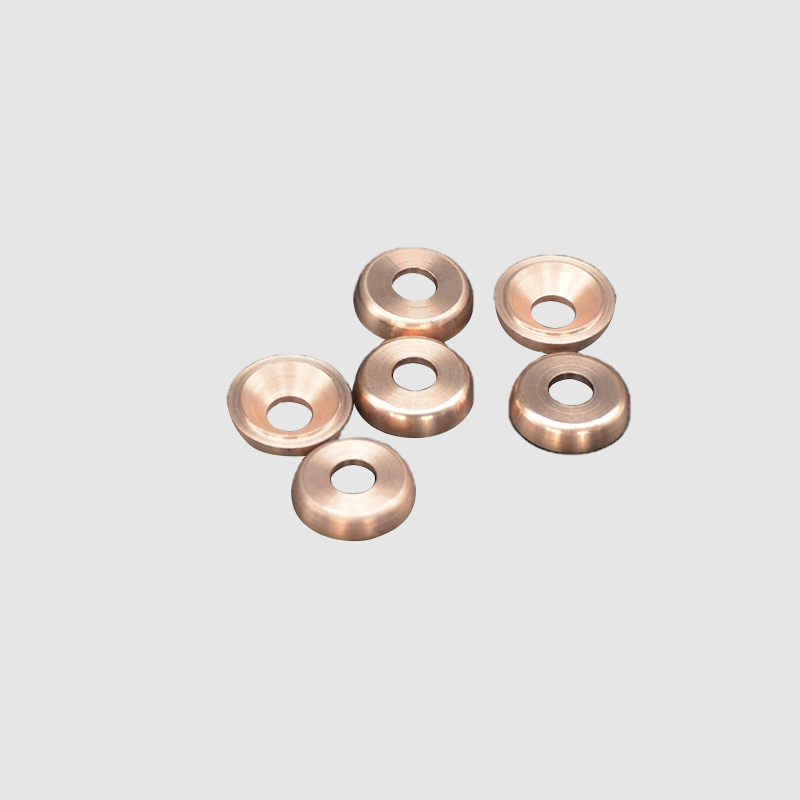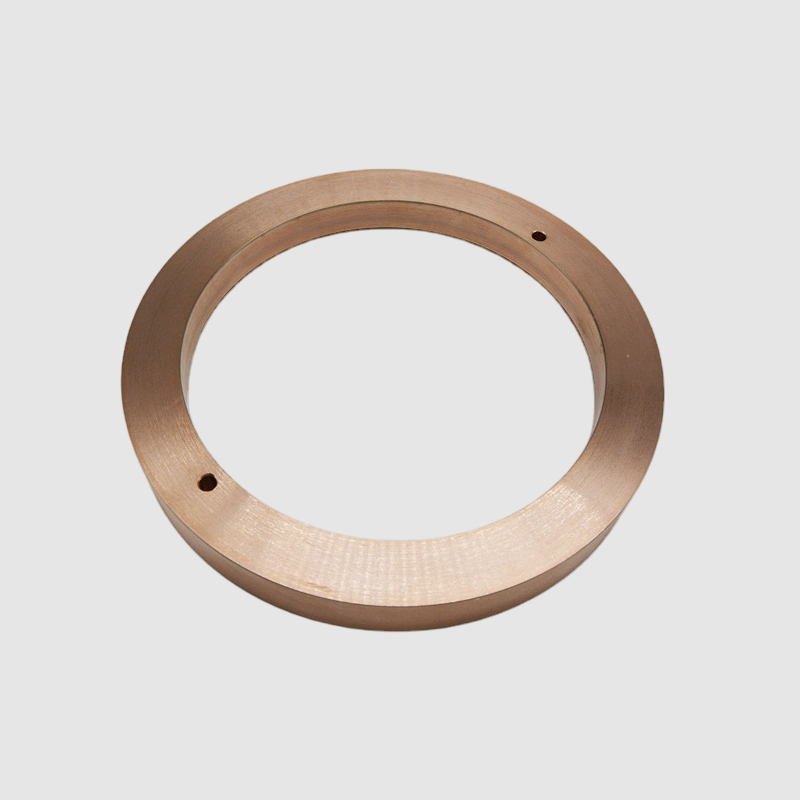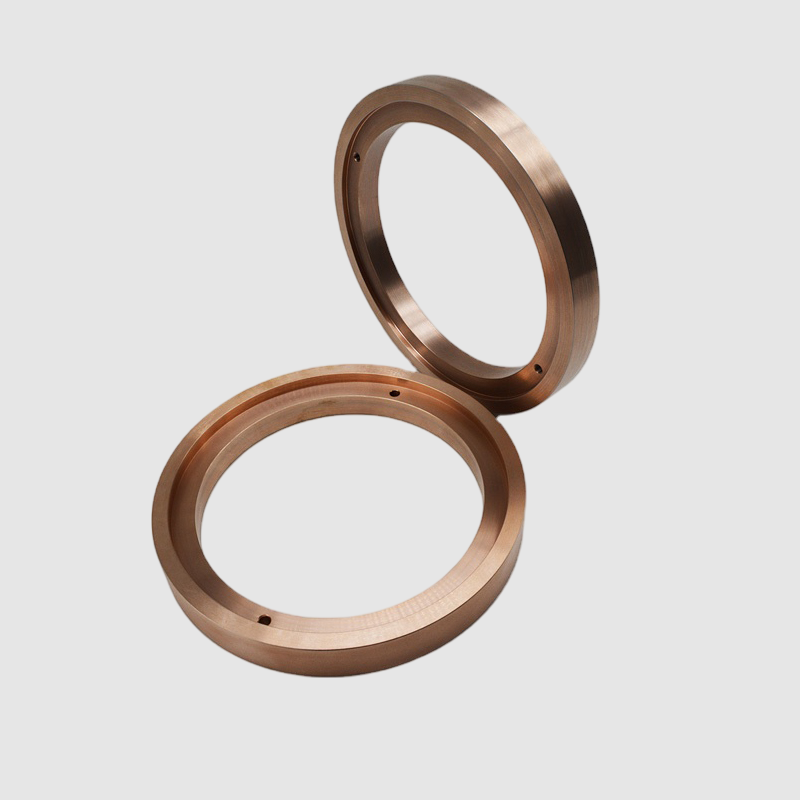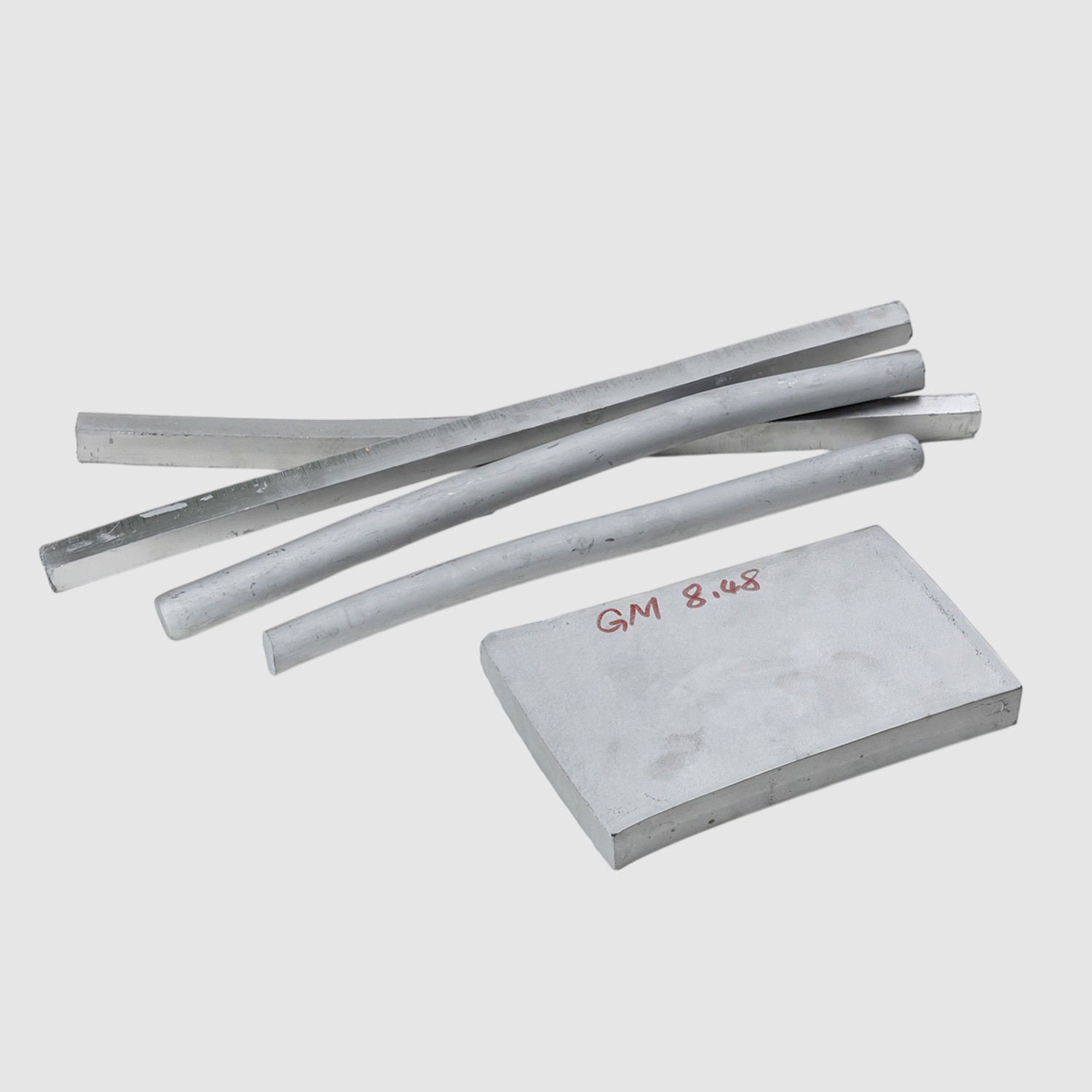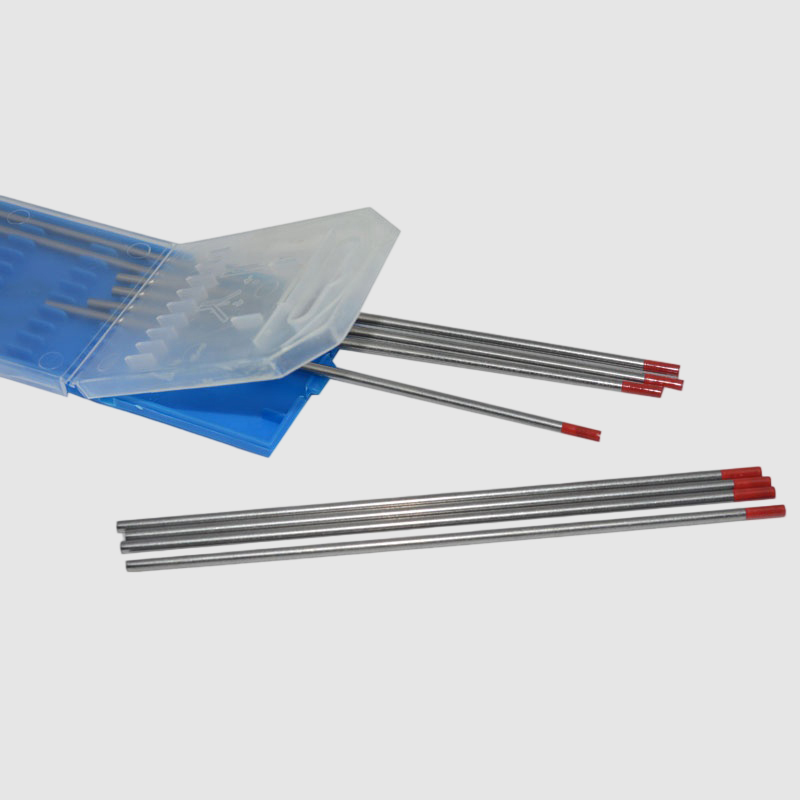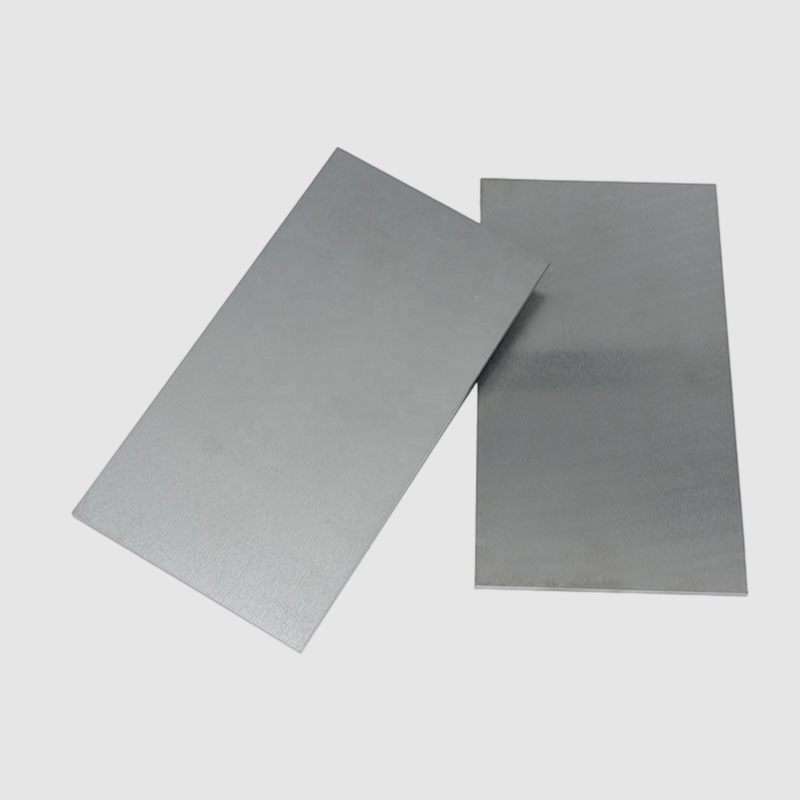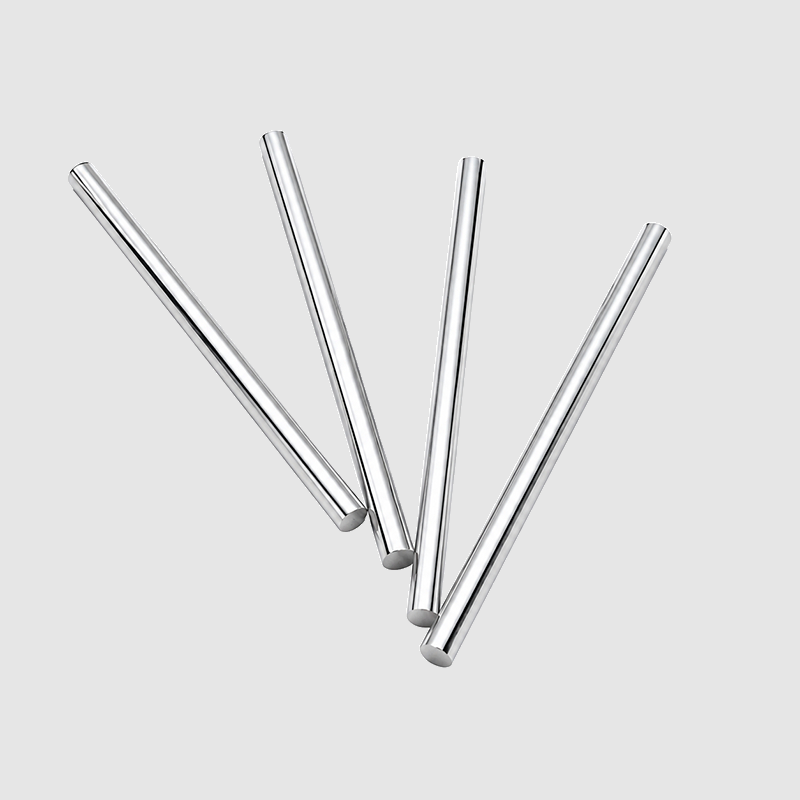
Advantages:
1. High arc resistance combined with good electrical conductivity;
2. High thermal conductivity;
3. Low thermal expansion;
Product Features of Tungsten Copper Alloy:
Tungsten copper composite material combines the merits of tungsten and copper. It has ultra-high melting point, high density and great high-temperature rigidity from tungsten, as well as excellent electrical and thermal conductivity of copper. It owns a low thermal expansion coefficient, keeping stable size under sharp temperature fluctuation.
The alloy shows remarkable arc ablation resistance and anti-sputtering property, with little weight loss under high-current arc impact. Its uniform internal structure avoids component segregation and guarantees consistent performance. It possesses good machinability for turning, drilling and precision forming.
With reliable high-temperature oxidation resistance, it will not soften or deform easily under extreme heat. It features long service life and stable working performance under heavy loads, widely used for electrical contacts, welding electrodes, electronic heat sinks and EDM electrodes.
Parameter:
Chemical Composition, Physical & Mechanical Properties of Tungsten-Copper Composites:
| Class | Chemical Composition (wt%) | Density | Hardness | Resistivity | IACS | Bending Strength | ||
| Cu | Total Impurities≤ | W | g/cm3 ≥ | HB Kgf/mm2 ≥ | μΩ.cm ≤ | % ≥ | MPa ≥ | |
| W50/Cu50 | 50±2.0 | 0.5 | Balance | 11.85 | 115 | 3.2 | 54 | -- |
| W55/Cu45 | 45±2.0 | 0.5 | Balance | 12.3 | 125 | 3.5 | 49 | -- |
| W60/Cu40 | 40±2.0 | 0.5 | Balance | 12.75 | 140 | 3.7 | 47 | -- |
| W65/Cu35 | 35±2.0 | 0.5 | Balance | 13.3 | 155 | 3.9 | 44 | -- |
| W70/Cu30 | 30±2.0 | 0.5 | Balance | 13.8 | 175 | 4.1 | 42 | 790 |
| W75/Cu25 | 25±2.0 | 0.5 | Balance | 14.5 | 195 | 4.5 | 38 | 885 |
| W80/Cu20 | 20±2.0 | 0.5 | Balance | 15.15 | 220 | 5 | 34 | 980 |
| W85/Cu15 | 15±2.0 | 0.5 | Balance | 15.9 | 240 | 5.7 | 30 | 1080 |
| W90/Cu10 | 10±2.0 | 0.5 | Balance | 16.75 | 260 | 6.5 | 27 | 1160 |
Applications:
1. Arcing contacts and vaccum contacts in high and medium voltage breakers or vaccum interruptors;
2. Electrodes in electric spark erosion cutting machines;
3. Electrodes for resistance welding;

 EN
EN