Tungsten Carbon Alloy: High-Performance Material for Extreme Industrial Applications

Get a Free Quote

Our representative will contact you soon.
Email
Name
Country/Region
Mobile/WhatsApp
Product Name
Message
0/1000

tungsten carbon alloy

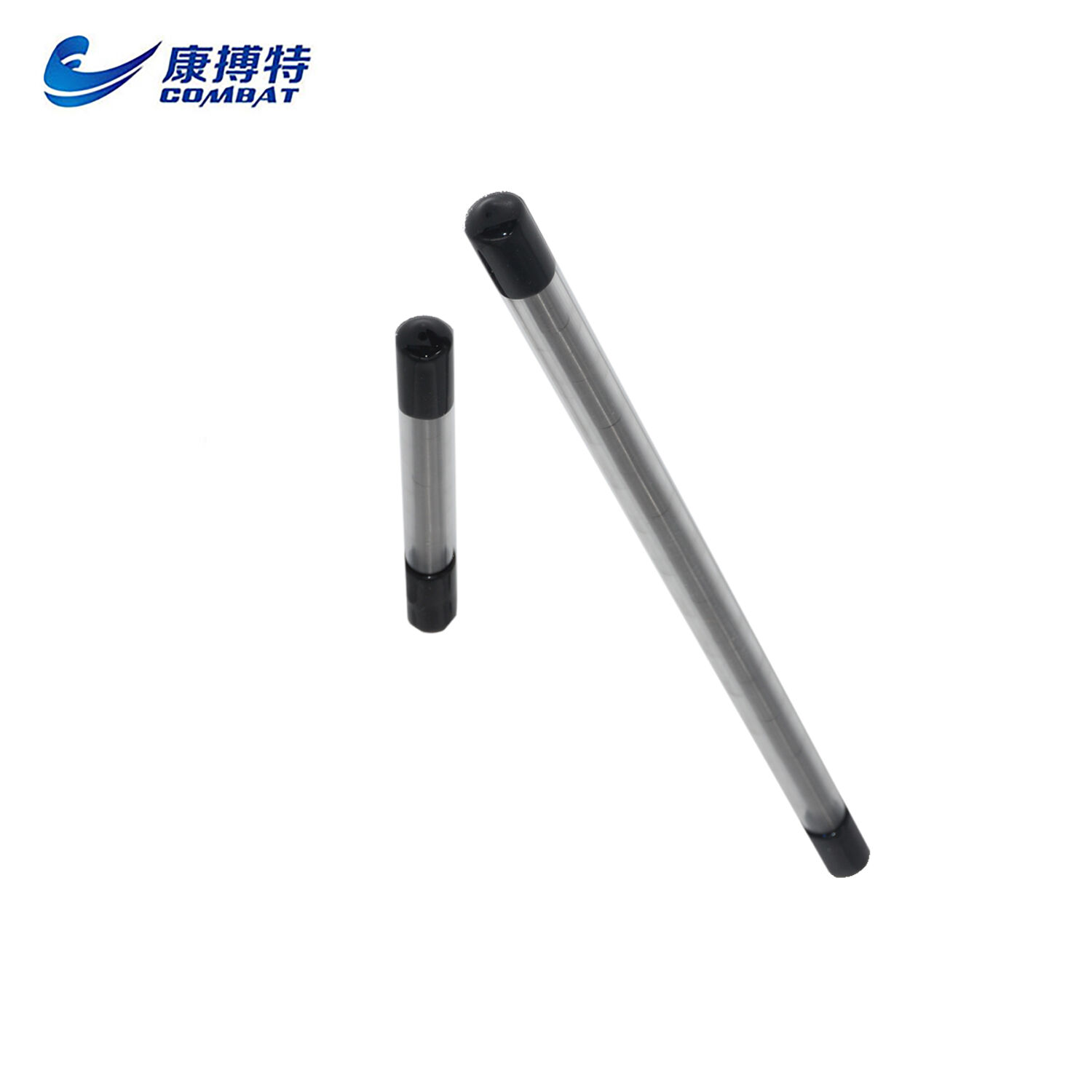
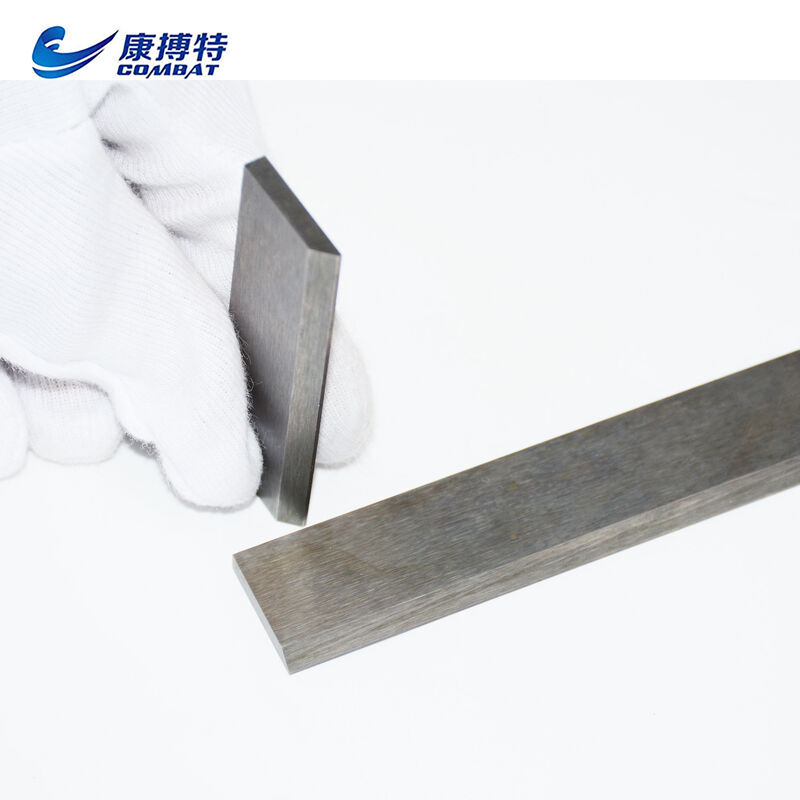
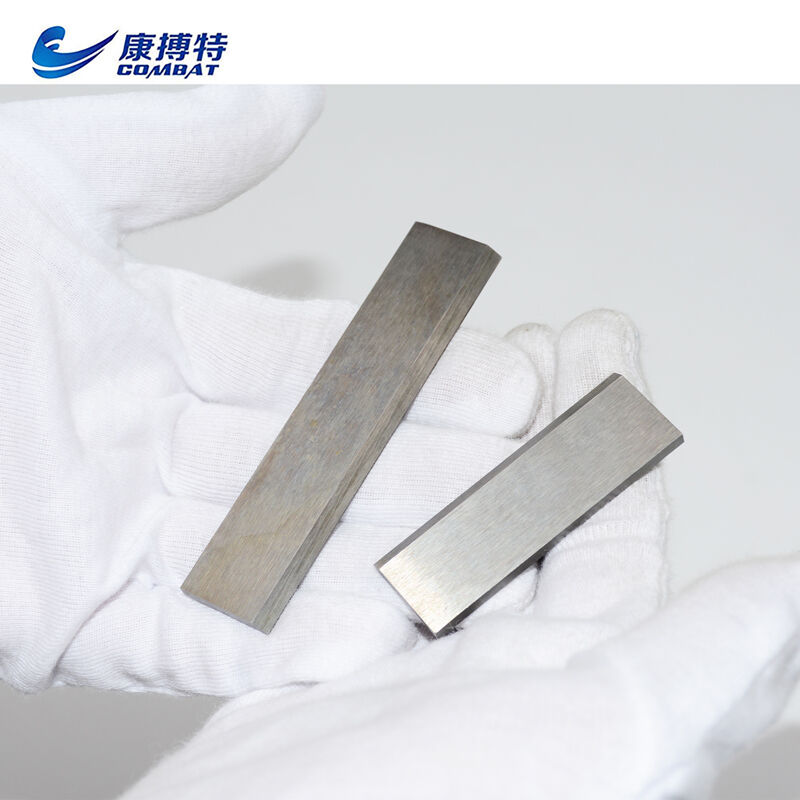
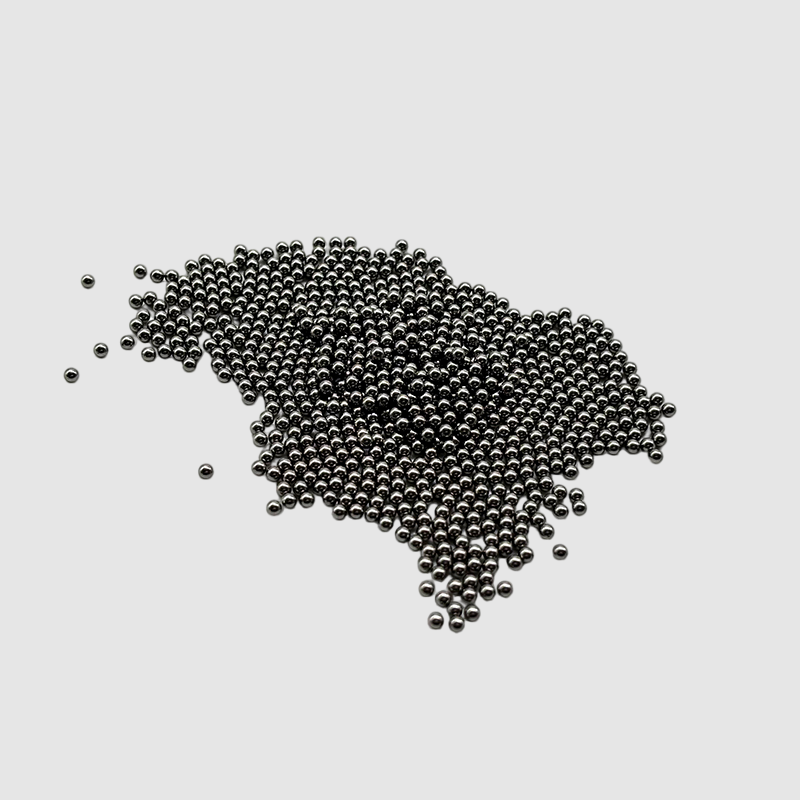
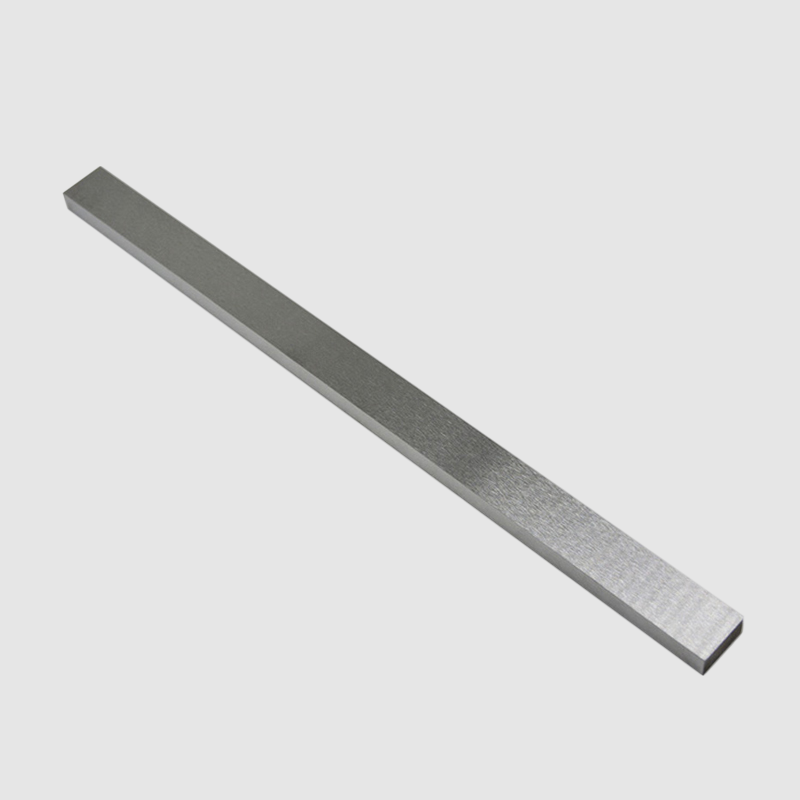
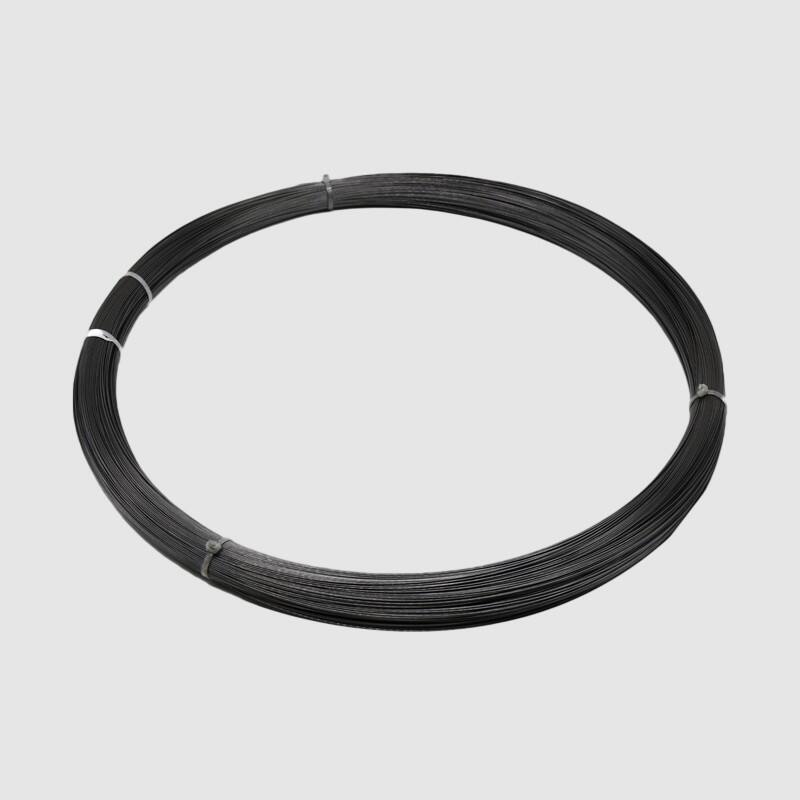
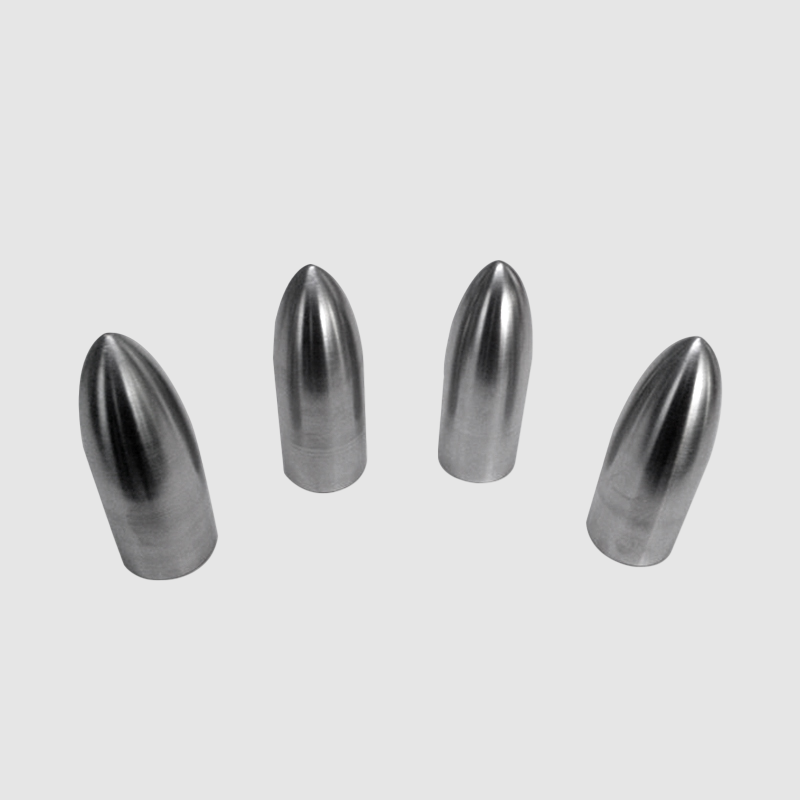
Tungsten carbon alloy represents a sophisticated material engineering solution that combines the exceptional properties of tungsten with carbon to create a composite material offering superior performance characteristics. This advanced alloy delivers outstanding hardness, wear resistance, and thermal stability, making it an essential material across multiple industrial sectors. The primary function of tungsten carbon alloy centers on providing durable, long-lasting components that can withstand extreme operating conditions including high temperatures, intense friction, and corrosive environments. The technological features of this alloy stem from its unique microstructure, where tungsten particles are dispersed within a carbon matrix, creating a material that exhibits both the refractory properties of tungsten and the lightweight characteristics of carbon. This combination results in a material with exceptional dimensional stability, minimal thermal expansion, and remarkable resistance to wear and erosion. The manufacturing process involves precise control of composition ratios and sintering parameters to achieve optimal material properties tailored to specific applications. Tungsten carbon alloy finds extensive use in cutting tools, where its hardness enables efficient machining of difficult materials. The aerospace industry relies on this alloy for components requiring high strength-to-weight ratios and thermal resistance. In the automotive sector, tungsten carbon alloy serves in brake systems and engine components where wear resistance is critical. The electronics industry utilizes this material for heat sinks and electrical contacts due to its excellent thermal and electrical conductivity. Mining and drilling operations benefit from tungsten carbon alloy in drill bits and wear parts that must endure abrasive conditions. The material also plays a vital role in manufacturing dies and molds that require extended service life under demanding production conditions. Its ability to maintain structural integrity at elevated temperatures makes tungsten carbon alloy indispensable for high-temperature furnace components and thermal management systems.

Popular Products

Choosing tungsten carbon alloy delivers tangible benefits that directly impact your operational efficiency and bottom line. The material's exceptional durability means your components last significantly longer than alternatives, reducing replacement frequency and minimizing downtime. This extended service life translates into lower maintenance costs and improved productivity, as your equipment operates reliably for extended periods without interruption. The superior wear resistance of tungsten carbon alloy protects your investment by maintaining dimensional accuracy and surface finish even after prolonged use in harsh conditions. You will notice reduced material loss and consistent performance throughout the component's lifecycle, ensuring your processes maintain quality standards without degradation. The thermal stability of this alloy allows your equipment to operate at higher temperatures without compromising structural integrity, expanding your operational parameters and enabling more aggressive processing conditions. This capability opens opportunities for increased production rates and improved process efficiency. The high hardness of tungsten carbon alloy enables faster cutting speeds and feed rates in machining applications, boosting throughput and reducing cycle times. Your production capacity increases while tool changes decrease, optimizing your manufacturing operations. The material's resistance to chemical attack and oxidation ensures reliable performance in corrosive environments, protecting your equipment from premature failure and extending service intervals. You gain peace of mind knowing your components will perform consistently regardless of environmental challenges. The excellent thermal conductivity of tungsten carbon alloy facilitates efficient heat dissipation, preventing thermal damage and maintaining optimal operating temperatures in your systems. This property proves particularly valuable in electronics and high-speed machining where heat management is critical. The material's low coefficient of friction reduces energy consumption in moving parts, lowering your operational costs while minimizing wear on mating surfaces. You benefit from smoother operation and reduced power requirements. The dimensional stability of tungsten carbon alloy ensures precise tolerances are maintained throughout the component's life, eliminating the need for frequent adjustments and recalibration. Your processes remain accurate and repeatable, maintaining product quality and reducing scrap rates. The versatility of this alloy allows customization of properties through composition adjustments, enabling solutions tailored to your specific requirements. You receive a material optimized for your unique application rather than settling for a generic solution.

Practical Tips

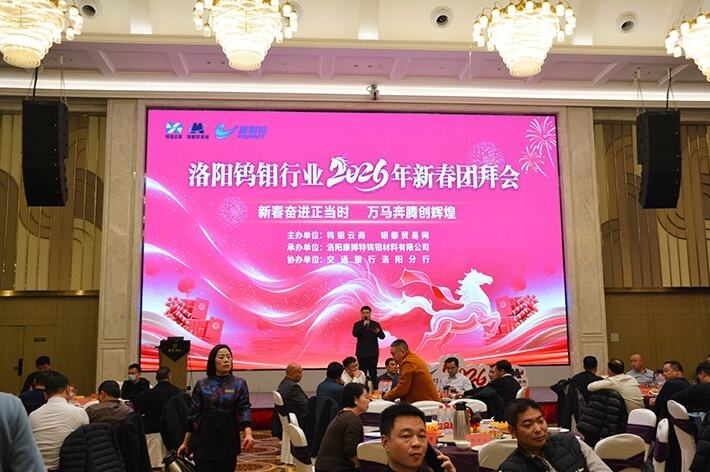
Gathering in Luoyang for Tungsten & Molybdenum, Uniting Hearts to Forge a New Dream Forward​

24

Apr

Gathering in Luoyang for Tungsten & Molybdenum, Uniting Hearts to Forge a New Dream Forward​

View More
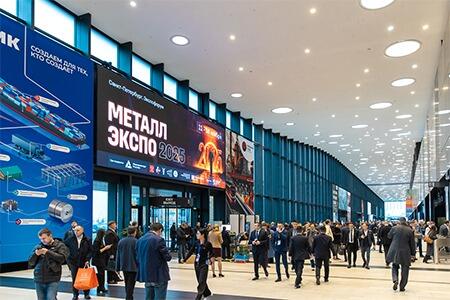
The 31st Russia International Metal and Metallurgy Industry Exhibition 2025 (Metal-Expo)

24

Apr

The 31st Russia International Metal and Metallurgy Industry Exhibition 2025 (Metal-Expo)

View More
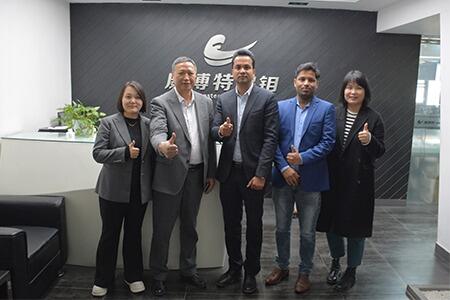
Indian Delegation Visits Youbo, Signs Molybdenum Bar and Tungsten Alloy Procurement Agreement​​

24

Apr

Indian Delegation Visits Youbo, Signs Molybdenum Bar and Tungsten Alloy Procurement Agreement​​

View More
International Ferroalloys 2025

24

Apr

International Ferroalloys 2025

View More

Get a Free Quote

Our representative will contact you soon.
Email
Name
Country/Region
Mobile/WhatsApp
Product Name
Message
0/1000

tungsten carbon alloy

Unmatched Wear Resistance for Extended Component Life

Unmatched Wear Resistance for Extended Component Life

The wear resistance of tungsten carbon alloy stands as its most compelling attribute, delivering performance that far exceeds conventional materials in demanding applications. This exceptional property stems from the material's unique microstructure, where extremely hard tungsten particles are uniformly distributed throughout a carbon matrix, creating a composite that resists abrasive wear, adhesive wear, and erosive wear mechanisms. When your components face continuous friction, impact, or abrasive contact, tungsten carbon alloy maintains its surface integrity and dimensional accuracy far longer than steel, ceramic, or other competing materials. In cutting tool applications, this translates to extended tool life that can be three to five times longer than carbide alternatives, reducing your tooling costs and minimizing production interruptions for tool changes. The material's ability to resist wear at elevated temperatures proves particularly valuable, as many materials lose hardness and wear resistance when heated, but tungsten carbon alloy maintains its protective properties even at temperatures exceeding 1000 degrees Celsius. This characteristic makes it ideal for hot working dies, forging tools, and high-speed machining operations where heat generation is inevitable. In mining and drilling applications, the wear resistance of tungsten carbon alloy enables drill bits and cutting elements to penetrate harder rock formations while maintaining sharp cutting edges, increasing drilling rates and reducing the frequency of bit replacements. The economic impact of this extended wear life is substantial, as equipment downtime for maintenance and part replacement represents a significant cost in industrial operations. By implementing tungsten carbon alloy components, you reduce these interruptions and maintain consistent production schedules. The material's wear resistance also contributes to improved product quality, as worn tooling and components often produce parts with degraded surface finishes and dimensional inaccuracies. With tungsten carbon alloy, your processes maintain precision throughout extended production runs, ensuring consistent output quality and reducing scrap rates. The resistance to galling and seizing further enhances reliability in applications involving metal-to-metal contact under high loads, preventing catastrophic failures and extending service intervals.
Superior Thermal Performance for High-Temperature Applications

Superior Thermal Performance for High-Temperature Applications

The thermal properties of tungsten carbon alloy position it as an optimal choice for applications involving elevated temperatures and demanding thermal management requirements. This material exhibits exceptional thermal stability, maintaining its mechanical properties and structural integrity at temperatures where most materials would soften, deform, or fail completely. The high melting point of tungsten, combined with the refractory nature of carbon, creates an alloy that resists thermal degradation and oxidation even in extreme heat environments. Your high-temperature processes benefit from components that do not warp, creep, or lose hardness when exposed to intense heat, ensuring dimensional stability and consistent performance. The thermal conductivity of tungsten carbon alloy facilitates rapid heat transfer, making it invaluable for applications requiring efficient thermal management. In electronics, this property enables effective heat dissipation from power devices and integrated circuits, preventing thermal damage and ensuring reliable operation. Heat sinks and thermal interface materials made from this alloy maintain lower operating temperatures, extending the lifespan of sensitive electronic components and improving system reliability. The material's low thermal expansion coefficient minimizes dimensional changes during thermal cycling, preventing stress concentrations and thermal fatigue that can lead to cracking and failure in components subjected to repeated heating and cooling. This stability proves critical in precision applications where tight tolerances must be maintained across varying temperature conditions. In aerospace applications, tungsten carbon alloy components withstand the extreme thermal environments encountered during high-speed flight and re-entry, providing reliable performance where failure is not an option. The material's ability to resist thermal shock allows it to endure rapid temperature changes without cracking or spalling, a common failure mode in ceramic materials. Manufacturing processes involving high temperatures, such as hot forging, extrusion, and die casting, benefit from tungsten carbon alloy tooling that maintains hardness and wear resistance at working temperatures, delivering longer tool life and consistent part quality. The oxidation resistance of this alloy at elevated temperatures prevents surface degradation and maintains component integrity in air and other oxidizing atmospheres, eliminating the need for protective coatings or controlled atmosphere processing in many applications.
Exceptional Hardness Enabling Superior Machining Performance

Exceptional Hardness Enabling Superior Machining Performance

The remarkable hardness of tungsten carbon alloy establishes it as a premier material for cutting, forming, and shaping operations across diverse manufacturing sectors. This property, measured on the Rockwell or Vickers scales, places tungsten carbon alloy among the hardest materials available for industrial applications, approaching the hardness of diamond while offering superior toughness and fracture resistance. When you need to machine difficult materials such as hardened steels, superalloys, composites, or abrasive materials, tungsten carbon alloy cutting tools maintain sharp cutting edges and resist wear far better than conventional tool materials. The hardness of this alloy enables aggressive cutting parameters including higher cutting speeds, deeper cuts, and faster feed rates, dramatically increasing material removal rates and reducing machining time. Your production throughput improves while per-part machining costs decrease, enhancing competitiveness and profitability. The ability to maintain hardness at elevated temperatures, known as hot hardness, distinguishes tungsten carbon alloy from materials that soften when heated by friction during cutting operations. This characteristic ensures consistent cutting performance even as temperatures rise at the tool-workpiece interface, preventing premature tool failure and maintaining dimensional accuracy. In forming and stamping operations, the hardness of tungsten carbon alloy dies and punches resists deformation under high loads, maintaining precise dimensions through millions of cycles. Your stamped parts exhibit consistent quality with minimal variation, reducing scrap and rework while extending die life. The material's hardness also contributes to excellent surface finish capabilities, as harder materials can be polished to finer finishes and maintain those finishes during use. Components requiring mirror-like surfaces or specific roughness parameters benefit from tungsten carbon alloy's ability to achieve and retain superior surface quality. In wear applications such as bearings, bushings, and sliding surfaces, the hardness of this alloy minimizes material transfer and surface damage, extending component life and reducing maintenance requirements. The combination of hardness with reasonable toughness prevents brittle fracture, a common limitation of extremely hard materials like ceramics, ensuring reliable performance even under impact loading or interrupted cuts. Your operations gain the benefits of extreme hardness without sacrificing the durability needed for demanding industrial environments.
Get a Free Quote

Our representative will contact you soon.
Email
Name
Country/Region
Mobile/WhatsApp
Product Name
Message
0/1000