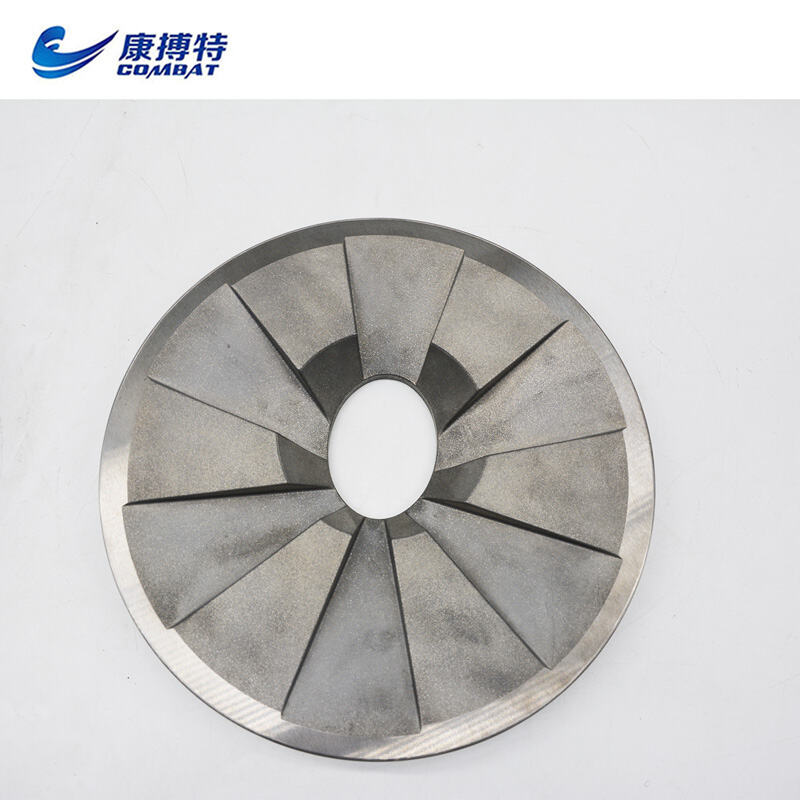
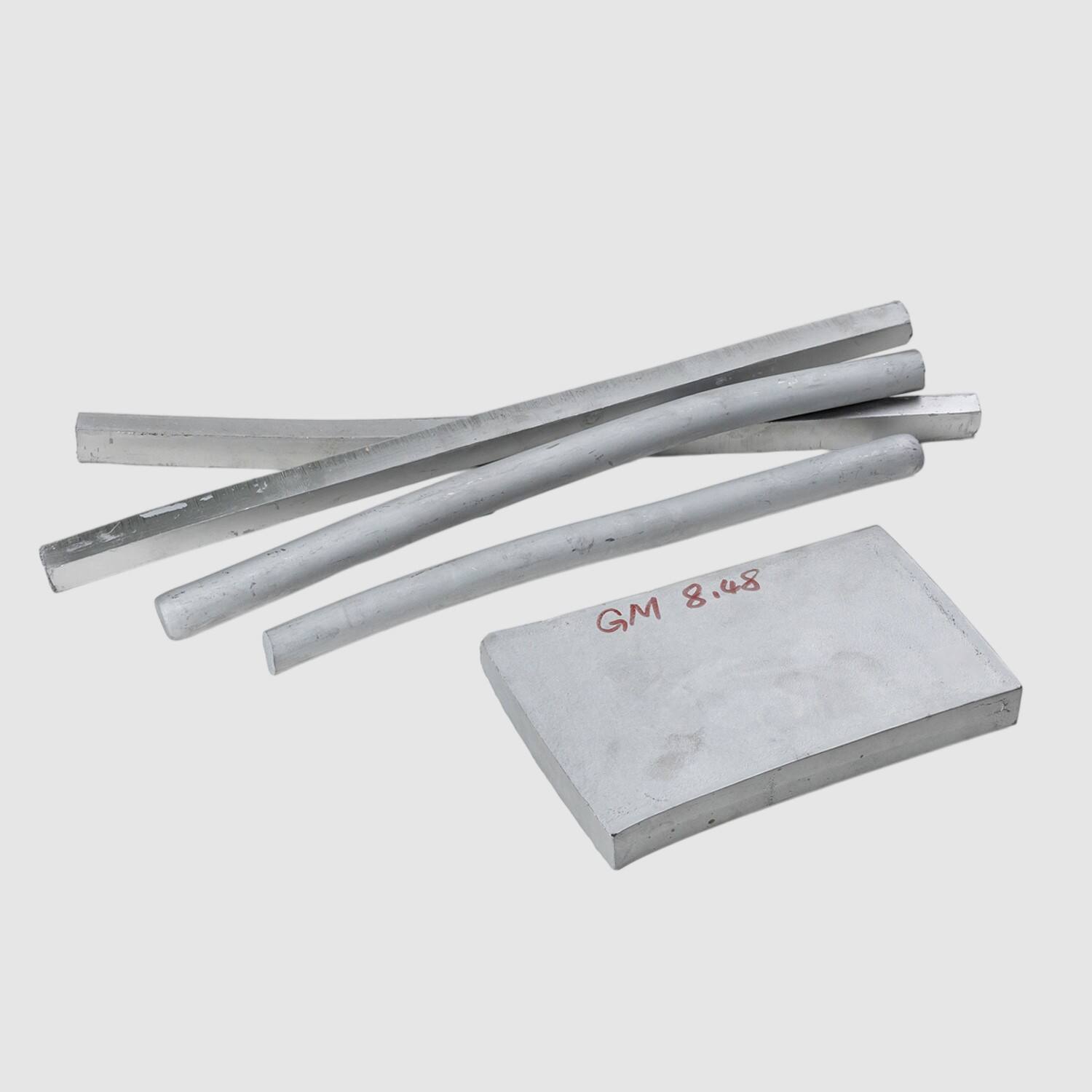
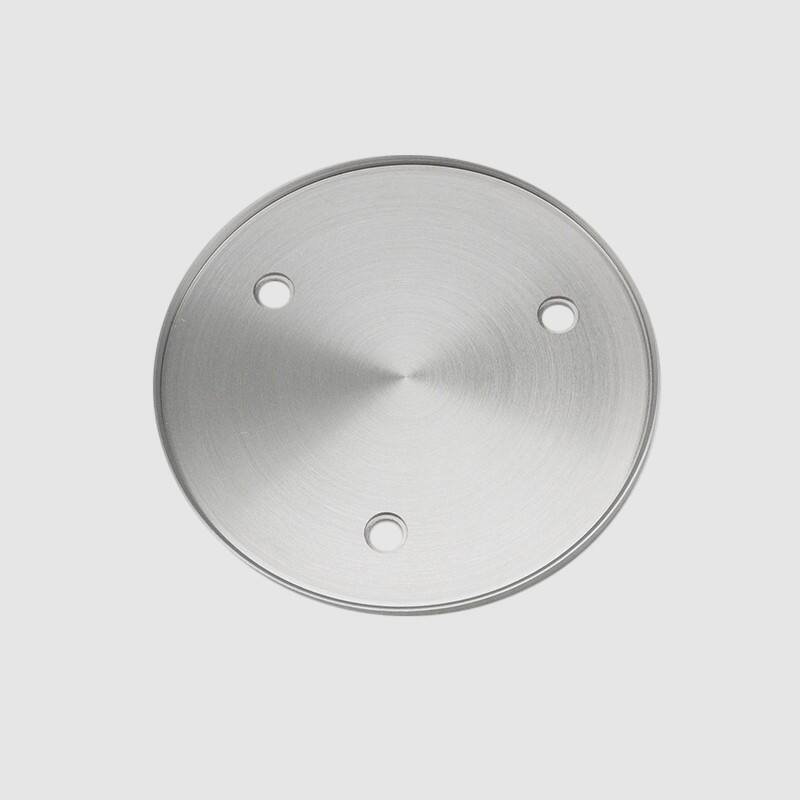
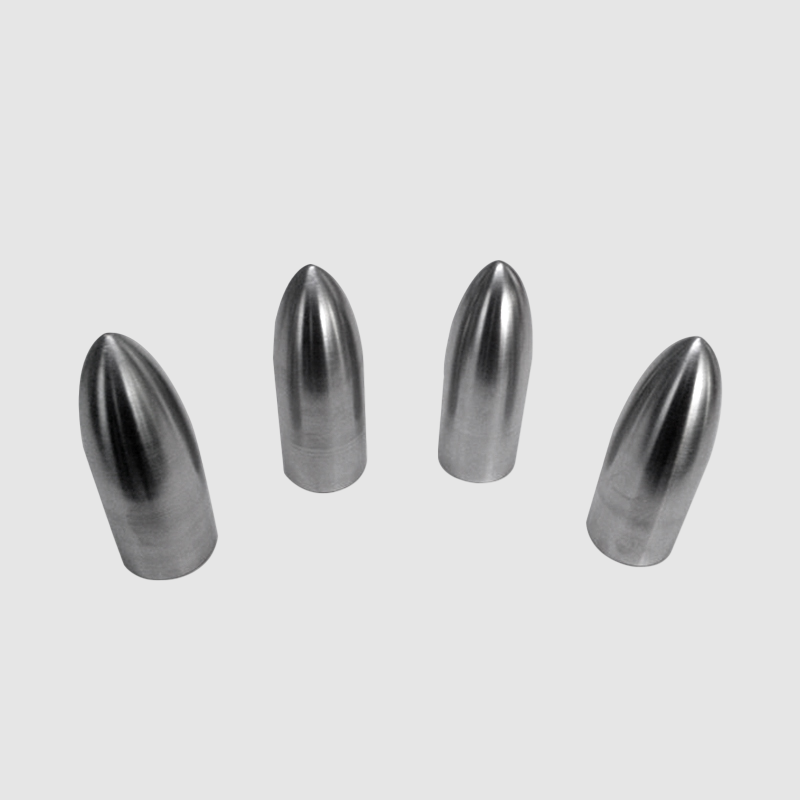
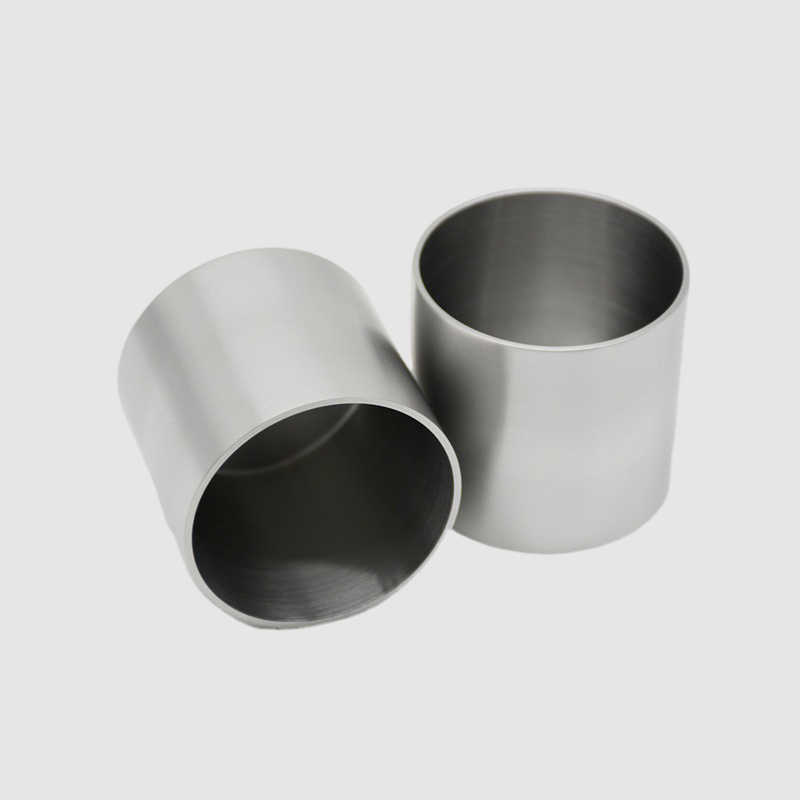
Titanium Tungsten Alloy: High-Performance Material for Extreme Applications and Superior Durability

Get a Free Quote

Our representative will contact you soon.
Email
Name
Country/Region
Mobile/WhatsApp
Product Name
Message
0/1000

titanium tungsten alloy

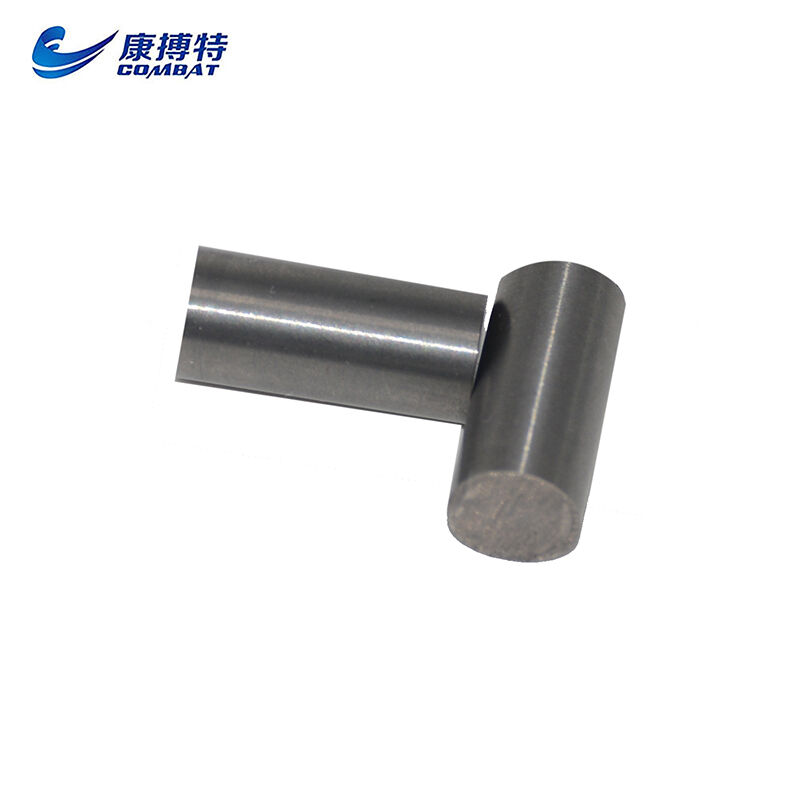
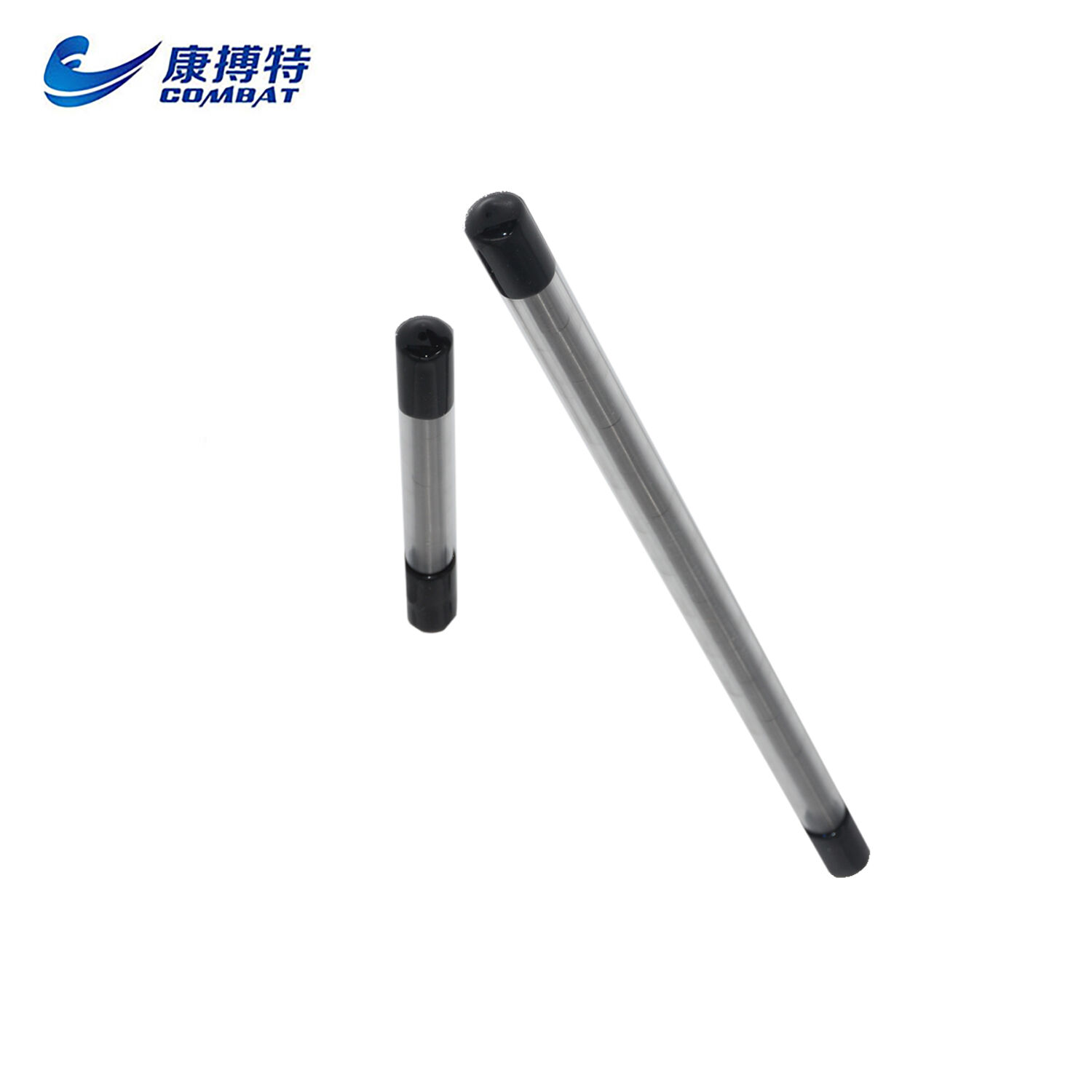
Titanium tungsten alloy represents a sophisticated engineering material that combines the exceptional properties of both titanium and tungsten to create a composite with remarkable performance characteristics. This advanced alloy merges titanium's lightweight nature and corrosion resistance with tungsten's superior density and strength, resulting in a material that serves critical functions across multiple industries. The primary function of titanium tungsten alloy lies in its ability to withstand extreme conditions while maintaining structural integrity, making it invaluable for applications requiring both durability and precision. The technological features of this alloy include outstanding wear resistance, exceptional thermal stability, and superior mechanical strength that far exceeds conventional materials. Its unique composition allows it to maintain performance in high-temperature environments where other materials would fail or degrade rapidly. The alloy demonstrates excellent resistance to chemical corrosion, ensuring longevity even when exposed to harsh substances or aggressive environments. Applications for titanium tungsten alloy span aerospace engineering, where components must endure extreme temperatures and pressures during flight operations. The defense industry utilizes this material for armor-piercing projectiles and protective equipment due to its density and penetration capabilities. Medical device manufacturers incorporate titanium tungsten alloy into surgical instruments and implantable devices, benefiting from its biocompatibility and sterilization resistance. The electronics sector employs this alloy in specialized contacts and connectors where reliability and conductivity are paramount. Industrial tooling represents another significant application area, with cutting tools and dies made from titanium tungsten alloy delivering extended service life and improved productivity. The material's versatility extends to automotive racing components, where weight reduction without compromising strength provides competitive advantages. Energy sector applications include components for nuclear reactors and oil drilling equipment, where the alloy's resistance to radiation and extreme pressures proves essential for safe operations.

Popular Products

Choosing titanium tungsten alloy delivers tangible benefits that directly impact your operational efficiency and bottom line. This material offers exceptional durability that translates into longer component lifespans, reducing replacement frequency and minimizing downtime in your operations. You will experience fewer maintenance interruptions because the alloy resists wear and degradation far better than standard materials, keeping your equipment running smoothly for extended periods. The corrosion resistance means your components maintain their integrity even in challenging environments, eliminating the costs associated with premature failure due to chemical exposure or environmental factors. When you select titanium tungsten alloy for high-temperature applications, you gain peace of mind knowing the material will not weaken or deform under thermal stress, maintaining precise tolerances and performance standards throughout its service life. The strength-to-weight ratio provides a practical advantage by allowing you to design lighter components without sacrificing structural integrity, which can improve fuel efficiency in transportation applications or reduce strain on supporting structures. Your production processes benefit from the alloy's machinability characteristics, which enable precise fabrication of complex geometries while maintaining tight dimensional controls. The material's stability across temperature ranges means your components will perform consistently whether operating in arctic conditions or extreme heat, eliminating performance variability that can compromise quality or safety. You will find that titanium tungsten alloy components require less frequent inspection and monitoring compared to alternatives, reducing labor costs and administrative overhead associated with quality control programs. The biocompatibility of this alloy opens opportunities in medical applications where patient safety is paramount, allowing you to develop devices that integrate seamlessly with human tissue without triggering adverse reactions. Investment in titanium tungsten alloy components often proves cost-effective over the long term despite higher initial material costs, because extended service life and reduced maintenance requirements deliver superior total cost of ownership. Your operations gain reliability advantages that protect against unexpected failures, which can be particularly valuable in critical applications where downtime carries significant financial or safety consequences. The material's resistance to fatigue means components can withstand repeated stress cycles without developing cracks or weaknesses, essential for applications involving vibration or cyclical loading. You will appreciate how the alloy maintains its properties without requiring special coatings or treatments, simplifying your supply chain and reducing processing steps in manufacturing.

Practical Tips

Gathering in Luoyang for Tungsten & Molybdenum, Uniting Hearts to Forge a New Dream Forward​

24

Apr

Gathering in Luoyang for Tungsten & Molybdenum, Uniting Hearts to Forge a New Dream Forward​

View More
Indian Delegation Visits Youbo, Signs Molybdenum Bar and Tungsten Alloy Procurement Agreement​​

24

Apr

Indian Delegation Visits Youbo, Signs Molybdenum Bar and Tungsten Alloy Procurement Agreement​​

View More
International Ferroalloys 2025

24

Apr

International Ferroalloys 2025

View More
The Grand Opening Of The 2025 China International Powder Metallurgy, Hard Alloy And Advanced Ceramics Exhibition

24

Apr

The Grand Opening Of The 2025 China International Powder Metallurgy, Hard Alloy And Advanced Ceramics Exhibition

View More

Get a Free Quote

Our representative will contact you soon.
Email
Name
Country/Region
Mobile/WhatsApp
Product Name
Message
0/1000

titanium tungsten alloy

Unmatched Durability for Extended Service Life

Unmatched Durability for Extended Service Life

The exceptional durability of titanium tungsten alloy stands as one of its most valuable characteristics, delivering performance that significantly outlasts conventional materials in demanding applications. This durability stems from the fundamental properties of the constituent metals working in synergy to create a material that resists multiple forms of degradation simultaneously. When you implement components made from this alloy, you are investing in equipment that will continue performing reliably long after alternatives would require replacement. The wear resistance of titanium tungsten alloy proves particularly impressive in applications involving friction, abrasion, or repeated contact with other surfaces. Manufacturing facilities using cutting tools made from this material report dramatically extended tool life, with some operations documenting performance improvements of three to five times compared to standard tool steels. This extended service life translates directly into reduced tooling costs, fewer production interruptions for tool changes, and more consistent part quality throughout extended production runs. The alloy's resistance to erosion makes it ideal for components exposed to particle-laden fluids or gases, such as pump impellers, valve seats, and nozzles in industrial processing equipment. These components maintain their dimensional accuracy and surface finish far longer than parts made from softer materials, ensuring process parameters remain stable and product quality stays consistent. In high-stress applications, the fatigue resistance of titanium tungsten alloy prevents the development of stress cracks that would eventually lead to catastrophic failure in other materials. This characteristic proves essential in aerospace components, automotive racing parts, and industrial machinery where unexpected failures could result in serious safety incidents or expensive damage to surrounding equipment. The material's ability to maintain its mechanical properties under sustained loading means you can design components with confidence, knowing they will perform as intended throughout their intended service life without gradual degradation of strength or stiffness. Environmental resistance further enhances the durability proposition, as titanium tungsten alloy maintains its integrity when exposed to moisture, chemicals, and temperature extremes that would corrode or weaken alternative materials.
Superior Performance in Extreme Temperature Environments

Superior Performance in Extreme Temperature Environments

Titanium tungsten alloy demonstrates remarkable thermal stability that makes it the material of choice for applications operating in extreme temperature conditions where conventional materials simply cannot maintain adequate performance. This thermal capability derives from tungsten's exceptionally high melting point combined with titanium's ability to form protective oxide layers that prevent degradation at elevated temperatures. When your operations involve high-temperature processes, this alloy provides reliable performance that eliminates concerns about thermal deformation, strength loss, or accelerated wear that plague lesser materials. The alloy maintains its mechanical properties across an extraordinarily wide temperature range, from cryogenic conditions approaching absolute zero to temperatures exceeding one thousand degrees Celsius in certain formulations. This versatility means you can use the same material family across diverse applications without needing to source different alloys for different temperature regimes, simplifying procurement and inventory management. In aerospace applications, components made from titanium tungsten alloy continue functioning reliably in the extreme thermal cycling experienced during flight operations, where surfaces may experience rapid temperature changes of several hundred degrees as aircraft transition between different flight phases. The material's low thermal expansion coefficient minimizes dimensional changes during heating and cooling cycles, which proves critical in precision assemblies where tight tolerances must be maintained regardless of operating temperature. Manufacturing processes benefit from the alloy's thermal stability during operations like high-speed machining, where cutting tool temperatures can reach extreme levels that would quickly degrade conventional tool materials. Tools made from titanium tungsten alloy maintain their cutting edge geometry and hardness even under these demanding conditions, delivering consistent cutting performance and superior surface finishes on workpieces. Energy sector applications particularly value the high-temperature capabilities, with components in gas turbines, nuclear reactors, and geothermal systems relying on this alloy to withstand operating conditions that would destroy alternative materials within hours or days. The material's resistance to thermal fatigue prevents the development of heat checking and thermal cracking that commonly affect components subjected to repeated heating and cooling cycles, extending service life and improving operational reliability in applications ranging from industrial furnaces to automotive exhaust systems.
Exceptional Strength-to-Weight Ratio for Performance Optimization

Exceptional Strength-to-Weight Ratio for Performance Optimization

The outstanding strength-to-weight ratio of titanium tungsten alloy creates opportunities for performance optimization that would be impossible with heavier materials offering comparable strength or lighter materials lacking adequate structural capability. This characteristic emerges from the careful balance of titanium's low density with tungsten's exceptional strength, resulting in a composite material that delivers impressive load-bearing capacity without the weight penalty associated with traditional high-strength alloys. When you design components using this material, you gain freedom to optimize for performance parameters that would require unacceptable compromises with conventional materials. Aerospace engineers leverage this strength-to-weight advantage to reduce aircraft mass without sacrificing structural integrity, directly improving fuel efficiency and extending operational range. Every kilogram of weight saved in aircraft construction translates into reduced fuel consumption over the vehicle's lifetime, making the initial investment in titanium tungsten alloy components economically justified through operational savings. The material enables the construction of lighter airframes that can carry heavier payloads or achieve better performance characteristics compared to designs using heavier structural materials. Automotive racing applications similarly benefit from weight reduction, where lighter components allow faster acceleration, improved handling, and better braking performance. Suspension components, drivetrain parts, and chassis elements made from titanium tungsten alloy contribute to overall vehicle weight reduction while maintaining the strength necessary to withstand racing stresses. The reduced rotational mass of lighter wheels and brake components improves responsiveness and reduces the energy required for acceleration and deceleration. Medical device manufacturers appreciate how the strength-to-weight ratio enables the creation of surgical instruments that surgeons can manipulate with precision and minimal fatigue during lengthy procedures, while still providing the structural rigidity necessary for demanding surgical techniques. Implantable devices benefit from reduced mass that minimizes the burden on surrounding tissue while providing adequate strength to perform their intended function throughout the patient's lifetime. Industrial robotics and automation systems gain performance advantages from lighter actuators and end effectors made from this alloy, allowing faster cycle times and reduced energy consumption while maintaining the strength necessary to handle workpieces reliably. The reduced inertia of lighter moving components enables more precise motion control and faster response to control inputs, improving overall system performance and productivity.

Get a Free Quote

Our representative will contact you soon.
Email
Name
Country/Region
Mobile/WhatsApp
Product Name
Message
0/1000