Exceptional Hardness Enabling Superior Machining Performance
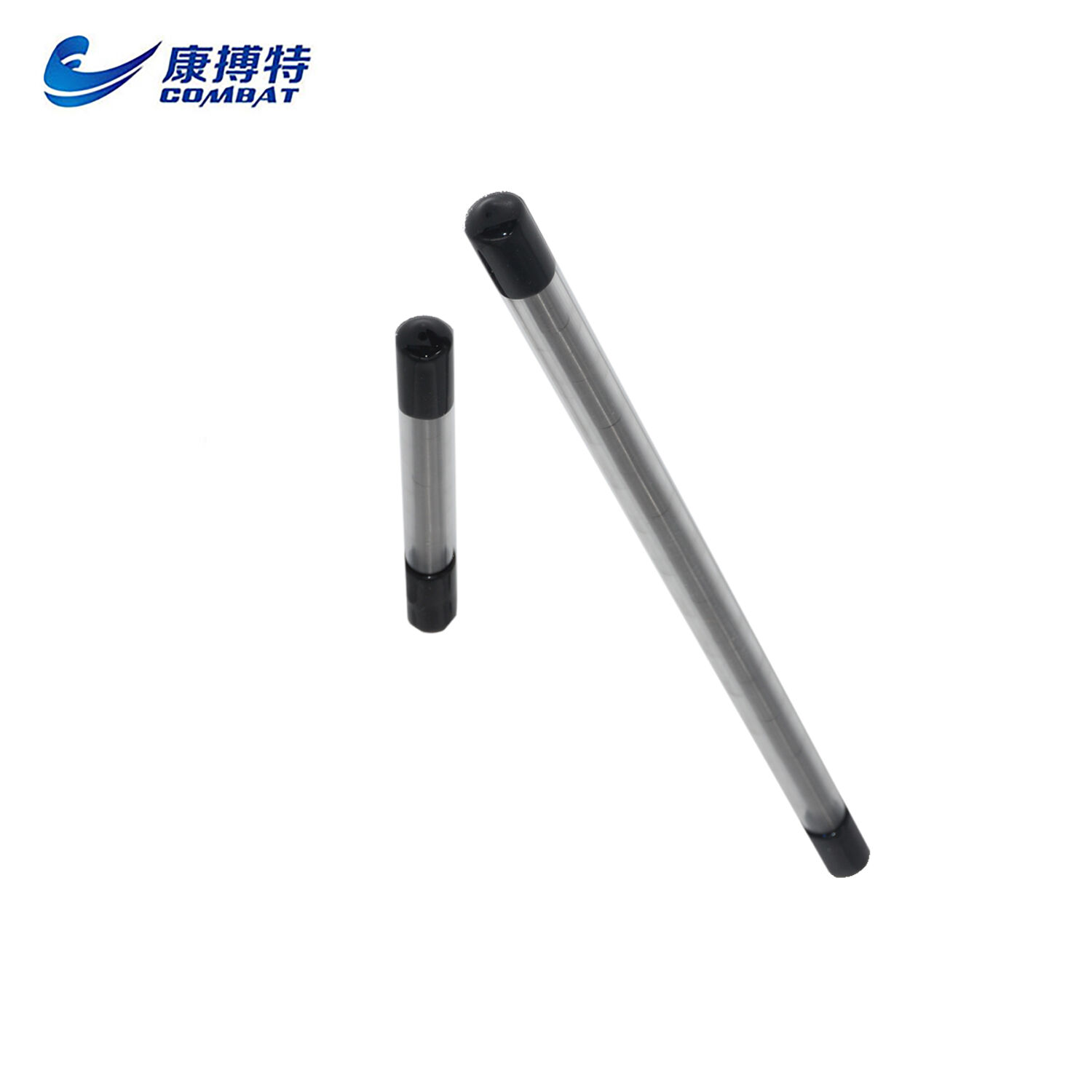
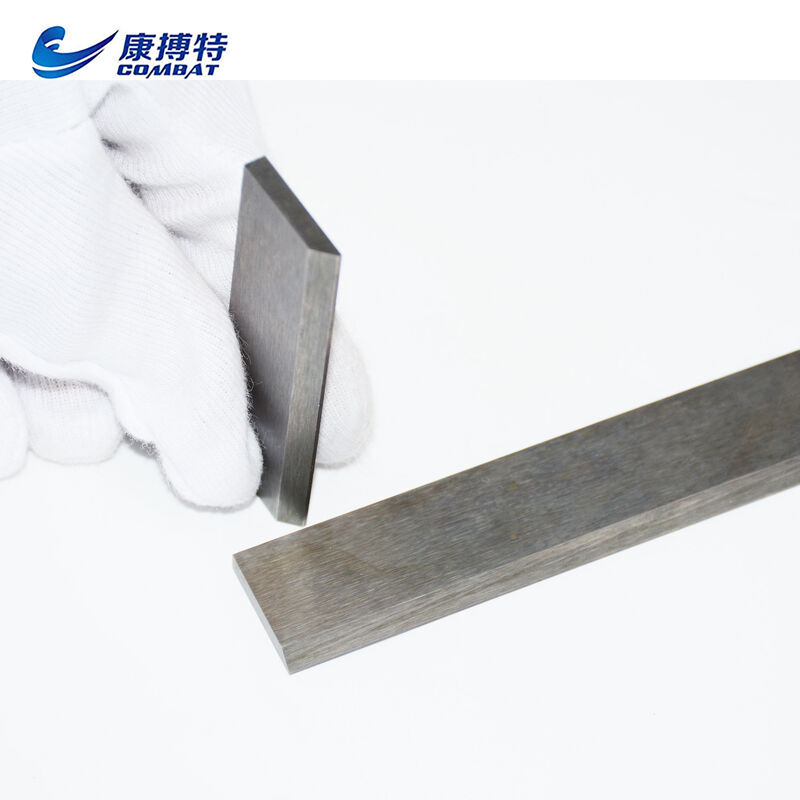
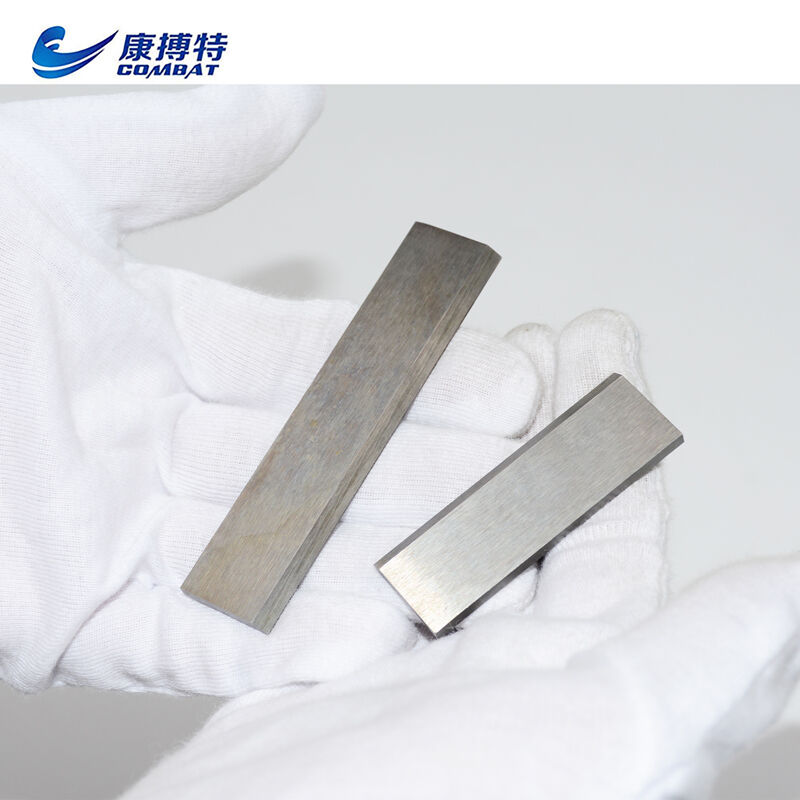
The remarkable hardness of tungsten carbon alloy establishes it as a premier material for cutting, forming, and shaping operations across diverse manufacturing sectors. This property, measured on the Rockwell or Vickers scales, places tungsten carbon alloy among the hardest materials available for industrial applications, approaching the hardness of diamond while offering superior toughness and fracture resistance. When you need to machine difficult materials such as hardened steels, superalloys, composites, or abrasive materials, tungsten carbon alloy cutting tools maintain sharp cutting edges and resist wear far better than conventional tool materials. The hardness of this alloy enables aggressive cutting parameters including higher cutting speeds, deeper cuts, and faster feed rates, dramatically increasing material removal rates and reducing machining time. Your production throughput improves while per-part machining costs decrease, enhancing competitiveness and profitability. The ability to maintain hardness at elevated temperatures, known as hot hardness, distinguishes tungsten carbon alloy from materials that soften when heated by friction during cutting operations. This characteristic ensures consistent cutting performance even as temperatures rise at the tool-workpiece interface, preventing premature tool failure and maintaining dimensional accuracy. In forming and stamping operations, the hardness of tungsten carbon alloy dies and punches resists deformation under high loads, maintaining precise dimensions through millions of cycles. Your stamped parts exhibit consistent quality with minimal variation, reducing scrap and rework while extending die life. The material's hardness also contributes to excellent surface finish capabilities, as harder materials can be polished to finer finishes and maintain those finishes during use. Components requiring mirror-like surfaces or specific roughness parameters benefit from tungsten carbon alloy's ability to achieve and retain superior surface quality. In wear applications such as bearings, bushings, and sliding surfaces, the hardness of this alloy minimizes material transfer and surface damage, extending component life and reducing maintenance requirements. The combination of hardness with reasonable toughness prevents brittle fracture, a common limitation of extremely hard materials like ceramics, ensuring reliable performance even under impact loading or interrupted cuts. Your operations gain the benefits of extreme hardness without sacrificing the durability needed for demanding industrial environments.





 EN
EN