Enhanced Performance in Critical Operating Environments
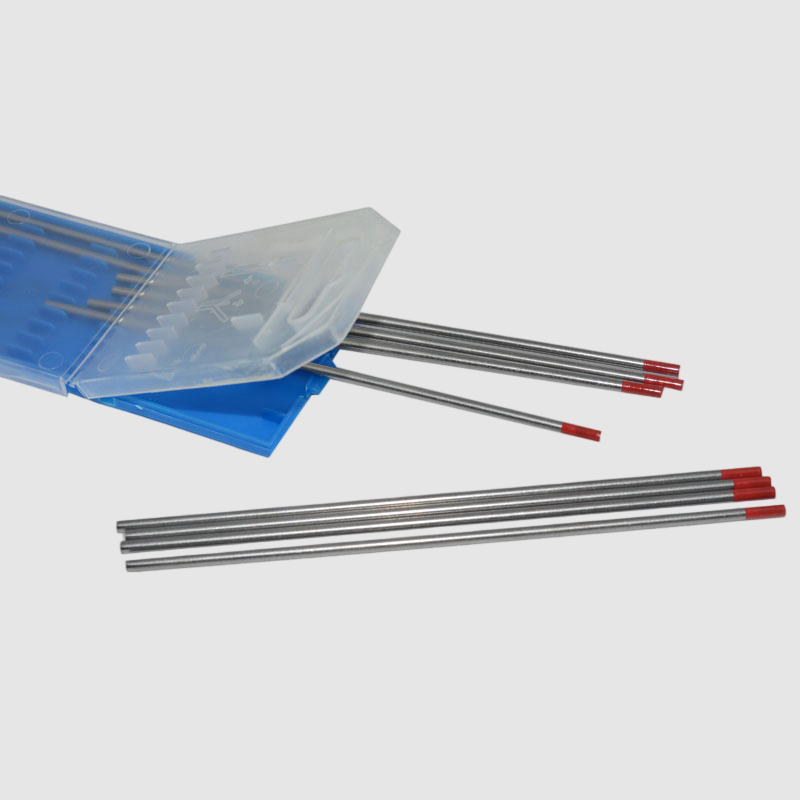
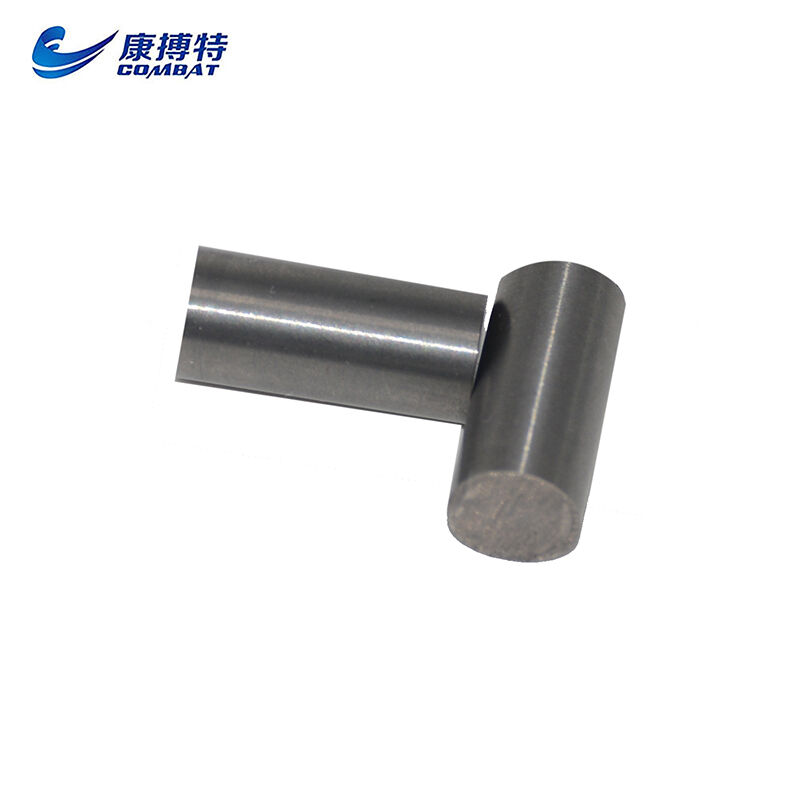
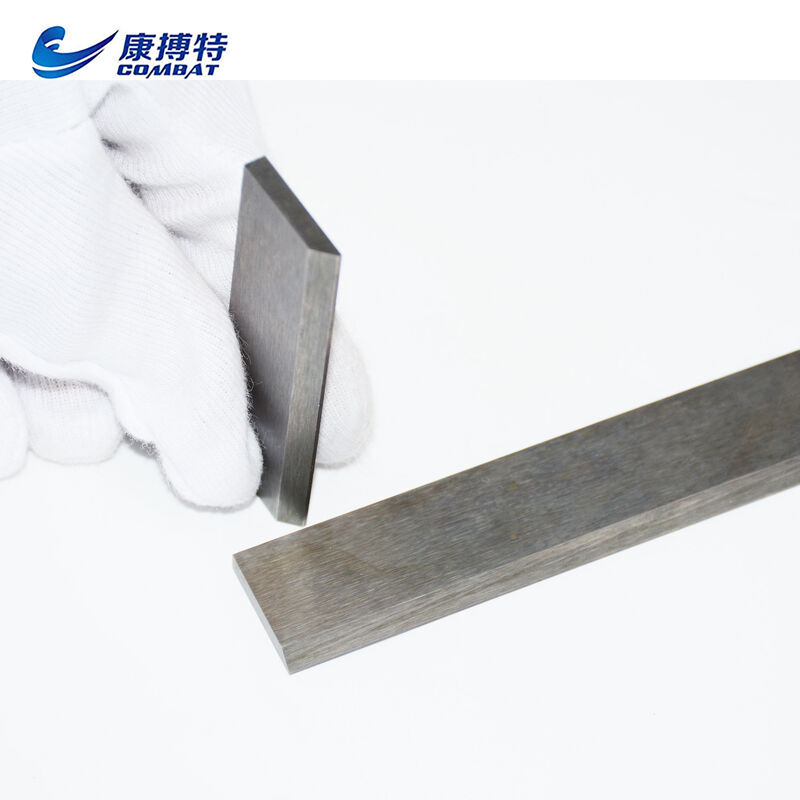
Tungsten alloy machining produces components specifically engineered to excel in the most challenging operating environments where conventional materials fail to meet performance requirements. The exceptional thermal properties of machined tungsten alloy parts enable reliable operation in high-temperature applications that would cause other metals to soften, oxidize, or lose structural integrity. Components maintain their mechanical properties at temperatures where steel would begin to anneal and aluminum would melt, making them ideal for furnace components, welding electrodes, and rocket nozzle inserts that must withstand sustained exposure to extreme heat. The material's high melting point, exceeding 3400 degrees Celsius, provides an enormous safety margin in applications where temperature spikes could occur, ensuring that components continue functioning even under abnormal operating conditions. Tungsten alloy machining creates parts with excellent corrosion resistance in many chemical environments, particularly when proper alloy compositions are selected for specific exposure conditions. This resistance extends component service life in industrial processes involving corrosive fluids, reducing maintenance requirements and minimizing downtime associated with component replacement. The material's inherent hardness, preserved and enhanced through proper machining techniques, provides superior wear resistance in applications involving friction, abrasion, or repeated impact. Machined tungsten alloy components maintain dimensional accuracy and surface finish integrity even after extended service in demanding wear environments, such as drilling tools operating in abrasive geological formations or electrical contacts subjected to millions of switching cycles. The non-magnetic properties of certain tungsten alloy compositions, achievable through careful alloy selection and confirmed through machining processes that avoid magnetic contamination, prove essential in applications where magnetic interference could compromise sensitive instruments or measurements. Medical imaging equipment, scientific instruments, and precision navigation systems benefit from tungsten alloy machined components that provide necessary mass or shielding without introducing magnetic disturbances. The material's excellent electrical conductivity, when machined to create optimal contact surfaces, enables efficient current transfer in high-power electrical applications, reducing energy losses and heat generation in switches, contacts, and electrodes. Tungsten alloy machining produces components with controlled acoustic properties that make them valuable in vibration dampening applications, where the material's high density and internal damping characteristics absorb mechanical vibrations that would otherwise propagate through structures and cause noise, fatigue, or precision degradation. Industrial machinery, aerospace structures, and precision instruments incorporate machined tungsten alloy dampers that reduce unwanted vibrations and improve overall system performance. The biological compatibility of certain tungsten alloy formulations, combined with the ability to machine smooth, clean surfaces free from contaminants, enables the production of medical device components that can be safely used in proximity to or within the human body. Radiation therapy equipment, surgical instruments, and diagnostic devices benefit from tungsten alloy machining that delivers both functional performance and biocompatibility. Environmental stability represents another critical advantage, as properly machined tungsten alloy components resist degradation from atmospheric exposure, ultraviolet radiation, and thermal cycling, maintaining their properties and appearance throughout extended service lives without requiring protective coatings or special storage conditions.



 EN
EN