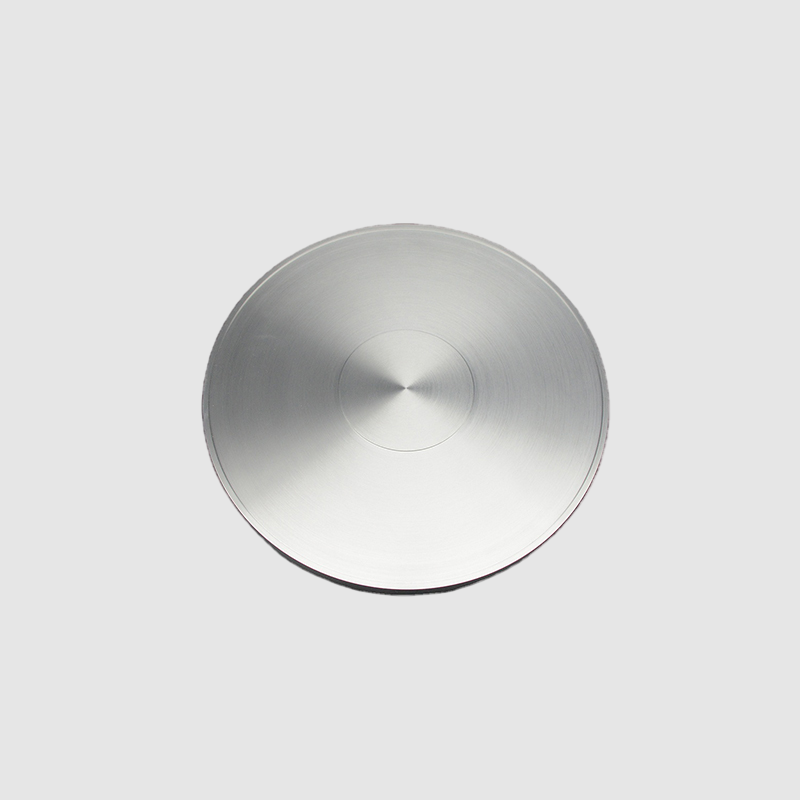
Tungsten Alloy: High-Density Material Solutions for Precision Applications

Get a Free Quote

Our representative will contact you soon.
Email
Name
Country/Region
Mobile/WhatsApp
Product Name
Message
0/1000

tungsten alloy

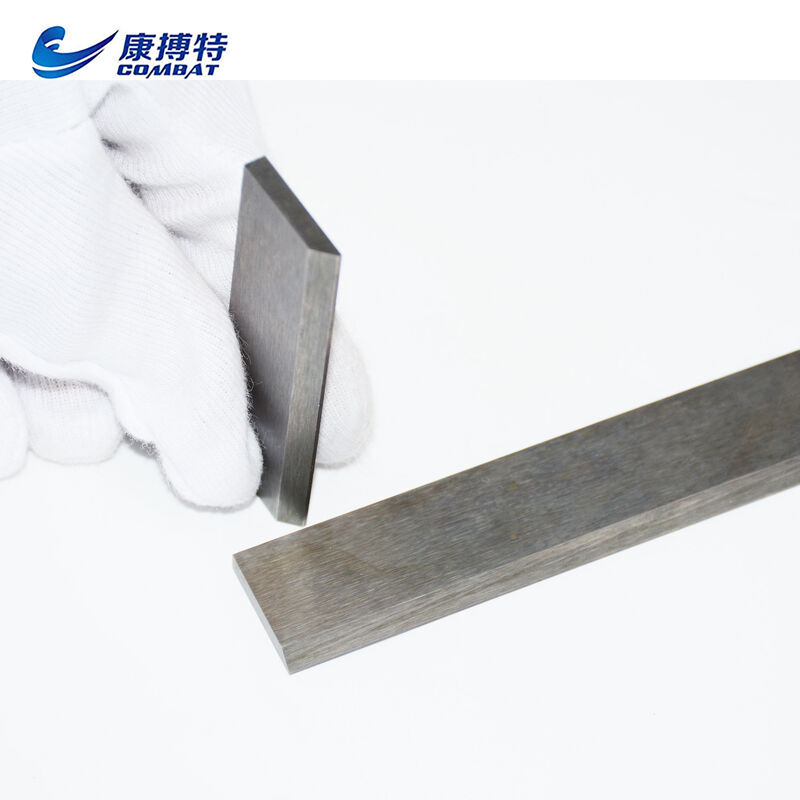
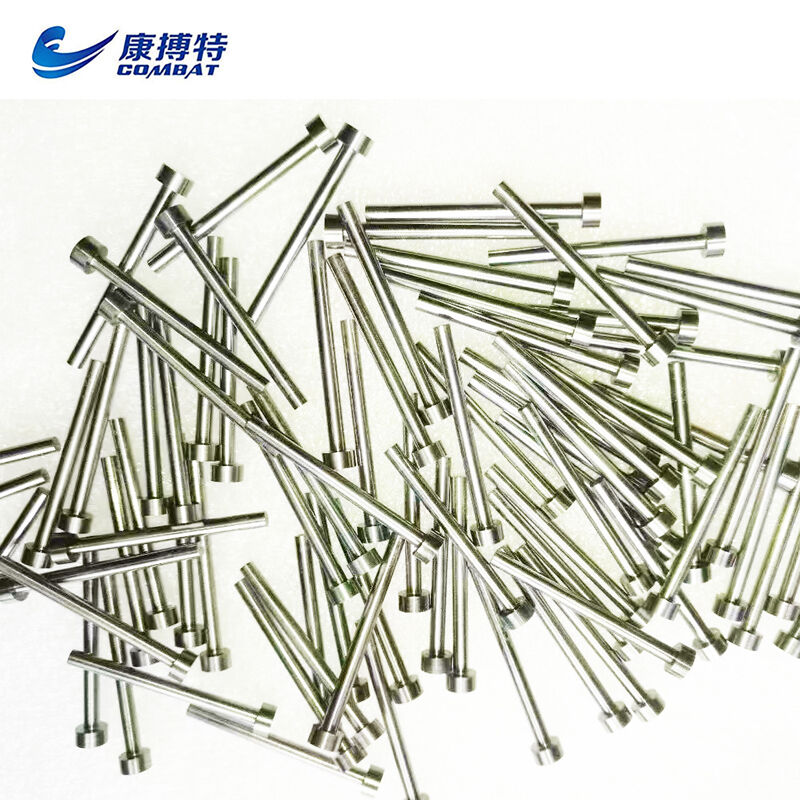
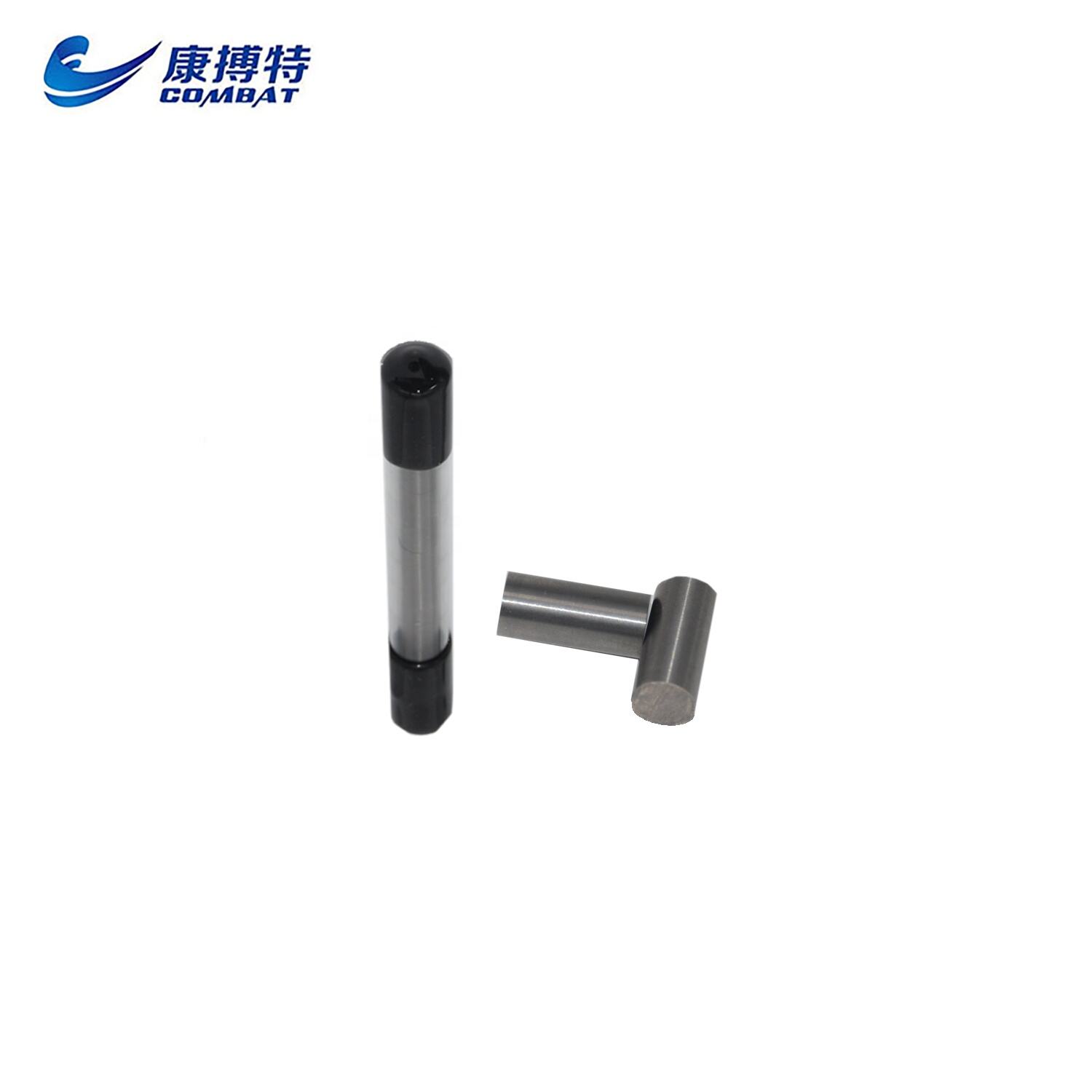
Tungsten alloy represents a sophisticated material solution that combines tungsten with other metals such as nickel, copper, iron, or cobalt to create a composite with exceptional properties. This engineered material typically contains 90-97% tungsten content, resulting in a substance that delivers remarkable density, strength, and performance characteristics. The primary function of tungsten alloy lies in its ability to provide maximum mass in minimal volume, making it invaluable for applications requiring weight concentration in compact spaces. Technologically, tungsten alloy exhibits a density ranging from 16.5 to 19.0 g/cm³, which is approximately twice that of lead and 1.5 times that of depleted uranium, yet it maintains superior mechanical properties and environmental safety. The material demonstrates excellent machinability compared to pure tungsten, allowing manufacturers to create complex shapes and precise components through conventional machining processes. Its high melting point exceeding 3000°C ensures stability in extreme temperature environments, while its low thermal expansion coefficient maintains dimensional accuracy across temperature variations. The alloy possesses outstanding radiation shielding capabilities, effectively absorbing gamma rays and X-rays, which makes it essential for medical and nuclear applications. From a structural perspective, tungsten alloy offers superior tensile strength, typically ranging from 600 to 1000 MPa, combined with good ductility that prevents brittle failure under stress. Applications span diverse industries including aerospace, where it serves as counterweights and ballast; medical technology, where it functions in radiation therapy equipment; defense sectors, utilizing it for kinetic energy penetrators; and industrial fields, employing it for vibration dampening and high-precision balancing. The material's non-magnetic properties make it suitable for sensitive electronic environments, while its corrosion resistance ensures longevity in challenging conditions. Manufacturing processes for tungsten alloy involve powder metallurgy techniques, where tungsten powder is mixed with binding metals, pressed into desired shapes, and sintered at high temperatures to achieve full density and optimal mechanical properties.

New Product Recommendations

Tungsten alloy delivers substantial practical benefits that directly impact operational efficiency and cost-effectiveness for users across multiple sectors. The material's exceptional density provides the most significant advantage, allowing engineers to achieve required mass in significantly smaller volumes compared to traditional materials. This space-saving characteristic translates to more compact product designs, reduced shipping costs, and improved system integration in weight-critical applications. Users benefit from the alloy's superior strength-to-weight ratio, which enables components to withstand high mechanical stresses without failure, reducing maintenance requirements and extending service life. The excellent machinability of tungsten alloy means manufacturers can produce complex geometries with tight tolerances using standard equipment, eliminating the need for specialized tooling and reducing production costs. This processability advantage allows for rapid prototyping and shorter lead times, helping businesses respond quickly to market demands. The material's environmental friendliness stands out as a crucial benefit, particularly when compared to alternatives like depleted uranium or lead. Tungsten alloy poses no toxicity concerns, requires no special handling procedures, and generates no hazardous waste during manufacturing or disposal, simplifying regulatory compliance and reducing liability risks. Its radiation shielding effectiveness provides dual benefits: protecting personnel from harmful radiation exposure while maintaining compact equipment dimensions in medical and industrial settings. The thermal stability of tungsten alloy ensures consistent performance across extreme temperature ranges, eliminating concerns about dimensional changes or property degradation in demanding environments. This reliability reduces the need for temperature compensation mechanisms and simplifies system design. Users appreciate the material's corrosion resistance, which maintains component integrity in harsh chemical environments without requiring protective coatings or frequent replacements. The non-magnetic nature of tungsten alloy prevents interference with sensitive electronic equipment and magnetic fields, making it ideal for precision instruments and medical devices where magnetic properties could compromise functionality. From a financial perspective, while the initial material cost may be higher than conventional alternatives, the total cost of ownership proves favorable due to extended service life, reduced maintenance, minimal replacement frequency, and elimination of special handling requirements. The material's versatility allows a single alloy composition to serve multiple functions within a system, simplifying inventory management and reducing procurement complexity. Manufacturing consistency ensures predictable performance characteristics across production batches, minimizing quality control concerns and reducing rejection rates. The global availability of tungsten alloy through established supply chains provides procurement security and competitive pricing options for buyers.

Latest News

Gathering in Luoyang for Tungsten & Molybdenum, Uniting Hearts to Forge a New Dream Forward​

24

Apr

Gathering in Luoyang for Tungsten & Molybdenum, Uniting Hearts to Forge a New Dream Forward​

View More
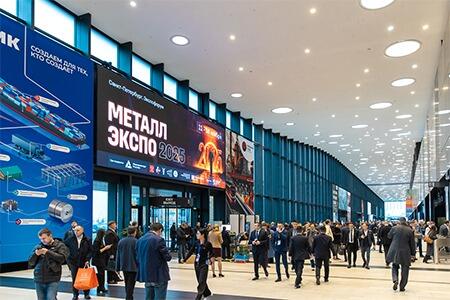
The 31st Russia International Metal and Metallurgy Industry Exhibition 2025 (Metal-Expo)

24

Apr

The 31st Russia International Metal and Metallurgy Industry Exhibition 2025 (Metal-Expo)

View More
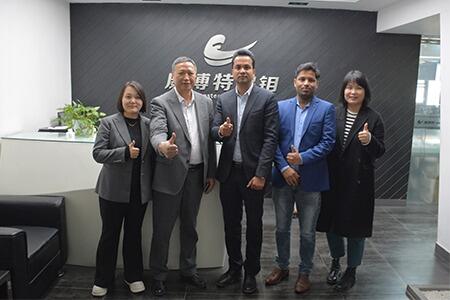
Indian Delegation Visits Youbo, Signs Molybdenum Bar and Tungsten Alloy Procurement Agreement​​

24

Apr

Indian Delegation Visits Youbo, Signs Molybdenum Bar and Tungsten Alloy Procurement Agreement​​

View More
Luoyang Combat Tungsten & Molybdenum Materials Co., Ltd. Shines at Asia Ferroalloys 2025 Conference to Forge Global Collaboration Opportunities

24

Apr

Luoyang Combat Tungsten & Molybdenum Materials Co., Ltd. Shines at Asia Ferroalloys 2025 Conference to Forge Global Collaboration Opportunities

View More

Get a Free Quote

Our representative will contact you soon.
Email
Name
Country/Region
Mobile/WhatsApp
Product Name
Message
0/1000

tungsten alloy

Unmatched Density for Maximum Performance in Minimal Space

Unmatched Density for Maximum Performance in Minimal Space

The extraordinary density of tungsten alloy, ranging from 16.5 to 19.0 grams per cubic centimeter, represents its most compelling feature and delivers transformative value across countless applications. This density level means that tungsten alloy components occupy approximately half the volume of steel parts while providing the same mass, or alternatively, deliver twice the mass in the same space. For aerospace applications, this characteristic proves invaluable in aircraft and helicopter rotor systems where counterweights must fit within strict dimensional constraints while providing precise balancing forces. The compact nature of tungsten alloy counterweights allows engineers to position mass exactly where needed without compromising aerodynamic profiles or structural integrity. In medical radiation therapy equipment, the high density enables effective shielding in portable devices and compact treatment heads, making advanced cancer treatment accessible in smaller clinical settings. The material's density advantage extends to sporting goods, where golf club manufacturers use tungsten alloy to optimize weight distribution in club heads, positioning mass at strategic points to improve swing dynamics and ball flight characteristics without increasing overall club dimensions. Industrial vibration dampening applications benefit enormously from this density, as tungsten alloy components absorb and dissipate vibrational energy more effectively than lower-density alternatives, protecting sensitive machinery and extending equipment life. The defense industry leverages this density for kinetic energy penetrators, where maximum mass in minimum cross-sectional area translates directly to superior armor penetration capabilities. Oil and gas drilling operations utilize tungsten alloy in drill collars and logging tools, where the high density provides necessary weight-on-bit in directional drilling while maintaining slim hole compatibility. The fishing industry employs tungsten alloy in sinkers and lures, achieving faster sink rates and better sensitivity in compact profiles that attract fish more effectively. Watchmakers value the material for creating substantial timepiece components that convey quality and precision while maintaining elegant proportions. The density advantage also manifests in radiation shielding applications beyond medical uses, including nuclear power facilities, industrial radiography, and research laboratories, where space limitations demand maximum shielding effectiveness per unit volume. This fundamental property of tungsten alloy eliminates design compromises, allowing engineers to achieve performance objectives that would be impossible with conventional materials.
Superior Machinability Enabling Precision Manufacturing and Cost Efficiency

Superior Machinability Enabling Precision Manufacturing and Cost Efficiency

Tungsten alloy distinguishes itself through exceptional machinability that sets it apart from pure tungsten and many other high-density materials, delivering significant manufacturing advantages and cost benefits. Unlike pure tungsten, which exhibits extreme brittleness and requires specialized processing techniques, tungsten alloy can be machined using conventional equipment including lathes, mills, grinders, and drilling machines with standard carbide or high-speed steel tooling. This machinability allows manufacturers to produce components with complex geometries, tight tolerances, and excellent surface finishes without investing in exotic equipment or developing specialized expertise. The material responds predictably to machining operations, producing consistent chip formation and minimal tool wear, which translates to lower production costs and faster throughput. Manufacturers can achieve tolerances within 0.001 inches routinely, meeting the demanding specifications of aerospace, medical, and precision instrument applications. The ability to machine tungsten alloy means that prototypes can be produced quickly and economically, allowing designers to test and refine concepts before committing to large production runs. This rapid iteration capability accelerates product development cycles and reduces time-to-market for new innovations. Threading operations proceed smoothly in tungsten alloy, enabling the creation of fasteners, adjustable components, and assemblies that require precise mechanical interfaces. The material accepts various surface treatments including electroplating, anodizing, and coating applications, allowing manufacturers to enhance corrosion resistance, improve aesthetics, or add functional surface properties as needed. Welding and brazing operations can be performed successfully on tungsten alloy, facilitating the creation of complex assemblies and the integration of tungsten alloy components with other materials in hybrid structures. The machinability advantage extends to secondary operations such as deburring, polishing, and finishing, which proceed efficiently without special procedures or equipment. For businesses, this translates to the ability to source tungsten alloy components from a broad base of machine shops rather than relying on specialized suppliers, promoting competitive pricing and supply chain flexibility. The material's machinability also enables repair and modification of existing components, extending asset life and reducing replacement costs. Small-batch and custom production becomes economically viable, allowing businesses to serve niche markets and specialized applications without prohibitive tooling investments. The predictable machining behavior reduces scrap rates and quality issues, improving manufacturing yield and profitability.
Environmental Safety and Regulatory Compliance Without Performance Compromise

Environmental Safety and Regulatory Compliance Without Performance Compromise

Tungsten alloy provides a environmentally responsible alternative to toxic heavy metals while maintaining superior performance characteristics, delivering substantial value through simplified handling, reduced liability, and enhanced corporate sustainability profiles. Unlike lead, which poses serious health risks through ingestion and inhalation, or depleted uranium, which carries radiological concerns and strict regulatory controls, tungsten alloy presents no significant toxicity hazards under normal use conditions. This safety profile eliminates the need for specialized personal protective equipment beyond standard machine shop practices, reducing training requirements and operational costs. Workers can handle tungsten alloy components without fear of toxic exposure, improving workplace safety and employee confidence. The material requires no special storage conditions, hazardous material labeling, or containment procedures, simplifying inventory management and reducing facility compliance burdens. Manufacturing operations using tungsten alloy generate no hazardous waste streams requiring special disposal procedures, eliminating costly waste management contracts and regulatory reporting obligations. This environmental advantage proves particularly valuable in medical applications, where patient and staff safety concerns are paramount, and in consumer products, where manufacturers face increasing scrutiny regarding material safety. The non-toxic nature of tungsten alloy enables its use in applications involving food contact, potable water systems, and consumer goods without triggering regulatory restrictions or safety concerns. Companies using tungsten alloy can market their products as environmentally friendly alternatives, appealing to increasingly eco-conscious consumers and meeting corporate sustainability goals. The material's recyclability adds another environmental dimension, as tungsten alloy scrap retains significant value and can be reprocessed into new products, supporting circular economy principles and reducing raw material costs. Disposal of end-of-life tungsten alloy components follows standard metal recycling procedures without special handling or environmental remediation requirements, minimizing lifecycle costs and environmental impact. International shipping of tungsten alloy products proceeds without the documentation, permits, and restrictions that apply to hazardous materials, simplifying export operations and expanding market access. Insurance costs remain lower for facilities using tungsten alloy compared to those handling toxic alternatives, as the reduced risk profile translates to lower premiums and liability exposure. Regulatory compliance becomes straightforward, as tungsten alloy typically falls outside the scope of environmental regulations governing heavy metals, reducing administrative burden and legal risk. This combination of safety, environmental responsibility, and regulatory simplicity allows businesses to focus resources on core operations rather than compliance management while maintaining the high-performance characteristics essential for demanding applications.

Get a Free Quote

Our representative will contact you soon.
Email
Name
Country/Region
Mobile/WhatsApp
Product Name
Message
0/1000