tungsten carbide alloy
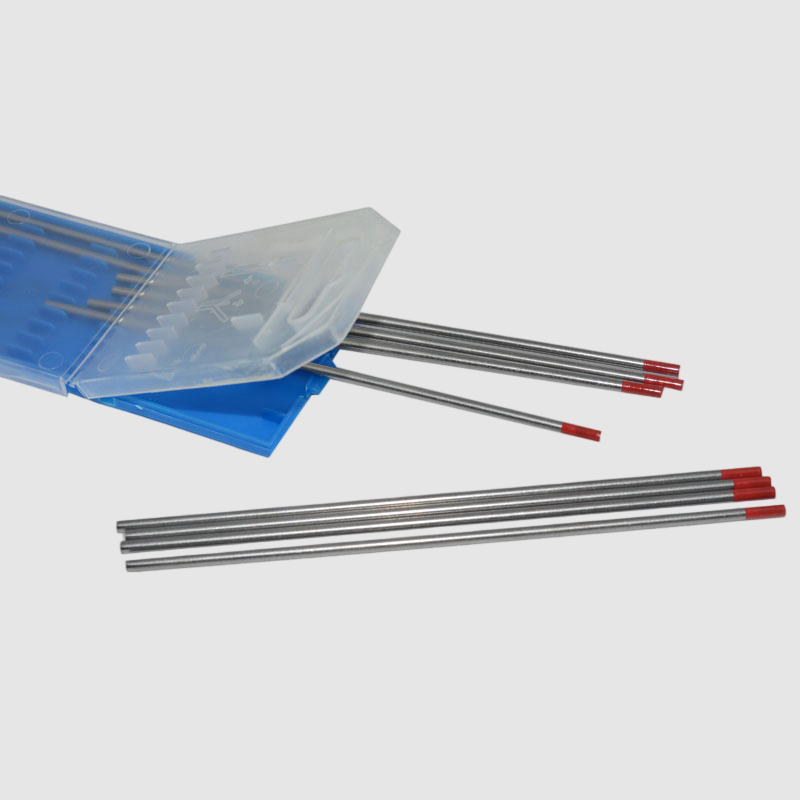
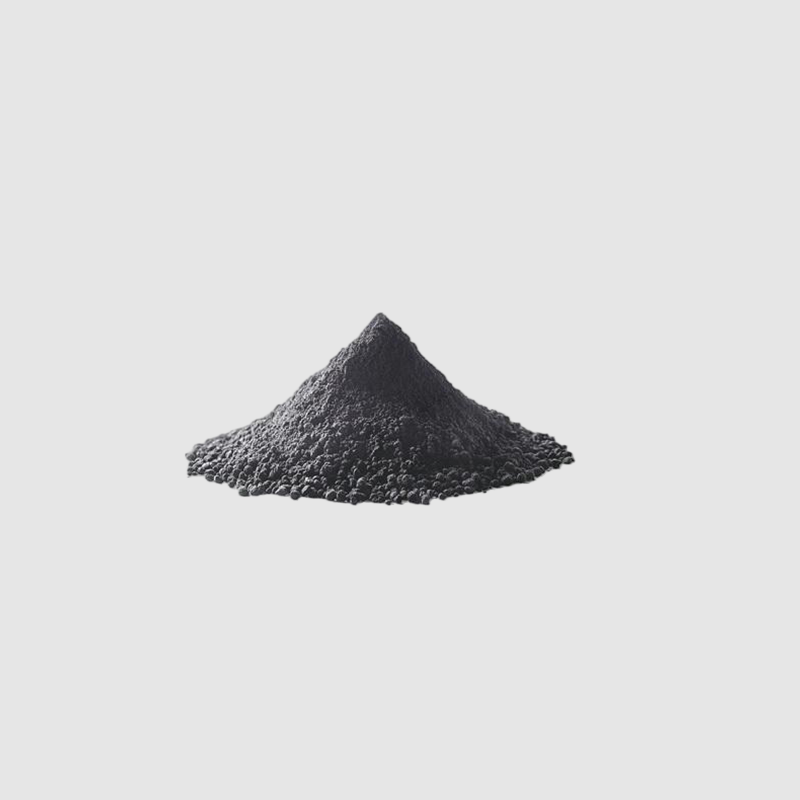
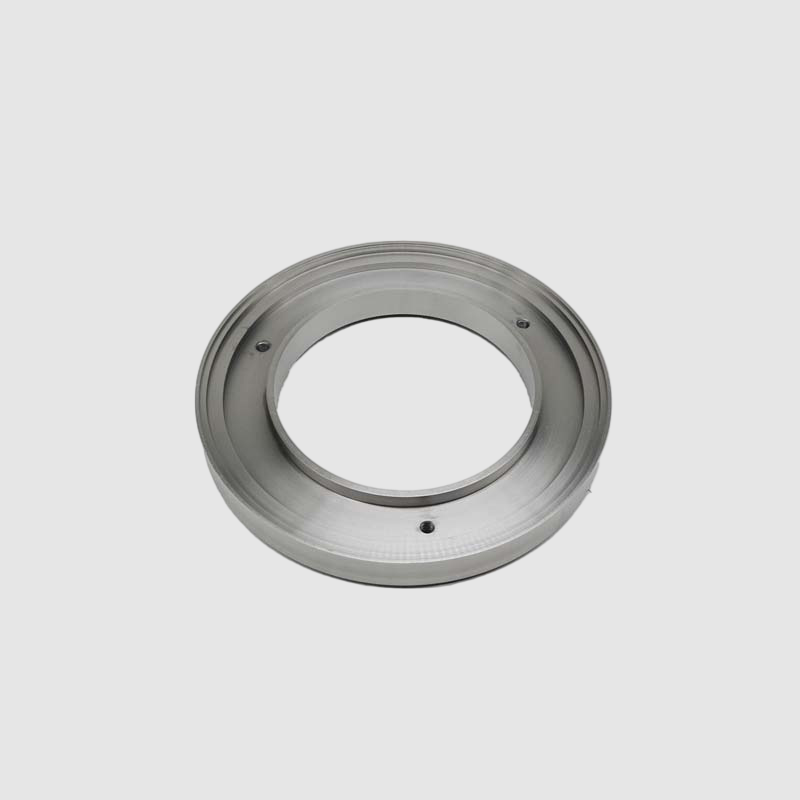
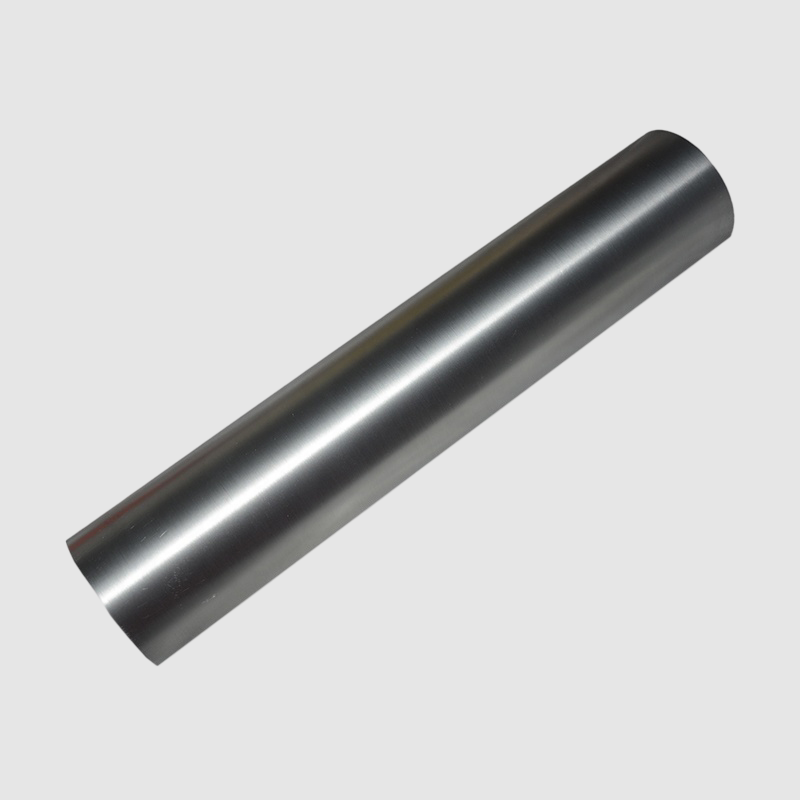
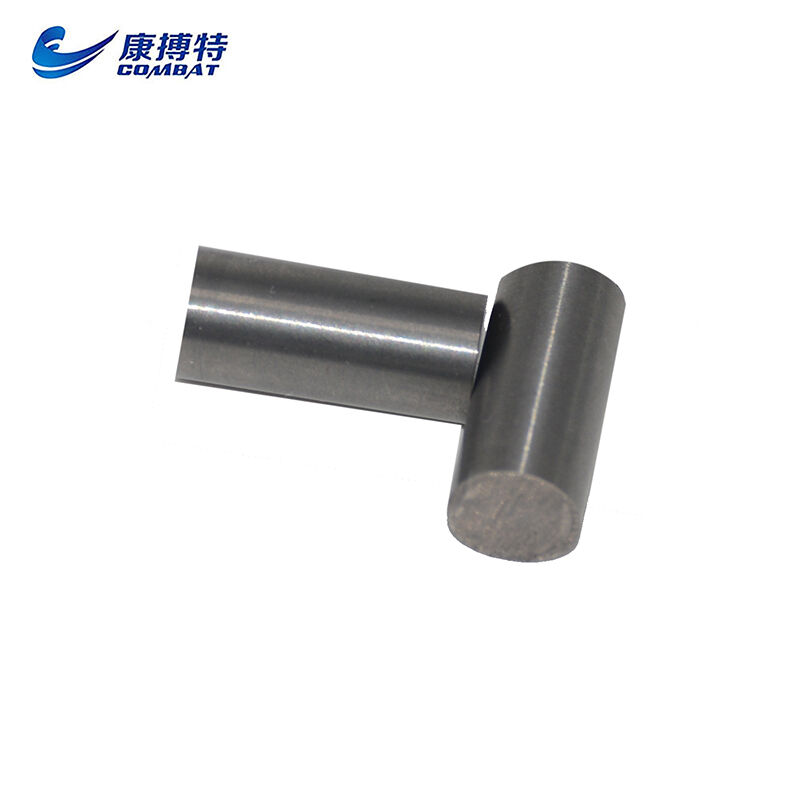
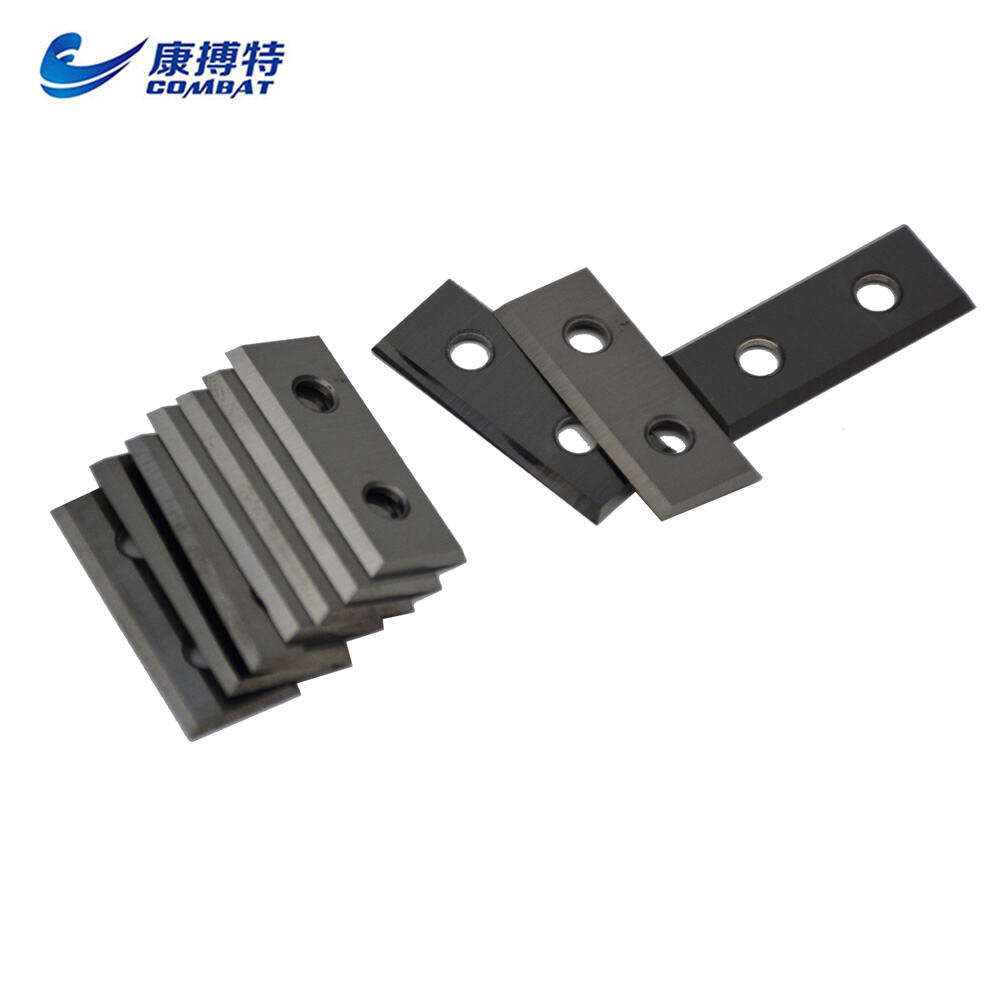
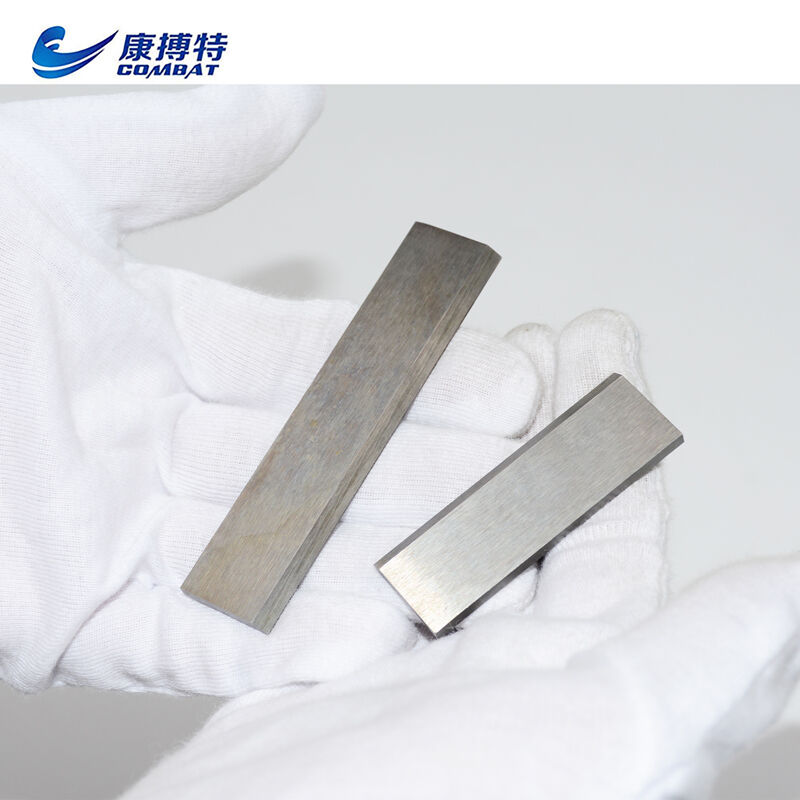
Tungsten carbide alloy represents one of the most remarkable engineering materials available in modern manufacturing and industrial applications. This exceptional compound combines tungsten and carbon atoms in a precise crystalline structure, creating a material that delivers outstanding performance across demanding environments. The alloy typically incorporates a metallic binder, most commonly cobalt, which holds the tungsten carbide particles together while maintaining the material's superior characteristics. The main functions of tungsten carbide alloy center on its ability to withstand extreme conditions that would quickly degrade conventional materials. It serves as a cutting tool material that maintains sharp edges even when processing hardened steel and exotic alloys. The alloy functions effectively as a wear-resistant surface in mining equipment, oil drilling components, and industrial machinery where abrasion would normally cause rapid deterioration. Its technological features include a hardness rating that approaches diamond on the Mohs scale, making it one of the hardest materials used in commercial applications. The alloy maintains structural integrity at elevated temperatures, resisting deformation and softening that affects standard steel tools. It exhibits excellent thermal conductivity, allowing heat to dissipate quickly during high-speed operations. The material demonstrates remarkable compressive strength, supporting heavy loads without cracking or crushing. Applications for tungsten carbide alloy span numerous industries and specialized uses. Manufacturing facilities rely on it for cutting inserts, end mills, and drill bits that machine everything from aluminum to titanium. Mining operations use tungsten carbide alloy in drill bits, crusher components, and excavation tools that penetrate rock formations. The oil and gas sector depends on it for drill bits that bore through miles of earth and rock. Woodworking industries utilize it in saw blades and router bits that maintain sharpness through thousands of cuts. The material appears in surgical instruments, jewelry, and even smartphone components where durability matters most.





 EN
EN