Tungsten Cobalt Carbide: Ultimate Guide to Industrial Hard Material Solutions

Get a Free Quote

Our representative will contact you soon.
Email
Name
Country/Region
Mobile/WhatsApp
Product Name
Message
0/1000

tungsten cobalt carbide

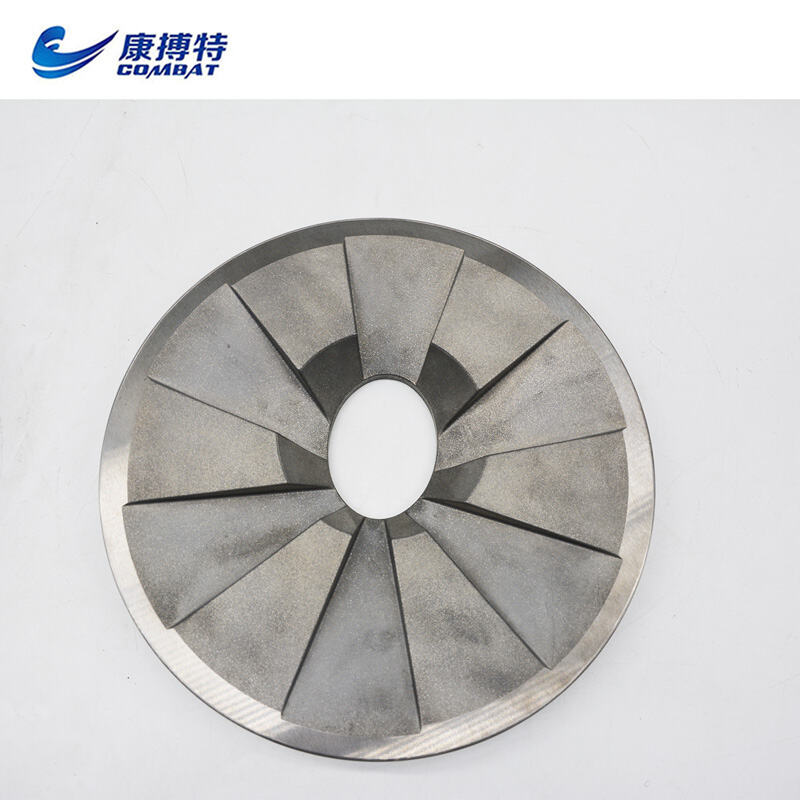
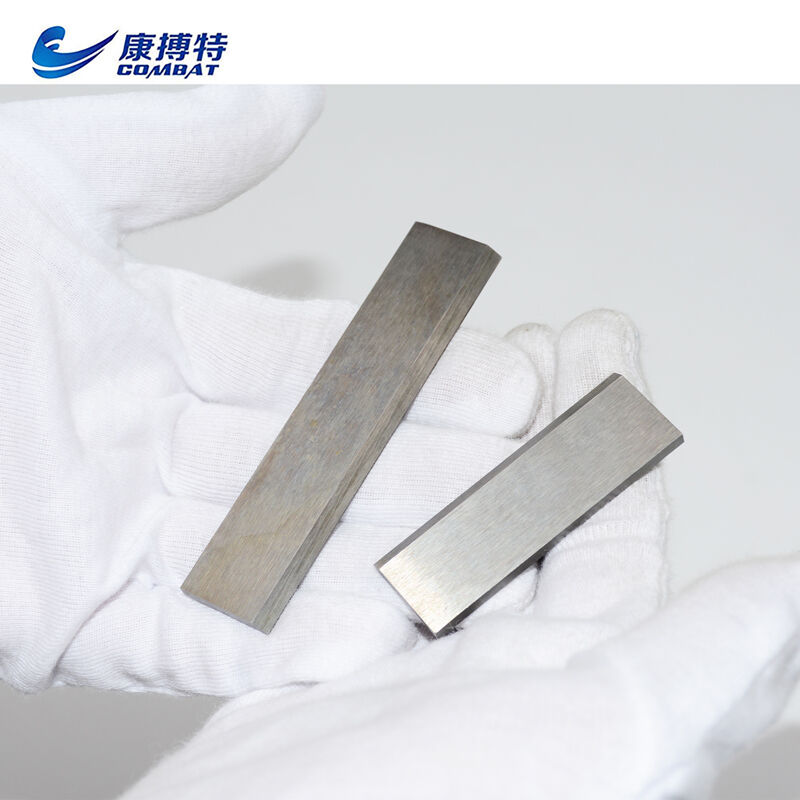
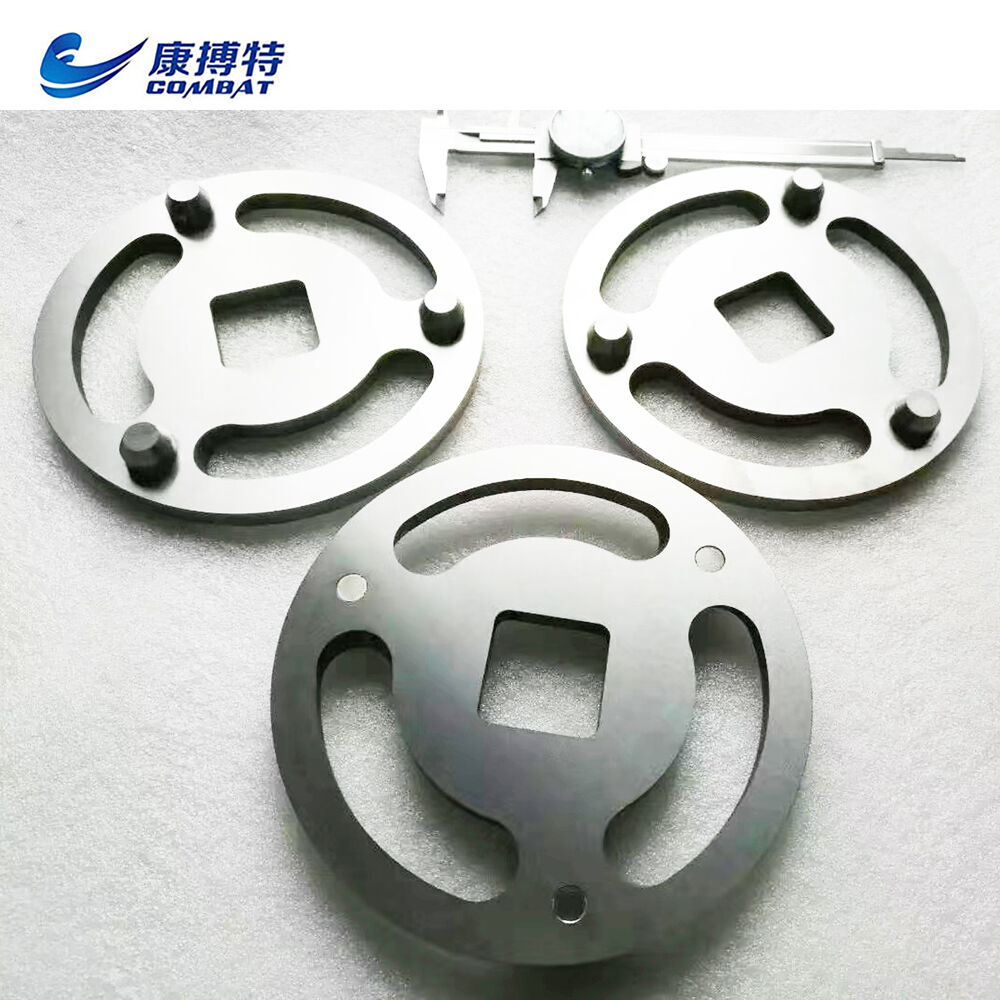
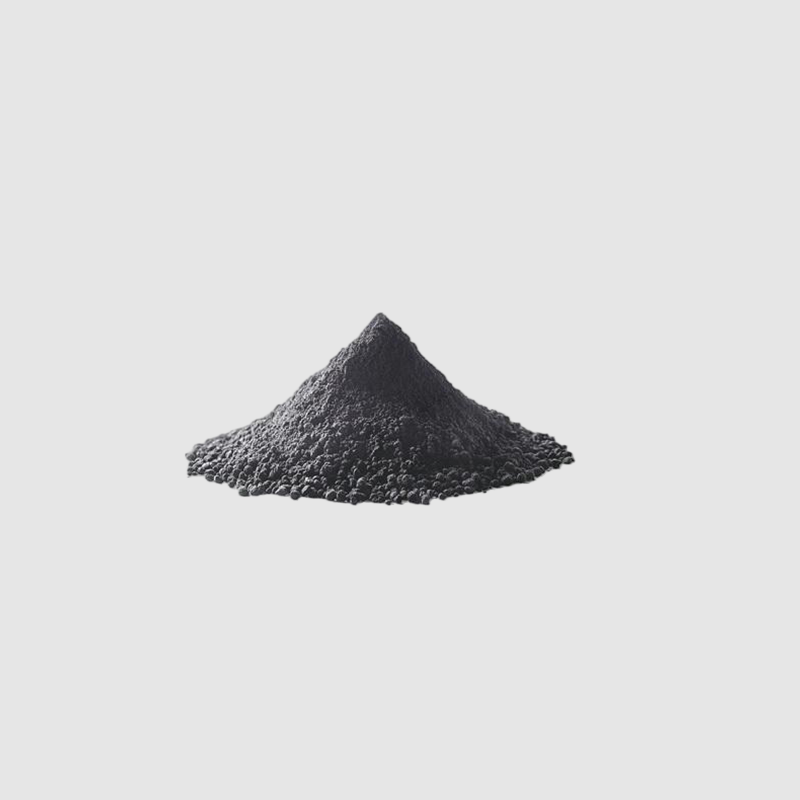
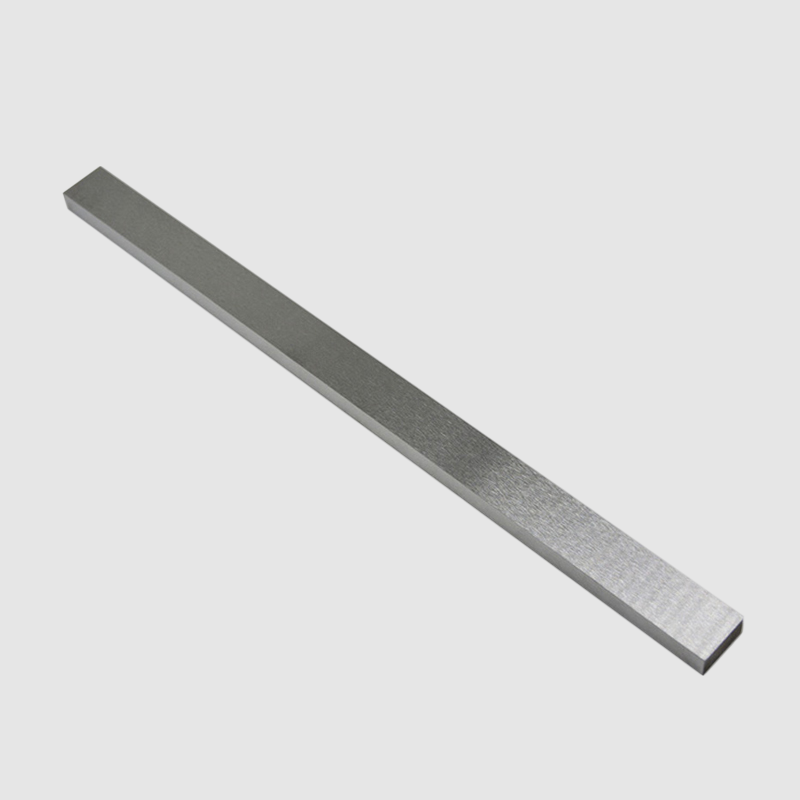
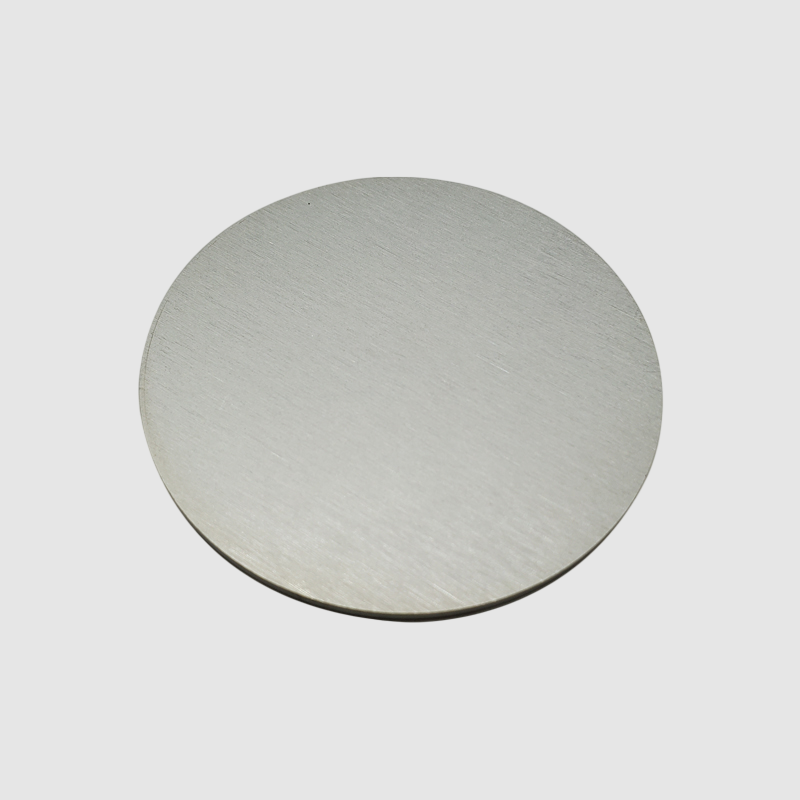
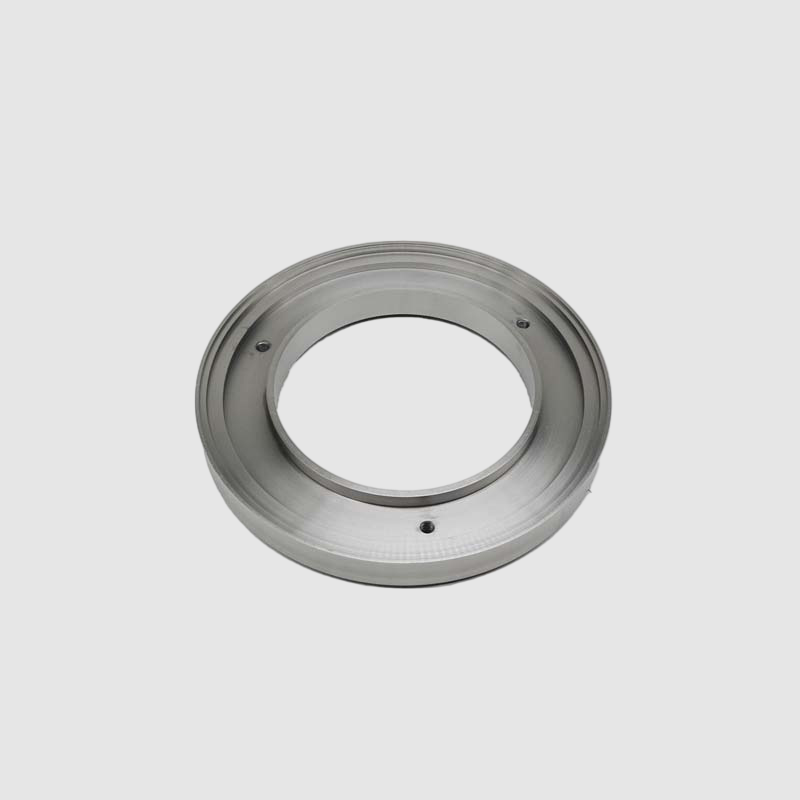
Tungsten cobalt carbide represents a revolutionary material that combines tungsten carbide particles with cobalt metal binder to create one of the hardest and most durable substances available for industrial applications. This composite material delivers exceptional performance in demanding environments where traditional materials fail. The primary function of tungsten cobalt carbide involves providing superior wear resistance, maintaining sharp cutting edges, and withstanding extreme temperatures during high-speed operations. Manufacturing processes bond tungsten carbide grains with cobalt through powder metallurgy techniques, resulting in a material that exhibits remarkable hardness while retaining necessary toughness. The cobalt content typically ranges from 3 to 25 percent, with higher percentages offering increased toughness and lower percentages providing greater hardness. This versatility allows manufacturers to customize properties for specific applications. Technological features include exceptional hot hardness that remains stable at temperatures exceeding 1000 degrees Celsius, outstanding compression strength that prevents deformation under heavy loads, and superior abrasion resistance that extends tool life significantly. The material maintains its structural integrity in corrosive environments and resists thermal shock during rapid temperature changes. Applications span numerous industries including metalworking, mining, construction, oil and gas extraction, and manufacturing. Cutting tools made from tungsten cobalt carbide machine hardened steels, cast iron, and non-ferrous metals with precision and efficiency. Mining operations utilize this material for drill bits, crushing equipment, and excavation tools that penetrate rock formations. Manufacturing facilities depend on tungsten cobalt carbide for dies, punches, and forming tools that shape metal components. The aerospace industry employs these materials for turbine components and precision instruments. Woodworking operations benefit from saw blades and router bits that maintain sharpness through extended use. The material's combination of hardness and toughness makes it indispensable for applications requiring long service life and consistent performance under severe operating conditions.

New Product Releases

Choosing tungsten cobalt carbide delivers substantial benefits that directly impact your operational efficiency and bottom line. The material outlasts conventional steel tools by factors of ten to fifty times, reducing replacement frequency and minimizing downtime for tool changes. This extended service life translates into lower overall costs despite higher initial investment. Your production rates increase because tungsten cobalt carbide maintains cutting performance at higher speeds than traditional materials allow. Faster machining speeds mean more parts produced per shift, improving throughput without additional labor costs. The material handles interrupted cuts and impact loads that would shatter ceramic alternatives, providing reliability in real-world conditions where unexpected obstacles occur. Temperature stability ensures consistent performance regardless of heat generation during operation. While other materials soften and lose effectiveness as temperatures rise, tungsten cobalt carbide retains its hardness and cutting ability. This characteristic proves essential for high-speed machining where friction generates significant heat. Your finished products exhibit better surface quality because the material maintains sharp edges throughout its service life. Consistent edge geometry produces uniform finishes that meet tight tolerances without constant adjustment. Reduced vibration during cutting operations results from the material's rigidity and dampening properties, contributing to improved accuracy and surface finish. The versatility of tungsten cobalt carbide eliminates the need to stock multiple tool types for different materials. A single grade often handles various workpiece materials, simplifying inventory management and reducing capital tied up in tooling. Maintenance requirements decrease substantially because the material resists wear, corrosion, and deformation. Tools require less frequent sharpening and reconditioning, freeing maintenance personnel for other tasks. Environmental benefits emerge from reduced material waste as longer-lasting tools generate fewer discarded components. Energy efficiency improves because higher cutting speeds and feeds reduce the time machines run to complete jobs. The material's resistance to chemical attack allows use with various coolants and cutting fluids without degradation concerns. Predictable tool life enables better production planning as you can schedule tool changes based on actual usage rather than unexpected failures. This predictability reduces emergency situations and allows for organized maintenance during planned downtime. Worker safety improves because tools fail less frequently and catastrophically, reducing risks of flying debris or sudden equipment malfunction. The material's proven track record across industries provides confidence in its performance, backed by decades of successful applications and continuous technological improvements that enhance properties and expand capabilities.

Practical Tips

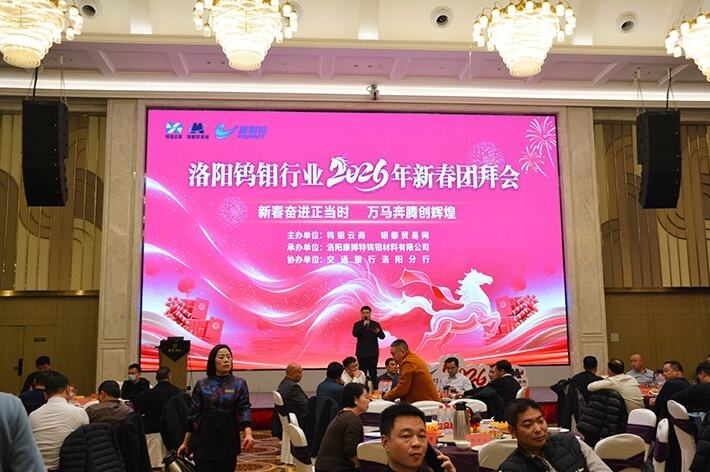
Gathering in Luoyang for Tungsten & Molybdenum, Uniting Hearts to Forge a New Dream Forward​

24

Apr

Gathering in Luoyang for Tungsten & Molybdenum, Uniting Hearts to Forge a New Dream Forward​

View More
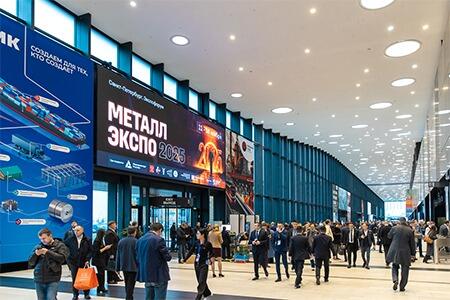
The 31st Russia International Metal and Metallurgy Industry Exhibition 2025 (Metal-Expo)

24

Apr

The 31st Russia International Metal and Metallurgy Industry Exhibition 2025 (Metal-Expo)

View More
The Grand Opening Of The 2025 China International Powder Metallurgy, Hard Alloy And Advanced Ceramics Exhibition

24

Apr

The Grand Opening Of The 2025 China International Powder Metallurgy, Hard Alloy And Advanced Ceramics Exhibition

View More
Luoyang Combat Tungsten & Molybdenum Materials Co., Ltd. Shines at Asia Ferroalloys 2025 Conference to Forge Global Collaboration Opportunities

24

Apr

Luoyang Combat Tungsten & Molybdenum Materials Co., Ltd. Shines at Asia Ferroalloys 2025 Conference to Forge Global Collaboration Opportunities

View More

Get a Free Quote

Our representative will contact you soon.
Email
Name
Country/Region
Mobile/WhatsApp
Product Name
Message
0/1000

tungsten cobalt carbide

Unmatched Durability That Reduces Operating Costs

Unmatched Durability That Reduces Operating Costs

The exceptional durability of tungsten cobalt carbide fundamentally changes the economics of tooling and equipment maintenance in industrial operations. This material withstands abrasive wear that rapidly destroys conventional materials, maintaining its functional properties through millions of cycles or extended periods of continuous operation. The cobalt binder matrix holds tungsten carbide particles in a configuration that distributes stress evenly throughout the structure, preventing crack propagation and catastrophic failure. When tools made from this material encounter hard spots in workpieces or abrasive contaminants, the surface wears gradually rather than chipping or breaking suddenly. This predictable wear pattern allows operators to plan replacements during scheduled maintenance rather than responding to emergency failures that halt production. Manufacturing facilities report tool life improvements ranging from 1000 to 5000 percent compared to high-speed steel alternatives in demanding applications. Mining operations document drill bit performance that extends operational periods between changes from hours to days or weeks, dramatically reducing the labor and equipment costs associated with frequent bit changes in remote or underground locations. The material's resistance to erosion proves valuable in applications involving particle-laden fluids or gases, such as slurry pumps, nozzles, and valve components in chemical processing and petroleum refining. Components maintain dimensional accuracy throughout their service life, ensuring consistent product quality and eliminating the gradual performance degradation common with softer materials. The economic impact extends beyond direct replacement costs to include reduced inventory requirements, lower shipping and handling expenses, and decreased disposal costs for worn components. Production managers appreciate the predictability that tungsten cobalt carbide provides, as consistent tool performance eliminates variables that complicate scheduling and quality control. The material's longevity also reduces the environmental footprint of operations by minimizing the resources consumed in manufacturing, transporting, and disposing of replacement tools. Organizations pursuing sustainability goals find that switching to tungsten cobalt carbide aligns with waste reduction initiatives while simultaneously improving operational efficiency. The initial cost premium for tungsten cobalt carbide tools typically returns within the first replacement cycle, with subsequent savings flowing directly to profitability as the material continues performing long after conventional alternatives would have failed multiple times.
Superior Performance Under Extreme Conditions

Superior Performance Under Extreme Conditions

Tungsten cobalt carbide excels in operating environments that push materials to their limits, maintaining functionality where other options fail or perform inadequately. The material's hot hardness characteristic means it retains strength and wear resistance at temperatures that cause conventional tool steels to soften and deform. During high-speed machining operations, cutting edges generate temperatures exceeding 800 degrees Celsius at the tool-chip interface, yet tungsten cobalt carbide maintains its cutting ability without losing hardness or experiencing plastic deformation. This thermal stability enables manufacturers to increase cutting speeds and feeds beyond what traditional materials allow, boosting productivity without sacrificing tool life or part quality. The material performs reliably in cryogenic applications as well, maintaining toughness at temperatures approaching absolute zero where many materials become brittle and fracture easily. Oil and gas operations drilling in arctic conditions or processing liquefied natural gas depend on tungsten cobalt carbide components that function reliably across temperature extremes. The material's chemical inertness provides resistance to corrosive substances that attack and weaken other materials. Acidic, alkaline, and oxidizing environments that rapidly degrade steel or other metals have minimal effect on tungsten cobalt carbide, extending service life in chemical processing, marine applications, and waste treatment facilities. Impact resistance distinguishes tungsten cobalt carbide from purely ceramic hard materials that shatter under shock loads. The cobalt binder provides toughness that absorbs impact energy, allowing tools to survive interrupted cuts, vibration, and occasional overloads that occur in real-world manufacturing environments. This combination of hardness and toughness proves difficult to achieve with other material systems, making tungsten cobalt carbide uniquely suited for applications requiring both properties. Pressure resistance enables the material to function in deep-well drilling, high-pressure pumps, and metal-forming operations where compressive forces would crush or deform lesser materials. The material maintains dimensional stability under load, ensuring precision in applications where tolerances matter. Operators working in demanding conditions appreciate equipment reliability that tungsten cobalt carbide provides, knowing that tools will perform consistently regardless of environmental challenges. This reliability reduces stress and allows focus on optimizing processes rather than compensating for material limitations.
Versatile Applications Across Multiple Industries

Versatile Applications Across Multiple Industries

The adaptability of tungsten cobalt carbide across diverse industrial sectors demonstrates its value as a universal solution for wear and performance challenges. Metalworking operations utilize this material for turning, milling, drilling, and threading tools that machine everything from soft aluminum to hardened tool steels. The ability to select appropriate cobalt content and grain size allows optimization for specific applications, with lower cobalt grades providing maximum hardness for finishing operations and higher cobalt grades offering toughness for roughing cuts and interrupted machining. Woodworking industries employ tungsten cobalt carbide for saw blades, router bits, and planer knives that maintain sharpness through abrasive materials like particleboard, medium-density fiberboard, and wood composites containing adhesives and fillers that quickly dull conventional steel tools. Furniture manufacturers and construction material producers depend on this material to maintain production rates and surface quality standards. Mining and construction sectors rely on tungsten cobalt carbide for rock drilling, excavation, and material handling equipment that encounters the most abrasive conditions imaginable. Drill bits tipped with this material penetrate granite, sandstone, and other hard formations efficiently, while crusher wear parts and grinding media maintain effectiveness through tons of processed material. The petroleum industry uses tungsten cobalt carbide for drill bits, stabilizers, and downhole tools that must withstand high temperatures, pressures, and abrasive drilling fluids while maintaining performance in formations ranging from soft shale to hard limestone. Manufacturing operations across sectors employ tungsten cobalt carbide for stamping dies, drawing dies, and forming tools that shape metal components with precision and consistency. Automotive, aerospace, and appliance manufacturers depend on these tools to produce millions of parts with minimal dimensional variation. Electronics manufacturing utilizes tungsten cobalt carbide for wire drawing dies, cutting tools for printed circuit boards, and precision components in assembly equipment. Medical device manufacturing employs the material for cutting tools that machine titanium implants and stainless steel surgical instruments to exacting specifications. Agricultural equipment incorporates tungsten cobalt carbide in tillage tools, harvesting equipment, and processing machinery that handles soil, crops, and other abrasive materials. The material's proven performance across such varied applications provides confidence for engineers and purchasing managers evaluating solutions for new challenges, knowing that tungsten cobalt carbide likely offers advantages over current materials regardless of industry or specific requirements.
Get a Free Quote

Our representative will contact you soon.
Email
Name
Country/Region
Mobile/WhatsApp
Product Name
Message
0/1000