Superior Chemical Resistance and Material Purity
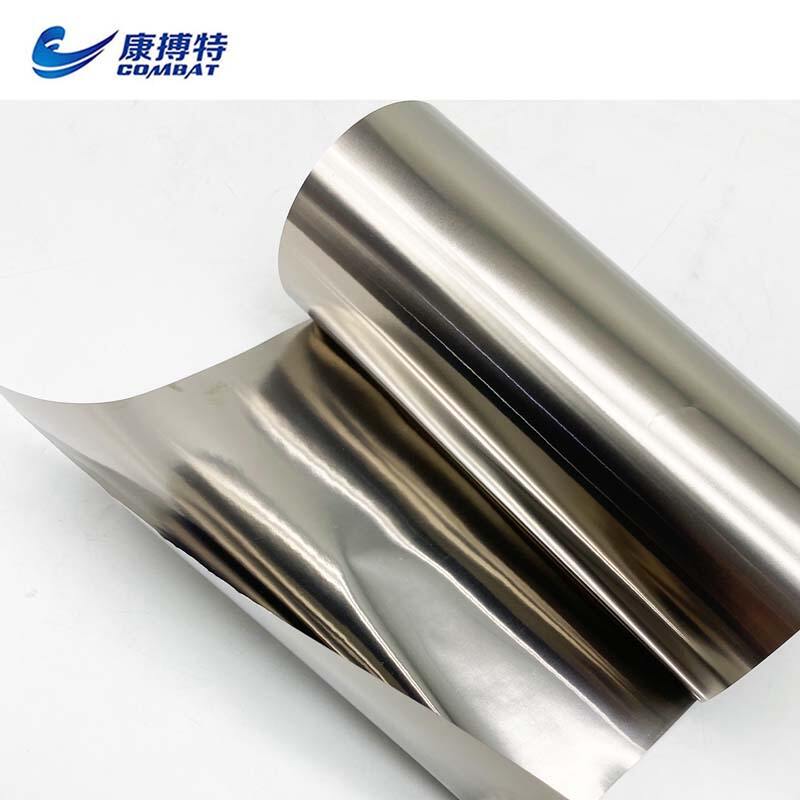
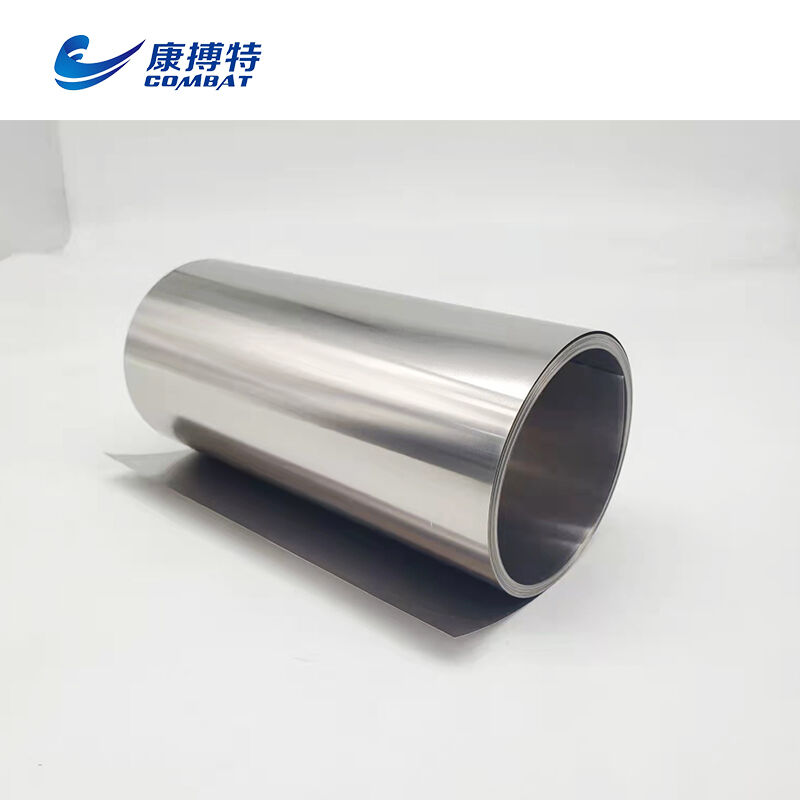
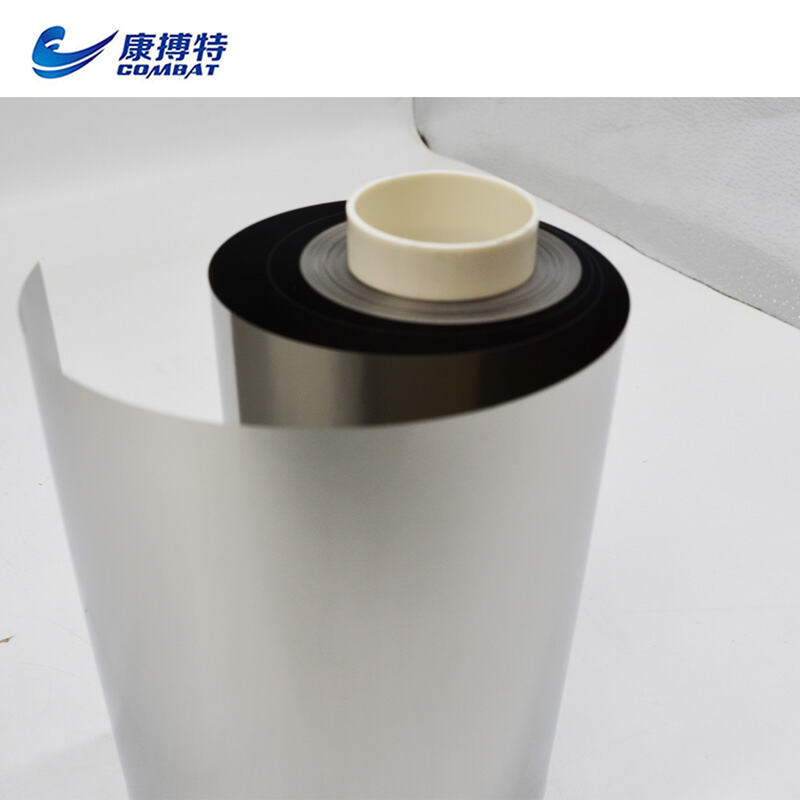
High temperature tungsten foil exhibits exceptional chemical stability that protects it from degradation in aggressive environments while maintaining the purity of sensitive processes. The material resists attack from most mineral acids, including hydrochloric, sulfuric, and nitric acids at moderate concentrations and temperatures. This resistance extends to alkaline solutions, organic solvents, and many molten salts, allowing high temperature tungsten foil to function in chemical processing equipment, electrochemical cells, and corrosive atmospheres. Unlike reactive metals that form thick oxide scales or corrode rapidly, tungsten develops only a thin, adherent oxide layer in oxidizing atmospheres, and this oxidation becomes significant only above 500 degrees Celsius in air. In controlled atmospheres such as vacuum, inert gases, or reducing environments, high temperature tungsten foil operates without oxidation concerns, maintaining its surface finish and dimensional precision indefinitely. The material's inertness prevents contamination of processed materials, a critical requirement in semiconductor manufacturing, pharmaceutical production, and specialty chemical synthesis. High-purity tungsten foil contains minimal impurities, typically less than 50 parts per million of foreign elements, ensuring that no unwanted substances leach into products or processes. This purity level meets the stringent requirements of industries where trace contamination can ruin entire production batches or compromise product performance. High temperature tungsten foil does not react with molten metals such as aluminum, copper, zinc, or precious metals, making it suitable for crucibles, boats, and containment vessels in metallurgical operations. The material's compatibility with reactive metals like titanium, zirconium, and rare earth elements enables processing operations that would be impossible with conventional container materials. In vacuum deposition processes, high temperature tungsten foil serves as a substrate or fixture material without contributing unwanted vapor species that could contaminate thin films. The material's low outgassing rate maintains ultra-high vacuum conditions essential for advanced coating technologies and analytical instruments. Chemical stability extends the service life of high temperature tungsten foil components, reducing replacement frequency and associated labor costs. The material's resistance to hydrogen embrittlement allows use in hydrogen-rich atmospheres and plasma environments without degradation of mechanical properties. This characteristic supports applications in fusion research, hydrogen processing, and plasma-enhanced manufacturing techniques.



 EN
EN