Superior Material Purity and Consistency Standards
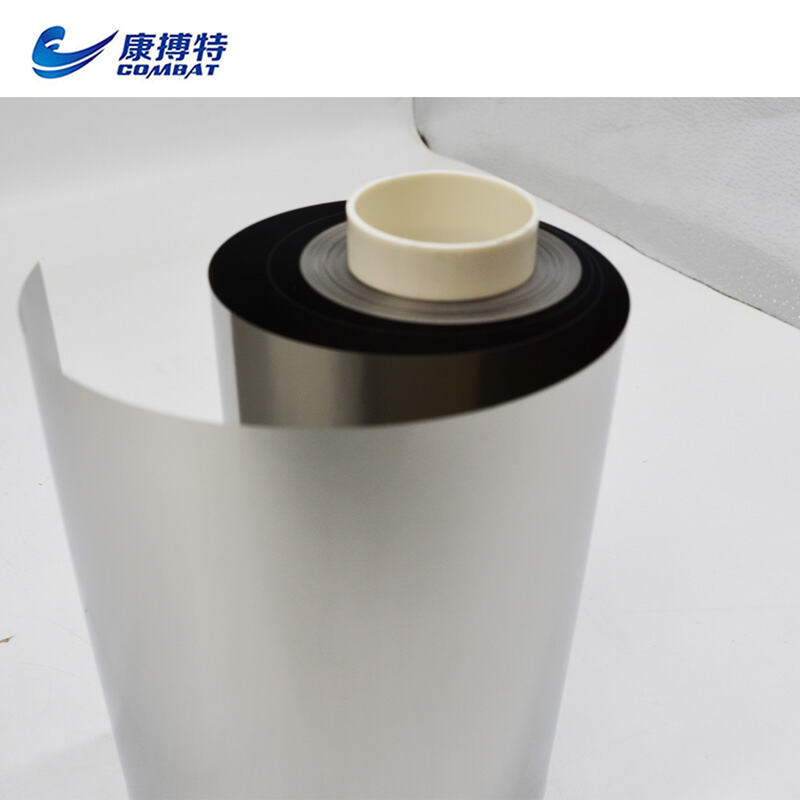
The hallmark of an exceptional tungsten foil supplier lies in their unwavering commitment to material purity and consistency, which directly determines the performance and reliability of your end products. Premium suppliers achieve tungsten purity levels of 99.95 percent or higher through rigorous refining processes that remove impurities like iron, nickel, molybdenum, and other trace elements that could compromise material properties. This high purity level ensures predictable behavior during fabrication and use, particularly critical in applications where even minor contamination causes failure. The consistency aspect extends beyond chemical composition to encompass mechanical properties, dimensional accuracy, and surface quality across every production batch. Advanced suppliers implement statistical process control methods that monitor dozens of parameters throughout manufacturing, from powder preparation through final rolling stages. They conduct regular testing using X-ray fluorescence spectroscopy, inductively coupled plasma mass spectrometry, and other analytical techniques to verify composition. Mechanical testing includes tensile strength measurements, hardness evaluations, and grain structure analysis through metallographic examination. Dimensional inspection utilizes precision micrometers and laser scanning systems to confirm thickness uniformity within tolerances as tight as plus or minus 5 percent. Surface quality assessment involves visual inspection under controlled lighting, roughness measurements using profilometers, and cleanliness verification to ensure freedom from oils, oxides, and particulates. This comprehensive quality assurance approach means that when you order tungsten foil from a top-tier supplier, the material arriving at your facility performs identically to previous shipments, eliminating variables that complicate process development and production scaling. For manufacturers developing new products, this consistency accelerates qualification testing and reduces the iterations needed to achieve desired results. For established production lines, it minimizes process adjustments and maintains stable yields. The value of superior purity becomes especially apparent in demanding applications like semiconductor manufacturing, where impurities can contaminate deposition processes, or in medical devices where material biocompatibility depends on composition control. Similarly, consistency proves invaluable when producing components with tight tolerances or when materials undergo further processing like stamping, etching, or welding where property variations cause defects.



 EN
EN