Molybdenum Wire Uses: High-Temperature Applications, EDM Precision & Industrial Solutions

Get a Free Quote

Our representative will contact you soon.
Email
Name
Country/Region
Mobile/WhatsApp
Product Name
Message
0/1000

molybdenum wire uses

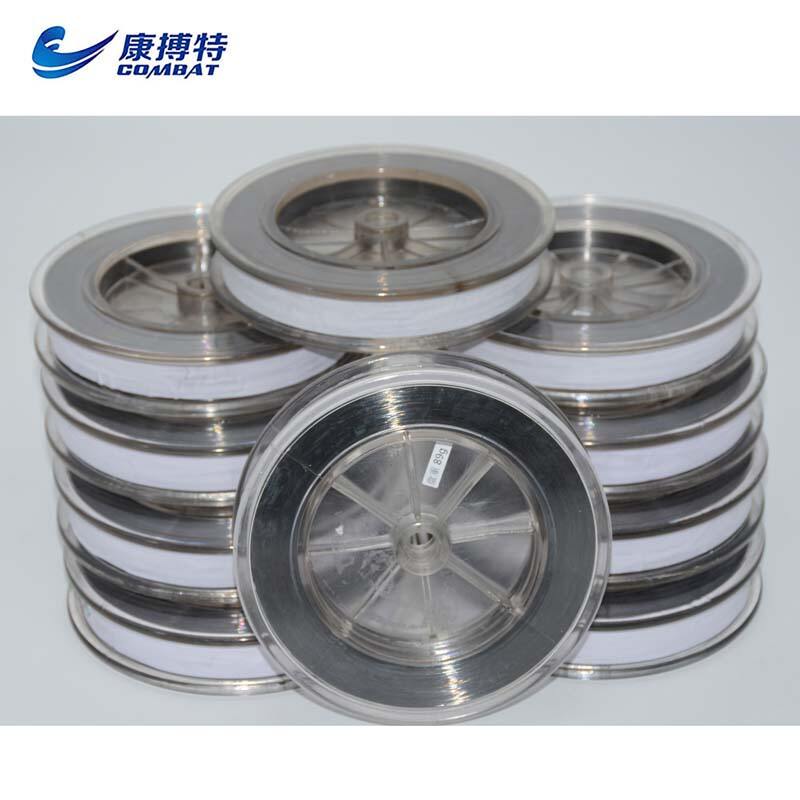
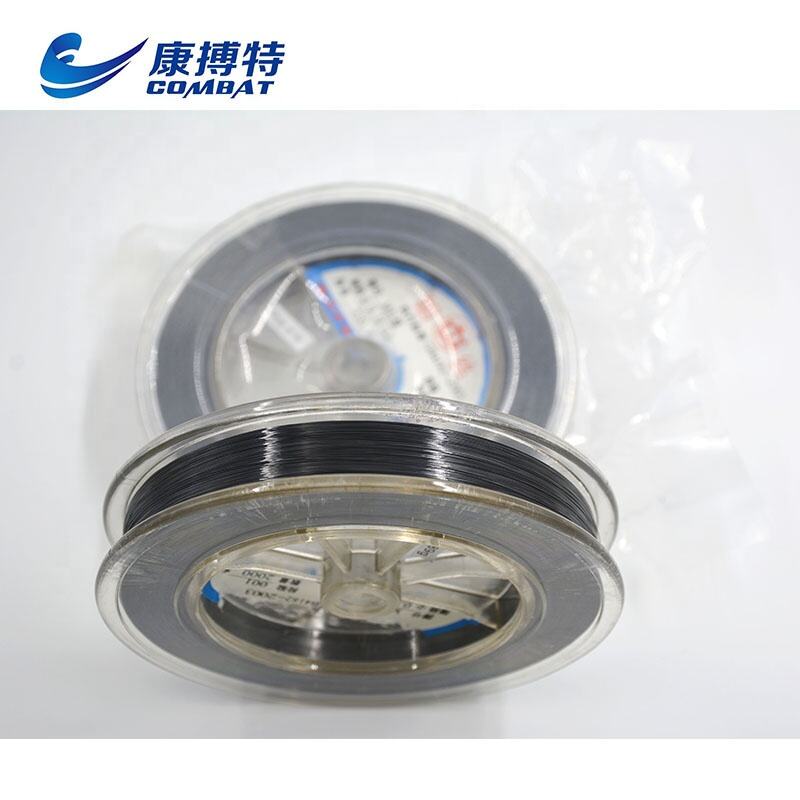
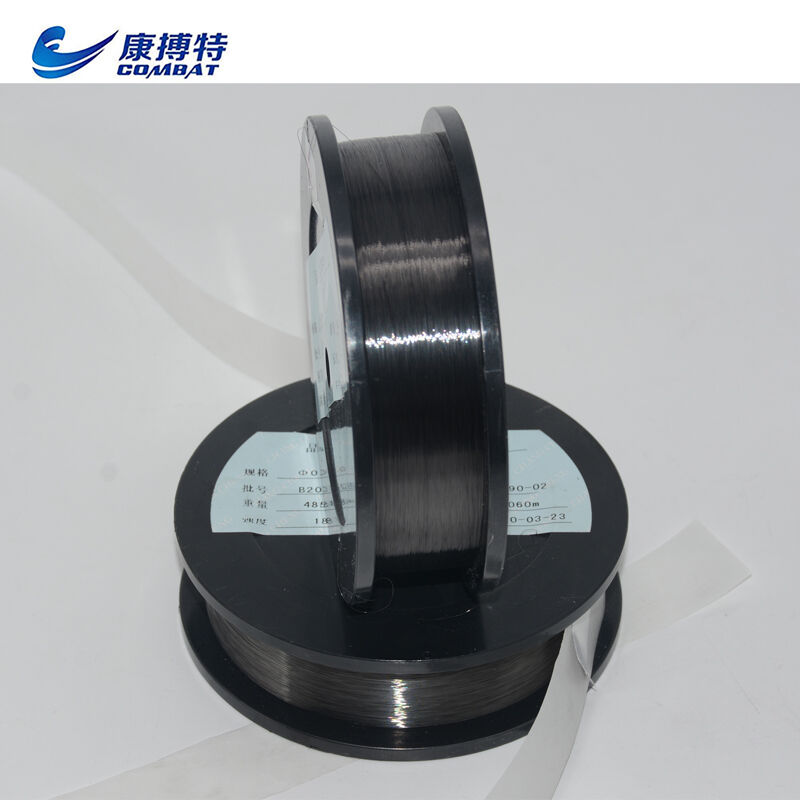
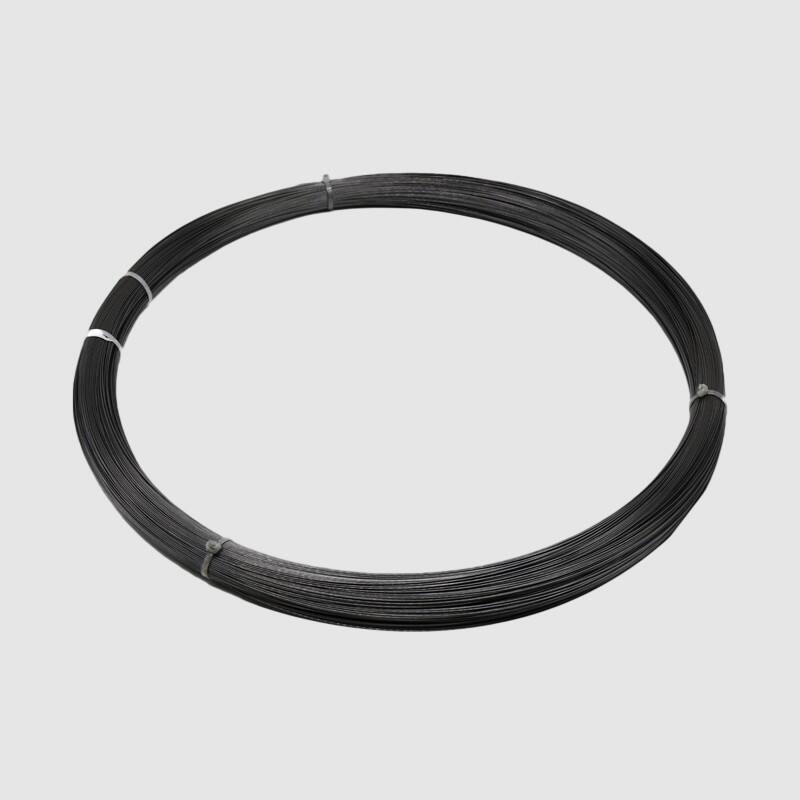
Molybdenum wire uses span across numerous industrial sectors, making this specialized material an essential component in modern manufacturing and technology. This high-performance metal wire serves critical functions in applications requiring exceptional heat resistance, electrical conductivity, and structural integrity under extreme conditions. The primary molybdenum wire uses include electrical discharge machining (EDM), high-temperature furnace components, lighting filament supports, and specialized cutting applications. Its technological features set it apart from conventional wire materials, offering a melting point exceeding 2,600 degrees Celsius, excellent thermal conductivity, and minimal thermal expansion properties. These characteristics make molybdenum wire uses particularly valuable in precision manufacturing environments where dimensional stability matters. The material demonstrates outstanding resistance to corrosion and maintains its mechanical properties even when exposed to aggressive chemical environments. In the electronics industry, molybdenum wire uses extend to semiconductor manufacturing, where the material serves as a critical component in wafer production and integrated circuit fabrication. The aerospace sector relies heavily on molybdenum wire uses for components that must withstand extreme temperatures during flight operations. Medical device manufacturers incorporate this material into surgical instruments and diagnostic equipment, benefiting from its biocompatibility and sterilization resistance. The automotive industry has discovered valuable molybdenum wire uses in spark plug electrodes and heating elements, where reliability and longevity are paramount. Glass manufacturing represents another significant area where molybdenum wire uses prove indispensable, particularly in electrode applications for melting specialty glasses. The material's ability to maintain strength at elevated temperatures while resisting oxidation makes it ideal for these demanding applications, ensuring consistent performance and extended service life across diverse industrial operations.

New Product Recommendations

Understanding the advantages of molybdenum wire uses helps businesses make informed decisions about material selection for critical applications. The foremost benefit lies in its exceptional temperature resistance, allowing components to operate reliably in environments where other materials would fail or degrade rapidly. This thermal stability translates directly into reduced maintenance costs and extended equipment lifespan, providing substantial long-term value for industrial operations. Molybdenum wire uses deliver superior dimensional accuracy because the material exhibits minimal thermal expansion, ensuring precision components maintain their exact specifications even during temperature fluctuations. This characteristic proves particularly valuable in manufacturing processes requiring tight tolerances and consistent results. The electrical properties associated with molybdenum wire uses offer another significant advantage, as the material provides excellent conductivity while maintaining structural integrity under electrical load. This combination enables efficient energy transfer in heating elements and electrical components without compromising mechanical performance. Cost-effectiveness emerges as a practical benefit when evaluating molybdenum wire uses over extended operational periods. While initial material costs may exceed some alternatives, the extended service life and reduced replacement frequency result in lower total ownership costs. The material's resistance to chemical attack means molybdenum wire uses remain viable in corrosive environments where stainless steel or other common materials would deteriorate quickly. This chemical stability eliminates the need for protective coatings or frequent replacements, streamlining maintenance procedures and reducing downtime. Manufacturing flexibility represents another advantage, as molybdenum wire uses accommodate various forming and fabrication techniques, allowing engineers to create custom solutions for specific applications. The material can be drawn to extremely fine diameters while maintaining strength, opening possibilities for miniaturized components and intricate designs. Environmental considerations favor molybdenum wire uses because the material is recyclable and does not release harmful substances during normal operation or disposal. This sustainability aspect aligns with modern corporate responsibility initiatives and regulatory requirements. The reliability factor cannot be overstated, as molybdenum wire uses consistently deliver predictable performance across diverse operating conditions, reducing the risk of unexpected failures in critical systems. Quality assurance becomes simpler because the material's properties remain stable and well-documented, facilitating specification compliance and performance verification. These combined advantages make molybdenum wire uses an intelligent choice for applications demanding uncompromising performance, longevity, and operational efficiency.

Latest News

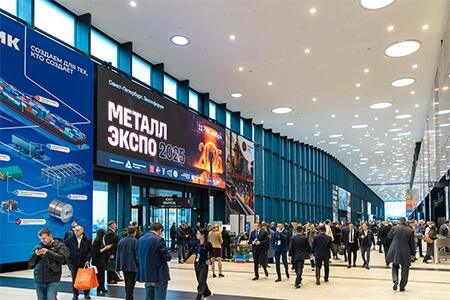
The 31st Russia International Metal and Metallurgy Industry Exhibition 2025 (Metal-Expo)

24

Apr

The 31st Russia International Metal and Metallurgy Industry Exhibition 2025 (Metal-Expo)

View More
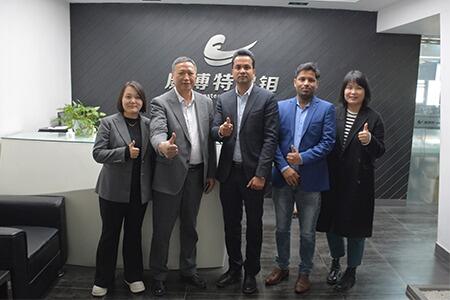
Indian Delegation Visits Youbo, Signs Molybdenum Bar and Tungsten Alloy Procurement Agreement​​

24

Apr

Indian Delegation Visits Youbo, Signs Molybdenum Bar and Tungsten Alloy Procurement Agreement​​

View More
The Grand Opening Of The 2025 China International Powder Metallurgy, Hard Alloy And Advanced Ceramics Exhibition

24

Apr

The Grand Opening Of The 2025 China International Powder Metallurgy, Hard Alloy And Advanced Ceramics Exhibition

View More
Luoyang Combat Tungsten & Molybdenum Materials Co., Ltd. Shines at Asia Ferroalloys 2025 Conference to Forge Global Collaboration Opportunities

24

Apr

Luoyang Combat Tungsten & Molybdenum Materials Co., Ltd. Shines at Asia Ferroalloys 2025 Conference to Forge Global Collaboration Opportunities

View More

Get a Free Quote

Our representative will contact you soon.
Email
Name
Country/Region
Mobile/WhatsApp
Product Name
Message
0/1000

molybdenum wire uses

Unmatched High-Temperature Performance in Demanding Industrial Environments

Unmatched High-Temperature Performance in Demanding Industrial Environments

The exceptional high-temperature capabilities represent one of the most compelling aspects of molybdenum wire uses in modern industry. This material maintains its structural integrity and mechanical properties at temperatures where conventional metals would melt, deform, or lose their functional characteristics entirely. When examining molybdenum wire uses in furnace construction, the material serves as heating elements and structural supports in vacuum furnaces operating above 2,000 degrees Celsius, environments where even specialized steels cannot survive. The material's high melting point of 2,623 degrees Celsius provides an enormous safety margin for applications requiring sustained exposure to extreme heat. Manufacturing facilities benefit from molybdenum wire uses in thermal processing equipment because the material does not sag, creep, or degrade over thousands of heating cycles, ensuring consistent process temperatures and product quality. The aerospace industry leverages molybdenum wire uses in rocket nozzles and heat shields, where components must withstand the intense thermal stress of propulsion systems while maintaining precise geometries. Glass manufacturing operations depend on molybdenum wire uses for electrodes that remain submerged in molten glass at temperatures exceeding 1,500 degrees Celsius for months of continuous operation. The material's low vapor pressure at elevated temperatures means molybdenum wire uses do not contaminate sensitive processes or products, a critical consideration in semiconductor fabrication and specialty glass production. Thermal shock resistance further enhances molybdenum wire uses, as the material tolerates rapid temperature changes without cracking or failing, unlike ceramics or other refractory materials. This resilience enables applications involving cyclic heating and cooling, such as heat treatment furnaces and laboratory equipment. The combination of high-temperature strength and oxidation resistance makes molybdenum wire uses particularly valuable in controlled atmosphere applications, where protective gases prevent surface degradation while the material performs its intended function. Energy efficiency improves with molybdenum wire uses because the material's excellent thermal conductivity enables rapid heating and uniform temperature distribution, reducing energy consumption and processing time in industrial operations.
Precision Manufacturing and Electrical Discharge Machining Excellence

Precision Manufacturing and Electrical Discharge Machining Excellence

Molybdenum wire uses in electrical discharge machining (EDM) have revolutionized precision manufacturing capabilities across multiple industries. This application showcases the material's unique combination of electrical conductivity, tensile strength, and dimensional stability that enables the production of complex components with tolerances measured in micrometers. The EDM process relies on molybdenum wire uses to create intricate shapes in hardened metals, carbides, and other difficult-to-machine materials through controlled electrical discharges that erode the workpiece with exceptional precision. Manufacturing facilities producing injection molds, stamping dies, and aerospace components depend on molybdenum wire uses to achieve surface finishes and geometric accuracies impossible with conventional machining methods. The material's consistent diameter and straightness ensure uniform cutting performance throughout extended machining operations, eliminating the dimensional variations that would compromise part quality. Molybdenum wire uses in EDM applications benefit from the material's high tensile strength, which prevents wire breakage during cutting operations and enables faster machining speeds that improve productivity. The electrical resistivity of molybdenum wire uses provides optimal spark characteristics for efficient material removal while minimizing electrode wear, resulting in longer wire life and reduced operating costs. Tool and die makers appreciate molybdenum wire uses because the material maintains tension stability during cutting, preventing the deflection and vibration that would degrade surface finish and dimensional accuracy. The medical device industry utilizes molybdenum wire uses in EDM to manufacture surgical instruments and implantable components with complex internal passages and precise external features that meet stringent regulatory requirements. Automotive manufacturers employ molybdenum wire uses to produce fuel injection components, transmission parts, and engine components requiring exact specifications for proper function and durability. The electronics sector benefits from molybdenum wire uses in creating micro-scale features on connector components, lead frames, and other precision parts essential to modern electronic devices. Quality control becomes more manageable with molybdenum wire uses because the material's consistent properties enable predictable machining results and repeatable processes that satisfy ISO and industry-specific standards.
Versatile Applications Across Electronics, Lighting, and Specialized Industries

Versatile Applications Across Electronics, Lighting, and Specialized Industries

The remarkable versatility of molybdenum wire uses extends across diverse industrial sectors, demonstrating the material's adaptability to varied technical requirements and operating conditions. In the electronics industry, molybdenum wire uses include lead wires for semiconductor devices, support structures for silicon wafers during processing, and heating elements in equipment used for thin-film deposition and thermal processing. The material's coefficient of thermal expansion closely matches silicon and other semiconductor materials, making molybdenum wire uses ideal for applications requiring thermal cycling without inducing mechanical stress or component failure. Lighting technology has historically relied on molybdenum wire uses for support wires and lead-in wires in halogen lamps, high-intensity discharge lamps, and specialty lighting products where the material must withstand both high temperatures and electrical current. The chemical processing industry benefits from molybdenum wire uses in heating elements and structural components for equipment handling corrosive substances at elevated temperatures, environments where stainless steel and other common materials would corrode rapidly. Laboratory equipment manufacturers incorporate molybdenum wire uses into analytical instruments, vacuum systems, and research apparatus requiring materials that maintain integrity under extreme conditions while not contaminating sensitive experiments. The renewable energy sector has discovered valuable molybdenum wire uses in solar panel manufacturing equipment and components for advanced battery production, where the material's properties support emerging clean energy technologies. Textile manufacturers employ molybdenum wire uses in specialized heating elements for synthetic fiber production, where precise temperature control and long service life directly impact product quality and manufacturing efficiency. The defense industry utilizes molybdenum wire uses in various applications requiring materials that perform reliably under extreme conditions while meeting strict specifications for strength, conductivity, and environmental resistance. Medical technology continues expanding molybdenum wire uses into new applications, including components for radiation therapy equipment, diagnostic imaging systems, and minimally invasive surgical tools that benefit from the material's biocompatibility and sterilization resistance. Research institutions leverage molybdenum wire uses in experimental apparatus, particle accelerators, and fusion research equipment where the material's unique properties enable scientific advancement and technological innovation that would be impossible with conventional materials.
Get a Free Quote

Our representative will contact you soon.
Email
Name
Country/Region
Mobile/WhatsApp
Product Name
Message
0/1000