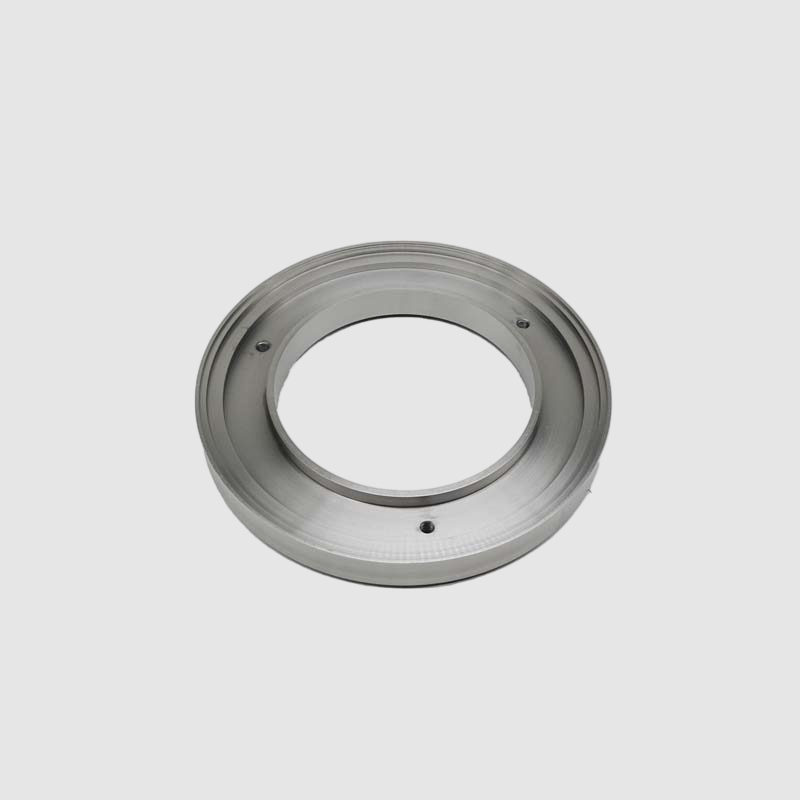
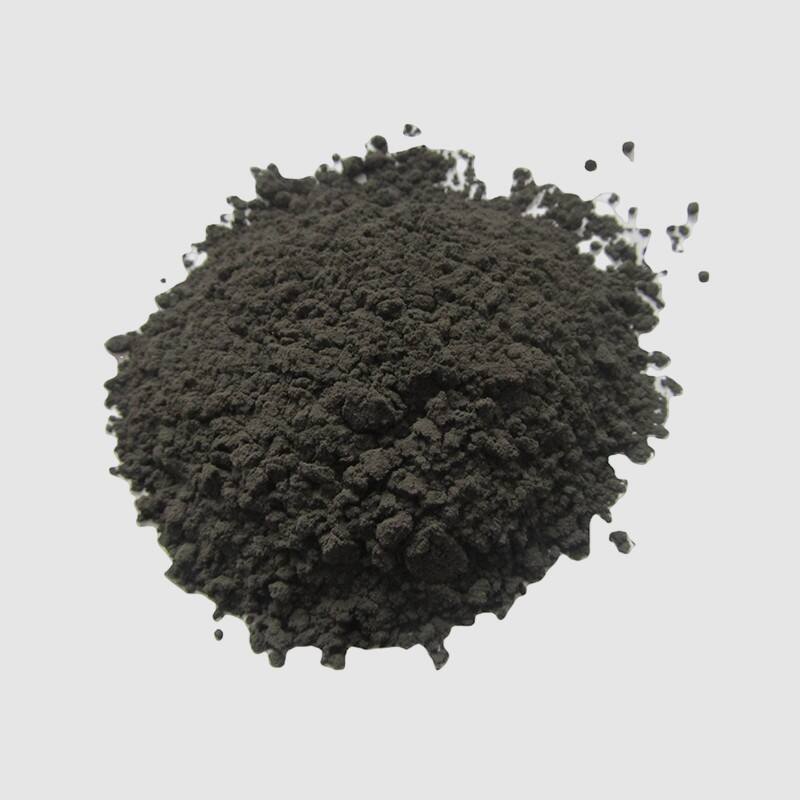
Copper Tungsten Composite Material: High-Performance Electrical Contacts and Thermal Management Solutions

Get a Free Quote

Our representative will contact you soon.
Email
Name
Country/Region
Mobile/WhatsApp
Product Name
Message
0/1000

copper tungsten

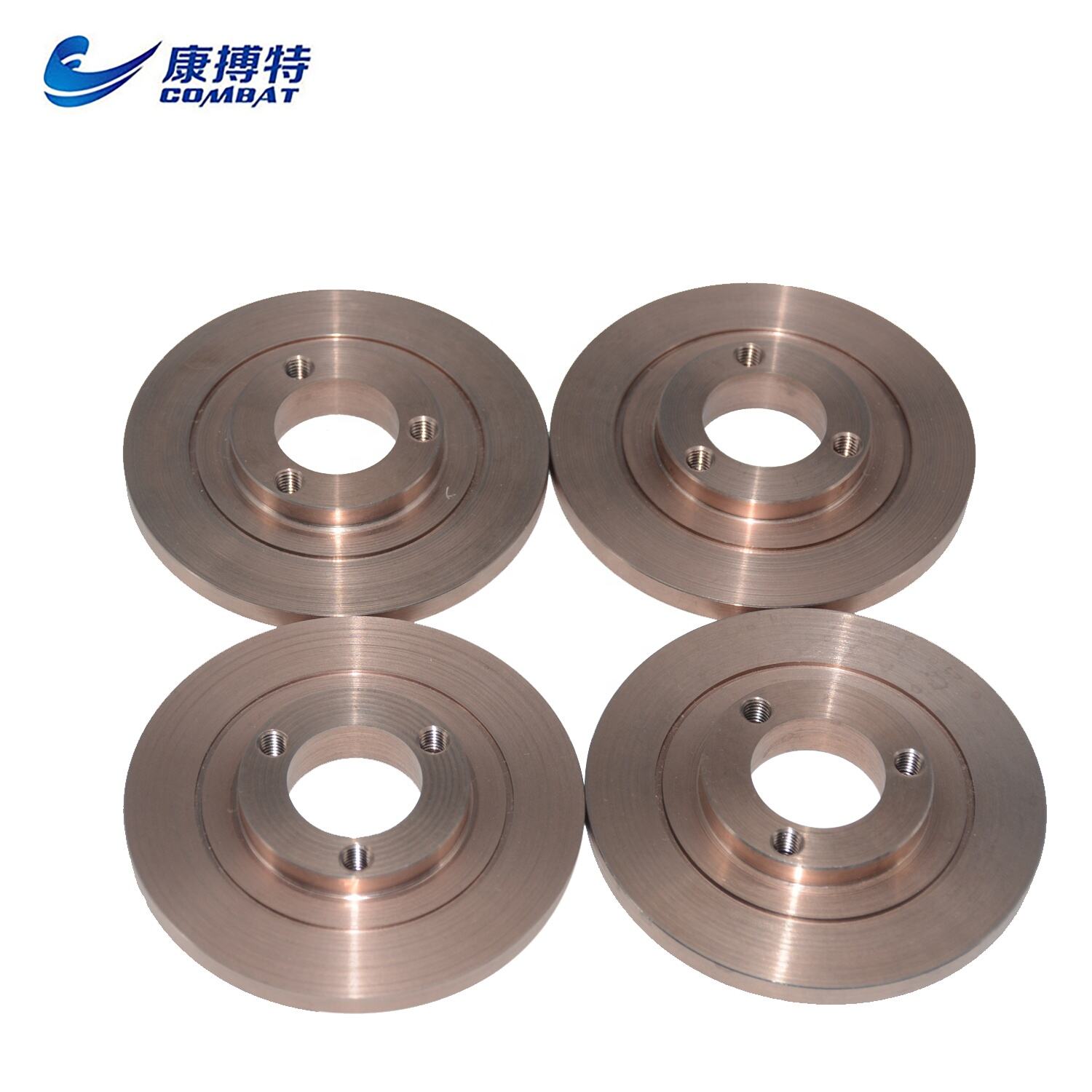
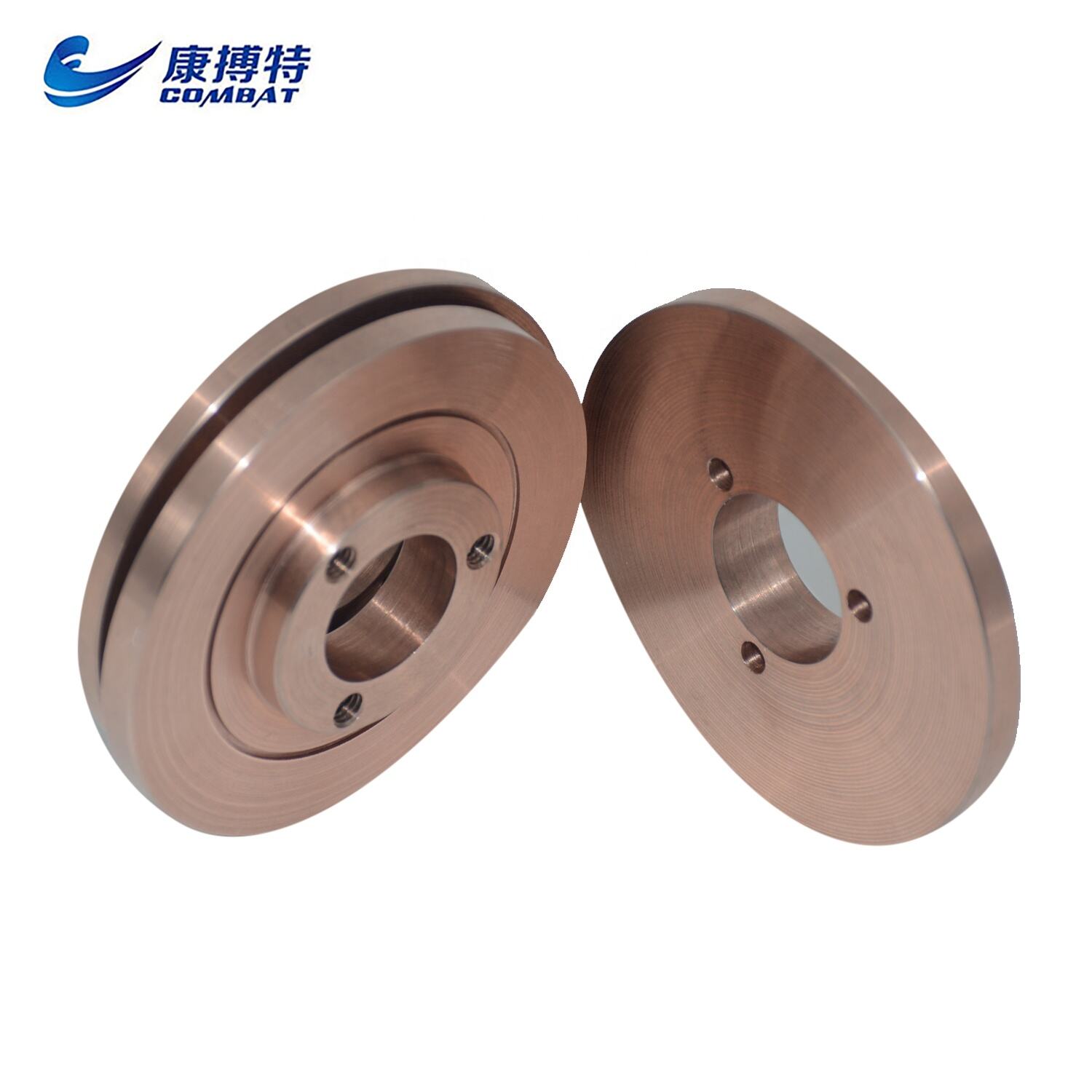
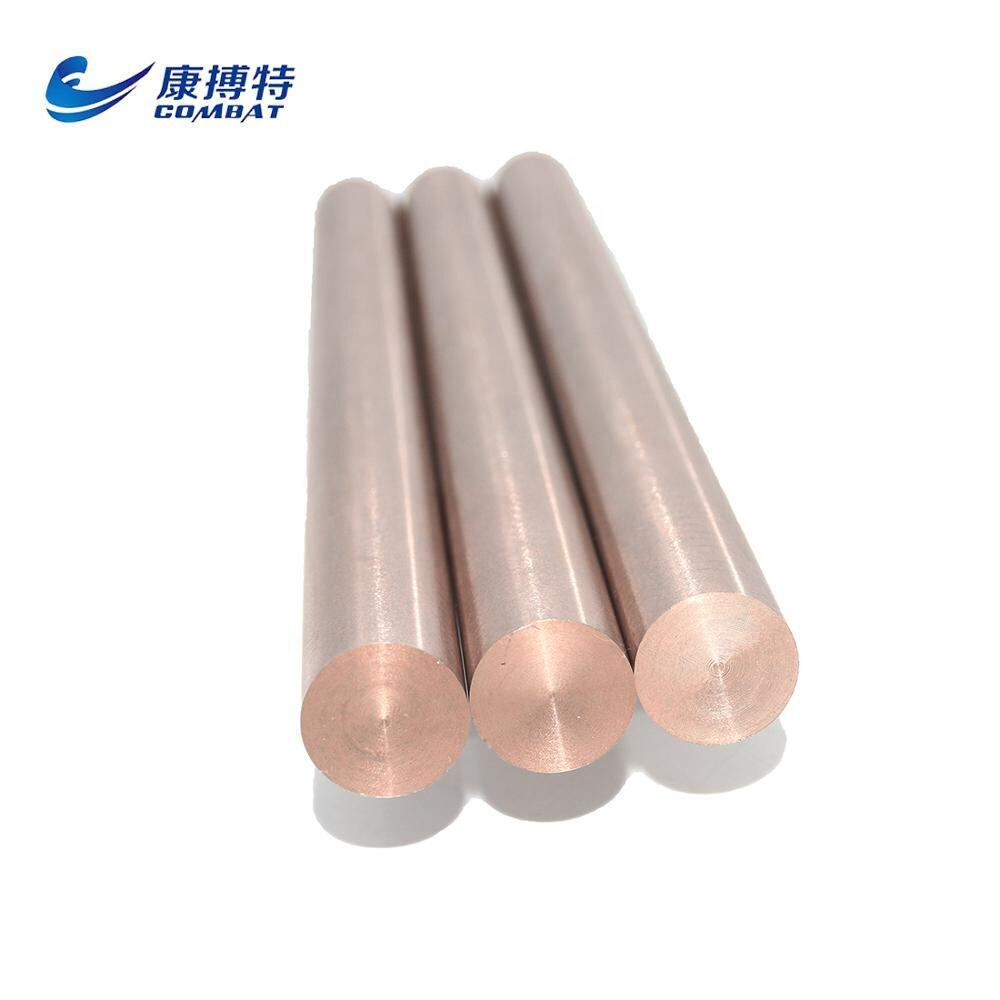
Copper tungsten represents a sophisticated composite material that combines the exceptional electrical and thermal conductivity of copper with the remarkable strength and heat resistance of tungsten. This engineered alloy typically contains between 10 to 40 percent copper by weight, with tungsten forming the primary matrix structure. The manufacturing process involves powder metallurgy techniques where copper and tungsten powders are blended, compacted, and sintered at high temperatures to create a uniform composite structure. The resulting material exhibits properties that neither metal could achieve independently, making copper tungsten an invaluable solution for demanding industrial applications. The primary functions of copper tungsten include electrical contact applications where both high conductivity and resistance to arc erosion are critical. This composite material serves as an ideal choice for electrical discharge machining electrodes, where it must withstand intense thermal stress while maintaining dimensional stability. In resistance welding applications, copper tungsten electrodes deliver consistent performance across thousands of welding cycles without significant degradation. The material also functions effectively as a heat sink in high-power electronic devices, efficiently dissipating thermal energy while maintaining structural integrity. Technological features of copper tungsten include its exceptional arc resistance, which prevents material loss during electrical switching operations. The composite demonstrates minimal thermal expansion, ensuring dimensional stability across wide temperature ranges. Its microstructure allows for excellent machinability, enabling precision manufacturing of complex geometries. The material maintains its mechanical properties at elevated temperatures, unlike pure copper which softens significantly. Applications span across electrical engineering, aerospace, defense, and manufacturing sectors. Electrical contacts in circuit breakers, switchgear, and relay systems rely on copper tungsten for reliable operation. The aerospace industry utilizes this composite for rocket nozzle components and heat shields. Manufacturing facilities employ copper tungsten electrodes for precision electrical discharge machining of hardened steels and exotic alloys. The defense sector incorporates this material into kinetic energy penetrators and specialized ammunition components where density and strength are paramount.

New Product Recommendations

The advantages of copper tungsten make it an outstanding choice for applications requiring both electrical performance and mechanical durability. First and foremost, this composite material offers superior electrical conductivity compared to pure tungsten while maintaining significantly better arc erosion resistance than pure copper. This balanced performance means your electrical contacts will last longer and perform more reliably, reducing maintenance costs and system downtime. The material conducts electricity efficiently, ensuring minimal energy loss during operation, which translates directly into lower operating costs and improved system efficiency. Another major benefit lies in its exceptional thermal management capabilities. Copper tungsten dissipates heat rapidly, preventing hot spots that could damage sensitive electronic components or cause premature failure in electrical systems. This thermal performance remains consistent even under extreme conditions, providing reliable operation in environments where other materials would fail. Your equipment stays cooler, operates more efficiently, and enjoys extended service life. The mechanical strength of copper tungsten far exceeds that of pure copper, allowing components to withstand higher mechanical loads and contact pressures without deformation. This robustness means fewer replacements, reduced inventory costs, and greater operational reliability. Components maintain their shape and function even after thousands of operating cycles, delivering consistent performance throughout their extended service life. The material resists welding and sticking during electrical contact operations, a common problem with pure copper contacts. This anti-welding property ensures smooth operation of switches and contactors, preventing costly failures and safety hazards. Your electrical systems operate smoothly without the risk of contacts fusing together during high-current switching events. Machinability represents another practical advantage, as copper tungsten can be precisely machined into complex shapes and tight tolerances. This manufacturing flexibility allows for custom solutions tailored to specific application requirements without excessive tooling costs or production difficulties. You can achieve the exact component geometry needed for optimal performance. The material demonstrates excellent resistance to thermal shock, withstanding rapid temperature changes without cracking or degrading. This durability proves invaluable in applications involving repeated heating and cooling cycles, such as resistance welding or electrical discharge machining. Your tools and components maintain their integrity through demanding thermal cycles. Cost-effectiveness emerges when considering the total lifecycle of components made from copper tungsten. While initial material costs may exceed those of pure copper, the extended service life, reduced maintenance requirements, and superior performance deliver significant long-term savings. Fewer replacements mean less downtime, lower labor costs, and improved productivity across your operations.

Practical Tips

Gathering in Luoyang for Tungsten & Molybdenum, Uniting Hearts to Forge a New Dream Forward​

24

Apr

Gathering in Luoyang for Tungsten & Molybdenum, Uniting Hearts to Forge a New Dream Forward​

View More
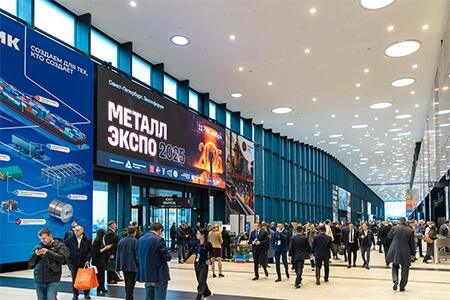
The 31st Russia International Metal and Metallurgy Industry Exhibition 2025 (Metal-Expo)

24

Apr

The 31st Russia International Metal and Metallurgy Industry Exhibition 2025 (Metal-Expo)

View More
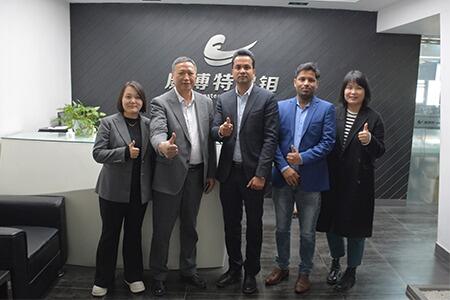
Indian Delegation Visits Youbo, Signs Molybdenum Bar and Tungsten Alloy Procurement Agreement​​

24

Apr

Indian Delegation Visits Youbo, Signs Molybdenum Bar and Tungsten Alloy Procurement Agreement​​

View More
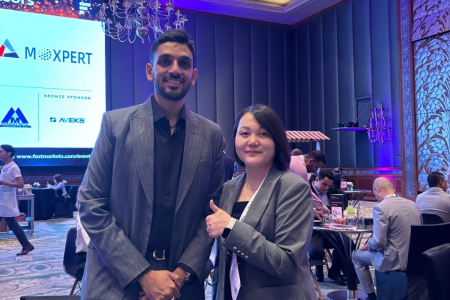
Luoyang Combat Tungsten & Molybdenum Materials Co., Ltd. Shines at Asia Ferroalloys 2025 Conference to Forge Global Collaboration Opportunities

24

Apr

Luoyang Combat Tungsten & Molybdenum Materials Co., Ltd. Shines at Asia Ferroalloys 2025 Conference to Forge Global Collaboration Opportunities

View More

Get a Free Quote

Our representative will contact you soon.
Email
Name
Country/Region
Mobile/WhatsApp
Product Name
Message
0/1000

copper tungsten

Unmatched Arc Erosion Resistance for Extended Component Life

Unmatched Arc Erosion Resistance for Extended Component Life

Arc erosion resistance stands as perhaps the most critical performance characteristic of copper tungsten in electrical applications, and this composite material delivers exceptional protection against the destructive effects of electrical arcing. When electrical contacts separate under load, an arc forms between the contact surfaces, creating extremely high temperatures that can vaporize material and cause progressive degradation. Pure copper contacts, while offering excellent conductivity, suffer rapid erosion under these conditions, leading to frequent replacement and system unreliability. Copper tungsten solves this challenge through its unique composite structure where tungsten particles form a refractory skeleton that resists the intense heat of electrical arcs. The tungsten component maintains its structural integrity at temperatures exceeding 3400 degrees Celsius, far beyond the melting point of copper. This heat resistance means that during arcing events, the tungsten matrix remains solid and stable, preventing catastrophic material loss. Meanwhile, the copper phase continues to provide the electrical conductivity necessary for efficient current transfer. This synergistic combination results in contact surfaces that maintain their geometry and function through tens of thousands of switching cycles. The practical implications for your operations are substantial. Electrical contacts made from copper tungsten in circuit breakers, contactors, and switchgear equipment last significantly longer than conventional copper or silver-based contacts. This extended service life translates directly into reduced maintenance schedules, lower replacement part inventories, and decreased system downtime. Manufacturing facilities can maintain continuous production without interruptions for contact replacement. Utility companies can extend maintenance intervals on high-voltage switching equipment, reducing operational costs while maintaining safety and reliability. The arc erosion resistance of copper tungsten also contributes to more consistent electrical performance throughout the component lifecycle. As contacts wear, their resistance typically increases, leading to higher operating temperatures and accelerated degradation. Copper tungsten contacts maintain stable contact resistance over their extended service life, ensuring consistent voltage drop and minimal heating. This stability means your electrical systems operate within design parameters for longer periods, reducing the risk of overheating, insulation damage, and premature failure of connected equipment. Furthermore, the superior arc resistance enables copper tungsten contacts to handle higher current ratings and more demanding switching conditions than alternative materials, providing greater design flexibility and safety margins in electrical system design.
Superior Thermal Conductivity Combined with High-Temperature Strength

Superior Thermal Conductivity Combined with High-Temperature Strength

The thermal management capabilities of copper tungsten represent a remarkable engineering achievement that addresses one of the most challenging aspects of modern electrical and electronic systems. Heat generation is inevitable in electrical applications, and the ability to efficiently remove this heat while maintaining mechanical integrity determines system reliability and performance. Copper tungsten excels in this domain by combining the outstanding thermal conductivity of copper with the high-temperature strength of tungsten, creating a material that performs exceptionally well in thermally demanding environments. The copper phase in this composite provides thermal conductivity values ranging from 180 to 230 watts per meter-kelvin, depending on composition. This conductivity allows rapid heat transfer away from critical areas, preventing localized overheating that could damage components or degrade performance. In resistance welding electrodes, this thermal conductivity ensures that heat generated during the welding process is quickly dissipated, preventing electrode overheating and maintaining consistent weld quality. For electrical discharge machining applications, efficient heat removal allows for higher material removal rates and improved surface finish on machined parts. Electronic heat sinks made from copper tungsten protect sensitive semiconductor devices by rapidly conducting heat away from junction areas, enabling higher power densities and improved device performance. What distinguishes copper tungsten from pure copper in thermal applications is its retention of mechanical properties at elevated temperatures. Pure copper softens significantly as temperature increases, losing strength and hardness that can lead to deformation under mechanical loads. The tungsten component in copper tungsten maintains its strength and hardness even at temperatures where copper alone would fail, providing structural stability in high-temperature environments. This high-temperature strength proves essential in applications like rocket nozzle components, where materials must withstand extreme thermal and mechanical stresses simultaneously. Welding electrodes benefit from this property by maintaining their shape and contact pressure through thousands of welding cycles, ensuring consistent weld quality and extended electrode life. The combination of thermal conductivity and high-temperature strength also enables copper tungsten to withstand thermal cycling without degradation. Many applications involve repeated heating and cooling, which can cause thermal fatigue and cracking in materials with mismatched thermal expansion properties. The carefully controlled composition of copper tungsten minimizes thermal expansion mismatch between the copper and tungsten phases, reducing internal stresses during thermal cycling. This durability means components maintain their dimensional accuracy and structural integrity through countless thermal cycles, providing reliable long-term performance in demanding applications.
Exceptional Density and Machinability for Precision Applications

Exceptional Density and Machinability for Precision Applications

The density characteristics of copper tungsten, combined with its excellent machinability, create unique opportunities for applications requiring both mass concentration and precision manufacturing. With densities ranging from 13 to 17 grams per cubic centimeter depending on composition, copper tungsten approaches the density of pure tungsten while maintaining superior machinability and electrical properties. This high density proves valuable in applications where mass must be concentrated in a small volume, such as counterweights, radiation shielding, and kinetic energy penetrators. The aerospace industry utilizes copper tungsten in applications where compact, high-density components are essential for performance and space efficiency. Defense applications leverage this density for armor-piercing projectiles and other specialized munitions where kinetic energy transfer depends on material density and strength. The high density also contributes to vibration damping in precision machinery, where copper tungsten components help stabilize equipment and reduce unwanted oscillations that could affect manufacturing accuracy. Despite its high density and tungsten content, copper tungsten exhibits remarkably good machinability compared to pure tungsten or other refractory metals. Conventional machining operations including turning, milling, drilling, and grinding can be performed using standard tooling and equipment, though with appropriate adjustments for the material's hardness and density. This machinability allows manufacturers to produce complex geometries with tight tolerances, enabling custom solutions for specific application requirements. Electrical discharge machining electrodes can be manufactured with intricate cavity details that replicate precisely in the workpiece. Electrical contacts can be machined to exact dimensions ensuring proper fit and function in assemblies. Heat sink components can incorporate complex fin geometries that maximize surface area for thermal dissipation. The ability to machine copper tungsten to precise specifications reduces manufacturing costs and lead times compared to alternative forming methods. Wire electrical discharge machining, conventional grinding, and precision turning all produce excellent surface finishes on copper tungsten, eliminating the need for extensive secondary finishing operations. This manufacturing efficiency translates into cost savings and faster delivery times for custom components. The material's stability during machining, with minimal work hardening or tool wear compared to some alternative materials, further enhances its manufacturability. Quality control and dimensional verification are straightforward with copper tungsten components, as the material maintains stable dimensions after machining without significant residual stress or distortion. This dimensional stability ensures that components fit properly in assemblies and function as designed without adjustment or rework. For precision applications in electronics, aerospace, and manufacturing, this reliability is essential for maintaining system performance and avoiding costly failures or performance degradation.

Get a Free Quote

Our representative will contact you soon.
Email
Name
Country/Region
Mobile/WhatsApp
Product Name
Message
0/1000