Enhanced Machinability and Manufacturing Flexibility
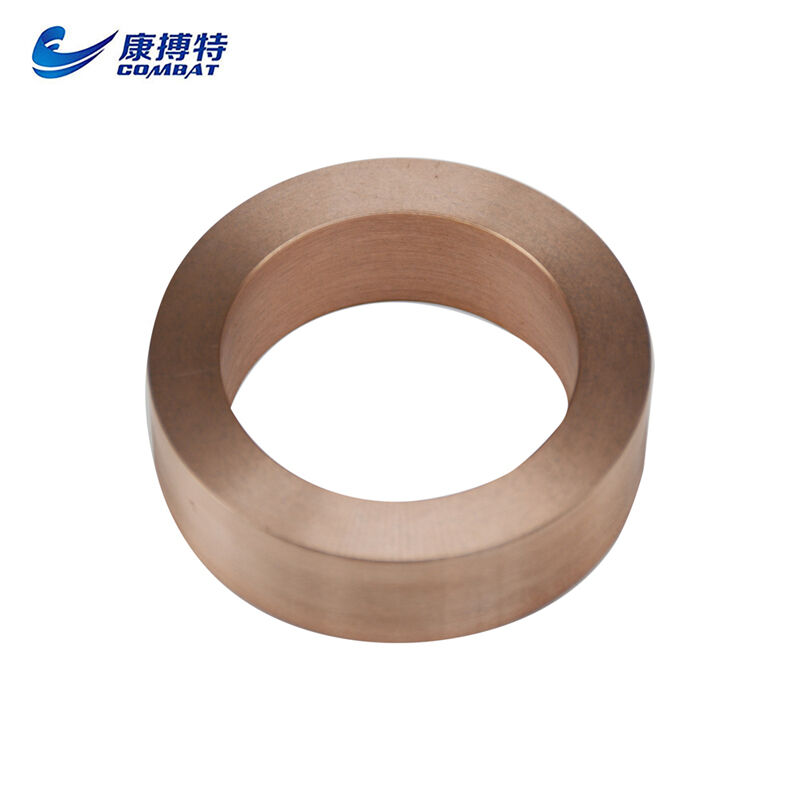
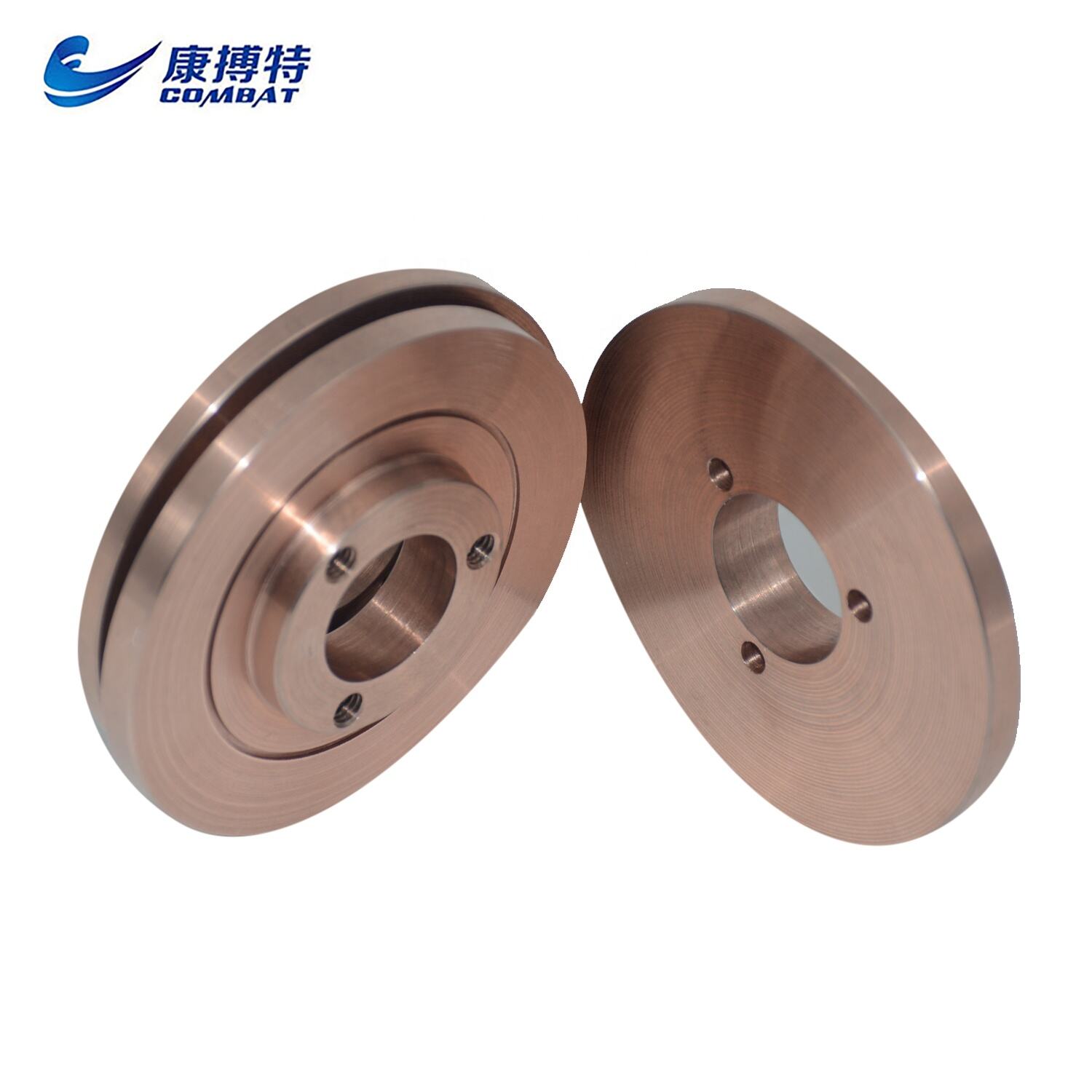
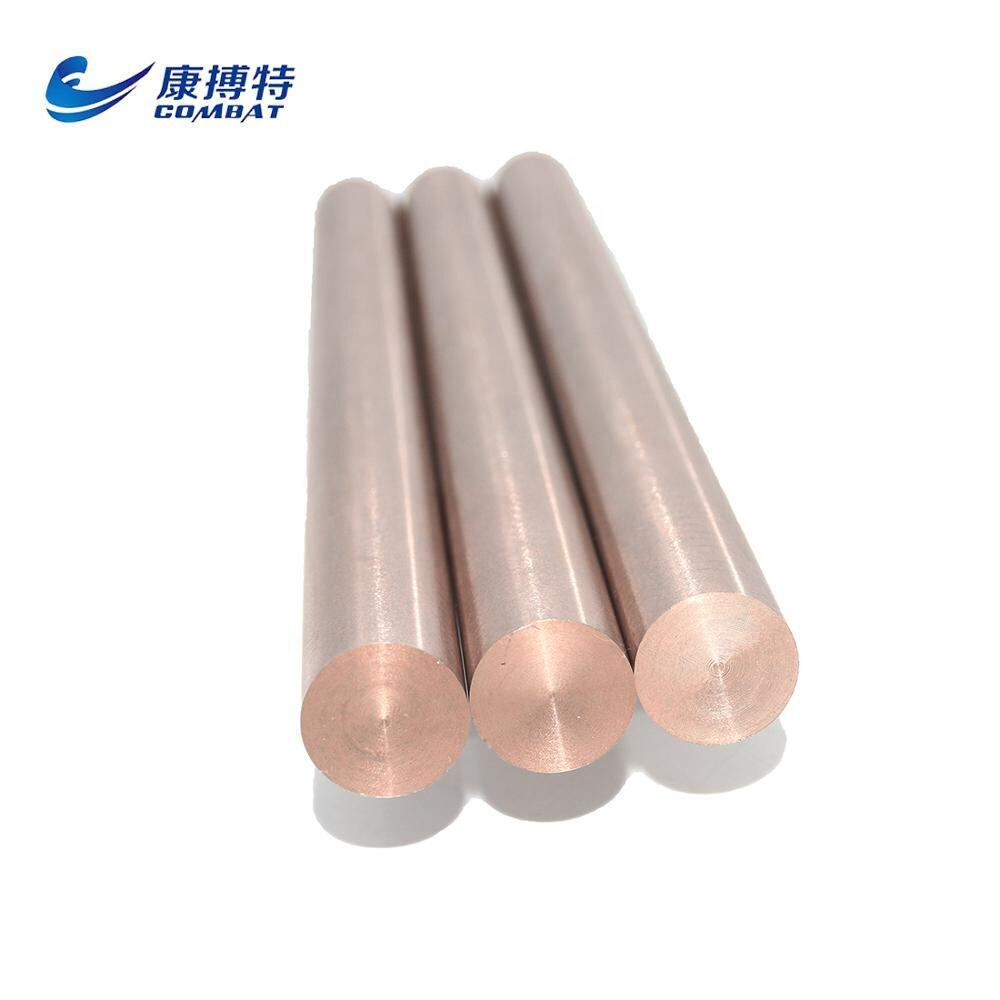
Tungsten nickel copper revolutionizes the manufacturing process for high-density components by offering machinability that pure tungsten simply cannot match, translating directly into reduced production costs, shorter lead times, and greater design freedom for engineers and manufacturers. The presence of nickel and copper in the alloy matrix significantly improves the material's response to conventional machining operations, allowing you to use standard cutting tools, drilling equipment, and milling machines without the specialized carbide tooling and slow feed rates required for pure tungsten. This machinability advantage means you can prototype designs quickly, iterate through design changes efficiently, and move into production without investing in exotic manufacturing equipment or developing specialized machining expertise. The material accepts threading operations readily, enabling the creation of fastener holes, adjustment mechanisms, and assembly features that integrate seamlessly with standard hardware and mounting systems. You can achieve tight tolerances and fine surface finishes through turning, boring, and grinding operations, producing components that meet exacting specifications for fit, form, and function. The improved machinability also extends to secondary operations like drilling cross-holes, creating pockets and recesses, and adding chamfers and radii that enhance both functionality and aesthetics. For manufacturers, this translates to higher production rates, lower scrap rates, and reduced tool wear compared to machining pure tungsten, all of which contribute to lower per-unit costs and improved profitability. The material also responds well to electrical discharge machining for creating complex shapes and fine features that mechanical cutting cannot achieve, providing additional manufacturing flexibility for intricate designs. Tungsten nickel copper can be brazed, soldered, and welded using appropriate techniques, allowing for the creation of assemblies that combine this high-performance alloy with other materials to optimize overall system performance and cost. The ability to machine complex geometries means designers can create components with integrated features like cooling channels, mounting bosses, and alignment features that would require multiple parts and assembly operations with less machinable materials. This design integration reduces part count, eliminates assembly steps, improves reliability by reducing potential failure points, and simplifies inventory management and quality control processes.

 EN