Tungsten Copper Bar: High-Performance Composite Material for Electrical and Thermal Applications

Get a Free Quote

Our representative will contact you soon.
Email
Name
Country/Region
Mobile/WhatsApp
Product Name
Message
0/1000

tungsten copper bar

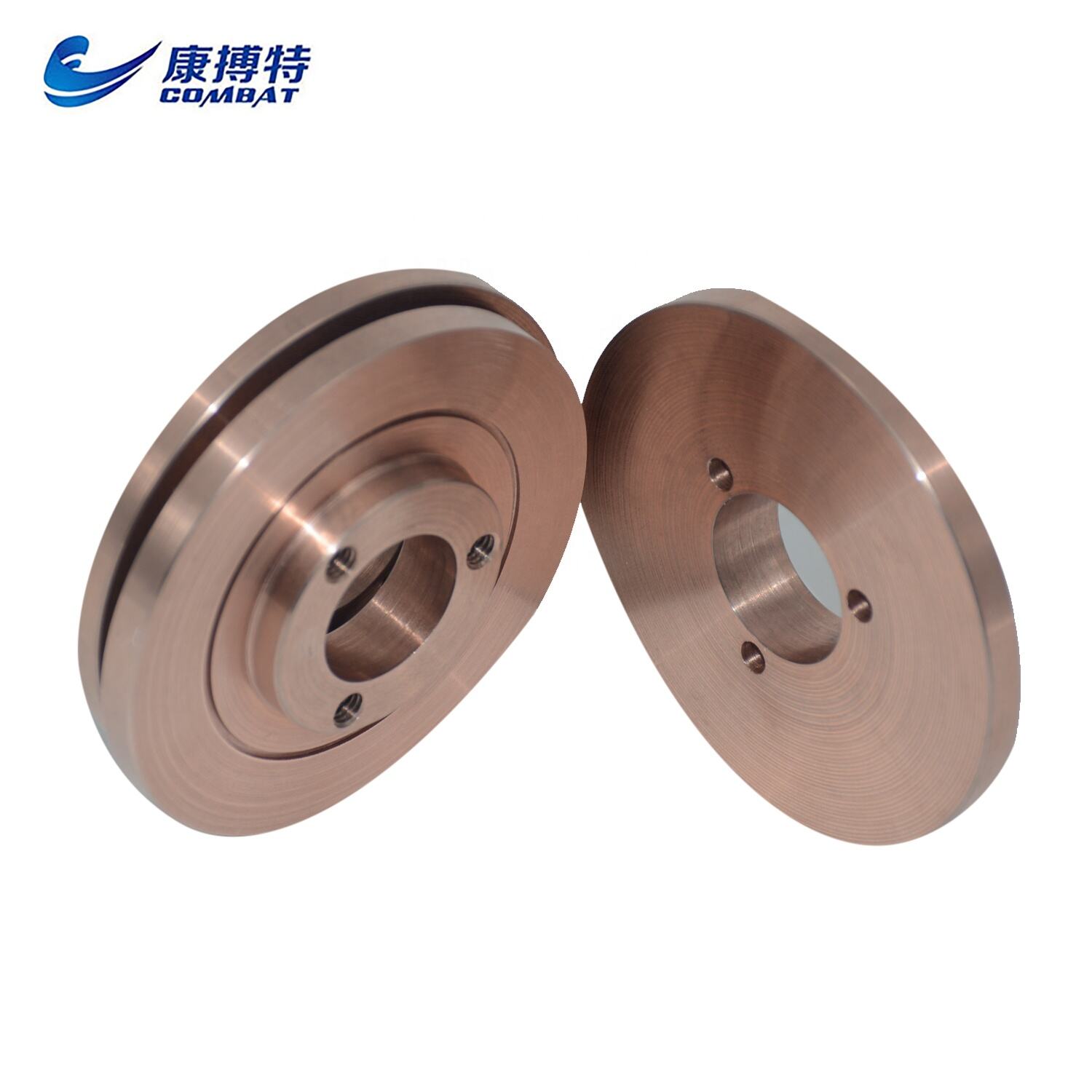
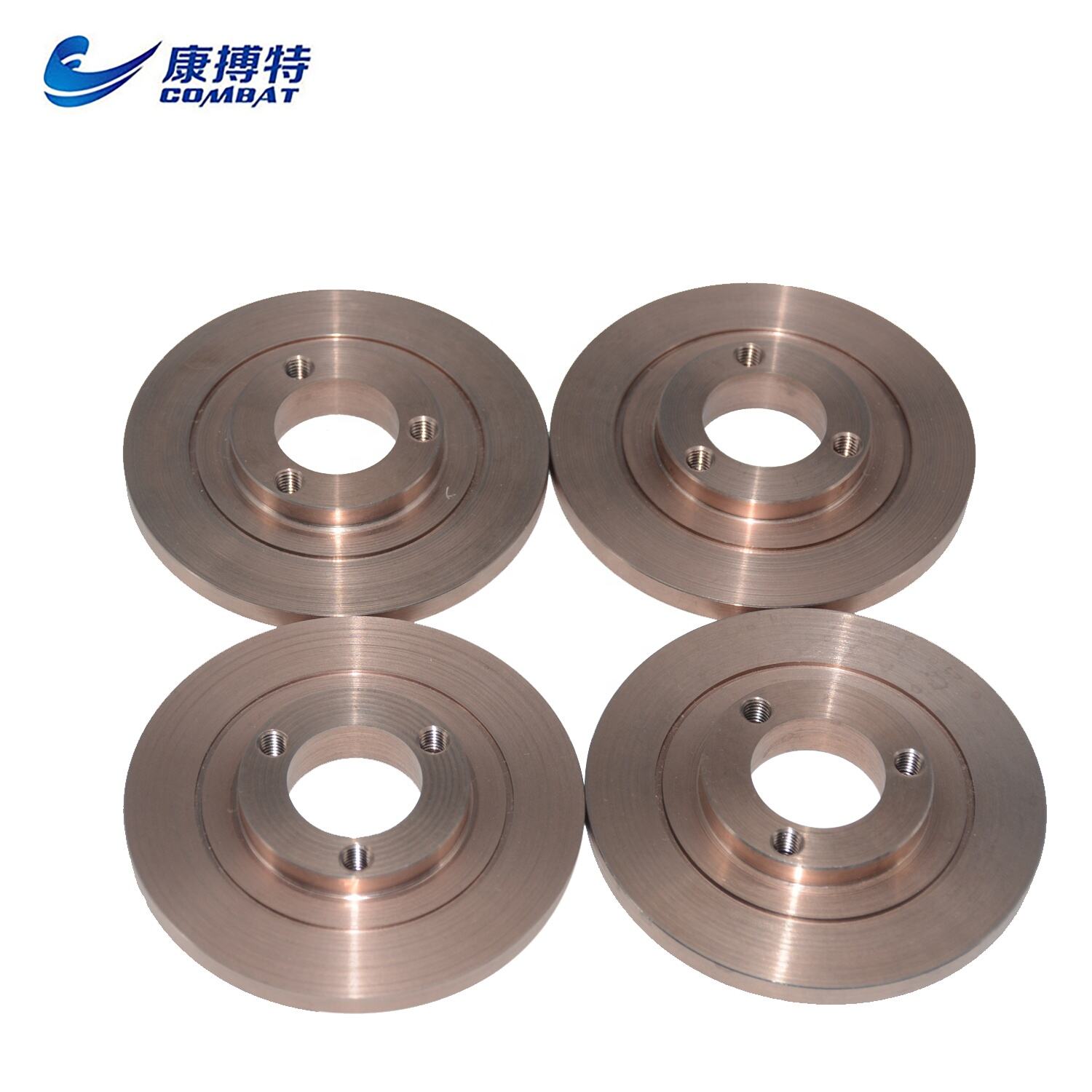
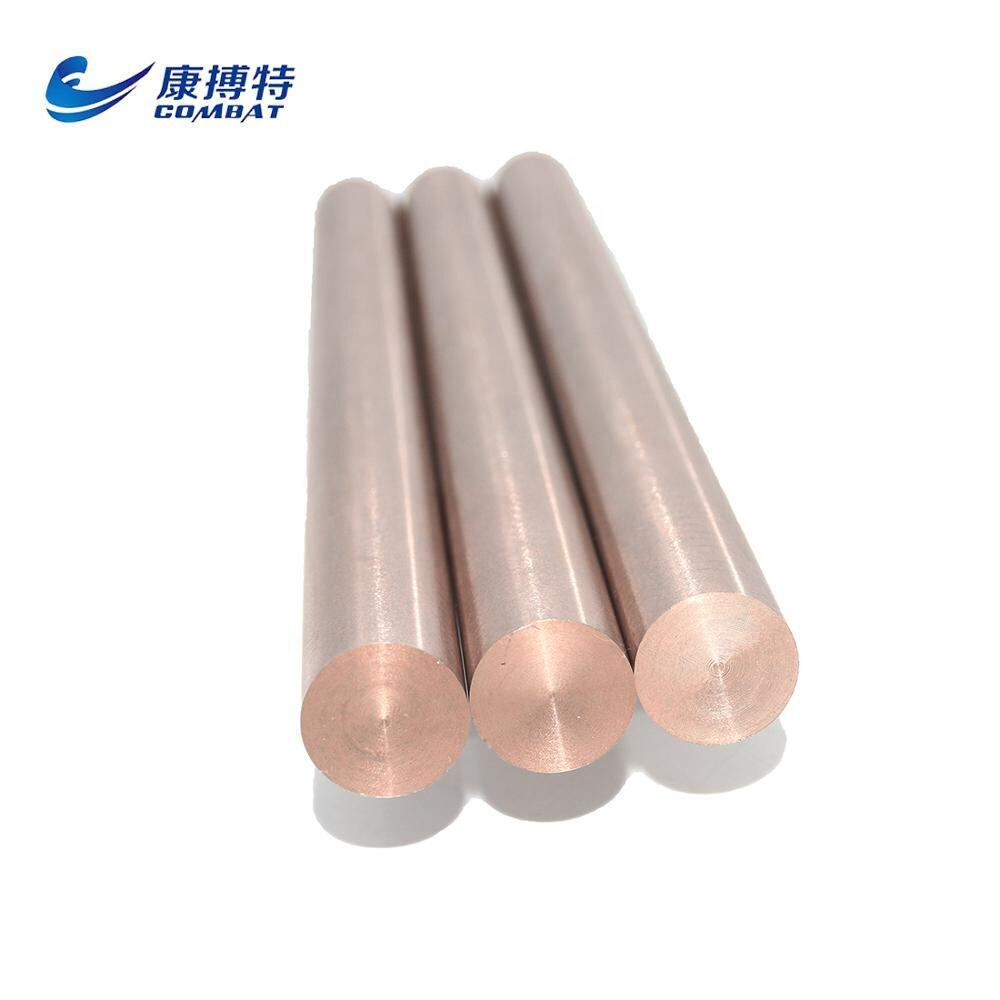
A tungsten copper bar represents a sophisticated composite material that combines the exceptional properties of tungsten with the superior conductivity of copper. This engineered alloy typically contains 10-50% copper by weight, with the remainder being tungsten, creating a material that delivers outstanding performance in demanding industrial applications. The manufacturing process involves powder metallurgy techniques where tungsten and copper powders are blended, compacted, and sintered at high temperatures to achieve optimal material properties. The resulting tungsten copper bar exhibits a unique combination of characteristics that neither metal could provide independently. Tungsten contributes exceptional hardness, high melting point, excellent wear resistance, and dimensional stability at elevated temperatures. Copper adds superior electrical and thermal conductivity, improved machinability, and enhanced arc erosion resistance. These bars serve critical functions across multiple industries, particularly in electrical discharge machining, resistance welding, and high-temperature applications. The material maintains structural integrity even when exposed to extreme thermal cycling, making it invaluable for components that must withstand repeated heating and cooling. Tungsten copper bars function as electrode materials in electrical discharge machining operations, where they provide precise material removal while maintaining excellent surface finish. In resistance welding applications, these bars serve as electrode holders and contact tips that must conduct high electrical currents while resisting deformation. The aerospace industry utilizes tungsten copper bars for rocket nozzle components and heat shields that must endure extreme temperatures during operation. Electronics manufacturers rely on these bars for heat sinks and thermal management solutions in high-power devices. The defense sector employs tungsten copper bars in kinetic energy penetrators and armor-piercing applications where density and strength are paramount. Medical equipment manufacturers incorporate these bars into radiation shielding components and X-ray tube targets. The versatility of tungsten copper bars stems from their adjustable composition, allowing engineers to optimize the material properties for specific applications by varying the tungsten-to-copper ratio.

New Product Releases

Tungsten copper bars deliver remarkable thermal management capabilities that solve critical challenges in high-heat environments. The material conducts heat away from sensitive components rapidly, preventing thermal damage and extending equipment lifespan. This thermal conductivity reaches levels that pure tungsten cannot achieve, while maintaining structural stability that pure copper lacks at elevated temperatures. Manufacturing operations benefit from reduced downtime because tungsten copper bars resist thermal fatigue and maintain dimensional accuracy through countless heating cycles. The electrical conductivity of these bars enables efficient power transmission in applications where current density is high and resistance must be minimized. Welding operations see improved productivity because electrodes made from tungsten copper bars last significantly longer than conventional materials, reducing replacement frequency and associated labor costs. The material resists arc erosion effectively, maintaining electrode geometry and ensuring consistent weld quality throughout extended production runs. Machining operations gain precision advantages because tungsten copper bars provide stable electrical discharge machining performance with minimal electrode wear. The material removes workpiece material predictably, enabling tight tolerances and superior surface finishes that meet demanding specifications. Cost efficiency emerges from the extended service life of components manufactured from tungsten copper bars, as replacement intervals stretch considerably compared to alternative materials. The bars resist deformation under mechanical stress, maintaining contact pressure in electrical connections and preventing performance degradation over time. Environmental resistance is another practical advantage, as tungsten copper bars withstand corrosive atmospheres better than many competing materials, reducing maintenance requirements in harsh operating conditions. The material density provides radiation shielding effectiveness in medical and nuclear applications, protecting personnel and sensitive equipment from harmful exposure. Fabrication flexibility allows manufacturers to machine tungsten copper bars into complex geometries using conventional metalworking equipment, though specialized tooling may optimize results. The bars accept various surface treatments and coatings that further enhance performance characteristics for specific applications. Thermal expansion coefficients can be tailored by adjusting composition, enabling engineers to match the expansion behavior of adjacent materials and prevent stress-related failures in assemblies. The non-magnetic properties of tungsten copper bars make them suitable for applications where magnetic interference must be avoided, such as in certain electronic devices and scientific instruments. Recycling potential adds environmental and economic value, as both tungsten and copper can be recovered and reused, supporting sustainable manufacturing practices. Quality consistency is achievable through controlled powder metallurgy processes, ensuring that each tungsten copper bar meets specified performance standards with minimal variation.

Practical Tips

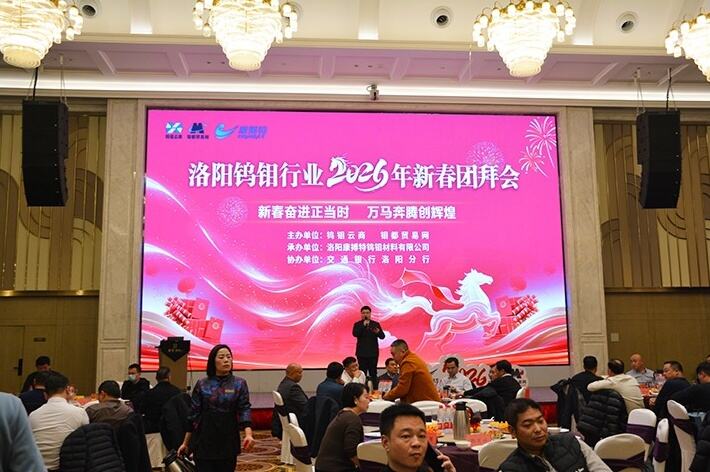
Gathering in Luoyang for Tungsten & Molybdenum, Uniting Hearts to Forge a New Dream Forward​

24

Apr

Gathering in Luoyang for Tungsten & Molybdenum, Uniting Hearts to Forge a New Dream Forward​

View More
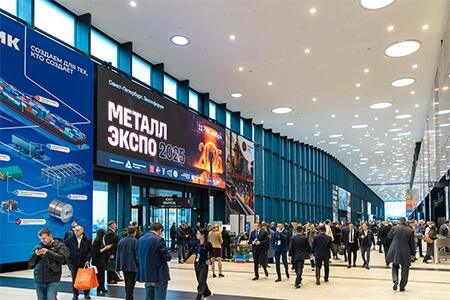
The 31st Russia International Metal and Metallurgy Industry Exhibition 2025 (Metal-Expo)

24

Apr

The 31st Russia International Metal and Metallurgy Industry Exhibition 2025 (Metal-Expo)

View More
International Ferroalloys 2025

24

Apr

International Ferroalloys 2025

View More
The Grand Opening Of The 2025 China International Powder Metallurgy, Hard Alloy And Advanced Ceramics Exhibition

24

Apr

The Grand Opening Of The 2025 China International Powder Metallurgy, Hard Alloy And Advanced Ceramics Exhibition

View More

Get a Free Quote

Our representative will contact you soon.
Email
Name
Country/Region
Mobile/WhatsApp
Product Name
Message
0/1000

tungsten copper bar

Superior Electrical and Thermal Conductivity for Demanding Applications

Superior Electrical and Thermal Conductivity for Demanding Applications

Tungsten copper bars excel in applications requiring simultaneous electrical conductivity and thermal management, a combination that few materials can provide effectively. The copper phase within the composite creates continuous pathways for both electrical current and heat flow, while the tungsten matrix provides structural support and high-temperature stability. This synergy enables tungsten copper bars to function in environments where temperatures soar beyond the capabilities of pure copper, yet electrical performance cannot be compromised. In resistance welding operations, electrodes manufactured from tungsten copper bars conduct the high amperage necessary to generate fusion heat while dissipating thermal energy away from the electrode tip to prevent premature failure. The material maintains low electrical resistance even as operating temperatures climb, ensuring consistent energy delivery to the weld zone throughout production runs. Thermal conductivity values typically range from 180 to 230 W/mK depending on composition, providing heat dissipation rates that protect sensitive components from thermal damage. Electronic devices generating substantial heat during operation benefit from heat sinks fabricated from tungsten copper bars, as the material transfers thermal energy to cooling systems efficiently while occupying minimal space due to its high density. Power electronics applications particularly value this characteristic, as semiconductor devices require precise temperature control to maintain performance and reliability. The material resists thermal shock effectively, withstanding rapid temperature changes without cracking or dimensional distortion that would compromise functionality. Electrical discharge machining operations rely on tungsten copper bars for electrodes that must conduct current to the spark gap while managing the intense localized heating that occurs during material removal. The bars maintain electrode geometry through extended machining cycles, delivering consistent spark characteristics and predictable material removal rates that enable precision manufacturing. High-voltage switching applications employ contacts made from tungsten copper bars because the material combines the conductivity needed for efficient current flow with the arc resistance necessary to prevent contact erosion during switching events. The material composition can be optimized for specific conductivity requirements, with higher copper content increasing electrical and thermal performance while higher tungsten content enhances mechanical strength and wear resistance. This adjustability allows engineers to specify tungsten copper bars with properties precisely matched to application demands, maximizing performance while controlling costs.
Exceptional Durability and Wear Resistance in Extreme Environments

Exceptional Durability and Wear Resistance in Extreme Environments

The remarkable durability of tungsten copper bars stems from the inherent hardness and wear resistance of tungsten combined with the toughness and ductility that copper provides. This composite structure creates a material that withstands mechanical wear, thermal cycling, and chemical exposure far better than either constituent metal alone. In electrical contact applications, tungsten copper bars resist the erosive effects of arcing that rapidly degrades conventional contact materials, maintaining electrical performance through millions of switching cycles. The tungsten particles distributed throughout the copper matrix act as reinforcement, preventing plastic deformation under contact pressure and maintaining dimensional stability that ensures consistent electrical connection. Welding electrodes manufactured from tungsten copper bars demonstrate service lives several times longer than copper-based alternatives, reducing production interruptions for electrode changes and lowering consumable costs significantly. The material resists mushrooming and deformation at the electrode tip, maintaining the designed contact geometry that ensures uniform current distribution and consistent weld quality. High-temperature applications benefit from the refractory nature of tungsten, which maintains strength and hardness at temperatures where copper alone would soften and fail. Tungsten copper bars function effectively at temperatures exceeding 1000 degrees Celsius in certain applications, providing structural integrity and performance stability that enable operation in extreme thermal environments. The material resists oxidation better than pure copper when exposed to elevated temperatures in air, though protective atmospheres or coatings may be specified for the most demanding conditions. Abrasive wear resistance makes tungsten copper bars suitable for applications involving sliding contact or exposure to particulate matter, as the hard tungsten phase protects against material loss while the copper matrix prevents brittle fracture. Electrical discharge machining electrodes made from tungsten copper bars maintain sharp edge definition and fine detail through extended machining operations, enabling the production of complex geometries with tight tolerances in hardened workpiece materials. The bars resist thermal fatigue cracking that occurs in materials subjected to repeated heating and cooling cycles, maintaining structural integrity through temperature excursions that would fracture less durable alternatives. Chemical resistance varies with composition and environment, but tungsten copper bars generally withstand exposure to many industrial fluids and atmospheres better than pure copper, reducing corrosion-related maintenance and replacement costs. The material density, typically ranging from 12 to 17 g/cm3 depending on composition, provides mass that contributes to mechanical stability in applications where vibration damping or momentum is beneficial.
Versatile Manufacturing and Customization Options for Specialized Needs

Versatile Manufacturing and Customization Options for Specialized Needs

Tungsten copper bars offer exceptional versatility in manufacturing and customization, enabling engineers to specify materials precisely tailored to application requirements. The powder metallurgy production process allows precise control over composition, with tungsten content adjustable from 10% to 90% by weight to optimize the balance between conductivity, strength, density, and thermal properties. Manufacturers can produce tungsten copper bars in various sizes and shapes, from small-diameter rods for precision electrodes to large rectangular bars for machining into complex components. The material accepts conventional machining operations including turning, milling, drilling, and grinding, though tool selection and cutting parameters must account for the hardness and abrasiveness of the tungsten phase. Electrical discharge machining and wire EDM processes work effectively on tungsten copper bars, enabling the production of intricate geometries and fine features that would be difficult or impossible to achieve through conventional machining. Surface finishing options include grinding, polishing, and lapping to achieve the surface quality required for electrical contacts and precision mating surfaces. The bars can be joined to other materials through brazing, soldering, or mechanical fastening, allowing integration into assemblies with dissimilar metals and non-metallic components. Heat treatment processes can modify material properties within certain limits, though the composite nature of tungsten copper bars constrains thermal processing compared to homogeneous alloys. Coating technologies including electroplating, physical vapor deposition, and thermal spray processes can apply protective or functional layers to tungsten copper bar surfaces, enhancing corrosion resistance, reducing friction, or modifying electrical characteristics. Custom compositions address specialized requirements, such as adding small amounts of other elements to enhance specific properties or adjust manufacturing characteristics. Quality control measures including density measurement, electrical conductivity testing, hardness evaluation, and microstructural analysis ensure that tungsten copper bars meet specified performance standards consistently. Manufacturers can provide material certifications documenting composition, properties, and test results, supporting quality assurance requirements in regulated industries. The material accommodates various finishing tolerances, from commercial grades suitable for general industrial use to precision-ground bars meeting tight dimensional specifications for critical applications. Lead times for standard tungsten copper bar sizes are typically shorter than for custom compositions or specialized geometries, though manufacturers maintain inventory of common grades to support rapid delivery requirements. Technical support from material suppliers helps engineers select appropriate tungsten copper bar grades and optimize designs for manufacturability and performance, leveraging expertise in material properties and application experience across diverse industries.
Get a Free Quote

Our representative will contact you soon.
Email
Name
Country/Region
Mobile/WhatsApp
Product Name
Message
0/1000