Tungsten Alloy Foil: High-Density Radiation Shielding and Thermal Solutions for Industrial Applications

Get a Free Quote

Our representative will contact you soon.
Email
Name
Country/Region
Mobile/WhatsApp
Product Name
Message
0/1000

tungsten alloy foil

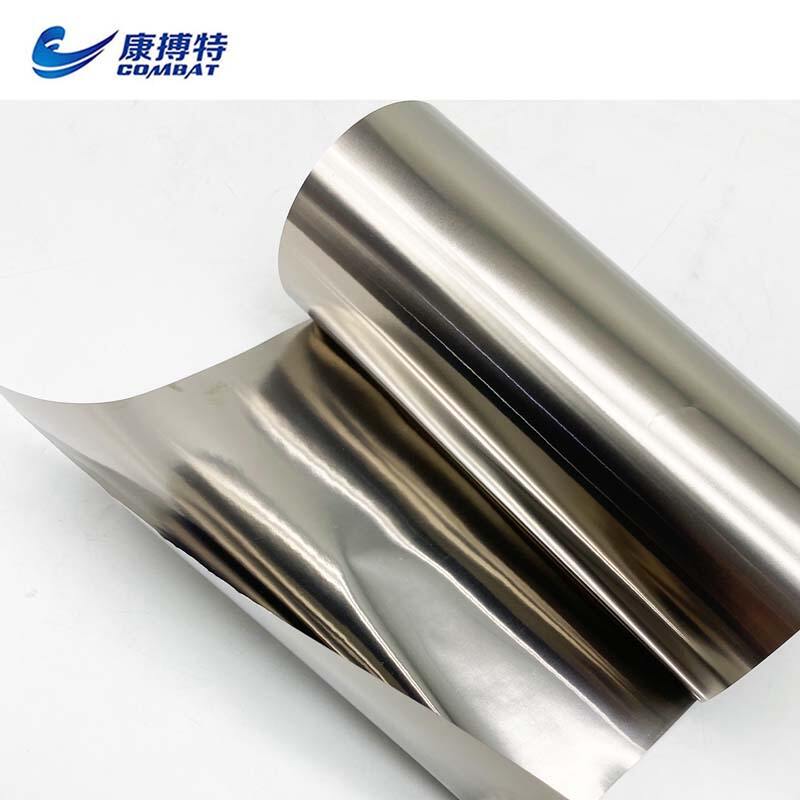
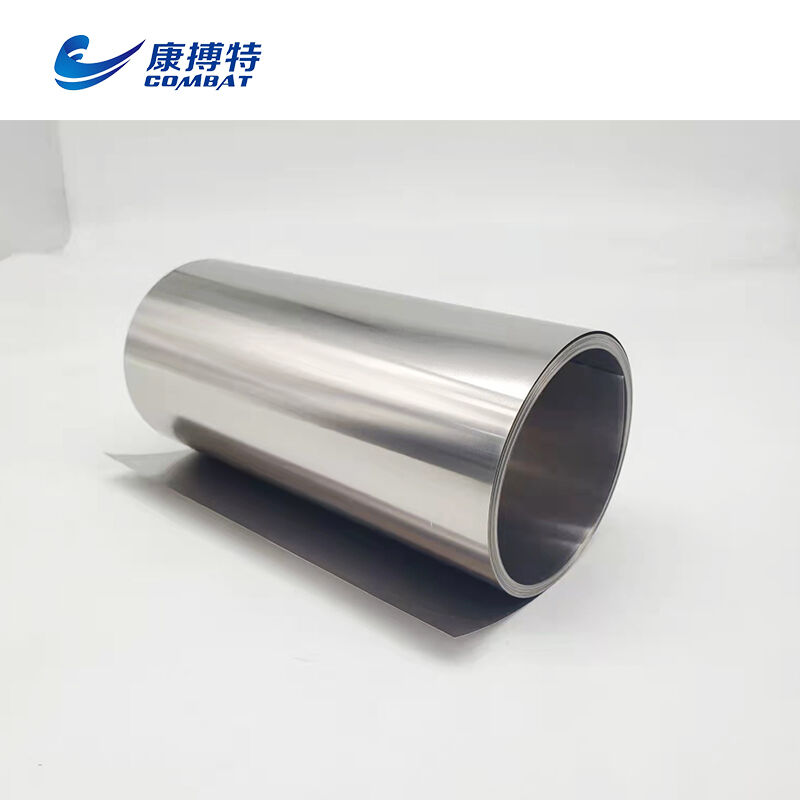
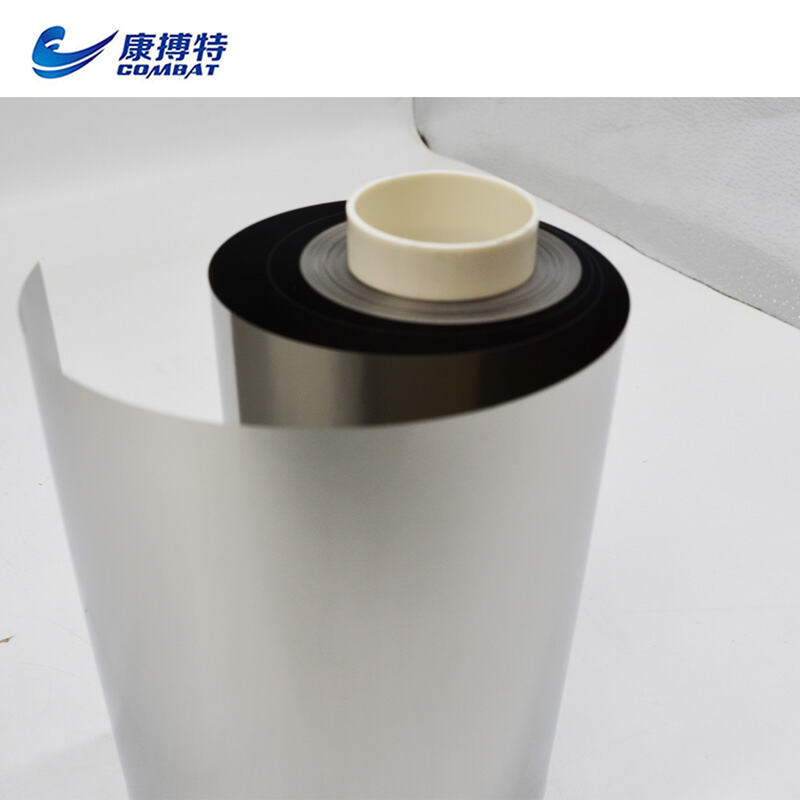
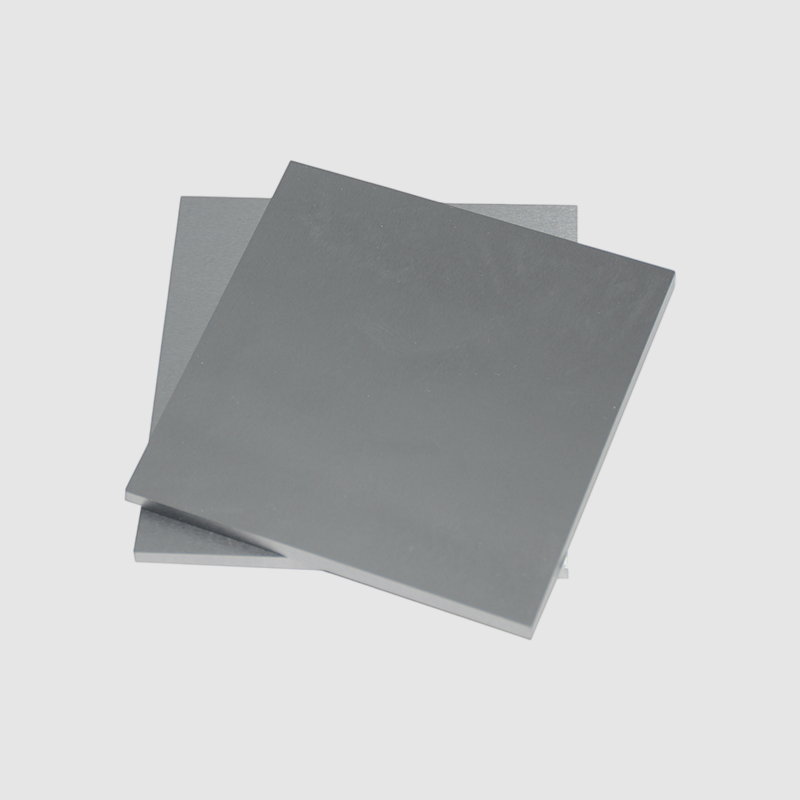
Tungsten alloy foil represents a specialized metallic material that combines exceptional density with remarkable mechanical properties, making it an indispensable component across numerous industrial sectors. This thin-sheet material typically consists of tungsten as the primary element, often alloyed with nickel, iron, copper, or molybdenum to enhance specific characteristics while maintaining the inherent benefits of tungsten's atomic structure. The manufacturing process involves sophisticated powder metallurgy techniques followed by precision rolling operations that reduce the material to extremely thin gauges, ranging from several millimeters down to mere micrometers in thickness. The primary functions of tungsten alloy foil center around radiation shielding, high-temperature applications, and precision weighting solutions where space constraints demand maximum density in minimal volume. Its technological features include superior radiation absorption capabilities that surpass lead-based alternatives, exceptional thermal stability that allows continuous operation in environments exceeding 1000 degrees Celsius, and outstanding corrosion resistance that ensures longevity even in chemically aggressive atmospheres. The material exhibits minimal thermal expansion, which proves critical in applications requiring dimensional stability across temperature fluctuations. Industries ranging from aerospace to medical technology rely on tungsten alloy foil for applications including X-ray shielding components, counterweights in precision instruments, heat sinks for electronic devices, and specialized gaskets for high-temperature sealing applications. The defense sector utilizes this material for kinetic energy penetrators and armor-piercing applications, while the electronics industry incorporates it into semiconductor manufacturing equipment and radiation-sensitive component protection. The versatility of tungsten alloy foil extends to scientific research facilities where particle accelerators and nuclear reactors require reliable radiation containment solutions that occupy minimal space while delivering maximum protective efficiency.
New Products

Choosing tungsten alloy foil delivers tangible benefits that directly impact your operational efficiency and bottom-line performance. The material's extraordinary density, typically ranging from 17 to 19 grams per cubic centimeter, means you can achieve the same shielding or weighting effect using significantly less space compared to alternative materials. This space-saving characteristic translates into more compact product designs, reduced shipping volumes, and lower transportation costs throughout your supply chain. The foil maintains its structural integrity and protective properties across extreme temperature ranges, eliminating the need for frequent replacements that disrupt production schedules and inflate maintenance budgets. Unlike lead-based shielding materials that pose environmental and health concerns, tungsten alloy foil offers a safer alternative that simplifies regulatory compliance and reduces liability exposure for your organization. The material's non-toxic nature means your workers face fewer health risks during handling and installation, while disposal procedures become more straightforward and less costly. The exceptional durability of tungsten alloy foil ensures long service life even in demanding environments, providing superior return on investment compared to materials that degrade or corrode over time. Its resistance to chemical attack means the foil performs reliably when exposed to acids, bases, and organic solvents that would compromise lesser materials. The thermal conductivity properties enable efficient heat dissipation in electronic applications, protecting sensitive components from thermal damage and extending equipment lifespan. Manufacturing flexibility allows tungsten alloy foil to be produced in various thicknesses and widths, accommodating diverse application requirements without necessitating custom tooling or extended lead times. The material can be easily cut, formed, and joined using standard metalworking techniques, reducing fabrication complexity and associated labor costs. When radiation protection is paramount, tungsten alloy foil delivers superior attenuation coefficients that provide more effective shielding per unit thickness compared to conventional materials. This efficiency means you can meet safety standards while minimizing material usage and associated expenses. The consistent quality of modern tungsten alloy foil production ensures predictable performance characteristics, eliminating the variability that complicates design calculations and quality assurance procedures. For applications requiring precise weight distribution, the material's uniform density enables accurate balancing that enhances equipment performance and reduces vibration-related wear.

Practical Tips

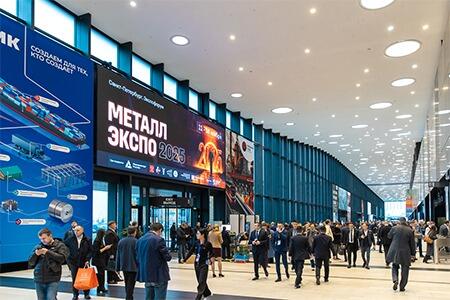
The 31st Russia International Metal and Metallurgy Industry Exhibition 2025 (Metal-Expo)

24

Apr

The 31st Russia International Metal and Metallurgy Industry Exhibition 2025 (Metal-Expo)

View More
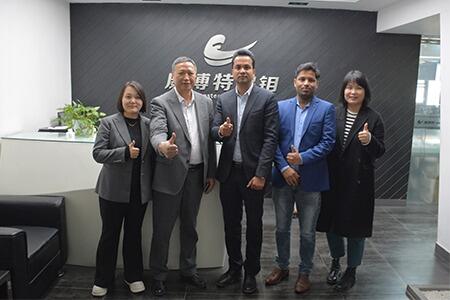
Indian Delegation Visits Youbo, Signs Molybdenum Bar and Tungsten Alloy Procurement Agreement​​

24

Apr

Indian Delegation Visits Youbo, Signs Molybdenum Bar and Tungsten Alloy Procurement Agreement​​

View More
International Ferroalloys 2025

24

Apr

International Ferroalloys 2025

View More
Luoyang Combat Tungsten & Molybdenum Materials Co., Ltd. Shines at Asia Ferroalloys 2025 Conference to Forge Global Collaboration Opportunities

24

Apr

Luoyang Combat Tungsten & Molybdenum Materials Co., Ltd. Shines at Asia Ferroalloys 2025 Conference to Forge Global Collaboration Opportunities

View More

Get a Free Quote

Our representative will contact you soon.
Email
Name
Country/Region
Mobile/WhatsApp
Product Name
Message
0/1000

tungsten alloy foil

Unmatched Radiation Shielding Performance in Compact Configurations

Unmatched Radiation Shielding Performance in Compact Configurations

The radiation shielding capabilities of tungsten alloy foil stand as its most compelling attribute for industries where protection from harmful radiation is non-negotiable. The atomic structure of tungsten, with its high atomic number of 74, creates an exceptionally effective barrier against gamma rays, X-rays, and other forms of ionizing radiation. This fundamental physical property means that tungsten alloy foil absorbs and attenuates radiation far more efficiently than traditional shielding materials like lead or steel. For medical facilities operating diagnostic imaging equipment, this translates into thinner protective barriers that occupy less valuable floor space while still meeting stringent safety regulations. Dental offices can install tungsten alloy foil shielding in walls and doors without sacrificing room dimensions or requiring structural reinforcements that lead-lined alternatives would demand. The material's superior shielding efficiency per unit thickness allows architects and engineers to design more flexible spaces where radiation protection is required but available space is limited. Industrial radiography operations benefit from portable shielding solutions that technicians can easily transport and position, improving workflow efficiency while maintaining comprehensive radiation safety protocols. The foil's flexibility enables it to conform to irregular surfaces and complex geometries that rigid shielding materials cannot accommodate, ensuring complete coverage without gaps that could allow radiation leakage. Nuclear medicine departments utilize tungsten alloy foil to create custom shielding for radiopharmaceutical storage and handling areas, protecting staff from cumulative exposure that could exceed occupational dose limits. Research laboratories working with radioactive isotopes incorporate the foil into containment systems and protective enclosures, enabling scientists to conduct experiments safely while maintaining the accessibility needed for precise manipulations. The material's non-magnetic properties prove essential in medical imaging environments where MRI equipment generates powerful magnetic fields that would interact with ferromagnetic shielding materials, causing dangerous projectile hazards or image artifacts. Aerospace applications leverage tungsten alloy foil to protect sensitive electronic systems from cosmic radiation encountered at high altitudes and in space environments, ensuring reliable operation of navigation, communication, and control systems throughout mission durations.
Exceptional Thermal Stability for High-Temperature Industrial Processes

Exceptional Thermal Stability for High-Temperature Industrial Processes

The remarkable thermal properties of tungsten alloy foil make it an invaluable material for applications where extreme temperatures would cause conventional materials to fail catastrophically. Tungsten possesses the highest melting point of all pure metals at 3422 degrees Celsius, and while alloying reduces this somewhat, tungsten alloy foil still maintains structural integrity at temperatures exceeding 1500 degrees Celsius under appropriate atmospheric conditions. This extraordinary heat resistance enables the material to function reliably in furnace components, heat shields, and thermal barriers where other materials would soften, oxidize, or completely melt. Manufacturing processes involving high-temperature metal forming, glass production, or ceramic sintering benefit from tungsten alloy foil's ability to withstand prolonged exposure to intense heat without degrading or contaminating the products being processed. The material's low thermal expansion coefficient ensures dimensional stability across temperature cycles, preventing the warping and distortion that compromise precision in high-temperature applications. Semiconductor manufacturing equipment incorporates tungsten alloy foil in heating elements and susceptors where uniform temperature distribution is critical for producing defect-free wafers. The foil's excellent thermal conductivity facilitates rapid heat transfer, enabling efficient thermal management in electronic devices where concentrated heat generation threatens component reliability. Power electronics modules use tungsten alloy foil as heat spreaders that conduct thermal energy away from semiconductor junctions, preventing hotspots that accelerate device degradation and reduce operational lifespan. Aerospace propulsion systems employ the material in thrust vectoring components and nozzle assemblies where exhaust gases reach temperatures that would rapidly erode lesser materials. The foil's resistance to thermal shock allows it to survive rapid temperature changes without cracking or spalling, a crucial characteristic in applications involving cyclic heating and cooling. Welding and metal joining operations utilize tungsten alloy foil as backing material that withstands the intense localized heating of the welding process while preventing burn-through and ensuring proper weld pool formation. Industrial heat treating furnaces incorporate the foil into insulation systems and heating element supports, extending equipment service life and reducing maintenance frequency.
Superior Density for Precision Balancing and Counterweight Applications

Superior Density for Precision Balancing and Counterweight Applications

The exceptional density of tungsten alloy foil, typically 2.5 times greater than steel and nearly 1.5 times denser than lead, provides unmatched performance in applications where maximum mass must be concentrated in minimum volume. This fundamental physical characteristic makes tungsten alloy foil the material of choice for precision balancing applications across diverse industries where space constraints prohibit the use of less dense alternatives. Aerospace manufacturers incorporate the foil into aircraft control surfaces, rotor assemblies, and engine components where precise weight distribution is essential for smooth operation and vibration control. The ability to achieve required moment of inertia values using smaller counterweights means designers can optimize aerodynamic profiles without compromising balance requirements. Automotive racing teams use tungsten alloy foil to fine-tune vehicle weight distribution, placing ballast exactly where needed to achieve ideal handling characteristics without consuming valuable space that could house performance-enhancing components. Medical equipment manufacturers integrate the material into imaging gantries and robotic surgical systems where precise counterbalancing enables smooth, controlled movements that enhance diagnostic accuracy and surgical precision. The foil's malleability allows it to be formed into custom shapes that fit within tight confines, maximizing space utilization while delivering the exact mass properties required for optimal equipment performance. Precision instruments such as analytical balances and measuring devices incorporate tungsten alloy foil in damping systems and counterweight mechanisms where stability and accuracy depend on carefully controlled mass distribution. The material's chemical stability ensures that counterweight properties remain constant over time, eliminating the drift in calibration that occurs when less stable materials corrode or absorb moisture. Marine applications benefit from tungsten alloy foil's density in ballast systems for submersibles and autonomous underwater vehicles where buoyancy control demands precise weight adjustments in compact packages. Sporting goods manufacturers use the material in golf club heads, fishing weights, and archery equipment where concentrated mass enhances performance characteristics. The foil format enables these manufacturers to create complex internal weight distributions that would be impossible with cast or machined solid components.

Get a Free Quote

Our representative will contact you soon.
Email
Name
Country/Region
Mobile/WhatsApp
Product Name
Message
0/1000