Tungsten Heavy Metal: High-Density Alloys for Aerospace, Defense, Medical & Industrial Applications

Get a Free Quote

Our representative will contact you soon.
Email
Name
Country/Region
Mobile/WhatsApp
Product Name
Message
0/1000

tungsten heavy metal

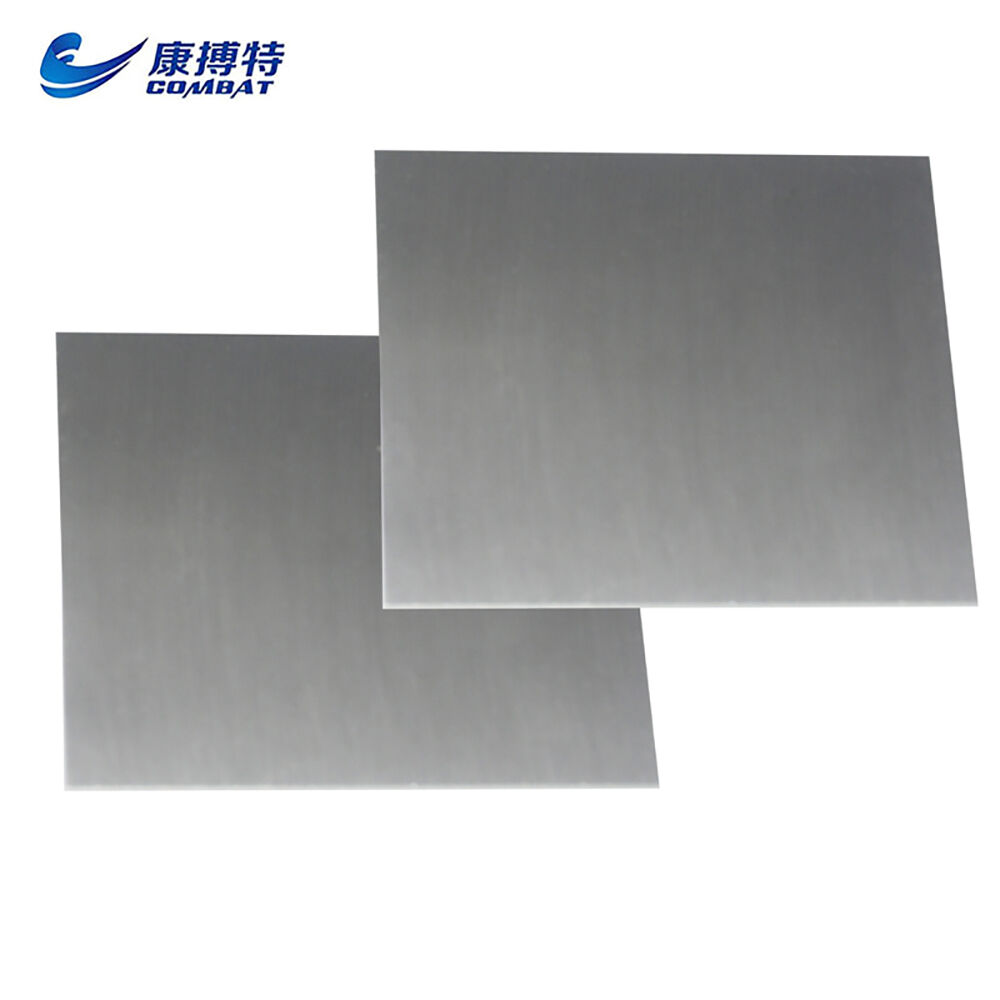
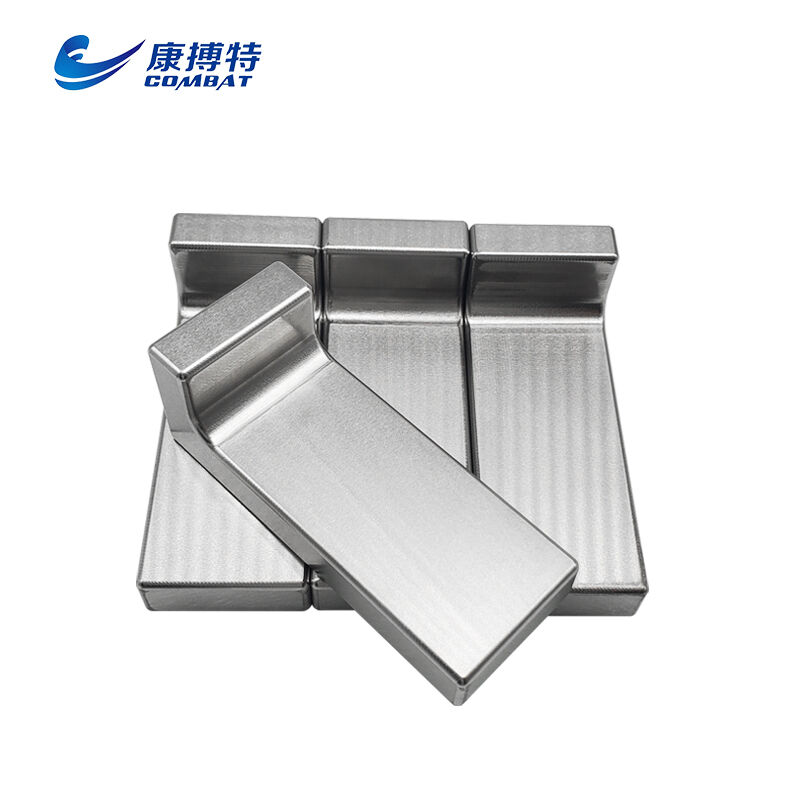
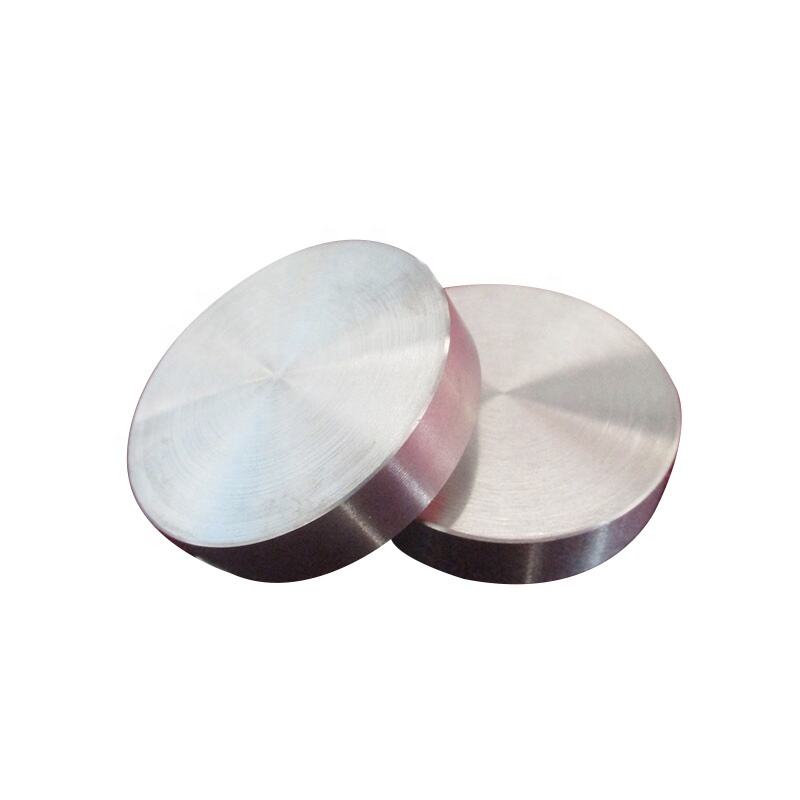
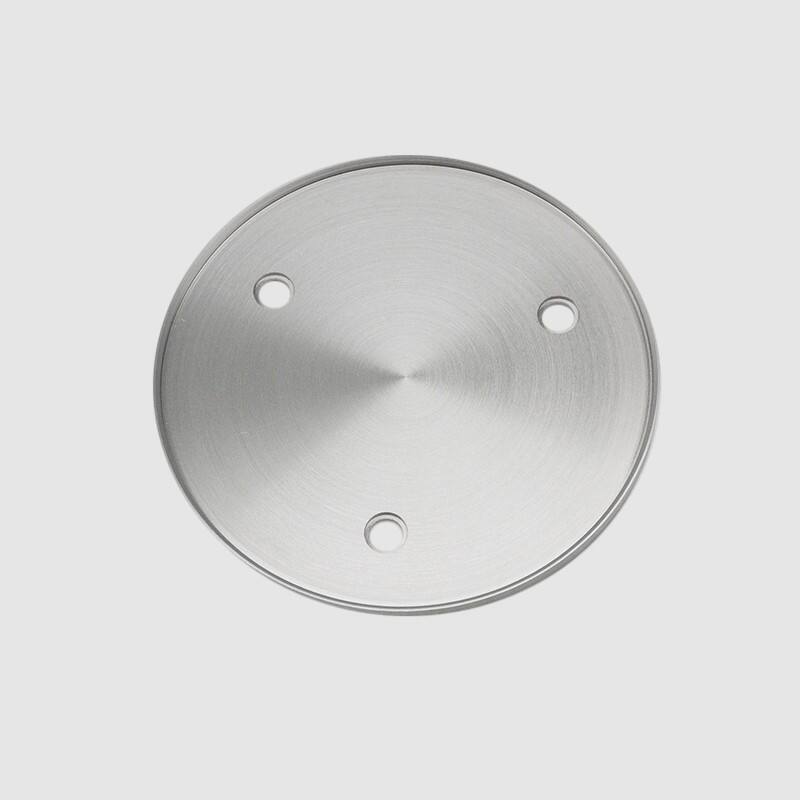
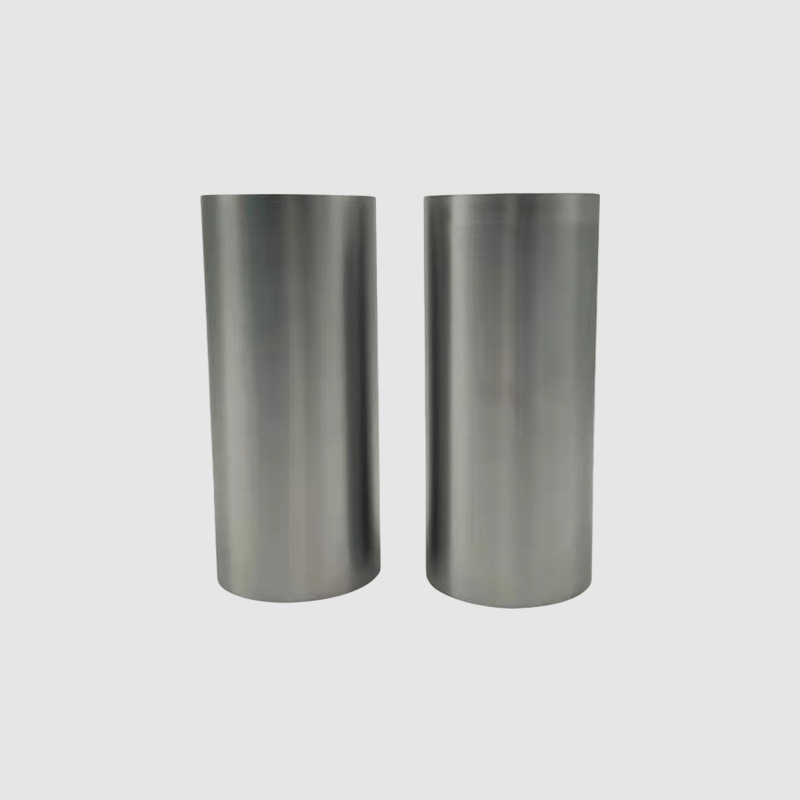
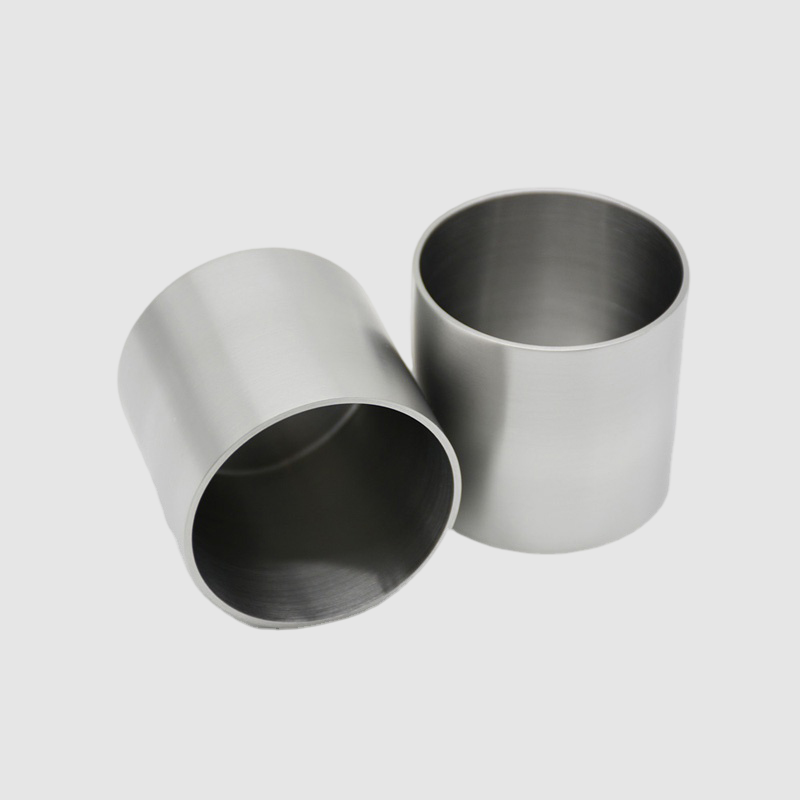
Tungsten heavy metal represents a specialized class of high-density materials that combine exceptional physical properties with remarkable versatility across demanding industrial applications. This advanced material consists primarily of tungsten alloyed with nickel, iron, or copper, creating a composite that delivers density levels ranging from 16.5 to 19.0 grams per cubic centimeter. The manufacturing process involves powder metallurgy techniques where tungsten particles are blended with binding metals, compacted under high pressure, and sintered at elevated temperatures to achieve optimal material characteristics. The resulting product exhibits a unique combination of high density, superior strength, excellent machinability, and outstanding radiation shielding capabilities that make it indispensable in aerospace, defense, medical, and industrial sectors. Unlike pure tungsten, which can be brittle and difficult to machine, tungsten heavy metal offers enhanced ductility and workability while maintaining the core benefits of tungsten's impressive atomic weight and structural integrity. The material's density approaches that of gold and exceeds lead by significant margins, yet it provides environmental advantages and superior mechanical performance. Engineers and designers select tungsten heavy metal when applications demand maximum mass in minimal volume, precise weight distribution, or effective radiation absorption. The material performs reliably across extreme temperature ranges and maintains dimensional stability under mechanical stress. Its non-magnetic properties make it suitable for sensitive electronic environments, while its resistance to corrosion ensures longevity in challenging operational conditions. Manufacturing flexibility allows tungsten heavy metal to be formed into complex geometries, from precision counterweights and vibration dampening components to radiation shielding assemblies and kinetic energy penetrators. The material's ability to be machined using conventional metalworking equipment reduces production costs and enables rapid prototyping. As industries continue pushing performance boundaries, tungsten heavy metal remains a critical enabling material that delivers measurable advantages in weight optimization, space efficiency, and functional performance across diverse applications.

New Product Releases

Choosing tungsten heavy metal delivers tangible benefits that directly impact your project's success and operational efficiency. The material's exceptional density provides immediate advantages in applications where space constraints demand maximum mass concentration. You can achieve the same weight in 40 to 50 percent less volume compared to traditional materials like steel or lead, freeing up valuable design space for other critical components. This space efficiency translates to more compact products, reduced shipping costs, and improved system integration. The superior strength characteristics of tungsten heavy metal mean your components withstand higher mechanical loads without deformation or failure. Parts maintain their shape and function under extreme conditions, reducing maintenance requirements and extending service life. You benefit from fewer replacements, lower downtime, and improved reliability in mission-critical applications. The material's excellent machinability allows your manufacturing team to produce complex shapes with tight tolerances using standard equipment. This accessibility reduces tooling costs, shortens production cycles, and enables design iterations without specialized processing requirements. You can move from concept to finished product faster while maintaining quality standards. Tungsten heavy metal offers outstanding radiation shielding effectiveness, protecting sensitive equipment and personnel from harmful exposure. The material absorbs gamma rays and x-rays more efficiently than lead while eliminating toxic handling concerns. Your facilities operate more safely, comply with environmental regulations more easily, and reduce long-term liability risks. The non-magnetic properties ensure tungsten heavy metal components do not interfere with electronic systems, magnetic sensors, or precision instruments. You can place these parts near sensitive equipment without signal distortion or measurement errors. This compatibility expands design possibilities and simplifies system architecture. Corrosion resistance means tungsten heavy metal maintains performance in humid, marine, or chemically aggressive environments. Your components resist degradation, preserve dimensional accuracy, and deliver consistent results throughout their operational lifetime. The material's thermal stability allows it to function across wide temperature ranges without property changes. Whether in arctic conditions or high-heat environments, tungsten heavy metal performs predictably. You gain design confidence knowing material behavior remains consistent across your operating envelope. The combination of these practical advantages makes tungsten heavy metal a cost-effective solution when total lifecycle costs are considered. Initial material investment is offset by extended service life, reduced maintenance, improved performance, and enhanced safety. Your projects benefit from a material that delivers measurable value through superior physical properties and reliable operational characteristics.

Tips And Tricks

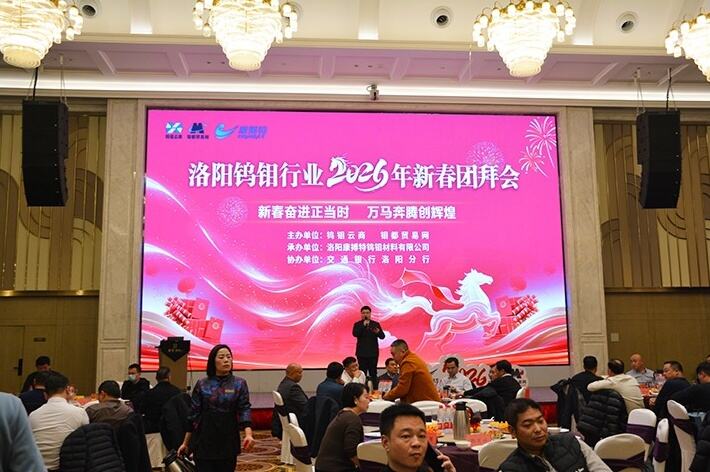
Gathering in Luoyang for Tungsten & Molybdenum, Uniting Hearts to Forge a New Dream Forward​

24

Apr

Gathering in Luoyang for Tungsten & Molybdenum, Uniting Hearts to Forge a New Dream Forward​

View More
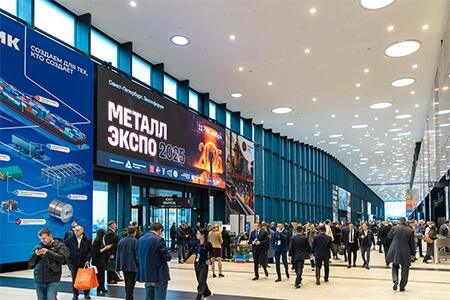
The 31st Russia International Metal and Metallurgy Industry Exhibition 2025 (Metal-Expo)

24

Apr

The 31st Russia International Metal and Metallurgy Industry Exhibition 2025 (Metal-Expo)

View More
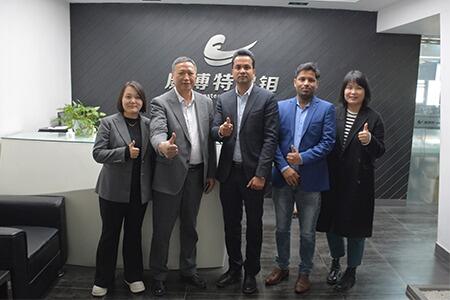
Indian Delegation Visits Youbo, Signs Molybdenum Bar and Tungsten Alloy Procurement Agreement​​

24

Apr

Indian Delegation Visits Youbo, Signs Molybdenum Bar and Tungsten Alloy Procurement Agreement​​

View More
Luoyang Combat Tungsten & Molybdenum Materials Co., Ltd. Shines at Asia Ferroalloys 2025 Conference to Forge Global Collaboration Opportunities

24

Apr

Luoyang Combat Tungsten & Molybdenum Materials Co., Ltd. Shines at Asia Ferroalloys 2025 Conference to Forge Global Collaboration Opportunities

View More

Get a Free Quote

Our representative will contact you soon.
Email
Name
Country/Region
Mobile/WhatsApp
Product Name
Message
0/1000

tungsten heavy metal

Unmatched Density for Superior Weight Distribution and Space Optimization

Unmatched Density for Superior Weight Distribution and Space Optimization

The defining characteristic of tungsten heavy metal is its extraordinary density, which fundamentally transforms how engineers approach weight-critical design challenges. With density values reaching up to 19.0 grams per cubic centimeter, this material packs nearly twice the mass of steel into the same volume, creating unprecedented opportunities for compact, high-performance solutions. This density advantage becomes particularly valuable in aerospace applications where every cubic inch of space carries premium value. Aircraft counterweights manufactured from tungsten heavy metal occupy minimal space while providing the precise mass needed to balance control surfaces, rotor systems, and movable components. The reduced volume allows designers to position weights closer to optimal balance points, improving control response and reducing structural loads. In defense applications, the material's density enables kinetic energy projectiles to deliver maximum impact force while maintaining aerodynamic profiles. The concentrated mass translates directly to penetration capability, making tungsten heavy metal the material of choice for armor-piercing ammunition and missile components. Medical equipment manufacturers leverage this density to create compact radiation shielding that protects patients and operators without the bulk of traditional lead barriers. Portable x-ray systems, cancer treatment devices, and diagnostic equipment incorporate tungsten heavy metal shielding that reduces device footprint while maintaining safety standards. The automotive and motorsports industries utilize tungsten heavy metal for precision balancing weights in crankshafts, flywheels, and racing vehicle ballast systems. The material allows engineers to fine-tune weight distribution for optimal handling characteristics while preserving interior space and maintaining low center of gravity. Industrial machinery benefits from tungsten heavy metal vibration dampening components that absorb oscillations and reduce noise without adding excessive size to equipment assemblies. The high density provides effective inertial dampening in compact packages that fit within existing machine architectures. Oil and gas drilling operations employ tungsten heavy metal in downhole tools where dense materials provide necessary weight-on-bit while navigating narrow boreholes. The material's density enables longer drill strings and improved directional control in challenging geological formations. This fundamental density advantage of tungsten heavy metal creates value across industries by enabling designs that were previously impossible, improving performance in existing applications, and reducing overall system size and weight while maintaining or enhancing functional capabilities.
Exceptional Radiation Shielding with Environmental Safety Advantages

Exceptional Radiation Shielding with Environmental Safety Advantages

Tungsten heavy metal provides superior radiation shielding performance that protects people, equipment, and sensitive materials from harmful ionizing radiation while offering significant environmental and safety advantages over traditional shielding materials. The material's high atomic number and density create an effective barrier against gamma rays, x-rays, and other forms of penetrating radiation, making it essential in medical, nuclear, aerospace, and research applications. In medical facilities, tungsten heavy metal shields protect healthcare workers and patients from scattered radiation during diagnostic imaging and cancer treatment procedures. The material's shielding effectiveness allows for thinner barriers compared to lead, creating more spacious treatment rooms and reducing structural load requirements. Portable radiation shields manufactured from tungsten heavy metal enable flexible room configurations and mobile imaging capabilities that improve patient care delivery. Unlike lead, which poses toxicity concerns during manufacturing, handling, and disposal, tungsten heavy metal offers a safer alternative that reduces occupational health risks and simplifies regulatory compliance. Facilities using tungsten heavy metal shielding eliminate lead dust exposure concerns, reduce environmental contamination risks, and streamline waste management procedures. The material's structural integrity means shields maintain their protective capabilities without degradation over time, unlike lead which can creep, sag, or develop gaps that compromise shielding effectiveness. Nuclear power facilities and research reactors incorporate tungsten heavy metal in shielding assemblies, containment systems, and transport containers for radioactive materials. The material's radiation absorption characteristics combined with its mechanical strength create robust barriers that ensure safe operations and material handling. Aerospace applications utilize tungsten heavy metal to protect sensitive electronics and instruments from cosmic radiation during high-altitude flights and space missions. Satellites, spacecraft, and aircraft operating at extreme altitudes rely on compact, effective shielding that tungsten heavy metal provides without excessive weight penalties. Industrial radiography operations benefit from tungsten heavy metal shielding that protects workers performing non-destructive testing in field environments. Portable shields and collimators manufactured from this material enable safe radiation source handling while maintaining mobility and ease of use. The material's non-toxic nature simplifies international shipping and reduces regulatory burdens associated with hazardous material transport. Research facilities conducting particle physics experiments and radiation studies employ tungsten heavy metal in detector shielding, beam dumps, and experimental apparatus where precise radiation control is essential. The combination of effective shielding performance, environmental safety, structural durability, and regulatory advantages makes tungsten heavy metal the preferred choice for modern radiation protection applications across diverse industries.
Superior Machinability and Manufacturing Flexibility for Complex Applications

Superior Machinability and Manufacturing Flexibility for Complex Applications

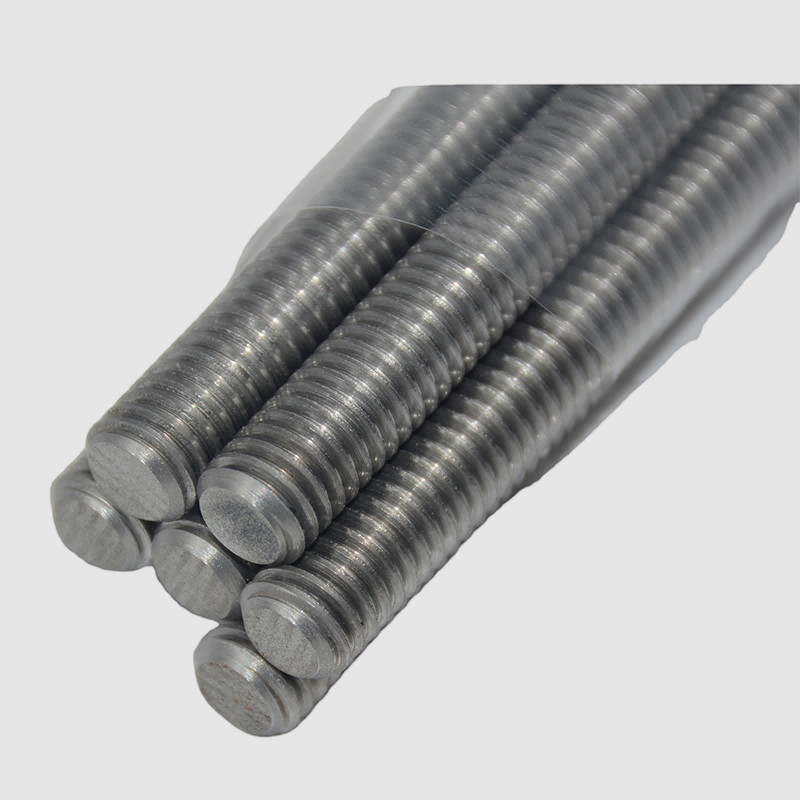
Tungsten heavy metal distinguishes itself through exceptional machinability that enables cost-effective production of complex geometries while maintaining the material's inherent performance advantages. Unlike pure tungsten, which presents significant machining challenges due to its brittleness and extreme hardness, tungsten heavy metal alloys machine readily using conventional metalworking equipment and standard cutting tools. This manufacturing accessibility dramatically reduces production costs, shortens lead times, and expands design possibilities for engineers developing weight-critical components. The material responds well to turning, milling, drilling, grinding, and threading operations, allowing manufacturers to produce intricate shapes with tight dimensional tolerances. Complex internal features, precision threads, and detailed surface profiles can be achieved without specialized tooling or exotic machining processes. This capability proves invaluable when producing counterweights with specific mounting features, radiation shields with precise apertures, or kinetic energy penetrators with aerodynamic profiles. The ability to machine tungsten heavy metal using existing equipment means manufacturers can produce components without capital investment in specialized machinery, reducing barriers to adoption and enabling competitive pricing. Prototype development benefits significantly from this machinability, as design iterations can be produced quickly for testing and validation. Engineers can refine geometries, optimize weight distribution, and verify fit and function without lengthy production cycles or expensive tooling commitments. The material's ductility allows for some degree of cold forming and bending operations, further expanding manufacturing options for specific applications. Welding and joining processes are feasible with appropriate techniques, enabling assembly of complex structures from multiple tungsten heavy metal components. Surface finishing operations including polishing, coating, and plating adhere well to tungsten heavy metal, allowing manufacturers to meet specific aesthetic or functional surface requirements. The material accepts various protective coatings that enhance corrosion resistance or provide specific surface properties without compromising core material performance. Quality control and inspection procedures are straightforward, as tungsten heavy metal components can be measured and verified using standard metrology equipment. Dimensional stability during and after machining ensures parts maintain specified tolerances throughout the manufacturing process and during service life. The combination of excellent machinability, compatibility with standard manufacturing processes, and design flexibility makes tungsten heavy metal a practical choice for applications ranging from high-volume production runs to custom one-off components. Manufacturers appreciate the material's predictable behavior during processing, while engineers value the freedom to design complex solutions without manufacturing constraints limiting their creativity. This manufacturing advantage of tungsten heavy metal translates directly to reduced development costs, faster time-to-market, and improved product performance across aerospace, defense, medical, industrial, and commercial applications where precision, reliability, and performance are non-negotiable requirements.
Get a Free Quote

Our representative will contact you soon.
Email
Name
Country/Region
Mobile/WhatsApp
Product Name
Message
0/1000