titanium bar manufacturer
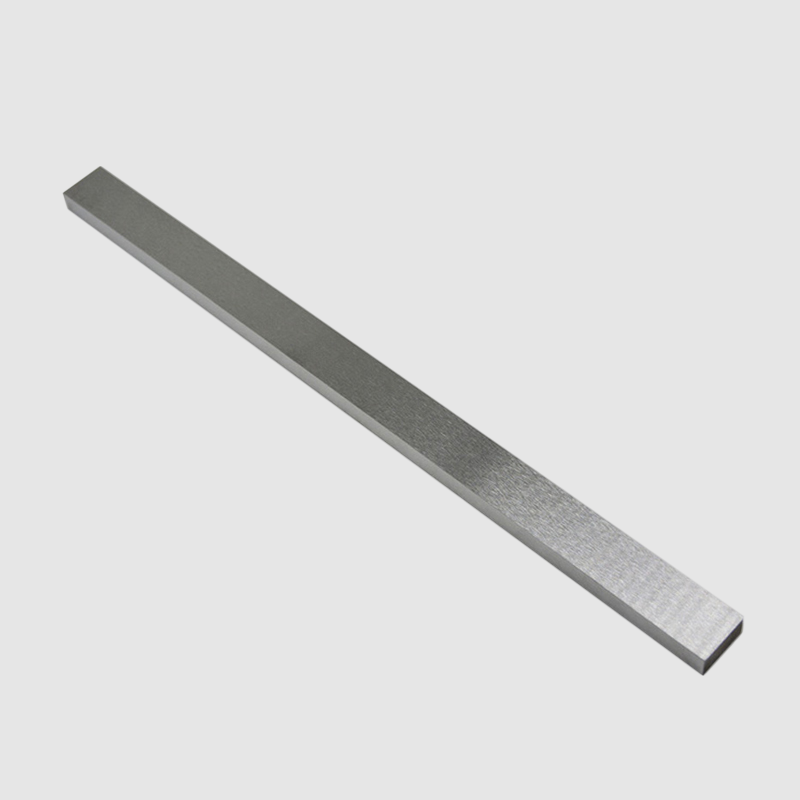
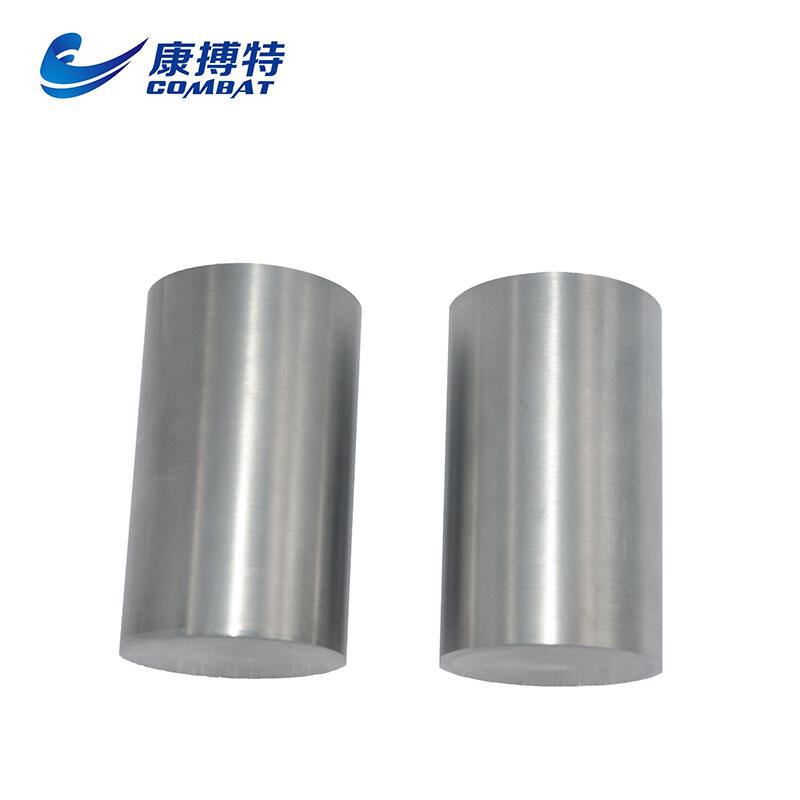
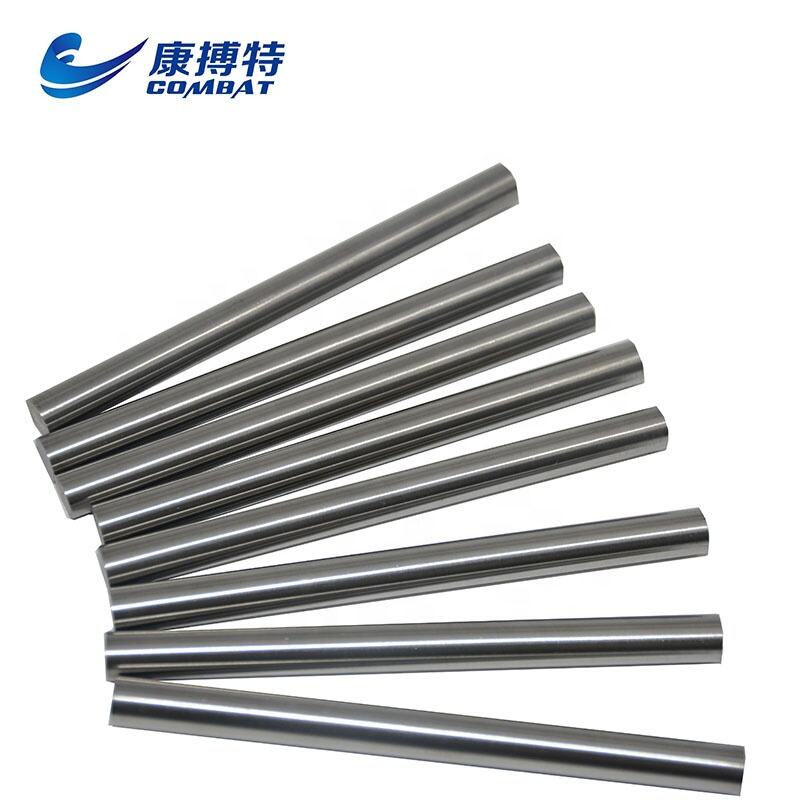
A titanium bar manufacturer specializes in producing high-quality titanium bars through advanced metallurgical processes and precision engineering. These manufacturers transform raw titanium materials into bars of various grades, dimensions, and specifications that serve critical applications across aerospace, medical, chemical processing, and marine industries. The primary function involves melting, forging, rolling, and heat-treating titanium to achieve desired mechanical properties and dimensional accuracy. Modern titanium bar manufacturers employ vacuum arc remelting (VAR) and electron beam melting (EBM) technologies to ensure material purity and eliminate defects. The manufacturing process begins with selecting appropriate titanium grades, ranging from commercially pure titanium to complex alloys containing aluminum, vanadium, and other elements. Through controlled hot working and cold finishing operations, manufacturers produce bars with exceptional strength-to-weight ratios and corrosion resistance. Quality control systems monitor chemical composition, microstructure, surface finish, and mechanical properties throughout production. Technological features include computer-controlled forging presses, precision machining centers, and non-destructive testing equipment that guarantee consistent product quality. Manufacturers maintain certifications such as AS9100 for aerospace applications and ISO 13485 for medical device components. The production capabilities extend from small-diameter rods measuring a few millimeters to large bars exceeding 500mm in diameter. Surface treatments like pickling, polishing, and coating enhance performance characteristics for specific applications. Titanium bar manufacturers serve as critical suppliers to industries requiring materials that withstand extreme temperatures, corrosive environments, and high-stress conditions. Their expertise encompasses metallurgical knowledge, process optimization, and customer-specific customization. Applications range from aircraft structural components and jet engine parts to surgical implants, chemical reactor vessels, and offshore drilling equipment. The manufacturing infrastructure typically includes melting furnaces, forging equipment, rolling mills, heat treatment facilities, and comprehensive testing laboratories that verify compliance with international standards like ASTM B348 and AMS specifications.



 EN