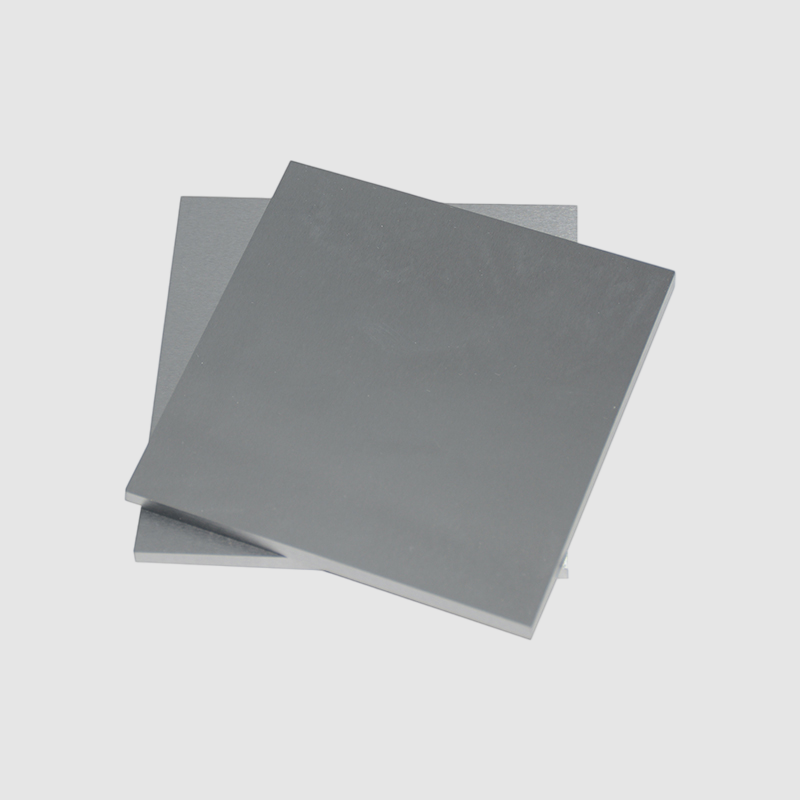
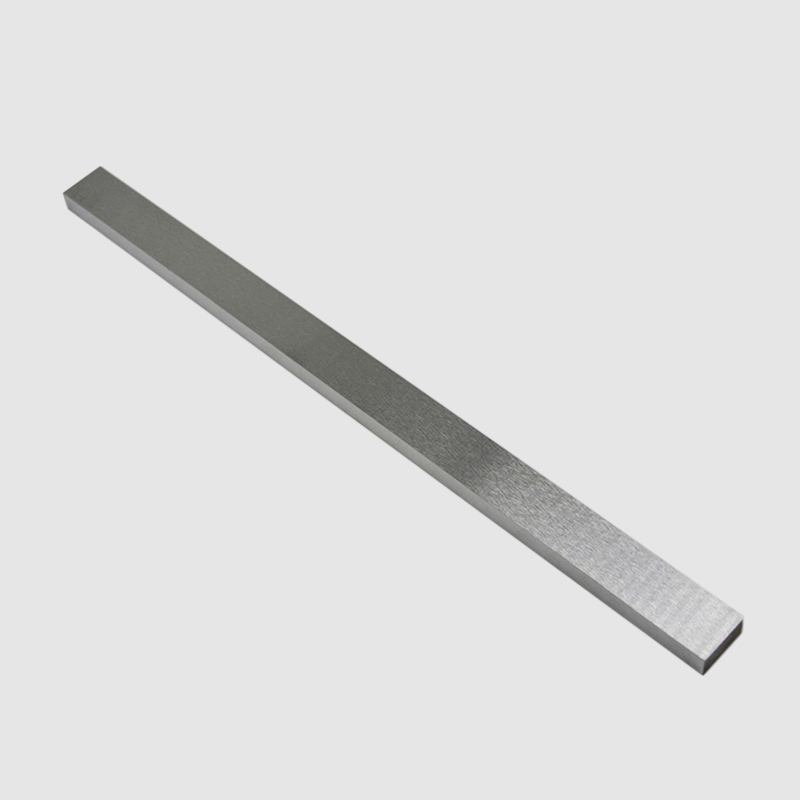
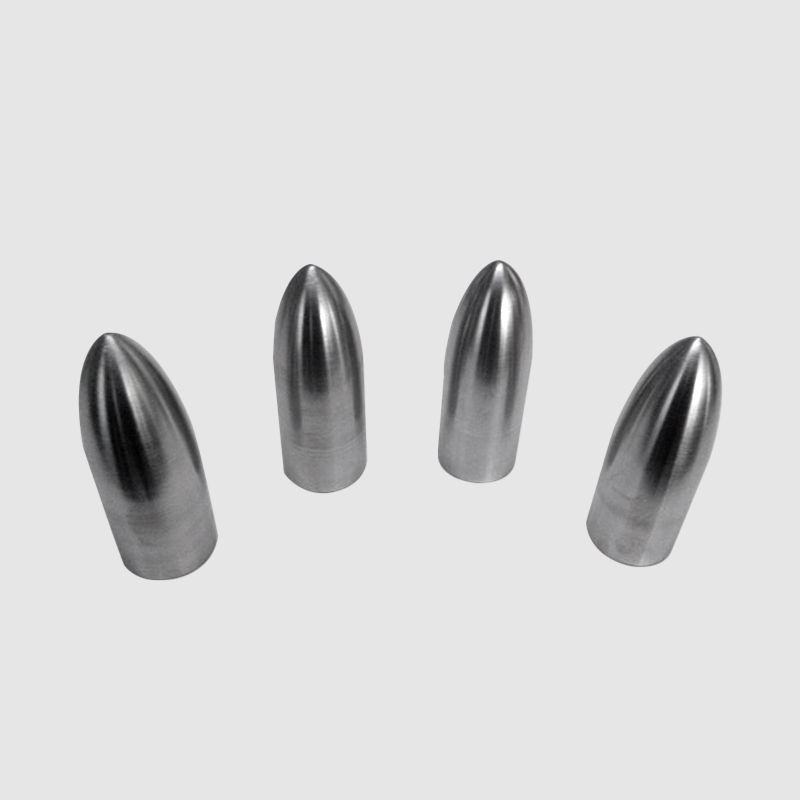
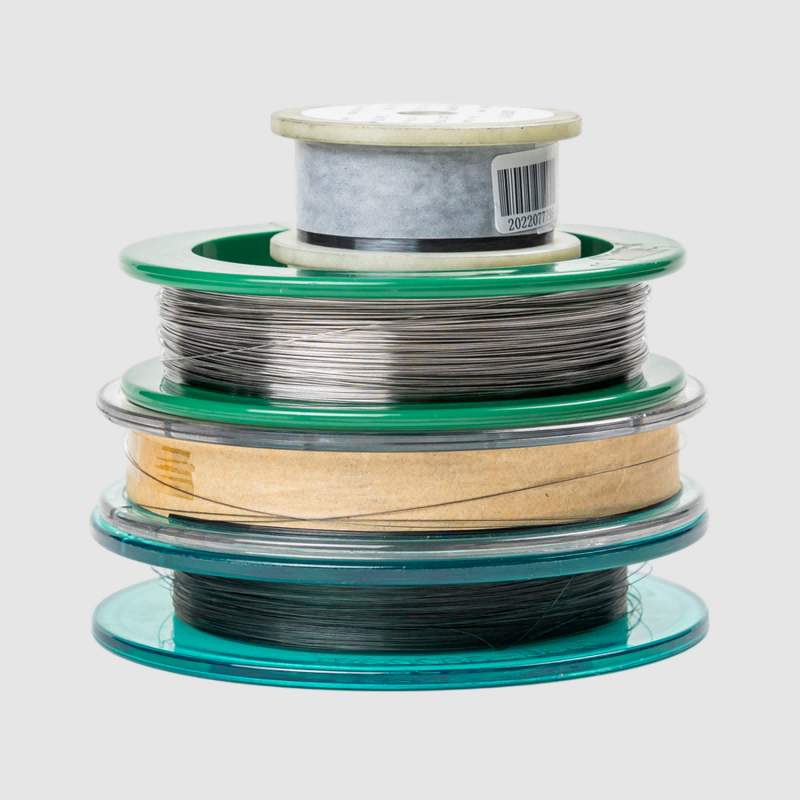
Tungsten-molybdenum materials are resistant to high temperatures and corrosion, suitable for extreme conditions in the petrochemical industry. Three cases demonstrate that they can extend equipment lifespan by 3-8 times, with the renovation investment being only 1/5 of that for new equipment, effectively ensuring long-term safe operation of the installations.
The petrochemical industry covers all processes from oil extraction, crude oil refining, ethylene cracking, hydrogenation refining, and CCUS carbon capture. It has long faced extreme conditions such as high temperatures (above 1000°C), high pressure (above 15 MPa), strong corrosion (H₂S, CO₂, chloride ions, etc.), and high wear. Ordinary stainless steel and nickel-based alloys are prone to high-temperature creep deformation, oxidation cracking, pitting perforation, and hydrogen embrittlement failure under these conditions, leading to frequent equipment shutdowns and even safety accidents.
Tungsten and molybdenum, as high-melting-point refractory metals, have melting points of 3422°C and 2622°C respectively, with characteristics such as high temperature resistance, corrosion resistance, low thermal expansion coefficient, and wear resistance. In the petrochemical field, four major application directions have been formed: high-temperature refractory structural components, hard wear-resistant alloy parts, anti-corrosion coatings/alloy additives, and catalytic chemical raw materials. The following presents the actual application results of tungsten-molybdenum materials through three case studies.
Case 1: Heating condition challenge for the CCUS wellbore of Shengli Oilfield's shale oil: The Shengli Oilfield's Liye 1HF shale oil well uses CO₂ injection for extraction, and the high-pressure throttling of liquid CO₂ causes the pipeline to rapidly cool and freeze. The produced liquid contains CO₂, formation water, and hydrogen sulfide, forming a composite corrosion environment. The conventional stainless steel heating tubes corrode and perforate within 3 months, causing shutdowns. Solution: Customized tungsten alloy composite heating tubes (tungsten alloy heating base + aluminum nitride insulation layer).
Electric heating conversion efficiency 99%, heating speed increased by 4 times
Continuous operation for 24 months, no corrosion or erosion damage
Completely solve pipeline freezing and blockage, reducing shutdown maintenance for a single well by 12 times
Low thermal expansion coefficient, no weld cracking during temperature alternation
Conclusion: Tungsten alloy heating tubes are suitable for CCUS and unconventional extraction with drastic temperature differences.
Case 2: Support component condition challenge for the ethylene cracking furnace of Lanzhou Petrochemical: The support components of the cracking furnace operate at 1100°C for a long time, and the chromium-nickel alloy material undergoes creep deformation after about 1 year, requiring frequent shutdowns for replacement, seriously affecting production efficiency. Solution: All replaced with TZM molybdenum alloy (titanium-zirconium-molybdenum alloy) support components.
No deformation under 1100°C for a long time
Life extended from 1 year to 6 years (6 times extension)
Significantly reduce shutdown replacement frequency, with significant overall economic benefits
Conclusion: TZM molybdenum alloy is the standard preferred material for petrochemical high-temperature furnace structural components.
Case 3: Inner lining renovation challenge for the hydrogenation reactor of Shandong Hengyuan Petrochemical: The hydrogenation reactor (inner diameter 3 meters, 430°C, 15 MPa, medium containing H₂S, ammonia, and chloride ions) had a 316L stainless steel inner lining that developed local pitting and hydrogen blistering after 3 years of operation, posing an explosion safety hazard. Solution: Inner wall welded with 10mm thick molybdenum tungsten composite nickel-based alloy (C276, 13% molybdenum, 3% tungsten).
Continuous safe operation for 25 years, no stress corrosion cracking or hydrogen embrittlement failure, annual corrosion thinning of only 0.1mm
Meets API refining and petrochemical pressure vessel safety standards
Welding renovation investment is only 1/5 of replacing new equipment
Conclusion: The molybdenum tungsten nickel-based alloy welding technology combines safety and economy, being a mature solution for hydrogenation reactor anti-corrosion renovation.
The core value of tungsten-molybdenum materials in the petrochemical field is reflected in three aspects:
1. Safety and reliability - maintaining structural integrity in extreme conditions and eliminating safety hazards;
2. Economic efficiency - extending equipment lifespan by 3-8 times, with renovation costs far lower than equipment replacement; 3. Industry Adaptation - Covering the entire industrial chain from oil extraction to refining and chemical processing, it supports the upgrading of the petrochemical industry towards longer cycles and higher safety.
As petrochemical facilities become increasingly large and complex, tungsten and molybdenum materials will play an increasingly important role in key equipment under extreme conditions.

 EN
EN