Versatile Material Compatibility Across Industries
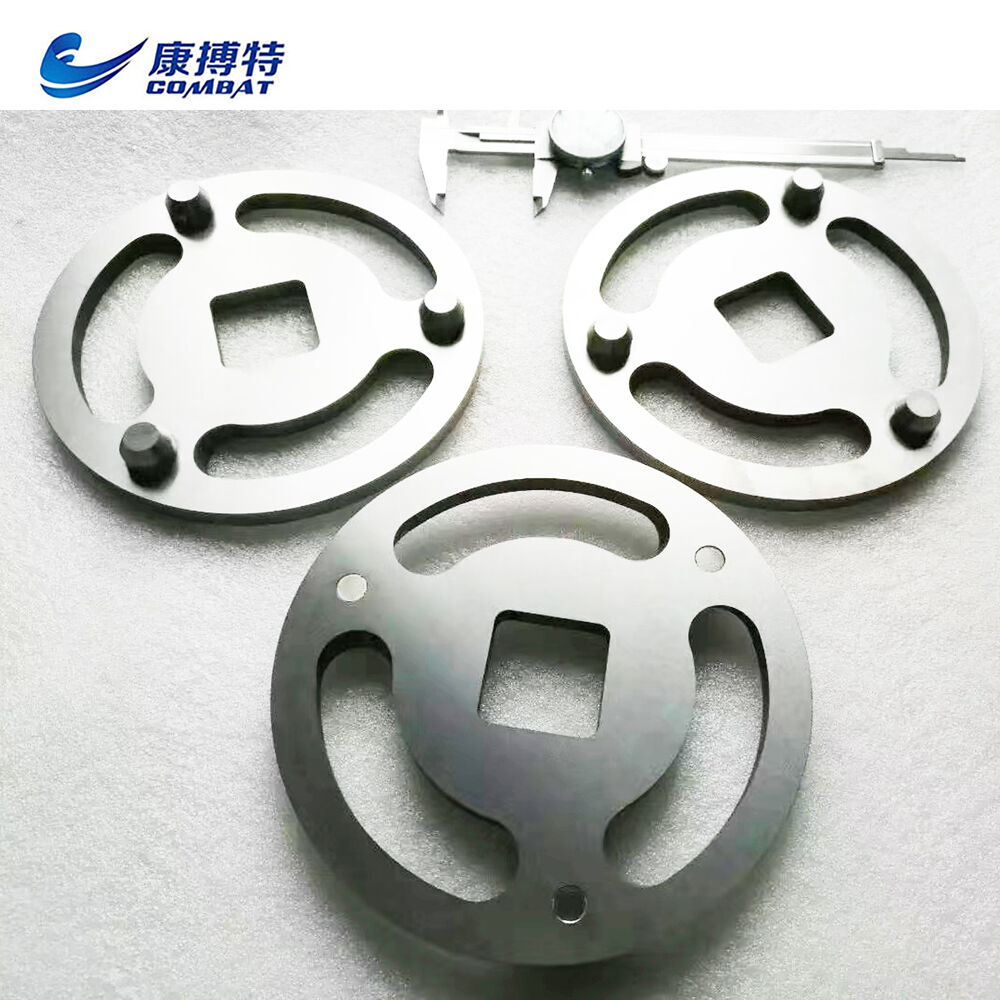
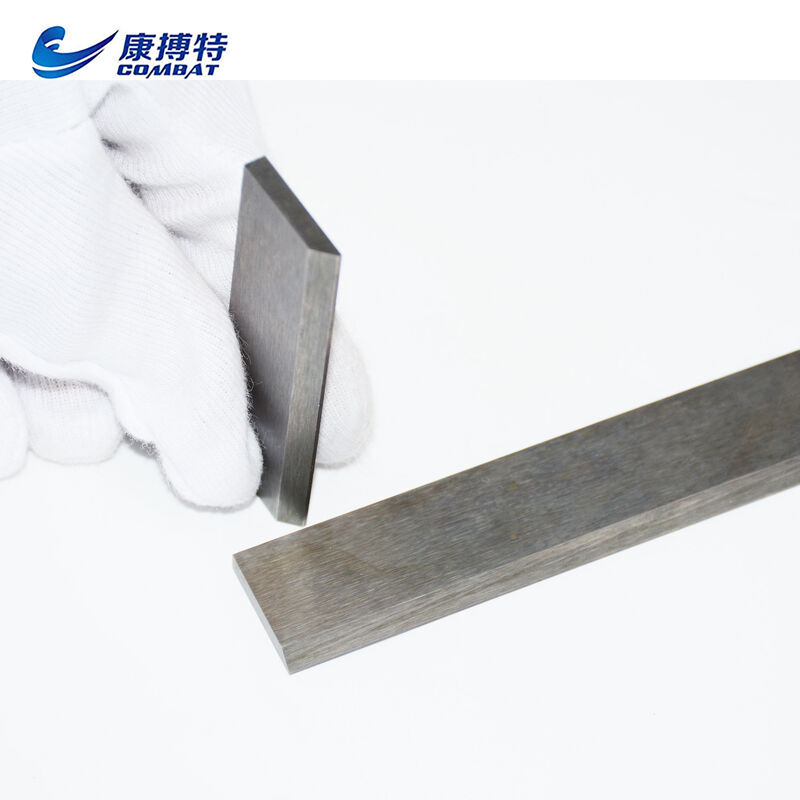
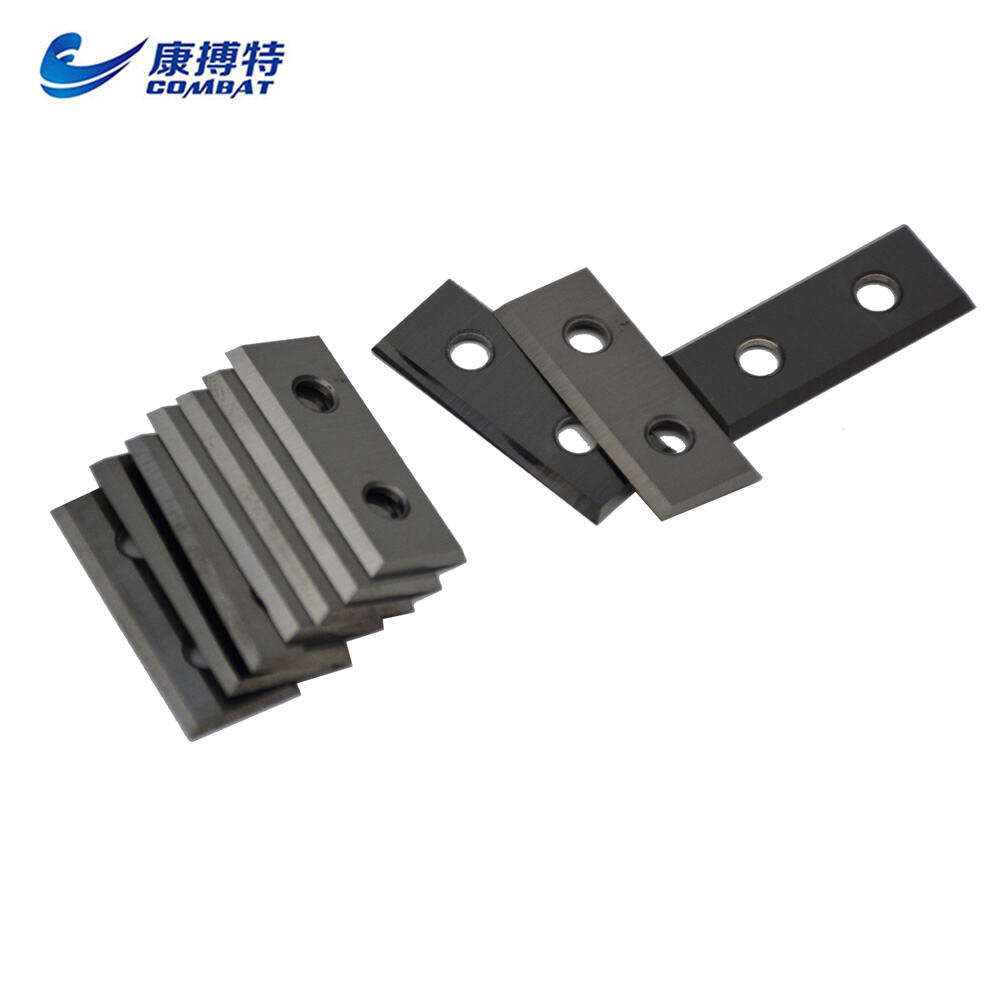
The remarkable versatility of cemented carbide across diverse materials and applications makes it an invaluable solution for operations processing multiple workpiece types or seeking to consolidate their tooling inventory. This adaptability stems from the material's unique combination of properties that perform effectively whether you are cutting soft aluminum alloys, machining hardened tool steels, drilling through abrasive rock formations, or forming composite materials. When you adopt cemented carbide technology, you reduce the complexity of managing different tool types for different materials, simplifying procurement, inventory control, and operator training while improving overall operational efficiency. The material excels in metalworking applications spanning the full spectrum from non-ferrous metals like aluminum, copper, and brass to ferrous materials including cast iron, carbon steels, alloy steels, and stainless steels, even handling exotic alloys like Inconel, Hastelloy, and titanium that challenge most cutting tool materials. Your woodworking operations benefit equally as cemented carbide saw blades, router bits, and planer knives deliver clean cuts through solid wood, engineered wood products, and abrasive materials like particleboard and medium-density fiberboard that quickly dull conventional steel tooling. Construction and mining industries depend on cemented carbide's ability to penetrate concrete, rock, and mineral formations, with drill bits, picks, and crushing elements maintaining effectiveness through conditions that would destroy standard steel components within minutes. The plastics and composites sectors rely on cemented carbide tooling to process increasingly common advanced materials like carbon fiber reinforced polymers, fiberglass composites, and filled thermoplastics that contain abrasive fillers specifically designed to improve material properties but which accelerate tool wear dramatically. Your manufacturing flexibility increases because a single cemented carbide tool often handles multiple materials effectively, reducing changeover time and allowing quick responses to varying production requirements without extensive tool swaps. The material's chemical stability ensures reliable performance even when processing materials that generate corrosive byproducts or in environments where moisture and chemicals are present, expanding application possibilities into areas where corrosion would limit other tool materials. This versatility extends to different manufacturing processes, with cemented carbide grades optimized for turning, milling, drilling, threading, and forming operations, each tailored to deliver optimal performance in its specific application while maintaining the fundamental advantages of hardness, wear resistance, and thermal stability that define cemented carbide technology across all its uses.




 EN
EN