
 EN
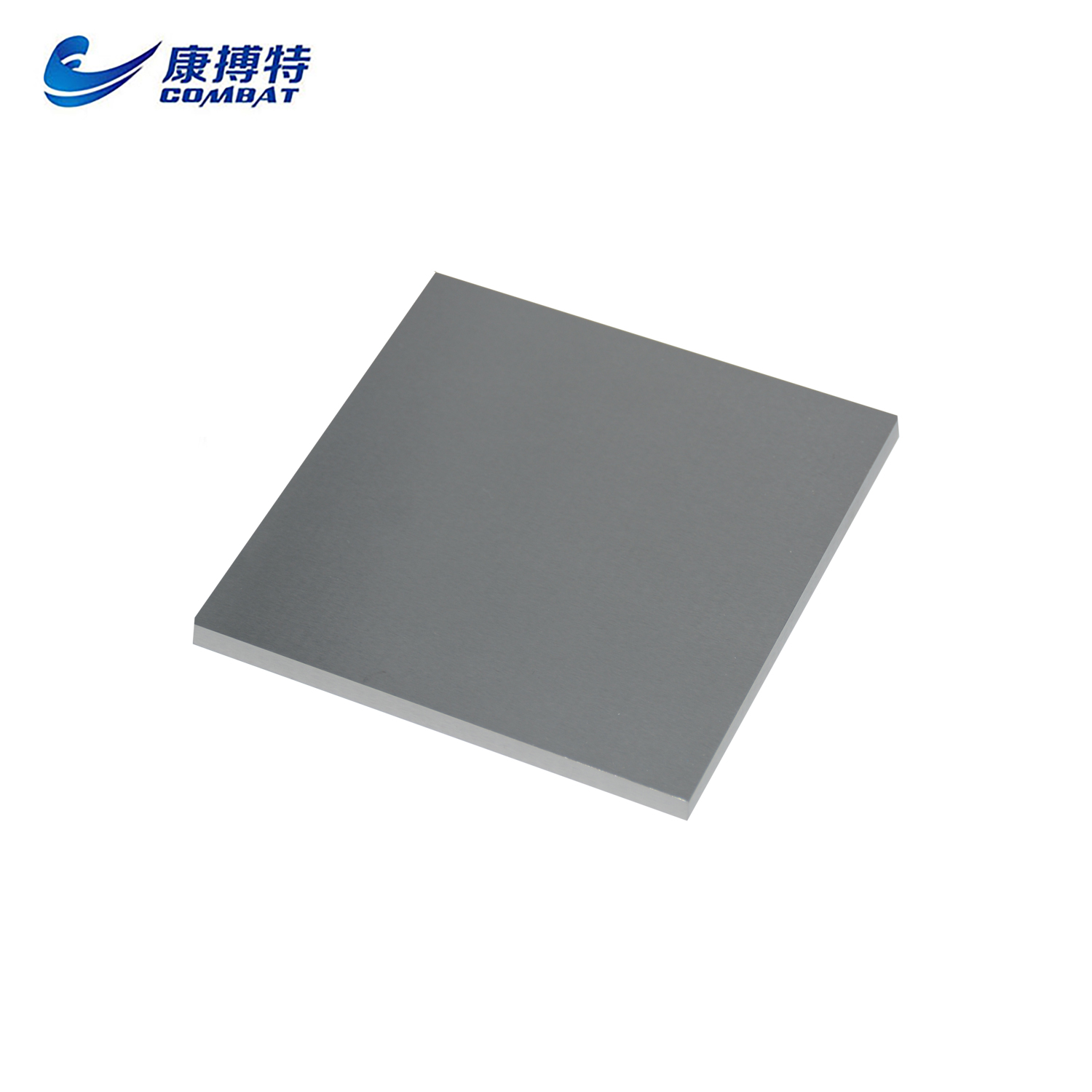
Tungsten plate represents one of the most effective solutions for industries that demand exceptionally dense materials capable of withstanding extreme conditions. The density of tungsten plate makes it indispensable across aerospace, medical, military, and industrial sectors where material performance directly impacts operational success and safety. Understanding why tungsten plate has become the material of choice for high-density applications requires examining its unique physical properties, manufacturing capabilities, and real-world performance advantages that conventional materials simply cannot match.
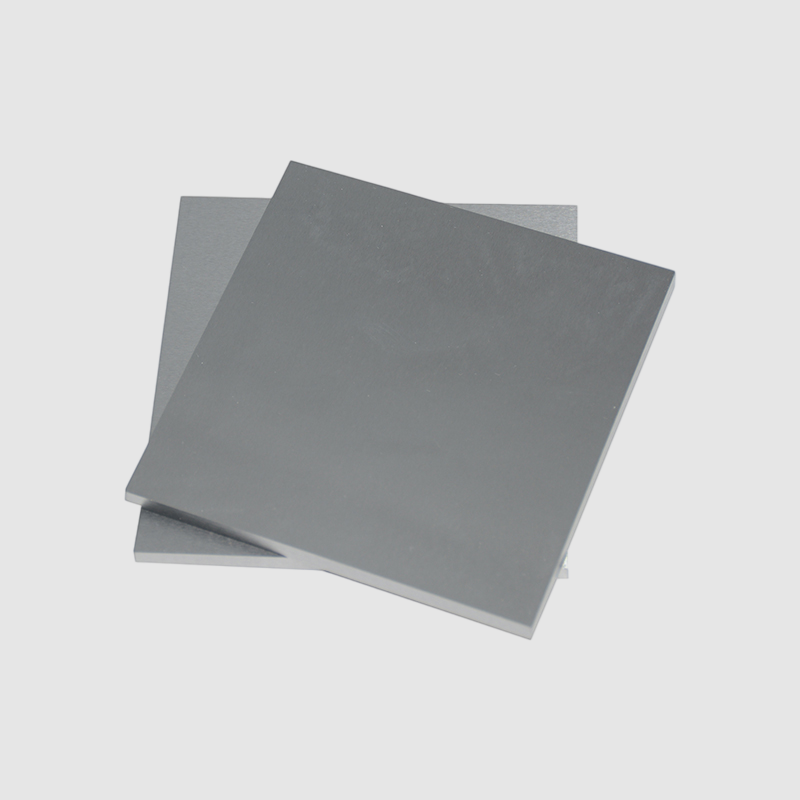
The superiority of tungsten plate in high-density applications stems from tungsten's position as one of Earth's densest naturally occurring elements. When engineered into plate form, tungsten plate achieves a density of approximately 19.3 grams per cubic centimeter, nearly twice that of steel and comparable only to other refractory metals. This exceptional density enables tungsten plate to provide maximum mass in minimal volume, a critical advantage when space constraints, weight optimization, or radiation shielding requirements dominate engineering decisions.
Physical Properties That Drive Tungsten Plate Adoption
Unmatched Density and Mass Performance
Tungsten plate delivers density characteristics that fundamentally reshape design possibilities in weight-sensitive industries. The extreme density of tungsten plate means engineers can replace significantly larger volumes of conventional materials with substantially smaller tungsten plate components, directly reducing overall system weight while maintaining or exceeding structural integrity. For aerospace applications, this density advantage translates into reduced fuel consumption, increased payload capacity, and improved operational efficiency. Military applications benefit equally, where tungsten plate's density enables more effective ballistic protection without proportional increases in equipment mass.
Beyond simple mass advantages, tungsten plate's density creates superior radiation attenuation properties essential in medical and nuclear industries. The atomic structure of tungsten plate provides efficient shielding against gamma radiation and X-rays, making tungsten plate the preferred material for medical imaging equipment, radiation therapy components, and nuclear facility shielding. This radiation absorption capability of tungsten plate cannot be duplicated by lighter materials without requiring impractical thicknesses that would defeat the original weight-saving objectives.
Thermal and Chemical Resilience
Tungsten plate maintains exceptional performance across extreme temperature ranges where most materials fail. With a melting point exceeding 3,400 degrees Celsius, tungsten plate retains structural integrity in furnace linings, heat treatment equipment, and aerospace propulsion systems. The thermal stability of tungsten plate prevents warping, degradation, or property changes even during repeated thermal cycling, ensuring consistent performance across industrial heating and cooling processes.
The chemical resistance of tungsten plate complements its thermal properties, enabling deployment in aggressive environments where corrosive media, reactive gases, or harsh solvents would rapidly degrade alternative materials. Tungsten plate demonstrates outstanding resistance to acids, bases, and oxidizing environments, reducing maintenance requirements and extending equipment lifecycle. This combination of thermal and chemical resistance makes tungsten plate ideal for reactor vessels, chemical processing equipment, and laboratory apparatus requiring both density and durability.
Engineering Applications Enabled by Tungsten Plate
Aerospace and Defense Sector Solutions
Aerospace engineers specify tungsten plate for ballast systems, counterweight applications, and structural components where density directly improves aircraft performance characteristics. A single tungsten plate component can replace multiple steel parts while reducing total system weight, thereby increasing range, speed, or payload capacity. Defense applications employ tungsten plate in kinetic penetrators and shielding systems where the material's extreme density provides superior performance compared to traditional options.
Military platforms increasingly incorporate tungsten plate in armor systems, gun barrels, and directional control systems where both density and hardness prove critical. The tungsten plate's ability to maintain dimensional stability under extreme stress and temperature fluctuations makes it preferred over competing materials that might degrade during operational stress or environmental exposure. This reliability directly translates into extended equipment service life and reduced replacement costs across military platforms.
Medical and Radiation Protection Applications
Medical device manufacturers rely on tungsten plate for collimators, shielding containers, and radiation therapy accessories where material density directly impacts equipment effectiveness. Computed tomography scanners, X-ray systems, and radiation therapy units incorporate tungsten plate components to optimize shielding efficiency while maintaining compact equipment dimensions that improve clinical workflow and patient comfort. The biocompatibility and non-toxicity of tungsten plate ensure safe long-term contact with patients and medical personnel.
Nuclear facilities and research institutions select tungsten plate for shielding walls, storage containers, and transportation vessels where radiation protection demands cannot be compromised. The superior attenuation characteristics of tungsten plate reduce shielding thickness requirements by 30 to 50 percent compared to traditional lead-based solutions, improving facility layout efficiency and reducing structural loading on buildings and support systems. This density-driven design advantage represents a significant operational benefit that extends far beyond simple material substitution.
Manufacturing and Cost-Benefit Considerations
Processing Capabilities and Design Flexibility
Modern tungsten plate manufacturing enables precise dimensional tolerances, custom thickness specifications, and tailored mechanical properties to match specific application requirements. Advanced powder metallurgy and sintering techniques produce tungsten plate with controlled density, porosity, and grain structure that traditional casting methods cannot achieve. This manufacturing precision allows engineers to design components with confidence in material properties, enabling higher performance margins and improved system reliability across demanding applications.
Design engineers benefit from tungsten plate's machinability compared to many alternative high-density materials, enabling cost-effective production of complex geometries, precision holes, and integrated features within single components. This manufacturing flexibility reduces part count, simplifies assembly procedures, and minimizes production waste compared to alternatives requiring extensive secondary processing or multiple fabrication steps.
Total Cost of Ownership Analysis
While tungsten plate commands higher per-unit material costs than conventional alternatives, total cost of ownership calculations frequently demonstrate significant long-term savings through reduced weight, extended service life, and improved operational efficiency. Aerospace applications achieve fuel savings over equipment lifetime that dramatically exceed material cost premiums. Medical equipment benefits from reduced replacement schedules and improved shielding efficiency that reduces facility operating costs and increases revenue-generating capacity through faster patient throughput.
The exceptional durability and dimensional stability of tungsten plate minimize maintenance intervention, reduce downtime, and extend replacement intervals compared to materials requiring periodic refurbishment or replacement. Industrial processes employing tungsten plate components experience fewer operational disruptions, improved production consistency, and enhanced equipment reliability that collectively justify material investment through operational excellence rather than pure material cost comparison.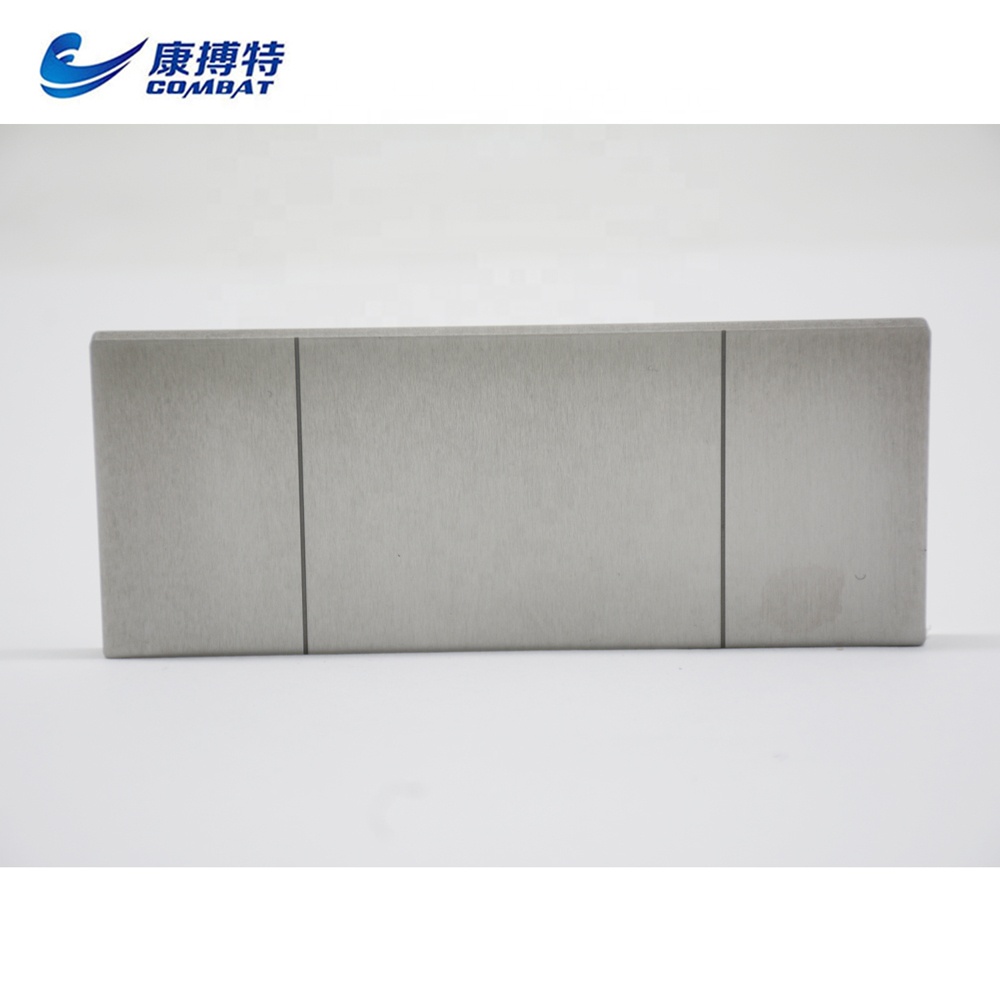
FAQ
What specific density advantage does tungsten plate provide compared to steel?
Tungsten plate achieves approximately 19.3 grams per cubic centimeter density compared to steel at roughly 7.85 grams per cubic centimeter, representing a density advantage of approximately 2.5 times. This means tungsten plate delivers equivalent mass in approximately 40 percent of the volume required for steel, enabling dramatic weight reduction in space-constrained applications. The density advantage of tungsten plate becomes particularly valuable in aerospace and portable equipment applications where every kilogram reduction directly impacts performance and operational capability.
Can tungsten plate be cost-effectively machined into complex components?
Yes, tungsten plate can be machined into complex geometries and precision features using specialized machining equipment and techniques specifically developed for refractory metals. While tungsten plate requires different machining parameters compared to conventional materials and demands specialized tool materials and cooling strategies, the ability to create complex geometries in single components significantly reduces assembly complexity and parts count. Many applications justify specialized machining investment through elimination of secondary fabrication steps and improved component performance compared to assemblies combining multiple simpler parts.
How does tungsten plate's radiation shielding capability compare to traditional lead-based solutions?
Tungsten plate provides superior radiation attenuation per unit thickness compared to lead, enabling 30 to 50 percent reduction in shielding material thickness while maintaining equivalent protection levels. The superior attenuation characteristics of tungsten plate result from tungsten's higher atomic number and density compared to lead, combined with better mechanical properties that eliminate lead's softness and susceptibility to damage. Modern medical and nuclear applications increasingly specify tungsten plate shielding to reduce facility footprint, improve structural efficiency, and eliminate environmental concerns associated with lead disposal and worker exposure.