
 EN
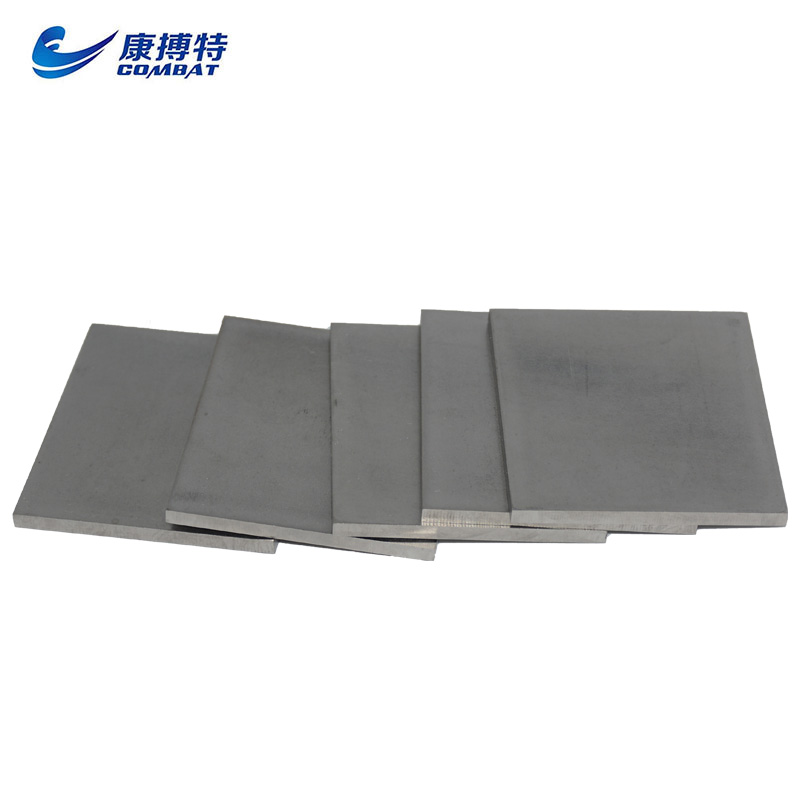
Tungsten plate stands as one of the most reliable refractory materials for extreme thermal environments. When exposed to high temperature structural conditions, tungsten plate demonstrates exceptional performance characteristics that make it indispensable across aerospace, nuclear, and advanced manufacturing industries. Understanding how tungsten plate behaves under intense heat is critical for engineers designing systems that must withstand prolonged exposure to extreme thermal stress.
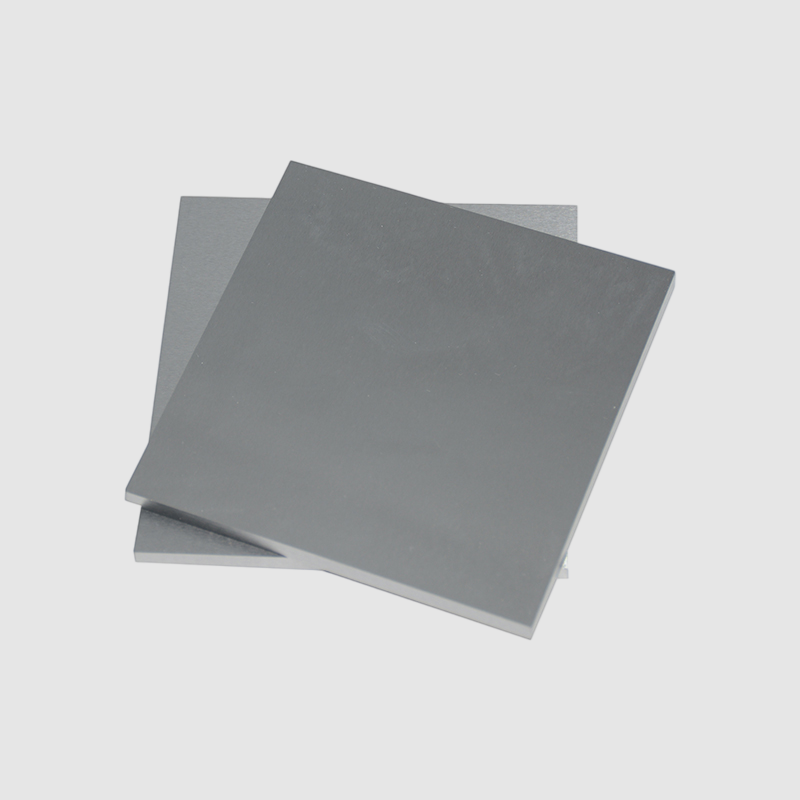
The performance of tungsten plate under high temperature structural conditions depends on multiple interconnected factors including material composition, grain structure, temperature range, stress application, and environmental atmosphere. Tungsten plate maintains superior mechanical properties at temperatures where conventional steel and aluminum alloys fail entirely. This makes tungsten plate the preferred choice for applications requiring both thermal stability and structural integrity in extreme conditions.
Thermal Stability and Melting Point Advantages
Exceptional Melting Point and Heat Resistance
Tungsten plate possesses the highest melting point of any pure metal at 3,422 degrees Celsius, far exceeding nickel-based superalloys and molybdenum alternatives. This extraordinary melting point means tungsten plate remains solid and structurally intact at temperatures that would catastrophically fail other materials. The thermal conductivity of tungsten plate also contributes significantly to its performance, allowing heat to dissipate efficiently throughout the material rather than creating localized stress concentrations.
When tungsten plate is exposed to high temperature structural conditions over extended periods, its crystalline lattice structure resists the thermal creep and grain growth that degrades other metals. Thermal creep—the gradual deformation under constant stress at high temperatures—is virtually eliminated in quality tungsten plate, ensuring dimensional stability and predictable performance. The low coefficient of thermal expansion in tungsten plate also minimizes warping and internal stress development during thermal cycling between hot and cold states.
Mechanical Property Retention at Elevated Temperatures
Unlike conventional structural materials that lose strength dramatically as temperature increases, tungsten plate maintains exceptional tensile strength and hardness even when subjected to extreme heat. At 2,000 degrees Celsius, tungsten plate retains approximately 80 to 90 percent of its room-temperature strength, while copper or aluminum alloys would be completely unusable at such temperatures. This strength retention is fundamental to why tungsten plate performs so reliably under high temperature structural conditions.
The yield strength of tungsten plate actually increases slightly at moderate elevated temperatures before gradually declining at extreme heat levels above 2,500 degrees Celsius. Engineers designing high temperature structural systems can rely on conservative strength calculations when using tungsten plate, knowing that the material will not undergo sudden brittle failure or unexpected softening. Tungsten plate engineering data consistently shows this stable mechanical behavior across the temperature range where the material is typically applied.
Oxidation Resistance and Environmental Performance
Surface Oxidation at High Temperatures
Tungsten plate exposed to high temperature structural conditions in oxygen-containing atmospheres will form tungsten oxide layers on the surface. This oxidation process accelerates as temperature increases, with significant oxide formation beginning around 400 to 500 degrees Celsius in air. However, the oxide layer that forms on tungsten plate actually provides some protective benefit by slowing deeper oxidation penetration, unlike some metals where surface oxidation triggers cascading corrosion.
For tungsten plate operating below 1,000 degrees Celsius in ambient air, oxidation remains minimal and does not substantially compromise structural performance. Above 1,000 degrees Celsius, engineers must consider the cumulative oxide formation and potential embrittlement of tungsten plate surfaces, especially under cyclic heating and cooling. Protected inert atmosphere applications allow tungsten plate to perform at maximum temperature without any oxidation concerns, making it ideal for vacuum furnaces, plasma systems, and sealed high temperature structural enclosures.
Chemical Inertness and Corrosion Behavior
Tungsten plate demonstrates remarkable resistance to corrosion from molten salts, liquid metals, and aggressive chemical environments at elevated temperatures. This chemical inertness makes tungsten plate suitable for high temperature structural applications involving thermal energy storage, molten salt reactors, and semiconductor processing. The combination of chemical stability and mechanical strength at temperature distinguishes tungsten plate from alternative refractory options.
In molten salt environments at temperatures exceeding 700 degrees Celsius, tungsten plate shows negligible corrosion attack and material loss compared to stainless steel or nickel-based alloys. This performance advantage has driven adoption of tungsten plate in advanced thermal storage systems and next-generation nuclear reactor designs. The ability of tungsten plate to maintain dimensional precision while resisting chemical attack makes it particularly valuable for precision high temperature structural components.
Mechanical Behavior and Stress Management Under Temperature
Brittleness Transition and Temperature Sensitivity
Tungsten plate exhibits a ductile-to-brittle transition at low temperatures, typically below minus 50 degrees Celsius in conventionally processed material. This temperature sensitivity means tungsten plate application requires careful attention to thermal cycling profiles and impact loading conditions. Modern tungsten plate produced through advanced consolidation techniques shows improved low-temperature toughness, expanding the usable range for high temperature structural applications that include periodic cool-down cycles.
The key to optimizing tungsten plate performance under complex thermal cycling is understanding how temperature variations affect notch sensitivity and fatigue strength. Tungsten plate becomes progressively more brittle as temperature drops, which can be problematic in applications experiencing rapid quenching or exposure to cryogenic surroundings after high temperature operation. Designers using tungsten plate for high temperature structural systems must incorporate gradual cooling provisions and stress relief processes to prevent unexpected brittle fracture.
Stress Concentration and Fatigue Under Thermal Cycling
High temperature structural conditions often involve repeated thermal cycling that creates alternating stress concentrations throughout tungsten plate components. The coefficient of thermal expansion, while low in absolute terms, generates internal stresses during heating and cooling cycles that can initiate fatigue cracks if not properly managed. Tungsten plate components designed for cyclic thermal service require careful stress analysis and strategic geometry modifications to distribute stresses uniformly.
Fatigue life of tungsten plate under thermal cycling decreases as the temperature differential between cycles increases and as cycling frequency accelerates. Slow thermal cycling allows stress relaxation mechanisms to operate, preserving fatigue strength of tungsten plate. Rapid thermal shock, conversely, can dramatically reduce the service life of tungsten plate components, making thermal management and controlled heating-cooling procedures essential for reliable high temperature structural performance.
Practical Applications and Performance Validation
Aerospace and Propulsion System Uses
Tungsten plate performs critically in advanced aerospace applications where structural components must retain strength above 2,500 degrees Celsius while experiencing severe vibration and thermal cycling. Rocket nozzles, re-entry vehicle heat shields, and hypersonic vehicle thermal protection systems depend on tungsten plate to withstand performance demands impossible for conventional materials. The reliability of tungsten plate in these extreme aerospace environments has driven continued investment in tungsten plate manufacturing and processing technology.
Military and space applications routinely specify tungsten plate for components where failure is unacceptable and performance margins must account for manufacturing variability and environmental uncertainties. Thermal testing of tungsten plate components verifies performance characteristics and validates design assumptions before flight qualification. This rigorous validation approach demonstrates the critical importance of understanding precisely how tungsten plate performs under high temperature structural conditions.
Industrial and Research Equipment Applications
High temperature laboratory furnaces, plasma torches, and materials testing equipment rely on tungsten plate for heating elements and containment structures that must survive thousands of operational hours. Semiconductor manufacturing processes employ tungsten plate in vacuum chambers and thermal processing tools where contamination and structural integrity are paramount. These industrial applications generate extensive real-world performance data that continuously refines understanding of how tungsten plate behaves under sustained high temperature structural service.
Advanced energy research facilities use tungsten plate in fusion reactor prototype components, inertial confinement systems, and advanced nuclear testing environments. The accumulated experience from these demanding applications validates design methodologies and establishes confidence in tungsten plate performance predictions. Ongoing industrial use of tungsten plate in high temperature structural applications continues to expand as new technologies push thermal and stress boundaries beyond the capability of competing materials.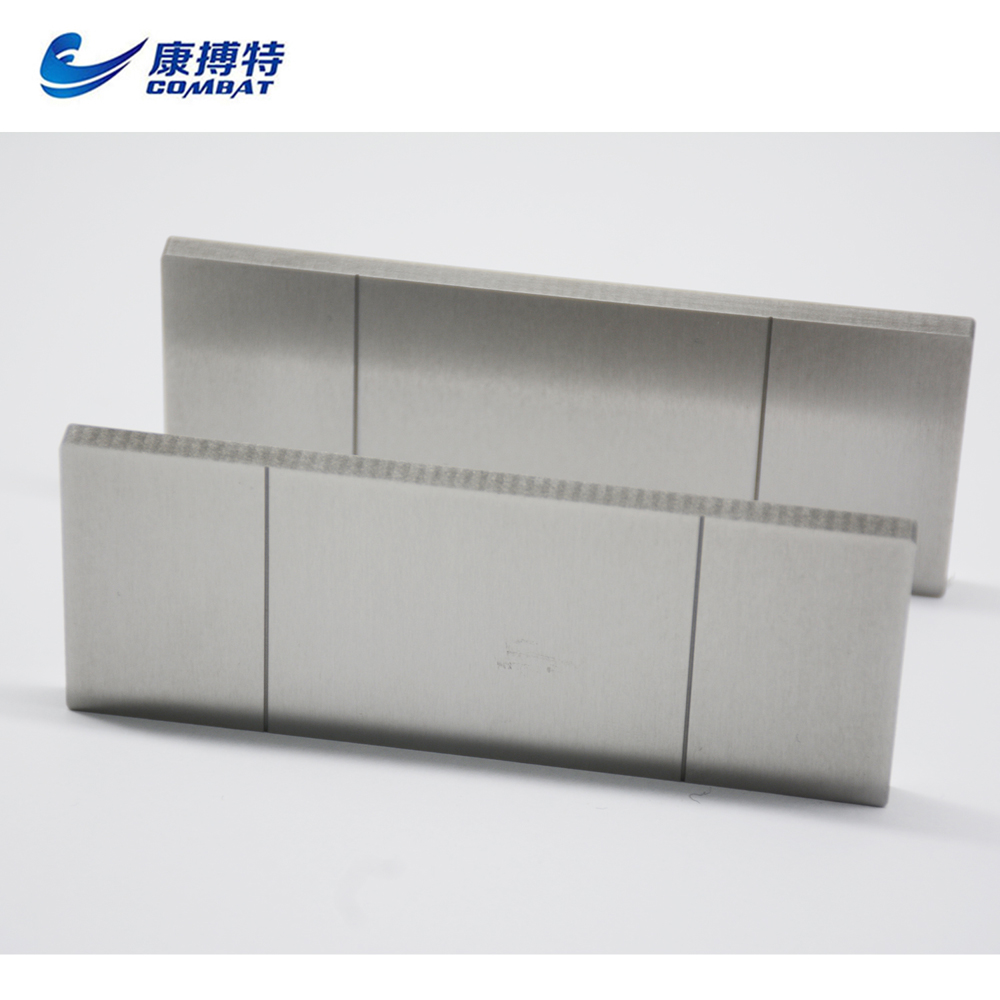
FAQ
What is the maximum continuous operating temperature for tungsten plate?
Tungsten plate can continuously operate at approximately 2,000 to 2,200 degrees Celsius in inert atmosphere or vacuum without significant creep or structural degradation. In air environments, continuous operation is typically limited to 1,200 to 1,400 degrees Celsius due to oxidation concerns. The actual maximum temperature depends on specific application requirements, stress levels, cycling frequency, and acceptable oxide formation rates for tungsten plate performance.
How does tungsten plate compare to molybdenum for high temperature structural use?
Tungsten plate offers superior melting point (3,422 versus 2,623 degrees Celsius for molybdenum) and better high temperature strength retention above 2,000 degrees Celsius. Molybdenum exhibits faster oxidation in air and lower creep resistance at extreme temperatures. Tungsten plate is generally preferred for ultra-high temperature applications, while molybdenum may offer cost advantages for moderate temperature service where tungsten plate's performance margin exceeds actual requirements.
Can tungsten plate be used in rapid thermal cycling applications?
Tungsten plate can be used in thermal cycling applications with proper design and controlled cycling rates. Rapid thermal shock should be avoided as it generates high transient stresses that reduce fatigue life. Gradual heating and cooling profiles, stress relief provision, and conservative fatigue design margins allow tungsten plate to deliver reliable performance even under repeated thermal cycling, making it suitable for many practical high temperature structural systems.