
 EN
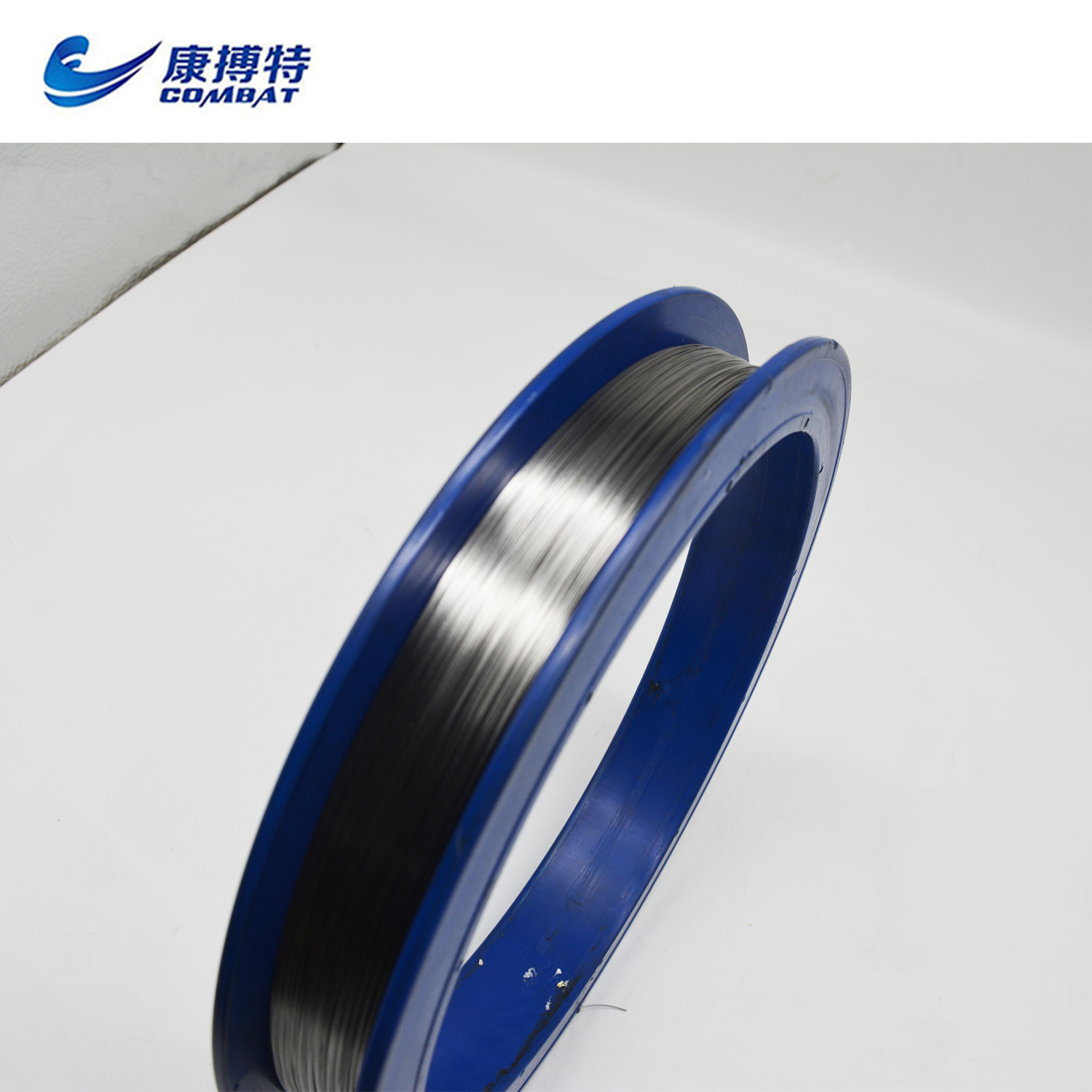
In demanding industrial environments, the longevity of tungsten wire is directly tied to how well its surface can withstand oxidation, thermal cycling, mechanical abrasion, and chemical exposure. Engineers and procurement specialists frequently ask what can be done beyond selecting a high-purity alloy grade — and the answer lies in targeted surface treatments that extend service life across a wide range of application scenarios. Understanding which treatments apply to tungsten wire and why they work is essential for making informed decisions about materials in lighting, aerospace, semiconductor processing, and high-temperature furnace systems.
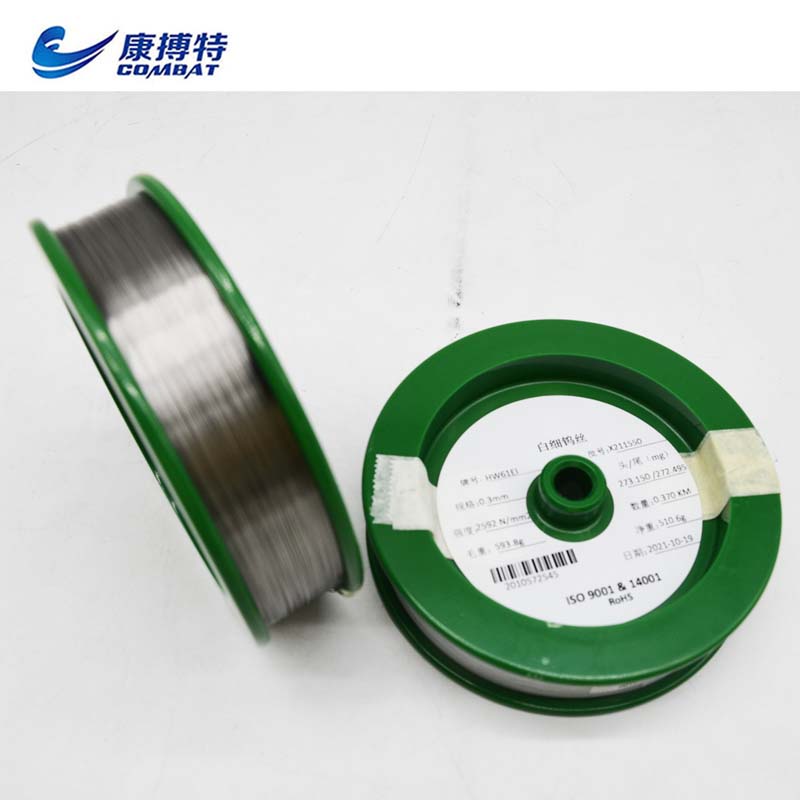
The natural properties of tungsten wire — including its extremely high melting point, impressive tensile strength, and low vapor pressure — already position it as one of the most durable metallic conductors available. However, even tungsten is vulnerable to degradation when operating conditions involve reactive atmospheres, rapid temperature fluctuations, or aggressive chemical media. Surface treatments address these vulnerabilities directly, enabling tungsten wire to deliver consistent performance in the most challenging practical applications without premature failure.
The Role of Surface Condition in Tungsten Wire Durability
Why the Surface Matters as Much as the Core Material
The bulk material properties of tungsten wire are largely fixed once the wire is drawn to its final diameter. However, the outermost few microns of the wire surface interact directly with the surrounding environment and bear the initial brunt of any chemical or mechanical attack. A surface that is contaminated, oxidized during manufacturing, or left unprotected will initiate degradation pathways that eventually compromise the structural integrity of the entire wire cross-section.
Oxidation is the most common degradation mechanism for tungsten wire exposed to air or oxygen-containing atmospheres at elevated temperatures. Above approximately 400°C in air, tungsten begins forming volatile oxide species that cause progressive mass loss and surface pitting. Without a protective treatment or controlled atmosphere, the wire weakens at a rate that scales exponentially with temperature. Surface condition therefore acts as either a barrier or a gateway to these destructive processes.
Mechanical surface quality is equally significant. Micro-cracks, drawing-induced seams, and surface roughness on tungsten wire act as stress concentration sites under cyclic thermal or mechanical loading. Smooth, well-treated surfaces reduce the probability of crack initiation, which is particularly important for thin-gauge wires used in precision instruments and electronic components where a single fracture terminates the component's useful life.
How Surface Treatments Interact with the Wire's Base Properties
Effective surface treatments for tungsten wire must be chemically and thermally compatible with the base material. Because tungsten has the highest melting point of any metal, it tolerates a wide range of deposition temperatures that would be impractical on softer substrates. This opens the door to high-temperature coating processes — such as chemical vapor deposition and oxidation annealing — that produce coatings with exceptional adherence and thermal stability.
The thermal expansion coefficient of tungsten is relatively low. Any coating applied to tungsten wire must have a compatible expansion behavior; otherwise, thermal cycling will cause delamination. Successful treatment systems either match this expansion coefficient closely or employ graded interfacial layers that absorb differential strain without cracking. This compatibility requirement fundamentally shapes which surface treatment strategies are viable in practice.
Oxidation Annealing and Controlled Atmosphere Treatments
Low-Oxygen Annealing for Surface Stabilization
One of the most foundational surface treatments applied to tungsten wire during or after manufacturing is controlled-atmosphere annealing. By exposing the wire to carefully regulated low-oxygen or inert-gas environments at elevated temperatures, manufacturers can relieve residual drawing stresses, eliminate surface micro-cracks, and establish a stable, uniform oxide layer that is thin enough to be non-reactive in subsequent service conditions.
This treatment improves ductility and ensures that tungsten wire can be further formed, coiled, or welded without fracture. Beyond mechanical benefits, the controlled oxide passivation layer created during annealing acts as a diffusion barrier that slows subsequent oxidation in mildly reactive environments. The result is a wire whose surface is both mechanically compliant and chemically more resistant than untreated wire.
Hydrogen annealing is a specific variant that reduces surface oxides already present on tungsten wire, leaving a clean metallic surface ideal for applications where electrical contact resistance must be minimized. This treatment is standard practice for wires destined for vacuum tube, lamp filament, or semiconductor applications where even nanometer-scale oxide layers can degrade performance.
Nitriding and Carbide Conversion Treatments
Reactive gas treatments can convert the outermost surface of tungsten wire into harder, more chemically stable phases. Nitriding in ammonia or nitrogen-rich atmospheres at high temperatures introduces nitrogen into the near-surface region, forming tungsten nitride phases that exhibit significantly improved hardness and wear resistance compared to the parent metal. This is particularly useful for wire used as abrasive filaments or cutting elements in industrial tooling applications.
Carbon-based conversion treatments produce tungsten carbide surface layers on tungsten wire through exposure to hydrocarbon-rich atmospheres at temperatures exceeding 1000°C. Tungsten carbide is well known for its exceptional hardness and resistance to adhesive and abrasive wear. Wire treated in this manner maintains a tough, wear-resistant outer shell while preserving the ductile tungsten core that provides mechanical flexibility.
Both nitriding and carburizing are diffusion-based processes, meaning the treatment depth and uniformity are controlled by temperature, time, and atmosphere composition. For tungsten wire in fine diameters, process parameters must be tightly managed to avoid over-treatment that could make the wire brittle or alter its dimensional tolerances beyond acceptable limits.
Coating Technologies for Enhanced Tungsten Wire Performance
Chemical Vapor Deposition Coatings
Chemical vapor deposition, commonly referred to as CVD, is one of the most effective technologies for applying thin, conformal, high-purity coatings to tungsten wire. In a CVD process, reactive gaseous precursors decompose or react at the wire surface to deposit a solid coating material with precise thickness control. CVD coatings adhere strongly because they form through chemical bonding rather than mechanical adhesion alone.
Rhenium CVD coatings are particularly well regarded for improving the high-temperature performance of tungsten wire. Rhenium alloying and surface coating both reduce the ductile-to-brittle transition temperature of tungsten, meaning rhenium-coated wire retains workability and fracture resistance at temperatures where uncoated wire would become dangerously brittle. This is critical in lamp filament and thermocouple applications where the wire must endure thousands of thermal cycles.
Silicon carbide and boron nitride CVD coatings are also applied to tungsten wire in high-performance composite materials, where the wire serves as a reinforcing fiber. These ceramic coatings act as diffusion barriers between the wire and the surrounding matrix material, preventing interfacial reactions that would degrade bonding strength and reduce composite performance over time.
Physical Vapor Deposition and Electrochemical Treatments
Physical vapor deposition techniques, including sputtering and electron-beam evaporation, allow metallic or ceramic coatings to be deposited onto tungsten wire under high vacuum conditions. These line-of-sight processes are suited for producing very thin, uniform coatings of materials such as platinum, iridium, or titanium nitride that improve corrosion resistance and surface hardness without significantly affecting wire diameter or flexibility.
Electroplating remains a practical option for applying functional metallic coatings to tungsten wire in applications where cost efficiency is a priority. Nickel, gold, and platinum electroplatings are commonly used to improve electrical conductivity at contact surfaces, reduce contact resistance in sensor applications, and provide a corrosion-resistant barrier in mildly aggressive chemical environments. The adhesion of electroplated coatings on tungsten requires careful surface preparation — including alkaline cleaning, acid activation, and often a thin electroless nickel strike layer.
These deposition-based treatments give engineers a high degree of flexibility in tailoring the surface chemistry of tungsten wire to the exact demands of a given application. The choice of deposition method is typically driven by the required coating thickness, the uniformity requirements across the wire length, and the thermal environment the wire will encounter in service.
Surface Cleaning and Preparation as a Durability Foundation
Pre-Treatment Cleaning Protocols
Before any surface treatment is applied to tungsten wire, the wire surface must be free of drawing lubricants, oxide films, metallic contamination, and other residues from the manufacturing process. Contaminants act as adhesion barriers that prevent coatings from bonding properly and as localized corrosion initiation sites that can undermine the durability of even well-applied treatments.
Industrial cleaning protocols for tungsten wire typically involve a sequence of ultrasonic cleaning in alkaline detergent solutions, acid etching in dilute hydrofluoric or mixed acid solutions to remove surface oxides, and thorough rinsing in deionized water followed by controlled drying. Each stage serves a specific function: the alkaline wash removes organic contamination, the acid etch removes inorganic oxides and reveals a fresh metallic surface, and the rinse eliminates chemical residues that could interfere with subsequent treatment steps.
The quality of surface preparation directly governs the uniformity and adhesion of any subsequent coating or treatment. For thin-gauge tungsten wire, this process must be adapted to prevent mechanical damage during handling, as excessive tension or abrasion during cleaning can introduce surface defects that negate the benefits of the subsequent treatment.
Passivation and Post-Treatment Stabilization
After functional coatings or reactive treatments are applied, passivation treatments are sometimes used to stabilize the surface chemistry of tungsten wire before it is packaged and shipped. Passivation involves exposing the wire to a mild oxidizing environment under controlled conditions to form a thin, stable oxide layer over any uncoated metallic surface regions, thereby reducing the reactivity of the wire during storage and transit.
Post-treatment heat treatments in inert atmospheres are also employed to improve the adhesion and density of applied coatings. Controlled annealing after CVD or PVD coating allows residual stresses in the coating to relax, reduces porosity at the coating-substrate interface, and can promote diffusion bonding that further strengthens the adhesion of the coating to the tungsten wire substrate.
These preparatory and stabilization steps are often overlooked in specification documents, but their omission is a leading cause of premature coating failure in service. Engineers specifying surface-treated tungsten wire should always inquire about the complete treatment sequence, including cleaning, surface activation, coating deposition, and post-treatment stabilization, to ensure that all steps have been properly executed.
Selecting the Right Surface Treatment for Specific Application Demands
Matching Treatment Type to the Operating Environment
The correct surface treatment for tungsten wire is not universal — it depends heavily on the specific operating conditions the wire will encounter. In vacuum or controlled-atmosphere furnaces, where oxidation is not a primary concern, annealing for stress relief and ductility improvement may be the most valuable treatment. In open-air high-temperature applications, oxidation-resistant coatings such as rhenium or silicide coatings become the priority.
For tungsten wire used in chemical processing environments, the selection of surface treatment must account for the specific corrosive agents present. Acidic environments, alkaline media, and halogen-containing atmospheres each attack the wire surface through different chemical pathways, and the treatment strategy must create a barrier that is stable against the relevant attack mechanism.
In mechanical applications where the wire is subjected to repeated bending, vibration, or contact stress, treatment strategies that improve surface hardness and reduce friction — such as carbide conversion or titanium nitride PVD coatings — deliver the most meaningful durability improvements. The dominant failure mechanism in the target application should always serve as the primary guide for treatment selection.
Balancing Durability Improvement with Wire Functionality
Any surface treatment applied to tungsten wire must be evaluated not only for the protection it provides but also for any functional trade-offs it introduces. Coatings that improve oxidation resistance may reduce electrical conductivity. Carbide conversion treatments that maximize surface hardness may reduce wire flexibility and increase the risk of brittle fracture during winding or forming operations.
Thin coatings and carefully optimized diffusion treatments generally preserve the core mechanical and electrical properties of tungsten wire while providing meaningful surface protection. The challenge for engineers is to identify the minimum effective treatment — the one that extends service life sufficiently without compromising the functional performance the application demands.
When specifying surface-treated tungsten wire, it is advisable to request detailed technical data on coating thickness, adhesion strength, thermal stability, and electrical resistivity change, and to conduct application-specific qualification testing before full-scale deployment. This systematic approach ensures that the chosen treatment genuinely improves durability rather than creating new failure modes in a different dimension of performance.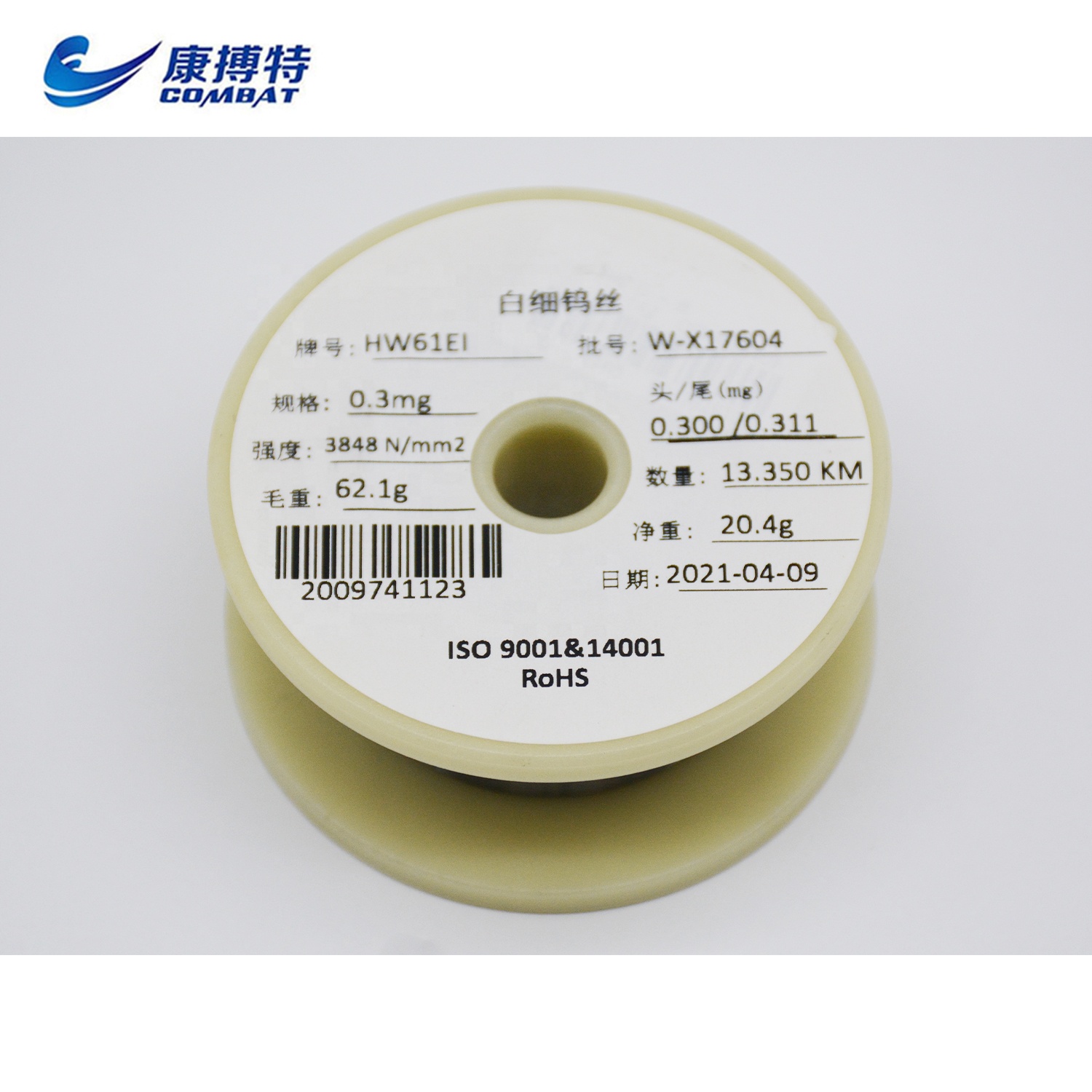
FAQ
What is the most effective surface treatment for tungsten wire used in high-temperature furnace applications?
For furnace applications operating in inert or reducing atmospheres, controlled-atmosphere annealing combined with hydrogen reduction is typically the most effective baseline treatment for tungsten wire. It relieves manufacturing stresses, improves ductility, and establishes a clean, stable surface. Where oxidizing conditions are possible, rhenium CVD coatings or silicide barrier coatings provide more robust long-term protection against high-temperature oxidation.
Can electroplating reliably improve the durability of tungsten wire in corrosive environments?
Electroplating can provide meaningful corrosion protection for tungsten wire in mildly corrosive environments, particularly when noble metal coatings such as gold or platinum are used. However, adhesion of electroplated layers to tungsten is challenging and requires thorough surface preparation and an appropriate adhesion-promoting interlayer. In highly corrosive or elevated-temperature environments, CVD or PVD-based coatings generally provide superior adhesion and long-term reliability compared to electroplated coatings.
Does surface treatment affect the electrical conductivity of tungsten wire?
Surface treatments can affect the measured electrical resistance of tungsten wire, depending on the coating material and thickness. Metallic coatings with higher conductivity than tungsten — such as gold or platinum — can marginally reduce effective resistance. Ceramic coatings such as silicon carbide or titanium nitride are electrically resistive and may increase surface resistance if the coating is thick relative to the wire diameter. For applications where electrical performance is critical, the coating type and thickness must be specified with electrical performance verification as part of the acceptance criteria.
How can I verify that a surface treatment has been correctly applied to tungsten wire before using it in a critical application?
Verification of surface treatment quality on tungsten wire typically involves a combination of visual inspection under magnification, surface roughness measurement, coating thickness measurement by cross-sectional metallography or X-ray fluorescence, adhesion testing by bend or peel methods, and resistance measurement before and after treatment. For high-reliability applications such as aerospace or semiconductor tooling, a structured incoming inspection protocol aligned with the treatment specification should be established with the wire supplier to confirm consistent treatment quality across each production lot.
Table of Contents
- The Role of Surface Condition in Tungsten Wire Durability
- Oxidation Annealing and Controlled Atmosphere Treatments
- Coating Technologies for Enhanced Tungsten Wire Performance
- Surface Cleaning and Preparation as a Durability Foundation
- Selecting the Right Surface Treatment for Specific Application Demands
-
FAQ
- What is the most effective surface treatment for tungsten wire used in high-temperature furnace applications?
- Can electroplating reliably improve the durability of tungsten wire in corrosive environments?
- Does surface treatment affect the electrical conductivity of tungsten wire?
- How can I verify that a surface treatment has been correctly applied to tungsten wire before using it in a critical application?