
 EN
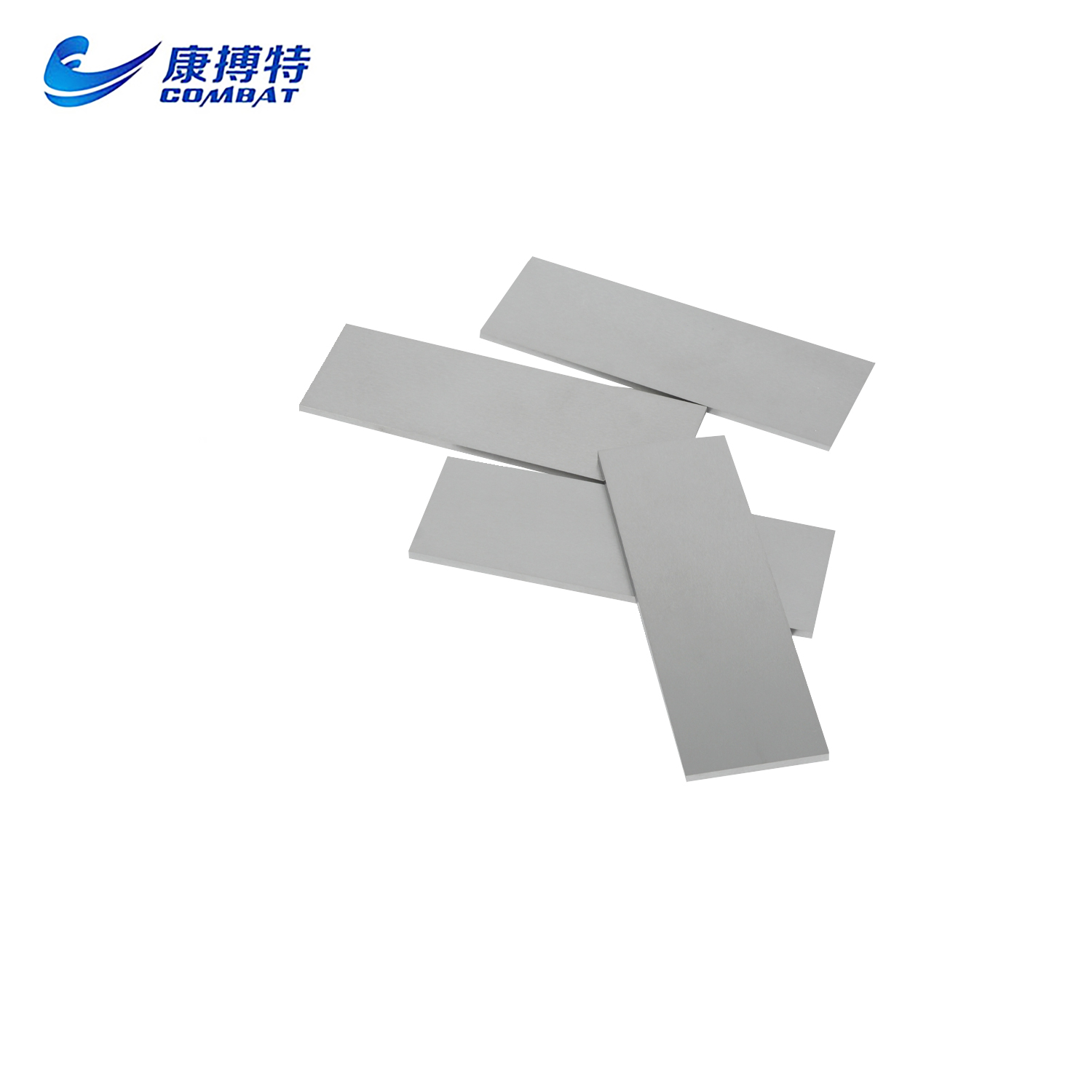
In high-performance engineering environments where ordinary metals fail, the tzm plate has established itself as a material of exceptional reliability. TZM, which stands for Titanium-Zirconium-Molybdenum, is a molybdenum-based alloy that delivers a combination of mechanical strength, thermal stability, and structural integrity that few materials can match. Its widespread adoption across aerospace systems and high-temperature furnace components is not accidental — it is the direct result of properties that align precisely with the demands of these two demanding industries.

Understanding why tzm plate is so widely used requires looking beyond surface-level material comparisons. The reasons are rooted in the alloy's microstructural behavior under extreme conditions, its resistance to deformation at elevated temperatures, and its ability to maintain dimensional stability in environments that would compromise conventional refractory metals. This article explores the specific drivers behind the broad adoption of tzm plate in aerospace and furnace structural applications, providing engineers and procurement professionals with the technical context they need to make informed material decisions.
The Fundamental Properties That Drive Adoption of TZM Plate
Elevated Temperature Strength Beyond Conventional Metals
The most fundamental reason tzm plate is widely used in both aerospace and furnace applications is its ability to retain significant mechanical strength at temperatures where most structural metals have already softened or failed. Pure molybdenum begins to lose strength at relatively moderate elevated temperatures, but the addition of titanium and zirconium in TZM creates a dispersion-strengthened microstructure that resists grain growth and dislocation movement even at temperatures exceeding 1000°C.
This elevated-temperature strength is not merely a marginal improvement over pure molybdenum. The fine carbide precipitates formed by titanium and zirconium additions pin grain boundaries effectively, allowing tzm plate to maintain yield strength values that are substantially higher than those of unalloyed molybdenum at the same temperature. For structural components that must bear mechanical loads while simultaneously enduring thermal stress, this property is decisive.
Engineers designing aerospace propulsion components or furnace support structures cannot afford materials that creep, warp, or fracture under combined thermal and mechanical loading. The tzm plate addresses this challenge directly, offering a predictable and well-characterized strength profile across a wide temperature range that supports confident structural design.
Recrystallization Resistance and Long-Term Dimensional Stability
Recrystallization is a critical failure mechanism for metals used in sustained high-temperature service. When a metal recrystallizes, its worked microstructure is replaced by new, strain-free grains, which typically results in a dramatic loss of strength and hardness. For components that must maintain precise dimensions and load-bearing capacity over thousands of operating hours, recrystallization is a serious concern.
TZM plate has a significantly higher recrystallization temperature than pure molybdenum, typically in the range of 1400°C to 1500°C compared to approximately 1100°C for unalloyed molybdenum. This difference translates directly into longer service life and more stable performance in applications where components are exposed to sustained high temperatures. Furnace structural elements such as heating element supports, hot zone fixtures, and radiation shields benefit enormously from this characteristic.
In aerospace applications, components in rocket nozzle assemblies, re-entry vehicle structures, and high-speed propulsion systems are exposed to intense thermal cycling. The recrystallization resistance of tzm plate ensures that these components do not undergo microstructural degradation during repeated thermal excursions, preserving both their mechanical properties and their dimensional accuracy over the operational life of the system.
Why TZM Plate Is Preferred in Aerospace Structural Applications
Performance in Propulsion and Thermal Management Systems
Aerospace propulsion systems, particularly those involving rocket engines and hypersonic vehicles, generate thermal environments that push material limits to their extremes. Combustion chamber liners, nozzle throats, and thrust vector control components must withstand not only extreme temperatures but also rapid thermal gradients, oxidizing combustion gases, and significant mechanical stress from pressure differentials and vibration.
The tzm plate is used in these environments because it combines high melting point, good thermal conductivity, and low thermal expansion in a way that minimizes thermally induced stress. Its thermal conductivity helps distribute heat loads more evenly across structural sections, reducing the risk of localized hot spots that could initiate cracking or deformation. The relatively low coefficient of thermal expansion of tzm plate also means that dimensional changes during heating and cooling cycles are controlled and predictable.
Beyond propulsion, aerospace thermal management systems including heat shields, thermal protection panels, and high-temperature fastener assemblies also rely on tzm plate. In these applications, the material's ability to function as a structural element while simultaneously managing heat flux makes it a uniquely versatile choice that reduces the need for complex multi-material assemblies.
Machinability and Fabrication Suitability for Aerospace Tolerances
Aerospace components are manufactured to extremely tight dimensional tolerances, and the material used must be capable of being machined, formed, and joined with the precision that aerospace quality standards demand. TZM plate, while harder than many structural metals, offers better machinability than some other refractory materials such as tungsten or rhenium alloys. With appropriate tooling and cutting parameters, tzm plate can be machined to the fine tolerances required for aerospace structural parts.
The plate form factor of tzm plate is particularly well-suited to aerospace fabrication workflows. Plates can be cut, drilled, and shaped into complex structural geometries using conventional machining centers equipped with carbide or polycrystalline diamond tooling. This compatibility with standard aerospace manufacturing infrastructure reduces production complexity and cost compared to materials that require specialized processing equipment.
Joining of tzm plate components is also achievable through electron beam welding and resistance welding techniques, which are well-established in aerospace manufacturing. The ability to produce reliable, high-integrity joints between tzm plate sections allows engineers to design multi-piece assemblies that meet both structural and thermal performance requirements without compromising the material's inherent properties.
Why TZM Plate Is Widely Used in Furnace Structural Components
Hot Zone Fixtures and Support Structures in Industrial Furnaces
Industrial furnaces used for sintering, brazing, heat treatment, and crystal growth operate at temperatures that eliminate most conventional structural materials from consideration. The hot zone of a high-temperature vacuum or atmosphere furnace must be supported by materials that can bear mechanical loads at operating temperatures while resisting contamination of the furnace atmosphere and the parts being processed.
TZM plate is widely used for hot zone fixtures, hearth plates, support rails, and structural frames in these furnaces because it meets all of these requirements simultaneously. Its high-temperature strength allows it to support heavy workloads without sagging or deforming. Its low vapor pressure at elevated temperatures means it does not contaminate the furnace atmosphere or deposit unwanted elements on sensitive workpieces such as superalloy turbine blades or semiconductor substrates.
The dimensional stability of tzm plate under repeated thermal cycling is particularly valuable in furnace applications where fixtures must maintain precise positioning of workpieces through hundreds or thousands of heating and cooling cycles. Fixtures that warp or creep over time introduce dimensional variability into the processed parts, which is unacceptable in precision manufacturing environments. The tzm plate resists this type of long-term dimensional drift more effectively than competing refractory materials at comparable cost.
Radiation Shields and Thermal Insulation Structures
In vacuum furnaces, radiation shields made from refractory metal sheets are used to reduce heat loss from the hot zone and improve thermal efficiency. These shields must be thin enough to minimize thermal mass while being structurally robust enough to maintain their shape and spacing over extended service periods. TZM plate, available in thin sheet and plate forms, is an excellent material for this application.
The combination of high reflectivity in the infrared spectrum, good mechanical strength in thin sections, and resistance to embrittlement during thermal cycling makes tzm plate a preferred choice for multi-layer radiation shield assemblies. Shields fabricated from tzm plate maintain their reflective surfaces and structural integrity longer than those made from pure molybdenum, reducing maintenance frequency and replacement costs in production furnace environments.
Structural support elements within the insulation package of high-temperature furnaces, including standoffs, spacers, and tie rods, are also commonly fabricated from tzm plate. These components must resist creep under sustained compressive or tensile loads at elevated temperatures while maintaining electrical isolation between shield layers. The mechanical properties of tzm plate make it well-suited to these demanding structural roles within the furnace insulation system.
Comparative Advantages Over Alternative Refractory Materials
TZM Plate Versus Pure Molybdenum
The comparison between tzm plate and pure molybdenum plate is the most direct and relevant for engineers selecting materials for high-temperature structural applications. While pure molybdenum offers a good baseline of refractory properties, tzm plate consistently outperforms it in the characteristics that matter most for demanding structural service. The higher recrystallization temperature, improved creep resistance, and better high-temperature yield strength of tzm plate translate into longer component life and more reliable performance in both aerospace and furnace environments.
The cost premium of tzm plate over pure molybdenum is generally justified by the extended service life and reduced maintenance requirements it delivers. In aerospace applications where component replacement is extremely costly and logistically complex, the additional upfront investment in tzm plate is easily recovered through improved reliability. In furnace applications, longer fixture life reduces downtime and replacement part costs, improving overall production economics.
TZM Plate Versus Tungsten and Other Refractory Alloys
Tungsten and its alloys offer higher melting points and greater hardness than tzm plate, but they come with significant disadvantages in many structural applications. Tungsten is substantially denser than TZM, which is a critical drawback in aerospace applications where weight is a primary design constraint. The higher density of tungsten components increases structural mass without a proportional increase in the mechanical properties relevant to most aerospace structural applications.
Tungsten is also significantly more difficult to machine and fabricate than tzm plate, requiring specialized equipment and processes that increase manufacturing cost and lead time. For applications where complex geometries, tight tolerances, or large component sizes are required, the fabrication advantages of tzm plate often make it the more practical choice even when tungsten's higher temperature capability might theoretically be beneficial.
Other refractory alloys such as molybdenum-lanthanum oxide (MoLa) offer some advantages in specific applications, but tzm plate remains the most widely used molybdenum alloy for structural components because of its well-established property database, broad availability in standard plate dimensions, and proven performance record across decades of industrial and aerospace service.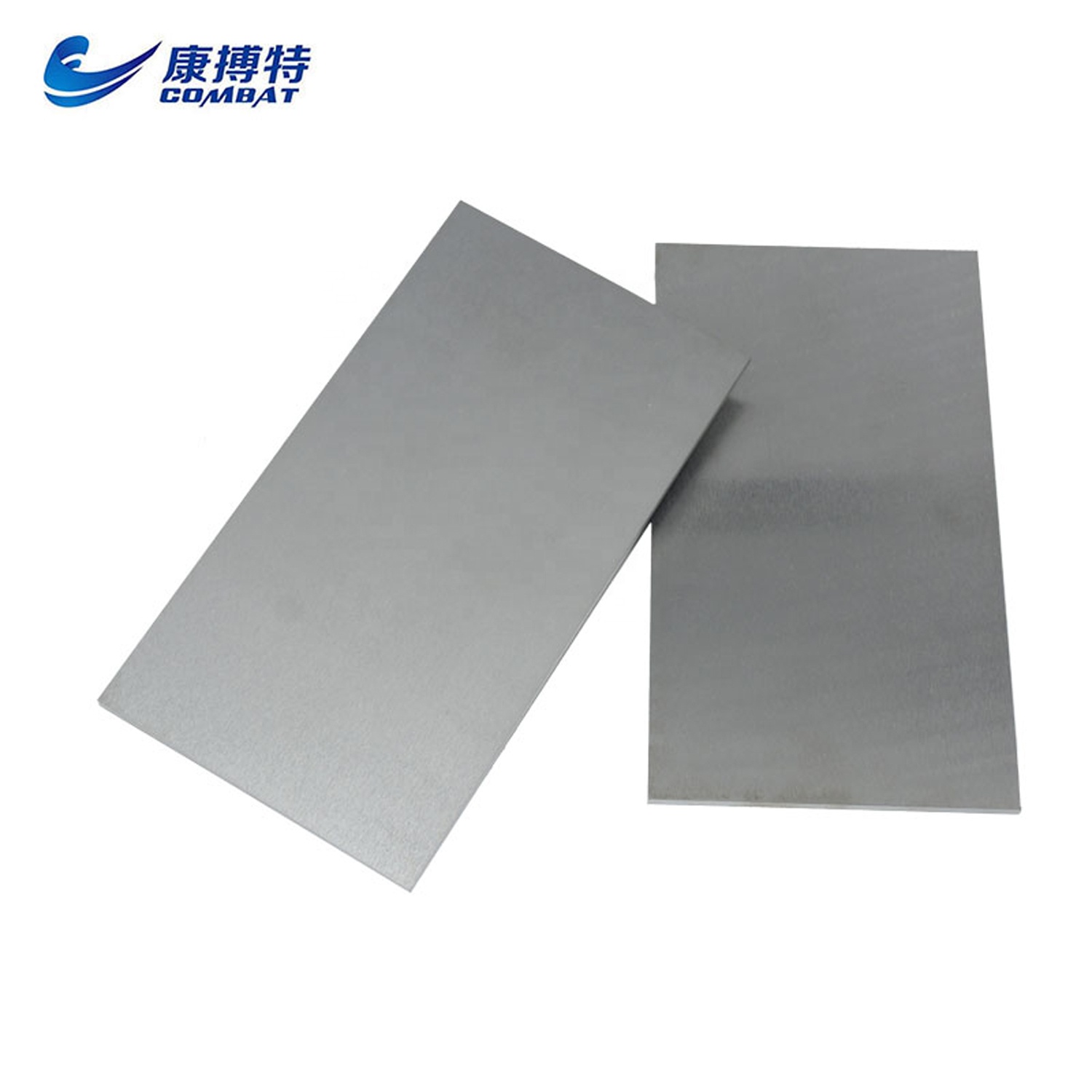
FAQ
What temperature range is tzm plate suitable for in structural applications?
TZM plate is suitable for structural applications at temperatures up to approximately 1400°C in vacuum or inert atmosphere environments. Its recrystallization temperature of around 1400°C to 1500°C defines the practical upper limit for sustained structural service. Below this threshold, tzm plate retains its worked microstructure and the associated mechanical properties that make it valuable for high-temperature structural use in both aerospace and furnace applications.
Can tzm plate be used in oxidizing atmospheres at high temperatures?
TZM plate is not suitable for use in oxidizing atmospheres at elevated temperatures. Like pure molybdenum, TZM oxidizes rapidly above approximately 400°C in air or oxygen-containing environments, forming volatile molybdenum trioxide that causes rapid material loss. For high-temperature applications in oxidizing conditions, protective coatings or alternative materials must be considered. The primary applications of tzm plate in aerospace and furnace environments involve vacuum, inert gas, or reducing atmosphere conditions where oxidation is not a concern.
How does tzm plate compare to pure molybdenum in terms of machinability?
TZM plate has machinability characteristics broadly similar to pure molybdenum, though it is slightly harder due to the strengthening effect of the titanium and zirconium additions. Both materials require sharp carbide tooling, adequate coolant, and controlled cutting parameters to achieve good surface finish and dimensional accuracy. The machinability of tzm plate is significantly better than that of tungsten, making it a more practical choice for complex aerospace and furnace components that require extensive machining operations.
What plate thicknesses and dimensions are typically available for tzm plate?
TZM plate is commercially available in a range of thicknesses typically from approximately 1 mm to 50 mm or more, depending on the supplier and production method. Standard plate widths and lengths vary, but tzm plate can generally be sourced in dimensions suitable for most aerospace and furnace structural component applications. Custom dimensions and thicknesses can be produced to order for applications with specific size requirements. Engineers should confirm available dimensions with their material supplier early in the design process to ensure that the required tzm plate specifications can be met within project timelines.