
 EN
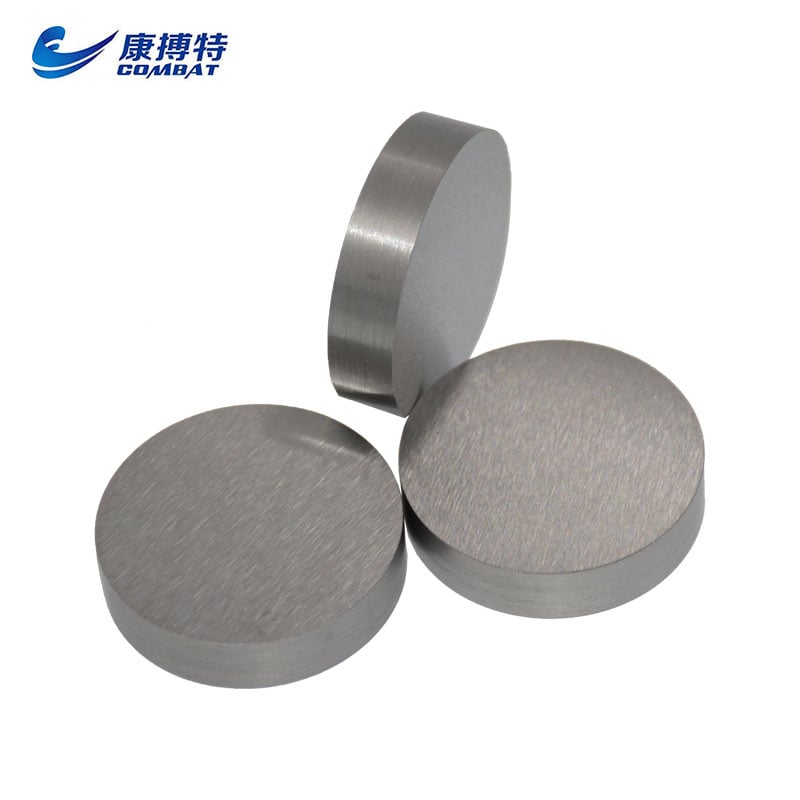
The surface quality of a molybdenum plate plays a decisive role in how well it performs across high-temperature, high-stress, and chemically demanding industrial environments. Whether the material is destined for semiconductor manufacturing, aerospace components, or furnace construction, the condition of its surface directly affects adhesion, thermal conductivity, dimensional accuracy, and resistance to oxidation. Understanding which finishing processes genuinely improve surface quality is therefore not a matter of aesthetics — it is a matter of functional reliability.
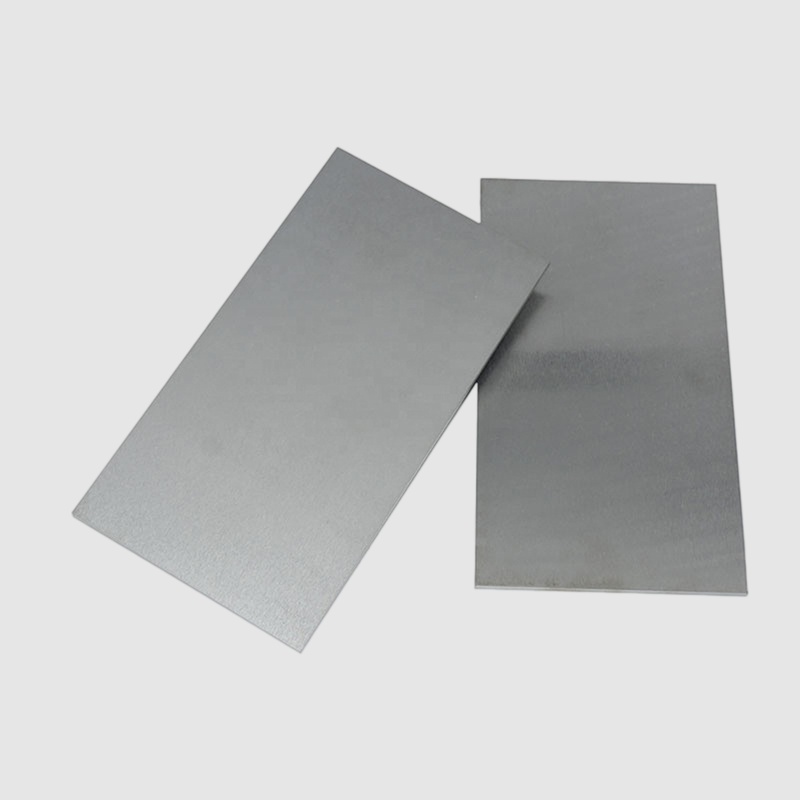
A freshly rolled or sintered molybdenum plate typically carries surface defects such as oxide layers, micro-cracks, rolling marks, and residual stress concentrations. These imperfections, if left unaddressed, can compromise coating adhesion, introduce failure points under thermal cycling, and reduce the precision of machined assemblies. The finishing processes applied after primary forming are what transform a raw molybdenum plate into a component that meets the exacting standards of modern industrial applications. This article examines the key finishing methods, explains how each one improves surface quality, and outlines the practical considerations that guide process selection.
Why Surface Quality Matters for Molybdenum Plate Applications
The Link Between Surface Condition and Functional Performance
Molybdenum is valued for its exceptional melting point, low thermal expansion coefficient, and high stiffness-to-weight ratio. However, these intrinsic material properties can only be fully realized when the surface of the molybdenum plate is properly prepared. A rough or oxidized surface introduces localized stress risers that can initiate cracking under thermal shock, particularly in applications where the plate is repeatedly cycled between extreme temperatures.
In semiconductor and thin-film deposition applications, surface roughness directly affects the uniformity of coatings applied to or deposited through the molybdenum plate. Even minor surface irregularities can cause uneven film thickness, leading to defects in the final electronic component. Precision finishing is therefore not optional in these contexts — it is a process requirement built into the specification.
For structural and mechanical applications, a well-finished molybdenum plate surface reduces friction at contact interfaces, improves dimensional consistency across a batch, and ensures that fastening or bonding operations produce reliable joints. The surface finish also influences how the plate responds to subsequent coating or plating processes, making it a foundational variable in the overall manufacturing chain.
Common Surface Defects Found on As-Produced Molybdenum Plate
As-sintered or as-rolled molybdenum plate commonly exhibits a range of surface conditions that require correction before the material can be used in precision applications. Oxide scale formed during high-temperature processing is one of the most prevalent issues. Molybdenum oxidizes readily above approximately 400 degrees Celsius, and the resulting oxide layer is brittle, poorly adherent, and dimensionally inconsistent.
Rolling marks and tool lines introduced during plate forming create directional surface texture that may be acceptable for some applications but problematic for others. Residual porosity from the sintering process can also appear at the surface, creating micro-voids that trap contaminants or weaken the surface layer. Identifying these defects accurately is the first step toward selecting the appropriate finishing process for a given molybdenum plate specification.
Mechanical Finishing Processes for Molybdenum Plate
Grinding and Lapping for Dimensional and Surface Precision
Grinding is one of the most widely used mechanical finishing processes for molybdenum plate. It removes material from the surface using abrasive wheels or belts, correcting flatness deviations, eliminating surface scale, and achieving tight thickness tolerances. Surface grinding is particularly effective for producing flat, parallel faces on a molybdenum plate, which is critical for applications requiring precise stack assemblies or vacuum-tight interfaces.
The choice of abrasive is important when grinding molybdenum plate. Diamond and cubic boron nitride abrasives are preferred because molybdenum's hardness and brittleness make it prone to surface cracking when inappropriate abrasives are used. Coolant application during grinding is also essential to prevent localized heating, which can introduce residual tensile stress or cause surface oxidation that undermines the quality improvement being sought.
Lapping takes the surface refinement process further by using a charged flat plate and fine abrasive slurry to achieve extremely low surface roughness values. For molybdenum plate used in optical, semiconductor, or precision measurement applications, lapping can bring surface roughness down to the sub-micron range. The process is slow and material-intensive, but it delivers a level of flatness and smoothness that grinding alone cannot achieve.
Polishing Techniques and Their Effect on Molybdenum Plate Surface Roughness
Mechanical polishing follows grinding or lapping and is used to further reduce surface roughness and eliminate fine scratches left by earlier abrasive stages. For molybdenum plate, polishing is typically performed using progressively finer abrasive compounds, moving from coarser grits to fine diamond paste or colloidal silica suspensions. Each stage removes the damage layer introduced by the previous one, gradually refining the surface toward a mirror-like finish.
Electropolishing is a variant that combines mechanical and electrochemical action to produce an exceptionally smooth and clean surface on molybdenum plate. In this process, the plate is immersed in an electrolytic solution and connected as the anode in an electrical circuit. Material is selectively removed from surface peaks, which are areas of higher current density, resulting in a leveling effect that reduces roughness more uniformly than purely mechanical methods.
The practical benefit of a well-polished molybdenum plate surface extends beyond appearance. Reduced surface roughness lowers the effective surface area available for oxidation, improves the adhesion of subsequently applied coatings, and reduces the risk of particulate contamination in clean-room environments. For high-vacuum applications, a polished surface also reduces outgassing, which is a critical performance parameter in electron beam and ion implantation equipment.
Chemical and Electrochemical Finishing for Molybdenum Plate
Chemical Etching and Acid Cleaning Processes
Chemical etching is used to remove oxide layers, surface contamination, and thin damaged layers from molybdenum plate without introducing mechanical stress. The process typically involves immersing the plate in a controlled acid solution — commonly a mixture of nitric acid, hydrofluoric acid, and water — for a precisely timed duration. The acid selectively dissolves the oxide scale and the uppermost layer of the base material, revealing a clean metallic surface beneath.
The concentration of the etching solution, the immersion time, and the temperature of the bath all influence the depth of material removal and the resulting surface texture. Careful process control is essential because over-etching can introduce surface roughness or preferential grain boundary attack, which would degrade rather than improve the surface quality of the molybdenum plate. Properly executed chemical etching produces a surface that is free of oxides and ready for subsequent coating, bonding, or precision measurement.
Acid cleaning, as distinct from etching, is a lighter treatment aimed primarily at removing surface contamination such as oils, machining residues, and loose oxide particles without significantly altering the surface topography. It is commonly used as a preparatory step before electroplating, physical vapor deposition, or brazing operations on molybdenum plate. The cleanliness of the surface at this stage has a direct bearing on the adhesion and uniformity of any subsequent surface treatment.
Electropolishing as a Surface Refinement Method
Electropolishing deserves separate attention as a finishing process for molybdenum plate because it simultaneously cleans, smooths, and passivates the surface in a single operation. Unlike mechanical polishing, which can embed abrasive particles into the surface or introduce directional scratches, electropolishing removes material purely through controlled electrochemical dissolution. The result is a surface that is both geometrically smooth and chemically clean.
For molybdenum plate used in high-purity environments such as semiconductor fabrication or analytical instrumentation, electropolishing offers a significant advantage. The process removes the mechanically deformed surface layer that grinding and polishing inevitably create, exposing the true crystallographic structure of the material. This is important because the deformed layer can have different mechanical and chemical properties from the bulk material, potentially causing inconsistent behavior in service.
Electropolishing also improves the corrosion resistance of molybdenum plate by removing surface inclusions and creating a more uniform passive film. In applications where the plate is exposed to reactive gases or corrosive media at elevated temperatures, this improvement in surface chemistry can meaningfully extend service life and reduce maintenance intervals.
Thermal and Coating-Based Surface Improvement Methods
Annealing to Relieve Surface Stress and Restore Ductility
Mechanical finishing operations such as grinding and polishing introduce residual stress into the surface layer of molybdenum plate. While compressive residual stress can in some cases improve fatigue resistance, tensile residual stress is generally detrimental, particularly in a material as notch-sensitive as molybdenum. Annealing after mechanical finishing is used to relieve these stresses and restore the surface layer to a more stable condition.
The annealing process for molybdenum plate must be conducted in a controlled atmosphere — typically hydrogen or vacuum — to prevent oxidation of the freshly finished surface. Temperatures in the range of 900 to 1200 degrees Celsius are commonly used, depending on the degree of cold work introduced during forming and finishing. The result is a surface that retains the geometric improvements achieved by grinding and polishing while being free of the stress concentrations that could lead to premature failure.
Annealing also has a beneficial effect on the grain structure near the surface of the molybdenum plate. Recrystallization during annealing can eliminate the elongated, deformed grains produced by rolling and replace them with equiaxed grains that have more isotropic mechanical properties. This is particularly relevant for applications where the plate will be subjected to multiaxial stress states or where consistent mechanical behavior across the surface is required.
Protective Coatings Applied to Finished Molybdenum Plate Surfaces
Once the surface of a molybdenum plate has been mechanically and chemically refined, protective coatings can be applied to further enhance its performance in specific environments. Oxidation-resistant coatings are among the most important for molybdenum plate used at elevated temperatures. Silicide coatings, for example, form a protective silicon dioxide layer when exposed to oxygen at high temperatures, significantly extending the usable temperature range of the plate in oxidizing atmospheres.
Physical vapor deposition and chemical vapor deposition techniques are used to apply thin, adherent coatings of materials such as titanium nitride, aluminum oxide, or rhenium to the surface of molybdenum plate. These coatings can improve hardness, reduce friction, enhance corrosion resistance, or modify the surface's electrical or thermal properties depending on the application requirement. The quality of the underlying surface finish is critical to the adhesion and uniformity of these coatings, which is why the finishing sequence matters as much as the individual processes.
Nickel and gold plating are also applied to molybdenum plate in electronics and microwave applications to improve solderability and electrical contact resistance. These electroplated layers require a clean, smooth, and oxide-free substrate to achieve the required adhesion strength and thickness uniformity. The finishing processes applied before plating are therefore directly responsible for the quality and reliability of the final plated component.
Selecting the Right Finishing Process for a Specific Molybdenum Plate Application
Matching Finishing Method to Application Requirements
The selection of finishing processes for molybdenum plate is not a one-size-fits-all decision. Different applications impose different surface quality requirements, and the finishing sequence must be designed to meet those requirements efficiently without introducing unnecessary cost or processing risk. A molybdenum plate used as a heat spreader in a power electronics module has different surface requirements from one used as a sputtering target in a thin-film deposition system.
For structural and thermal management applications, grinding to a specified flatness and roughness tolerance, followed by stress-relief annealing, is typically sufficient. For sputtering targets and semiconductor process components, the finishing sequence must extend to fine polishing or electropolishing, followed by chemical cleaning and possibly a final vacuum anneal. The specification for each application should define the required surface roughness, flatness, cleanliness level, and any coating requirements, and the finishing process should be selected and sequenced to meet all of these criteria.
Process compatibility is another important consideration. Some finishing methods are not compatible with certain downstream processes. For example, a molybdenum plate that has been chemically etched and then exposed to air for an extended period will develop a fresh oxide layer that must be removed before coating. Understanding the full processing sequence and the time windows between steps is essential for maintaining the surface quality improvements achieved at each stage.
Quality Verification After Finishing
Verifying the surface quality of a finished molybdenum plate requires a combination of measurement techniques. Surface profilometry, using either contact stylus instruments or non-contact optical methods, provides quantitative data on roughness parameters such as Ra and Rz. These measurements confirm whether the finishing process has achieved the specified surface texture and allow comparison across batches or production runs.
Visual inspection under controlled lighting conditions can reveal surface defects such as scratches, pits, and staining that may not be captured by profilometry alone. For critical applications, scanning electron microscopy provides high-resolution imaging of the surface microstructure, allowing detection of grain boundary damage, residual porosity, and coating adhesion issues. X-ray diffraction can be used to measure residual stress levels in the surface layer, confirming whether annealing has been effective.
Cleanliness verification is equally important for molybdenum plate destined for semiconductor or vacuum applications. Total organic carbon analysis, particle counting, and surface chemistry analysis by X-ray photoelectron spectroscopy are used to confirm that the surface is free of organic contamination, particulates, and unwanted oxide species. These verification steps close the loop between the finishing process and the application requirement, ensuring that the molybdenum plate delivered to the end user meets the full specification.
FAQ
What is the most effective finishing process for improving the flatness of molybdenum plate?
Surface grinding is the most effective process for correcting flatness deviations in molybdenum plate. It removes material uniformly across the surface using precision abrasive wheels, achieving tight parallelism and thickness tolerances. For applications requiring extremely high flatness, lapping after grinding can further reduce any residual waviness to sub-micron levels.
Does electropolishing change the dimensions of a molybdenum plate significantly?
Electropolishing removes a controlled amount of material from the surface of a molybdenum plate, typically in the range of a few micrometers to tens of micrometers depending on process parameters. For most applications, this material removal is negligible relative to the overall plate dimensions. However, for tight-tolerance components, the expected material removal should be accounted for in the pre-polish dimensions to ensure the finished plate meets its specification.
Why is annealing recommended after mechanical finishing of molybdenum plate?
Mechanical finishing operations such as grinding and polishing introduce residual stress and a deformed surface layer into molybdenum plate. Annealing in a protective atmosphere relieves these stresses, restores ductility to the surface layer, and can trigger recrystallization that improves the isotropy of the near-surface grain structure. This makes the finished plate more resistant to cracking under thermal cycling and more consistent in its mechanical behavior across the surface.
Can protective coatings be applied directly to an as-rolled molybdenum plate without prior finishing?
Applying protective coatings directly to an as-rolled molybdenum plate is generally not recommended. The oxide scale, surface roughness, and residual contamination present on an as-rolled surface will compromise coating adhesion, uniformity, and long-term performance. Proper mechanical finishing, chemical cleaning, and surface preparation are necessary prerequisites for achieving a coating that meets the performance requirements of the intended application.
Table of Contents
- Why Surface Quality Matters for Molybdenum Plate Applications
- Mechanical Finishing Processes for Molybdenum Plate
- Chemical and Electrochemical Finishing for Molybdenum Plate
- Thermal and Coating-Based Surface Improvement Methods
- Selecting the Right Finishing Process for a Specific Molybdenum Plate Application
-
FAQ
- What is the most effective finishing process for improving the flatness of molybdenum plate?
- Does electropolishing change the dimensions of a molybdenum plate significantly?
- Why is annealing recommended after mechanical finishing of molybdenum plate?
- Can protective coatings be applied directly to an as-rolled molybdenum plate without prior finishing?