
 EN
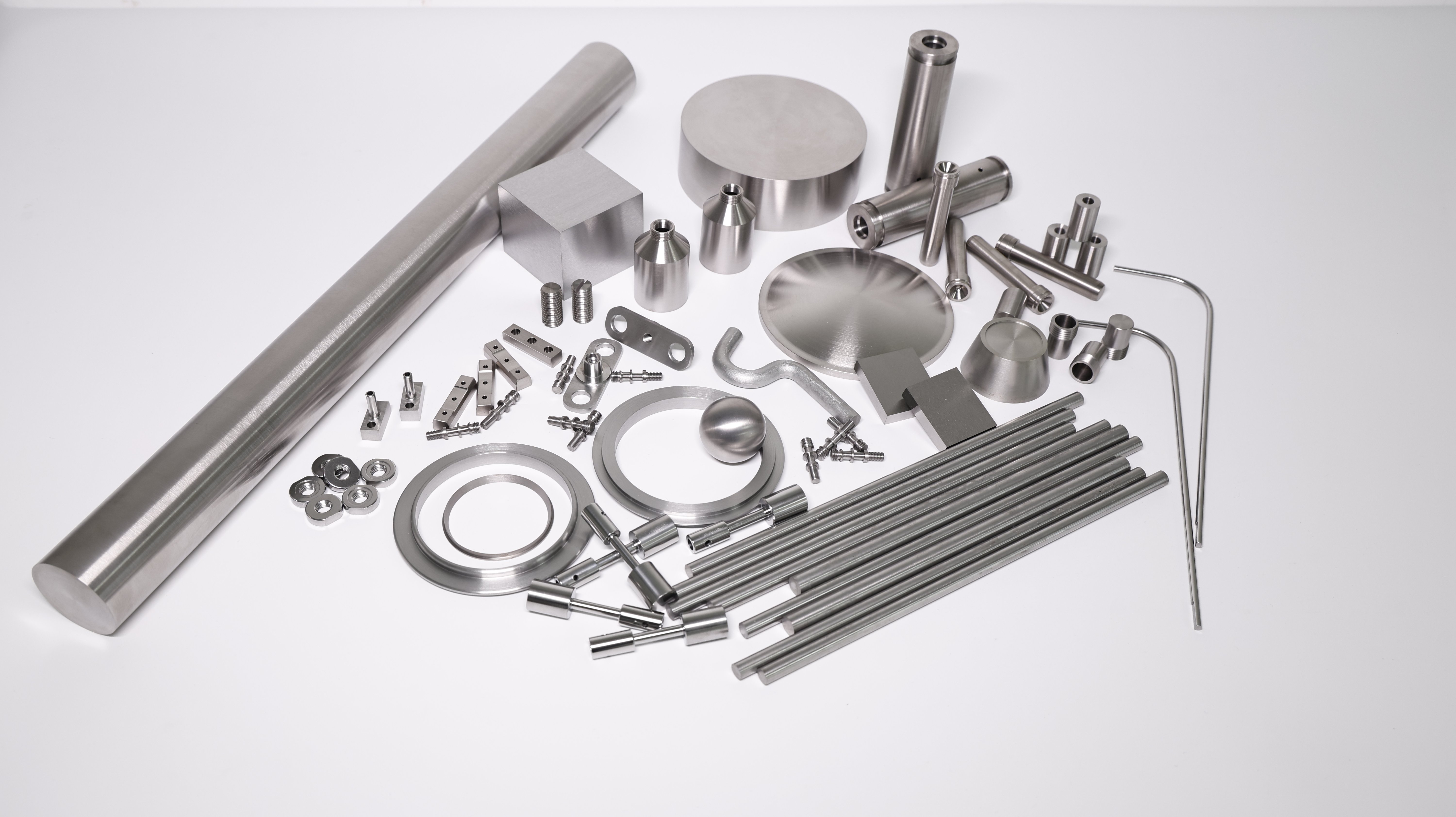
The demand for materials that combine exceptional density, strength, and reliability continues to drive innovation across industrial sectors worldwide. Tungsten heavy alloy has emerged as a critical solution for applications requiring superior performance under extreme conditions, where conventional materials fall short. Understanding which industries benefit most from tungsten heavy alloy properties enables engineers and procurement specialists to make informed decisions that enhance product performance, reduce operational risks, and optimize manufacturing costs. This comprehensive guide explores the applications where tungsten heavy alloy truly excels and why this material represents an investment in long-term reliability and competitive advantage.
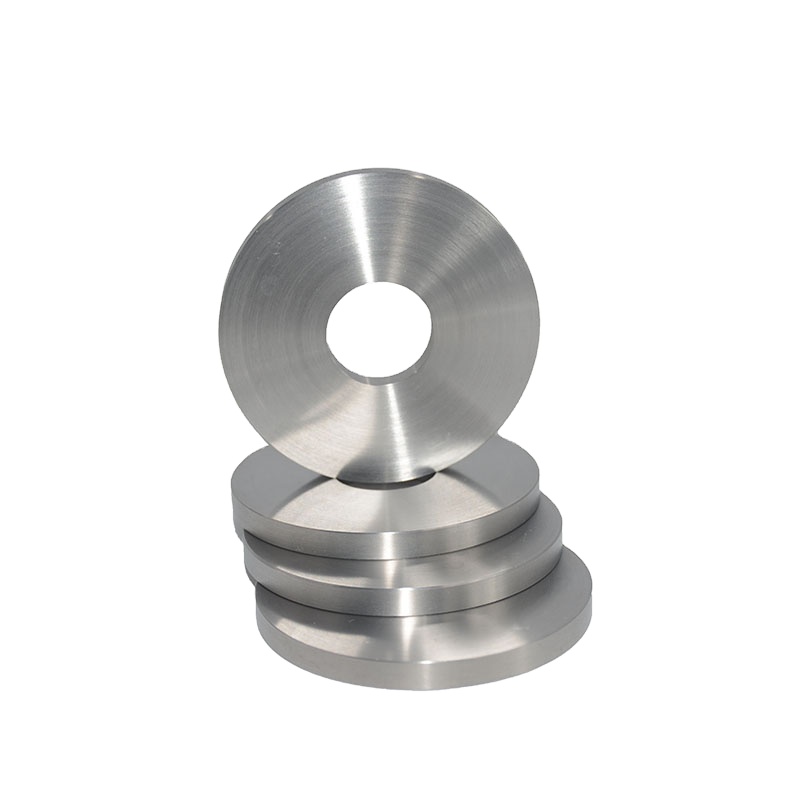
The unique properties of tungsten heavy alloy make it indispensable in industries where weight, density, and structural integrity directly impact mission success. From aerospace components to medical imaging devices, tungsten heavy alloy delivers performance characteristics that standard metals simply cannot match. Organizations across defense, healthcare, energy, and manufacturing sectors depend on tungsten heavy alloy to meet stringent specifications, regulatory requirements, and demanding operational parameters that define their competitive positioning.
Aerospace and Defense Applications
Aircraft Counterbalance and Component Integration
The aerospace industry relies heavily on tungsten heavy alloy for counterbalancing systems in aircraft control surfaces and rotor assemblies. Because tungsten heavy alloy delivers superior density compared to traditional materials, engineers can achieve required weight distributions while minimizing overall component mass. This property proves especially valuable in helicopter rotors, where precise balance directly affects vibration levels, fuel consumption, and operational safety. Tungsten heavy alloy enables designers to maintain critical weight concentrations in compact spaces, improving aircraft efficiency and extending service intervals between maintenance operations.
Ballast and Stabilization Systems
Military and commercial aircraft employ tungsten heavy alloy in ballast systems that stabilize aircraft during flight and on the ground. The material's high density allows engineers to achieve necessary ballast mass using significantly less volume than alternative solutions. Tungsten heavy alloy performs reliably across extreme temperature ranges encountered at high altitudes, maintaining dimensional stability and mechanical properties throughout the aircraft's operational envelope. Defense applications particularly benefit from tungsten heavy alloy because its performance remains consistent under rapid pressure changes and thermal cycling that characterize military flight profiles.
Medical and Radiation Shielding Industries
Diagnostic Imaging and Radiotherapy Equipment
Healthcare providers depend on tungsten heavy alloy for components in computed tomography scanners, X-ray systems, and radiation therapy equipment where radiation shielding effectiveness directly impacts diagnostic accuracy and patient safety. Tungsten heavy alloy provides superior attenuation of harmful radiation while occupying less physical space than lead or other traditional shielding materials. This compact shielding capability enables manufacturers to design more ergonomic medical devices that physicians can position more precisely around patients. Tungsten heavy alloy also delivers better long-term stability in medical environments, resisting corrosion and maintaining shielding integrity throughout the equipment's operational lifespan.
Portable Radiation Protection
Medical facilities increasingly employ tungsten heavy alloy in portable radiation shielding barriers, aprons, and protective collars that healthcare workers use during diagnostic and interventional procedures. The material's high density enables protective gear manufacturers to reduce weight significantly while maintaining or exceeding shielding effectiveness. Workers experience less fatigue when wearing tungsten heavy alloy protective equipment during extended procedures, improving workplace safety and clinical outcomes. Hospitals recognize that investing in tungsten heavy alloy radiation protection ultimately reduces worker compensation claims and enhances staff retention in critical roles.
Energy Sector and Industrial Processing
Oil and Gas Drilling Applications
The oil and gas industry extensively uses tungsten heavy alloy in drilling tools, downhole equipment, and pressure vessels where materials must withstand extreme temperatures, corrosive environments, and mechanical stress simultaneously. Tungsten heavy alloy maintains mechanical strength at temperatures exceeding 1000 degrees Fahrenheit, preventing equipment failure in deepwater drilling operations. The material's resistance to corrosion from hydrogen sulfide and other aggressive chemicals means tungsten heavy alloy components endure longer service periods before replacement becomes necessary. Energy companies report that selecting tungsten heavy alloy for critical drilling equipment reduces unplanned downtime and improves project economics by extending asset life.
Nuclear Industry Radiation Management
Nuclear power plants and fuel processing facilities employ tungsten heavy alloy extensively in shielding systems, storage containers, and radiation containment structures throughout reactor facilities. The material's exceptional density and radiation absorption properties make tungsten heavy alloy far more effective than traditional shielding materials in confined spaces where every millimeter of volume represents significant cost savings. Tungsten heavy alloy maintains its protective properties indefinitely, requiring minimal maintenance or replacement throughout the facility's operational life. Regulatory agencies recognize tungsten heavy alloy as a premium solution that exceeds safety requirements while providing operational and economic advantages over competing materials.
Manufacturing and Specialized Industrial Uses
Precision Machining and Tool Applications
Advanced manufacturing environments increasingly specify tungsten heavy alloy for precision cutting tools, boring bars, and insert holders where material density and thermal stability directly influence machining accuracy and surface finish quality. Tungsten heavy alloy resists thermal expansion better than conventional tool steels, enabling machinists to maintain tighter tolerances across extended production runs. The material's superior wear resistance extends tool life dramatically compared to standard metals, reducing tool replacement frequency and improving overall manufacturing productivity. Industries producing high-precision aerospace components and medical devices specifically select tungsten heavy alloy because the material delivers consistent performance that meets demanding dimensional specifications.
Automotive and Industrial Equipment
Automotive manufacturers and industrial equipment suppliers increasingly incorporate tungsten heavy alloy into counterweights, vibration dampers, and balance systems that enhance vehicle performance and reduce operating noise. Tungsten heavy alloy enables engineers to achieve required mass in smaller packages, supporting contemporary vehicle design trends toward reduced weight and improved fuel efficiency. Heavy equipment manufacturers use tungsten heavy alloy in stabilization systems for cranes, excavators, and lifting equipment, where precise weight distribution prevents tip-over accidents and extends equipment service life. The material's reliability under repetitive loading cycles makes tungsten heavy alloy the preferred choice for applications demanding decades of maintenance-free operation.
FAQ
Why do aerospace engineers prefer tungsten heavy alloy over traditional balance weights?
Aerospace engineers select tungsten heavy alloy because its superior density allows engineers to achieve required mass concentrations using substantially less volume, directly reducing aircraft weight and fuel consumption. Tungsten heavy alloy performs reliably across extreme temperature ranges, maintains dimensional stability during thermal cycling, and resists vibration-induced failure that could compromise aircraft safety. Additionally, tungsten heavy alloy components require minimal maintenance throughout the aircraft's service life, supporting extended intervals between inspections and reducing operational costs.
How does tungsten heavy alloy improve radiation shielding effectiveness in medical facilities?
Medical facilities benefit from tungsten heavy alloy because the material provides superior radiation attenuation while occupying significantly less physical space than lead or concrete shielding. Tungsten heavy alloy enables portable protective equipment that workers can wear comfortably during extended procedures, reducing fatigue and improving safety compliance. The material's stability ensures consistent shielding effectiveness throughout the equipment's operational lifespan, protecting both patients and healthcare workers while supporting regulatory compliance requirements.
What makes tungsten heavy alloy suitable for oil and gas drilling equipment?
Tungsten heavy alloy excels in drilling applications because it maintains mechanical strength at extreme temperatures exceeding 1000 degrees Fahrenheit while resisting corrosion from hydrogen sulfide and other aggressive chemicals encountered in deepwater environments. Tungsten heavy alloy components endure longer service periods before replacement becomes necessary, reducing unplanned downtime and improving drilling project economics. The material's reliability under combined mechanical stress, thermal cycling, and chemical exposure makes tungsten heavy alloy the optimal choice for mission-critical drilling tools that operate in the most challenging subsurface conditions.