Tungsten Wire Price Guide: Cost Factors, Benefits & Applications for Industrial Buyers

Get a Free Quote

Our representative will contact you soon.
Email
Name
Country/Region
Mobile/WhatsApp
Product Name
Message
0/1000

tungsten wire price

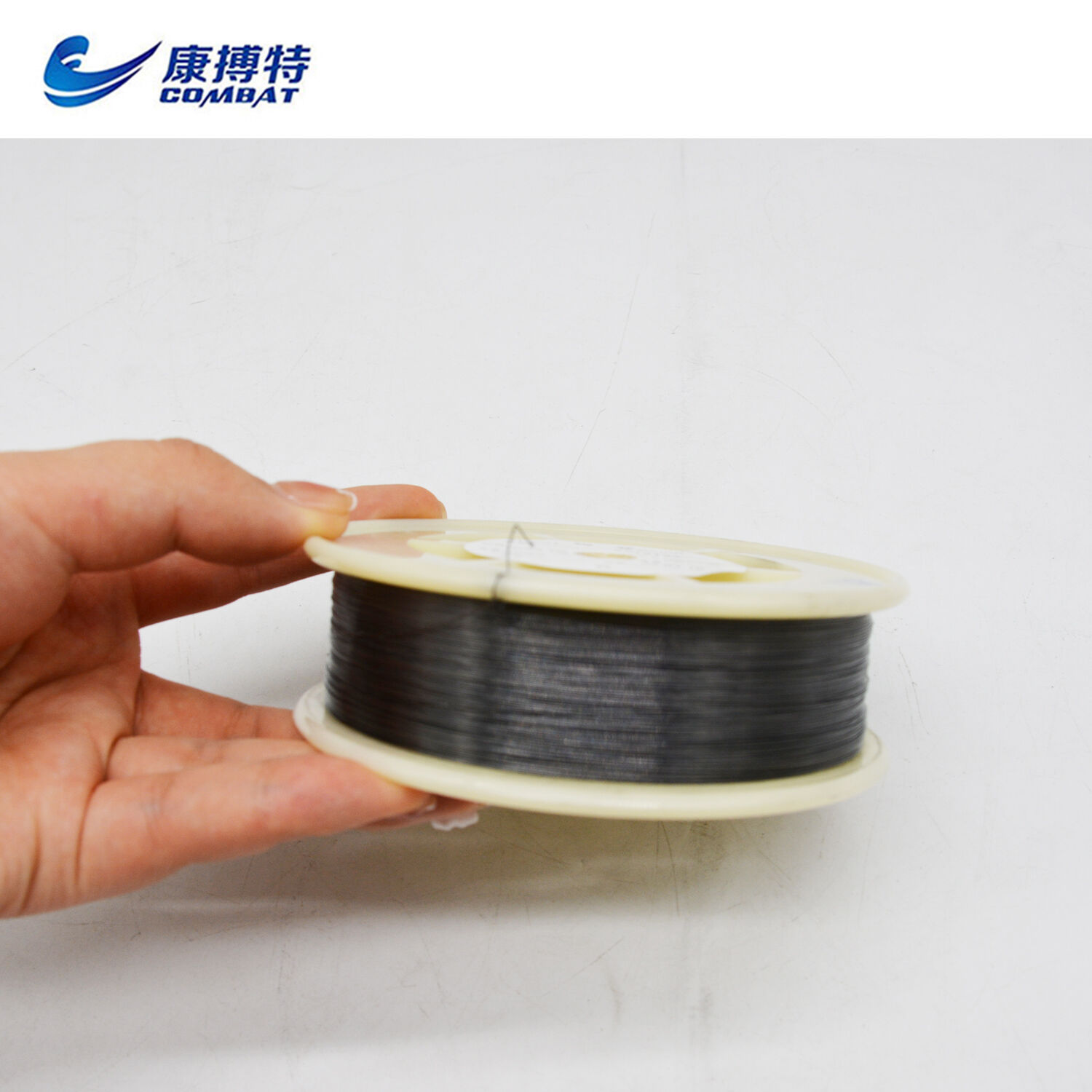
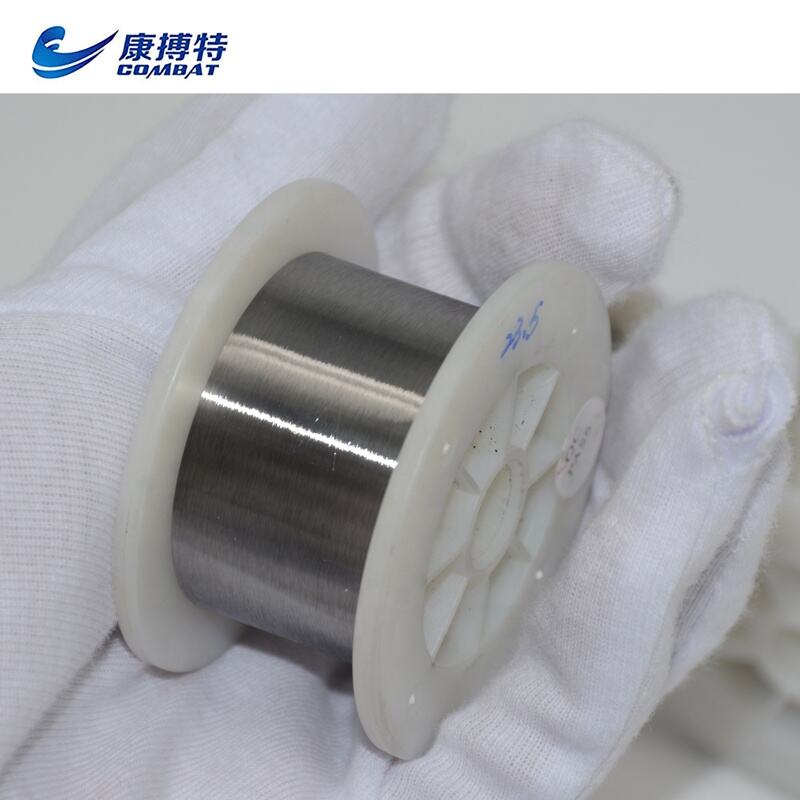
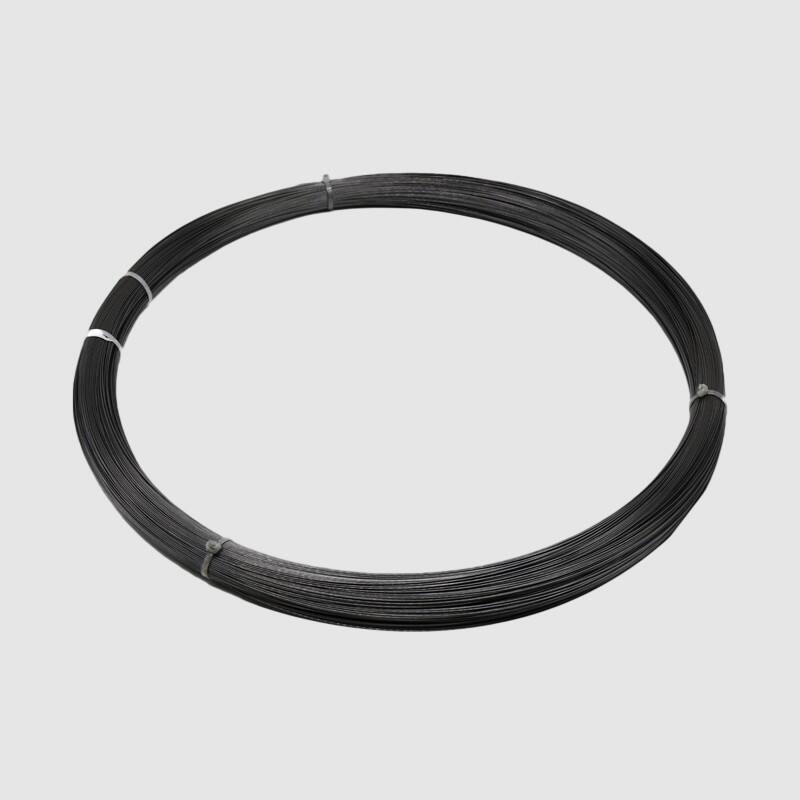
Understanding tungsten wire price requires examining the fundamental characteristics that make this material invaluable across numerous industries. Tungsten wire represents one of the most durable and heat-resistant materials available in modern manufacturing, with pricing structures that reflect its exceptional properties and specialized production processes. The tungsten wire price varies based on diameter specifications, purity levels, and order quantities, making it essential for buyers to understand what drives these cost considerations. This remarkable material serves critical functions in applications ranging from lighting solutions to aerospace components, where its unique combination of strength and thermal stability proves irreplaceable. The main functions of tungsten wire include conducting electricity in high-temperature environments, providing structural support in extreme conditions, and serving as a heating element in various industrial processes. Technological features that influence tungsten wire price include its extraordinarily high melting point of 3,422 degrees Celsius, exceptional tensile strength that surpasses most metals, and remarkable resistance to corrosion and chemical degradation. These properties make tungsten wire indispensable in vacuum furnaces, electron microscopy, and semiconductor manufacturing equipment. Applications span multiple sectors including automotive lighting where tungsten filaments illuminate roadways, medical devices that require biocompatible materials, and scientific instruments demanding precise electrical characteristics. The aerospace industry relies heavily on tungsten wire for components that must withstand extreme temperatures during flight operations. Manufacturing processes for tungsten wire involve powder metallurgy techniques, drawing operations through progressively smaller dies, and careful quality control measures that ensure consistent diameter and surface finish. These production complexities directly impact tungsten wire price structures, as manufacturers must invest in specialized equipment and maintain rigorous testing protocols. Market dynamics also play a significant role, with global supply chains, mining operations, and geopolitical factors all contributing to price fluctuations. Buyers evaluating tungsten wire price should consider total cost of ownership rather than simply initial purchase price, as the material's longevity and performance reliability often result in lower long-term expenses compared to alternative materials that may require more frequent replacement or maintenance interventions.
Popular Products

The advantages of tungsten wire price become apparent when examining the comprehensive value proposition this material offers to industrial buyers and manufacturers. First and foremost, tungsten wire delivers unmatched durability that translates directly into reduced replacement costs and extended operational lifespans for equipment and components. When you invest in tungsten wire, you secure a material that maintains its structural integrity under conditions that would cause other metals to fail catastrophically. This reliability means fewer production interruptions, reduced maintenance schedules, and lower total ownership costs over the product lifecycle. The tungsten wire price reflects a material that operates effectively at temperatures exceeding 2,000 degrees Celsius, enabling applications that simply cannot function with alternative materials. This thermal performance advantage eliminates the need for complex cooling systems or protective atmospheres in many applications, reducing both initial installation costs and ongoing operational expenses. Another significant advantage relates to electrical conductivity characteristics that remain stable across wide temperature ranges, ensuring consistent performance in heating elements, electrical contacts, and specialized electronic components. The tungsten wire price includes access to a material with exceptional dimensional stability, meaning components maintain precise tolerances even after repeated thermal cycling or mechanical stress. This stability reduces scrap rates during manufacturing and ensures final products meet exacting specifications without costly rework or quality failures. Tungsten wire also offers superior resistance to evaporation compared to other refractory metals, which proves critical in vacuum applications and high-temperature processing environments where material loss would compromise performance or contaminate sensitive processes. The chemical inertness of tungsten wire provides another practical advantage, as it resists attack from most acids, bases, and corrosive atmospheres that would rapidly degrade alternative materials. This corrosion resistance extends service life in harsh chemical processing environments and reduces the risk of contamination in sensitive applications like semiconductor manufacturing or pharmaceutical production. When evaluating tungsten wire price, buyers should recognize that the material's high density and strength-to-weight ratio enable compact designs that save space and reduce supporting structure requirements. The material machines cleanly when proper techniques are employed, allowing fabrication of complex geometries and custom configurations that meet specific application requirements. Tungsten wire also exhibits minimal thermal expansion, which proves advantageous in precision instruments and applications where dimensional changes would cause alignment problems or performance degradation. The global availability of tungsten wire through established supply chains means buyers can source material reliably, though tungsten wire price may fluctuate based on market conditions. Reputable suppliers provide consistent quality, technical support, and material certifications that ensure compliance with industry standards and regulatory requirements. The recyclability of tungsten wire adds another advantage, as scrap material retains significant value and can be reprocessed, offsetting some initial material costs and supporting sustainability initiatives. These combined advantages demonstrate why tungsten wire price represents an investment in performance, reliability, and long-term value rather than simply a material purchase cost.

Latest News

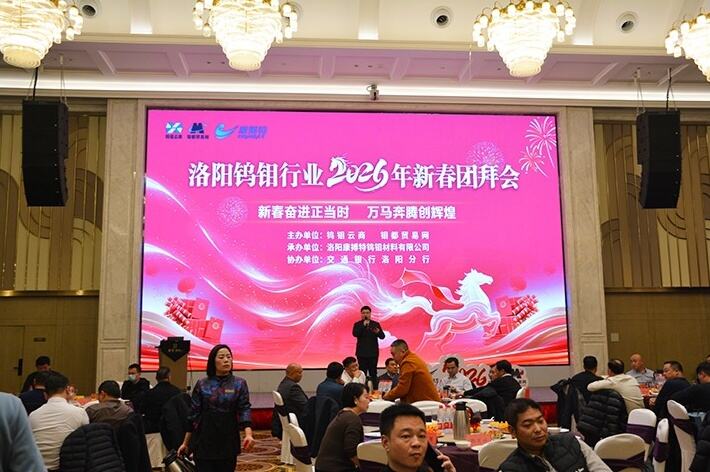
Gathering in Luoyang for Tungsten & Molybdenum, Uniting Hearts to Forge a New Dream Forward​

24

Apr

Gathering in Luoyang for Tungsten & Molybdenum, Uniting Hearts to Forge a New Dream Forward​

View More
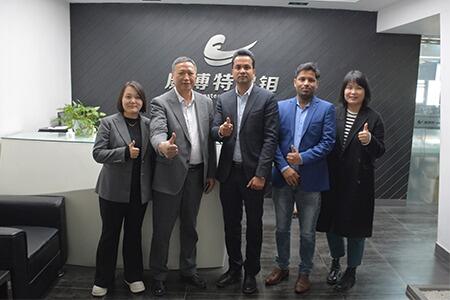
Indian Delegation Visits Youbo, Signs Molybdenum Bar and Tungsten Alloy Procurement Agreement​​

24

Apr

Indian Delegation Visits Youbo, Signs Molybdenum Bar and Tungsten Alloy Procurement Agreement​​

View More
The Grand Opening Of The 2025 China International Powder Metallurgy, Hard Alloy And Advanced Ceramics Exhibition

24

Apr

The Grand Opening Of The 2025 China International Powder Metallurgy, Hard Alloy And Advanced Ceramics Exhibition

View More
Luoyang Combat Tungsten & Molybdenum Materials Co., Ltd. Shines at Asia Ferroalloys 2025 Conference to Forge Global Collaboration Opportunities

24

Apr

Luoyang Combat Tungsten & Molybdenum Materials Co., Ltd. Shines at Asia Ferroalloys 2025 Conference to Forge Global Collaboration Opportunities

View More

Get a Free Quote

Our representative will contact you soon.
Email
Name
Country/Region
Mobile/WhatsApp
Product Name
Message
0/1000

tungsten wire price

Exceptional Temperature Performance Justifies Tungsten Wire Price Investment

Exceptional Temperature Performance Justifies Tungsten Wire Price Investment

The extraordinary temperature capabilities of tungsten wire stand as the primary factor that justifies its market positioning and makes tungsten wire price a worthwhile investment for demanding applications. Tungsten possesses the highest melting point of all pure metals at 3,422 degrees Celsius, which means components fabricated from this material can operate in environments that would instantly liquefy steel, copper, or aluminum alternatives. This temperature resistance translates into practical advantages across numerous industries where thermal management represents a critical challenge. In lighting applications, tungsten wire filaments can reach temperatures exceeding 2,500 degrees Celsius while maintaining structural integrity and producing the bright, warm light that consumers prefer. The tungsten wire price for these applications reflects not just the material cost but the engineering expertise required to draw wire to incredibly fine diameters while maintaining consistent quality. Vacuum furnace heating elements represent another application where temperature performance directly impacts operational efficiency and product quality. These furnaces process materials at temperatures up to 2,200 degrees Celsius in controlled atmospheres, and tungsten wire heating elements provide the reliable, long-lasting performance that justifies their initial cost through extended service intervals and consistent heat distribution. The aerospace sector relies on tungsten wire components in rocket nozzles and high-temperature sensors where materials must withstand extreme thermal stress during launch and flight operations. The tungsten wire price for aerospace-grade material includes rigorous testing and certification processes that ensure every meter meets exacting specifications for purity, tensile strength, and surface finish. Semiconductor manufacturing equipment uses tungsten wire in ion implantation systems and chemical vapor deposition chambers where process temperatures and reactive atmospheres would quickly destroy lesser materials. The ability to maintain precise electrical characteristics at elevated temperatures makes tungsten wire irreplaceable in these applications, where even minor performance variations could compromise expensive wafer production runs. Glass manufacturing furnaces employ tungsten wire electrodes that must survive continuous exposure to molten glass at temperatures around 1,600 degrees Celsius while conducting substantial electrical currents. The tungsten wire price for these industrial applications reflects the specialized production processes required to create wire with the necessary diameter, straightness, and surface quality. Medical device manufacturers utilize tungsten wire in surgical instruments and radiation therapy equipment where biocompatibility combines with thermal stability to enable life-saving treatments. The material's ability to be sterilized repeatedly at high temperatures without degradation ensures patient safety and extends instrument service life. Research laboratories depend on tungsten wire for electron microscopy filaments, mass spectrometry components, and high-temperature experimental apparatus where material reliability directly impacts research outcomes and data quality. Understanding how temperature performance relates to tungsten wire price helps buyers appreciate the total value proposition and make informed decisions about material selection for their specific applications.
Superior Mechanical Strength Makes Tungsten Wire Price Competitive Over Product Lifecycle

Superior Mechanical Strength Makes Tungsten Wire Price Competitive Over Product Lifecycle

The remarkable mechanical properties of tungsten wire create compelling economic advantages that make tungsten wire price highly competitive when evaluated across complete product lifecycles rather than simple initial purchase costs. Tungsten exhibits exceptional tensile strength that exceeds most other metals, with fine wire capable of supporting loads that would snap comparable diameters of steel or molybdenum. This strength characteristic enables designers to use smaller wire diameters for given load requirements, reducing material consumption and allowing more compact product designs. The tungsten wire price reflects this performance advantage, as manufacturers can often achieve equivalent or superior results with less material compared to alternative solutions. In suspension applications, tungsten wire provides the strength needed to support components in high-vibration environments while maintaining precise positioning over extended service periods. The material's high elastic modulus means it resists deformation under load, returning to its original shape when stress is removed rather than taking a permanent set that would compromise performance. This elastic behavior proves critical in spring applications, electrical contacts, and precision instruments where dimensional stability directly impacts functionality. The tungsten wire price for these applications includes the assurance that components will maintain their designed characteristics through millions of operating cycles without fatigue failure or performance degradation. Aerospace applications particularly benefit from tungsten wire's strength-to-weight ratio, as every gram saved in aircraft or spacecraft components translates into improved fuel efficiency or increased payload capacity. The material's density actually becomes an advantage in applications requiring compact, high-mass components like counterweights, vibration dampers, or radiation shielding elements. Medical device manufacturers exploit tungsten wire strength in guidewires and surgical tools that must navigate tortuous anatomical pathways while transmitting precise control forces from the surgeon's hand to the treatment site. The tungsten wire price for medical-grade material reflects stringent quality control and biocompatibility testing that ensures patient safety and regulatory compliance. Industrial cutting applications use tungsten wire in electrical discharge machining processes where the material's strength allows it to maintain tension and position while cutting intricate shapes in hardened steel and exotic alloys. The wear resistance of tungsten wire extends tool life in these demanding applications, reducing downtime for wire changes and maintaining consistent cutting quality throughout production runs. Textile manufacturing equipment employs tungsten wire guides and tensioners that must withstand continuous abrasion from moving fibers while maintaining precise positioning to ensure fabric quality. The tungsten wire price for these industrial applications proves economical when calculated against the extended service intervals and reduced maintenance costs compared to alternative materials that wear more rapidly. Scientific instruments utilize tungsten wire in scanning probe microscopy tips, where atomic-scale sharpness combines with mechanical stability to enable groundbreaking research in materials science and nanotechnology. The material's resistance to plastic deformation ensures measurement accuracy and repeatability across thousands of scanning cycles. Understanding how mechanical strength translates into lifecycle value helps buyers recognize that tungsten wire price represents an investment in reliability and performance rather than simply a material cost.
Chemical Stability and Purity Standards Embedded in Tungsten Wire Price Structure

Chemical Stability and Purity Standards Embedded in Tungsten Wire Price Structure

The chemical properties and purity standards associated with tungsten wire create significant value that justifies tungsten wire price positioning in specialized markets and critical applications. Tungsten exhibits remarkable chemical inertness, resisting attack from most acids, bases, and corrosive atmospheres that would rapidly degrade alternative materials. This corrosion resistance proves essential in chemical processing equipment, where tungsten wire components maintain integrity when exposed to aggressive reagents and elevated temperatures simultaneously. The tungsten wire price reflects the specialized refining and processing techniques required to achieve the purity levels demanded by sensitive applications. Semiconductor manufacturing represents one of the most demanding environments for material purity, as even trace contaminants can compromise device performance or cause complete wafer failures. Tungsten wire used in these applications must meet stringent specifications for metallic impurities, with total contamination levels measured in parts per million or even parts per billion. The tungsten wire price for semiconductor-grade material includes extensive analytical testing using inductively coupled plasma mass spectrometry and other advanced techniques that verify compliance with industry standards. Vacuum furnace applications require tungsten wire with minimal volatile impurities that could outgas during high-temperature operation and contaminate processed materials or compromise vacuum integrity. The material's low vapor pressure at operating temperatures means tungsten wire heating elements maintain dimensional stability and don't deposit metallic films on furnace walls or workpieces. Pharmaceutical manufacturing equipment utilizes tungsten wire in processes where chemical purity and cleanability are paramount to ensuring product safety and regulatory compliance. The material's smooth surface finish and resistance to bacterial colonization make it suitable for applications requiring frequent sterilization and stringent hygiene protocols. The tungsten wire price for pharmaceutical applications reflects validation testing and documentation that demonstrates suitability for use in controlled manufacturing environments. Glass manufacturing benefits from tungsten's resistance to molten glass corrosion, as electrodes and stirring elements maintain dimensional stability and don't introduce contaminants that would create defects in finished glass products. The material's compatibility with various glass chemistries makes it versatile across different production processes, from optical fiber manufacturing to container glass production. Research applications demand tungsten wire with well-characterized properties and minimal batch-to-batch variation, as experimental reproducibility depends on consistent material performance. The tungsten wire price for research-grade material includes detailed certificates of analysis documenting chemical composition, mechanical properties, and surface characteristics. Environmental monitoring equipment uses tungsten wire in sensors and sampling devices where chemical stability ensures accurate measurements over extended deployment periods without drift or degradation. The material's resistance to atmospheric corrosion means outdoor installations maintain performance despite exposure to rain, humidity, and temperature cycling. Aerospace applications require tungsten wire that maintains properties in oxidizing atmospheres at elevated temperatures, with specialized coatings or alloy additions that enhance oxidation resistance when necessary. The tungsten wire price for these advanced materials reflects the additional processing steps and quality verification required to meet aerospace specifications. Understanding the relationship between chemical properties, purity standards, and tungsten wire price helps buyers select appropriate material grades for their applications and appreciate the value embedded in premium products that deliver consistent, reliable performance in demanding environments.

Get a Free Quote

Our representative will contact you soon.
Email
Name
Country/Region
Mobile/WhatsApp
Product Name
Message
0/1000