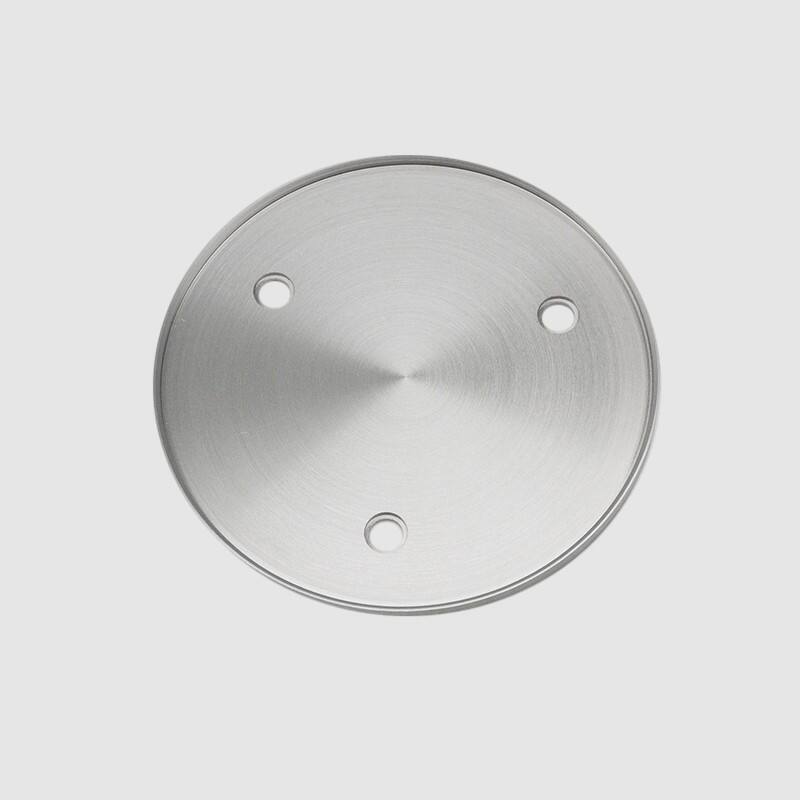
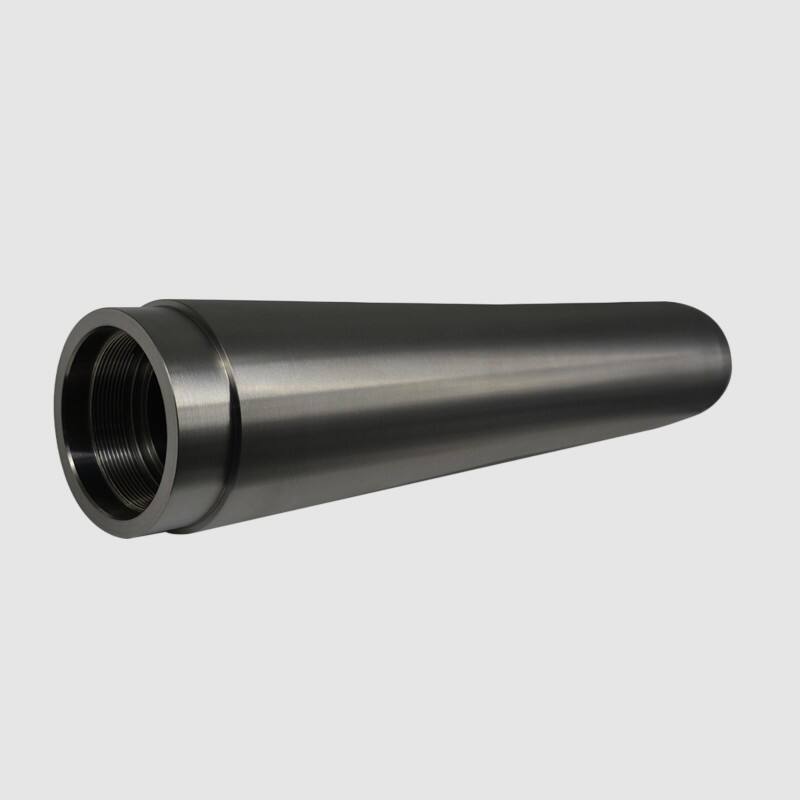
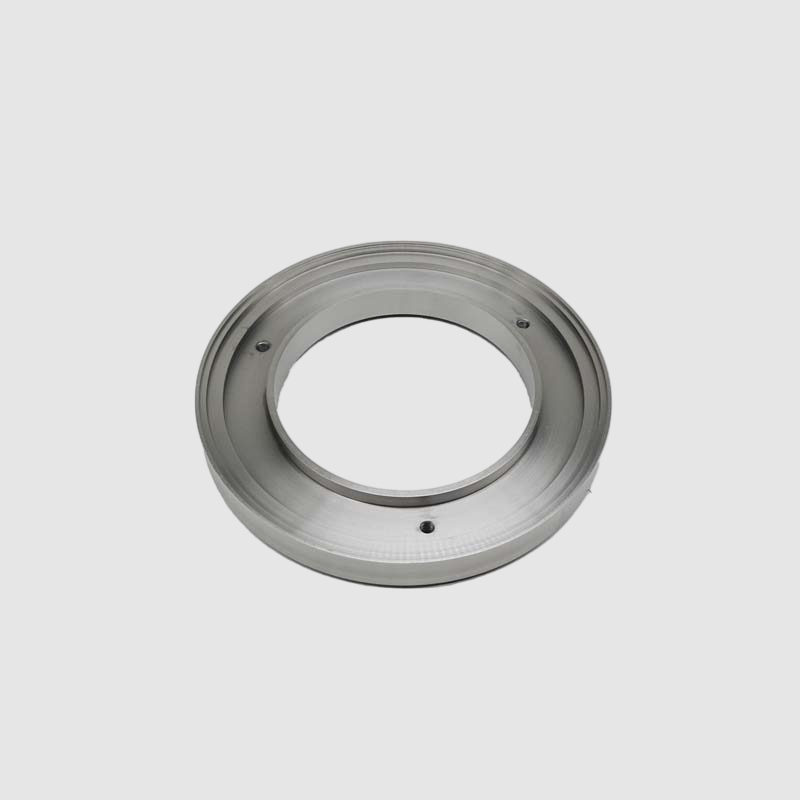
Tantalum Sheet Metal: Premium Corrosion-Resistant Material for Industrial and Medical Applications

Get a Free Quote

Our representative will contact you soon.
Email
Name
Country/Region
Mobile/WhatsApp
Product Name
Message
0/1000

tantalum sheet metal

Tantalum sheet metal represents a premium engineering material that delivers exceptional performance in demanding industrial environments. This specialized metal product consists of pure tantalum or tantalum alloys rolled into thin, flat sheets with precise thickness specifications. Manufacturers produce tantalum sheet metal through sophisticated metallurgical processes that ensure consistent quality and reliable mechanical properties throughout the material. The primary functions of tantalum sheet metal include providing superior corrosion resistance, maintaining structural integrity at elevated temperatures, and offering excellent biocompatibility for medical applications. Industries rely on this material when standard metals fail to meet stringent operational requirements. The technological features of tantalum sheet metal set it apart from conventional materials. This metal exhibits remarkable resistance to chemical attack from acids, alkalis, and organic compounds, making it invaluable in chemical processing equipment. The material maintains its strength and stability across a wide temperature range, from cryogenic conditions to temperatures exceeding 2000 degrees Celsius. Tantalum sheet metal demonstrates excellent formability, allowing fabricators to shape it into complex geometries without compromising its protective properties. The material also provides outstanding electrical conductivity and can be welded using specialized techniques. Applications for tantalum sheet metal span multiple high-value industries. Chemical processing plants use it for reactor linings, heat exchangers, and piping systems that handle corrosive substances. The electronics industry incorporates tantalum sheet metal in capacitor manufacturing and semiconductor production equipment. Medical device manufacturers select this material for surgical implants, prosthetics, and diagnostic equipment due to its biocompatibility and resistance to body fluids. Aerospace engineers specify tantalum sheet metal for rocket nozzles, turbine components, and thermal protection systems. The pharmaceutical industry depends on it for equipment that must maintain absolute purity during drug production. Nuclear facilities utilize tantalum sheet metal in radiation shielding and containment systems. This versatile material continues to enable technological advancement across sectors where performance cannot be compromised.

New Product Recommendations

Choosing tantalum sheet metal delivers tangible benefits that directly impact your operational efficiency and bottom line. The most significant advantage lies in its unmatched corrosion resistance, which translates to dramatically extended equipment lifespan. While ordinary metals deteriorate rapidly when exposed to aggressive chemicals, tantalum sheet metal maintains its integrity for decades, eliminating frequent replacement costs and reducing downtime. This durability means your production facilities operate continuously without interruptions for repairs or component changes. The financial savings accumulate quickly when you factor in reduced maintenance labor, fewer spare parts inventories, and increased production uptime. Temperature stability provides another practical benefit that solves real manufacturing challenges. Equipment fabricated from tantalum sheet metal performs reliably whether processing materials at room temperature or extreme heat. This consistency eliminates the need for multiple material specifications across different temperature zones in your facility. You can standardize on one material that handles diverse conditions, simplifying procurement, inventory management, and maintenance procedures. The material does not become brittle in cold environments or lose strength when heated, ensuring predictable performance throughout its service life. Biocompatibility opens opportunities in medical applications where patient safety is paramount. Tantalum sheet metal integrates seamlessly with human tissue without triggering adverse reactions or rejection. Medical device manufacturers gain regulatory approval more easily when using this proven material, accelerating time to market for new products. Patients benefit from implants that last longer and cause fewer complications, while healthcare providers reduce revision surgery rates. The material resists degradation from body fluids and sterilization processes, maintaining its protective function throughout years of implantation. Formability and fabrication advantages streamline your manufacturing processes. Tantalum sheet metal can be shaped, bent, and formed using conventional metalworking equipment, though specialized knowledge improves results. This workability allows you to create custom components that fit precisely into existing systems without extensive redesign. Welding capabilities enable you to join tantalum sheet metal to itself or compatible materials, providing design flexibility for complex assemblies. The material machines cleanly with appropriate tooling, producing smooth surfaces that meet strict cleanliness requirements for pharmaceutical and semiconductor applications. Electrical properties make tantalum sheet metal valuable in electronic applications where conductivity and reliability matter. The material carries current efficiently while resisting oxidation that degrades electrical connections over time. Manufacturers of capacitors and other electronic components depend on these consistent electrical characteristics to produce devices that meet tight performance specifications. Long-term stability ensures that tantalum sheet metal represents a sound investment. Unlike materials that degrade gradually and require monitoring, tantalum maintains its properties indefinitely under proper operating conditions. This permanence eliminates uncertainty in long-term planning and allows you to design systems with confidence in their extended operational life.

Latest News

Gathering in Luoyang for Tungsten & Molybdenum, Uniting Hearts to Forge a New Dream Forward​

24

Apr

Gathering in Luoyang for Tungsten & Molybdenum, Uniting Hearts to Forge a New Dream Forward​

View More
The 31st Russia International Metal and Metallurgy Industry Exhibition 2025 (Metal-Expo)

24

Apr

The 31st Russia International Metal and Metallurgy Industry Exhibition 2025 (Metal-Expo)

View More
International Ferroalloys 2025

24

Apr

International Ferroalloys 2025

View More
Luoyang Combat Tungsten & Molybdenum Materials Co., Ltd. Shines at Asia Ferroalloys 2025 Conference to Forge Global Collaboration Opportunities

24

Apr

Luoyang Combat Tungsten & Molybdenum Materials Co., Ltd. Shines at Asia Ferroalloys 2025 Conference to Forge Global Collaboration Opportunities

View More

Get a Free Quote

Our representative will contact you soon.
Email
Name
Country/Region
Mobile/WhatsApp
Product Name
Message
0/1000

tantalum sheet metal

Exceptional Chemical Resistance for Harsh Processing Environments

Exceptional Chemical Resistance for Harsh Processing Environments

Tantalum sheet metal stands as the ultimate solution when your operations involve highly corrosive chemicals that destroy conventional materials. This remarkable resistance stems from the formation of a stable, self-healing oxide layer on the metal surface that protects the underlying material from chemical attack. Unlike passive coatings that can chip or wear away, this protective layer regenerates automatically when damaged, providing continuous protection throughout the material's service life. The practical implications for your facility are substantial. Equipment fabricated from tantalum sheet metal withstands concentrated sulfuric acid, hydrochloric acid, nitric acid, and combinations of these aggressive substances that would rapidly corrode stainless steel, titanium, or exotic alloys. Chemical processors handling pharmaceutical intermediates, specialty chemicals, or electronic-grade acids rely on tantalum sheet metal to maintain product purity and prevent contamination from corroded equipment. The material remains inert in contact with bromine, chlorine, and other halogens that attack most metals. This comprehensive chemical resistance eliminates the need to change materials when processing different products, providing operational flexibility that improves facility utilization. The economic advantages become clear when you calculate total cost of ownership. Initial material costs for tantalum sheet metal exceed those of common metals, but this investment pays returns through extended equipment life measured in decades rather than years. Facilities report tantalum components operating for twenty to thirty years without degradation, while stainless steel equivalents require replacement every few years. The elimination of unplanned shutdowns for equipment failure prevents production losses that far exceed material costs. Maintenance teams spend less time inspecting, repairing, and replacing corroded components, allowing them to focus on value-adding activities. The material's resistance to pitting and crevice corrosion means you avoid the hidden damage that compromises structural integrity and leads to catastrophic failures. Quality assurance benefits significantly because tantalum sheet metal does not leach metallic ions into process streams. Pharmaceutical manufacturers maintain product purity without contamination from equipment surfaces, meeting stringent regulatory requirements for drug production. Electronic chemical suppliers deliver ultra-pure materials that enable semiconductor fabrication at increasingly smaller feature sizes. This contamination-free processing protects your brand reputation and prevents costly product recalls or customer rejections.
Superior High-Temperature Performance for Extreme Operating Conditions

Superior High-Temperature Performance for Extreme Operating Conditions

Tantalum sheet metal delivers reliable performance at temperatures where ordinary metals fail, making it indispensable for applications involving extreme heat. The material retains its mechanical strength and corrosion resistance at temperatures exceeding 2000 degrees Celsius, far beyond the capabilities of stainless steels, nickel alloys, or refractory metals like molybdenum. This temperature stability results from tantalum's high melting point and resistance to oxidation in controlled atmospheres. Engineers designing high-temperature systems gain significant advantages by specifying tantalum sheet metal for critical components. The material does not soften, creep, or lose structural integrity when exposed to sustained elevated temperatures, ensuring dimensional stability throughout thermal cycles. Aerospace applications benefit from these properties in rocket engine components, where tantalum sheet metal withstands the intense heat of combustion gases while maintaining precise geometries required for optimal performance. Thermal protection systems incorporate this material to shield sensitive equipment from extreme temperatures during atmospheric reentry or hypersonic flight. The material's low thermal expansion coefficient minimizes stress from temperature changes, reducing the risk of warping or cracking that plagues other high-temperature materials. Chemical processing operations that involve high-temperature reactions depend on tantalum sheet metal for reactor vessels, heating coils, and transfer lines. The material allows processes to run at optimal temperatures for maximum yield and product quality without concerns about equipment degradation. Catalyst recovery systems use tantalum components to handle hot, corrosive regeneration gases that would quickly destroy alternative materials. Vacuum furnace manufacturers line heating chambers with tantalum sheet metal to achieve uniform temperature distribution and prevent contamination of processed materials. The combination of high-temperature capability and corrosion resistance proves especially valuable in applications involving both challenges simultaneously. Glass manufacturing equipment uses tantalum sheet metal in contact with molten glass at temperatures approaching 1500 degrees Celsius, where the material resists attack from aggressive glass melts while maintaining structural integrity. Nuclear fuel reprocessing facilities employ tantalum components in high-temperature, highly radioactive environments where material failure is unacceptable. The material's stability across temperature extremes simplifies system design by eliminating the need for complex cooling systems or frequent component replacement. Your operations become more efficient when equipment performs reliably regardless of temperature variations, reducing energy consumption and improving process control.
Proven Biocompatibility for Critical Medical Applications

Proven Biocompatibility for Critical Medical Applications

Tantalum sheet metal has established itself as a premier material for medical implants and surgical devices due to its exceptional biocompatibility and long-term stability in the human body. This compatibility arises from the material's chemical inertness and the formation of a stable oxide layer that prevents ion release into surrounding tissues. Unlike some metals that trigger inflammatory responses or allergic reactions, tantalum integrates harmoniously with bone and soft tissue, promoting healing rather than causing complications. Medical device manufacturers gain significant advantages by selecting tantalum sheet metal for implantable products. The material's proven track record in human use spanning decades provides confidence in regulatory approval processes and reduces the risk of post-market safety issues. Orthopedic surgeons use tantalum implants for joint replacements, spinal fusion devices, and bone repair systems because the material encourages bone growth directly onto its surface through a process called osseointegration. This biological bonding creates stable, long-lasting implants that restore patient mobility and quality of life. Dental professionals rely on tantalum sheet metal for implant abutments and prosthetic frameworks that must withstand years of functional loading in the oral environment. The material resists corrosion from saliva, food acids, and bacterial byproducts while maintaining the strength needed to support chewing forces. Cardiovascular applications benefit from tantalum's compatibility with blood and resistance to thrombosis formation. Surgeons use tantalum markers fabricated from thin sheet metal to track implant position using medical imaging, providing precise visualization without artifacts that obscure surrounding anatomy. The material's radiopacity allows clear identification on X-rays and CT scans, enabling accurate diagnosis and treatment planning. Neurosurgical devices incorporate tantalum sheet metal in cranial plates and electrode arrays that interface directly with brain tissue, where biocompatibility is absolutely critical. The material's stability prevents the release of particles or ions that could damage delicate neural structures or trigger immune responses. Sterilization compatibility represents another practical advantage for medical applications. Tantalum sheet metal withstands repeated autoclaving, gamma irradiation, and chemical sterilization without degradation, ensuring that surgical instruments and reusable devices maintain their properties through countless sterilization cycles. This durability reduces replacement costs and ensures consistent performance throughout the product lifecycle. Patients benefit from reduced complication rates and longer implant survival when their medical devices incorporate tantalum sheet metal, while healthcare systems realize cost savings through fewer revision surgeries and improved patient outcomes.

Get a Free Quote

Our representative will contact you soon.
Email
Name
Country/Region
Mobile/WhatsApp
Product Name
Message
0/1000