Exceptional Chemical Resistance Extending Service Life in Harsh Environments
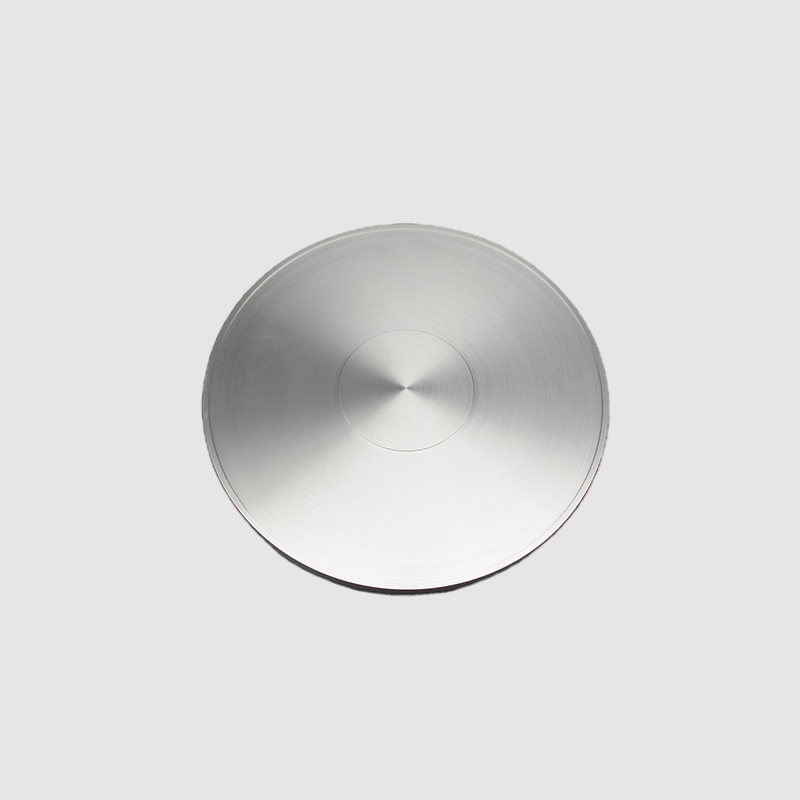
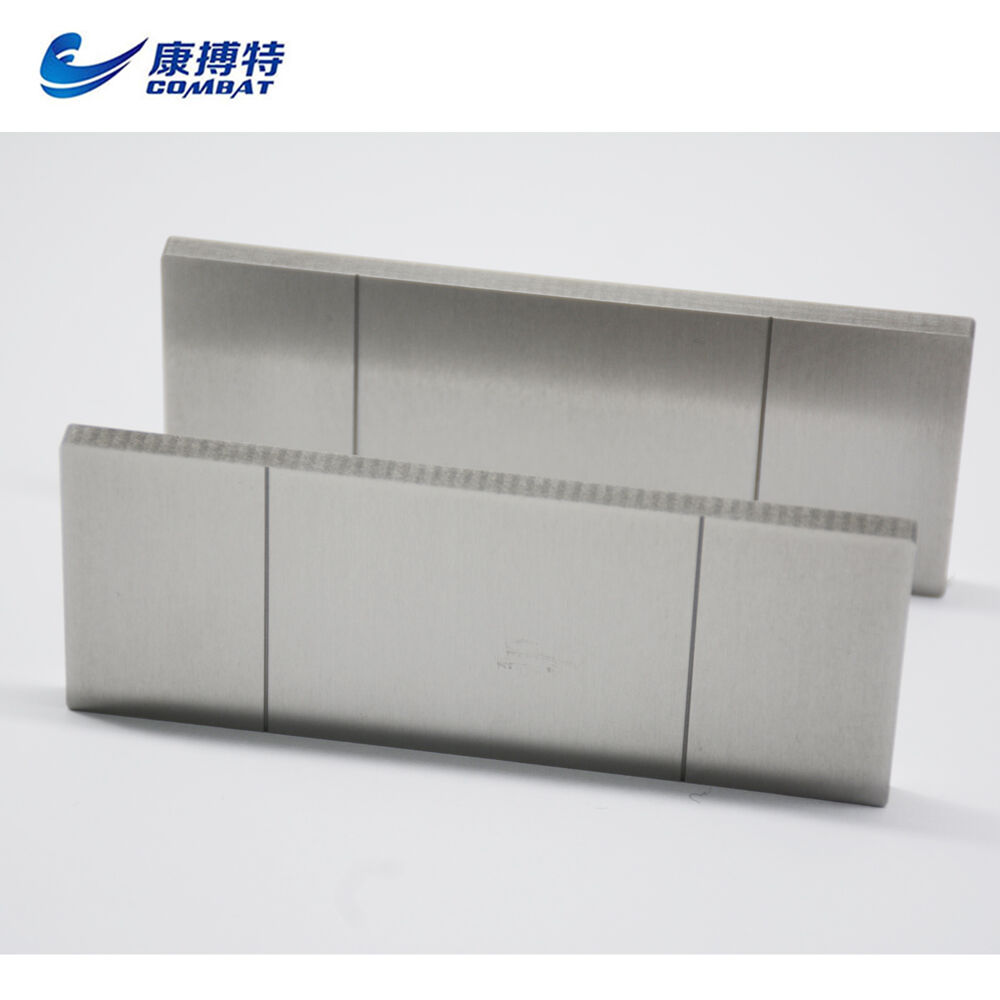
Tungsten sheet metal demonstrates outstanding resistance to chemical attack across a broad spectrum of corrosive substances, providing reliable performance in processing environments that rapidly degrade conventional metals and require frequent component replacement. The material resists most mineral acids, including hydrochloric, sulfuric, and nitric acids at moderate concentrations and temperatures, maintaining surface integrity and mechanical properties where stainless steel would suffer pitting, crevice corrosion, or general dissolution. This chemical stability proves invaluable in chemical processing plants, pharmaceutical manufacturing facilities, and research laboratories where equipment contacts aggressive reagents during normal operations. Alkaline solutions similarly show minimal effect on tungsten sheet metal, allowing its use in caustic environments where aluminum and zinc-based materials would rapidly corrode. The material's resistance to halogen gases, including chlorine and fluorine, enables applications in semiconductor manufacturing and chemical synthesis operations where these reactive substances would attack alternative construction materials. High-temperature oxidation resistance, while requiring protective atmospheres above 500 degrees Celsius in air, remains excellent in inert or reducing environments, making tungsten sheet metal ideal for vacuum furnace components and controlled-atmosphere processing equipment. The absence of galvanic corrosion concerns when tungsten sheet metal contacts dissimilar metals in electrolyte-free environments simplifies design considerations and eliminates the need for insulating barriers or sacrificial anodes that complicate assemblies. Electrochemical processing applications benefit from tungsten sheet metal's stability as an electrode material, where it resists dissolution and maintains dimensional accuracy throughout extended service periods involving current flow through corrosive electrolytes. The material's impermeability prevents absorption of corrosive substances that could cause delayed failure through internal attack, ensuring predictable service life based on surface wear rather than hidden degradation. Cleaning and decontamination procedures prove straightforward, as tungsten sheet metal tolerates aggressive cleaning agents and high-pressure washing without surface damage or dimensional changes. This chemical resilience translates directly into reduced maintenance costs, extended equipment uptime, and improved process reliability in industries where corrosion-related failures create safety hazards, production losses, and environmental compliance issues. The long-term cost savings from eliminated replacement cycles and reduced downtime often justify the higher initial material cost of tungsten sheet metal compared to conventional alternatives that require frequent renewal.


 EN