Versatile Manufacturing Integration and Processing Flexibility
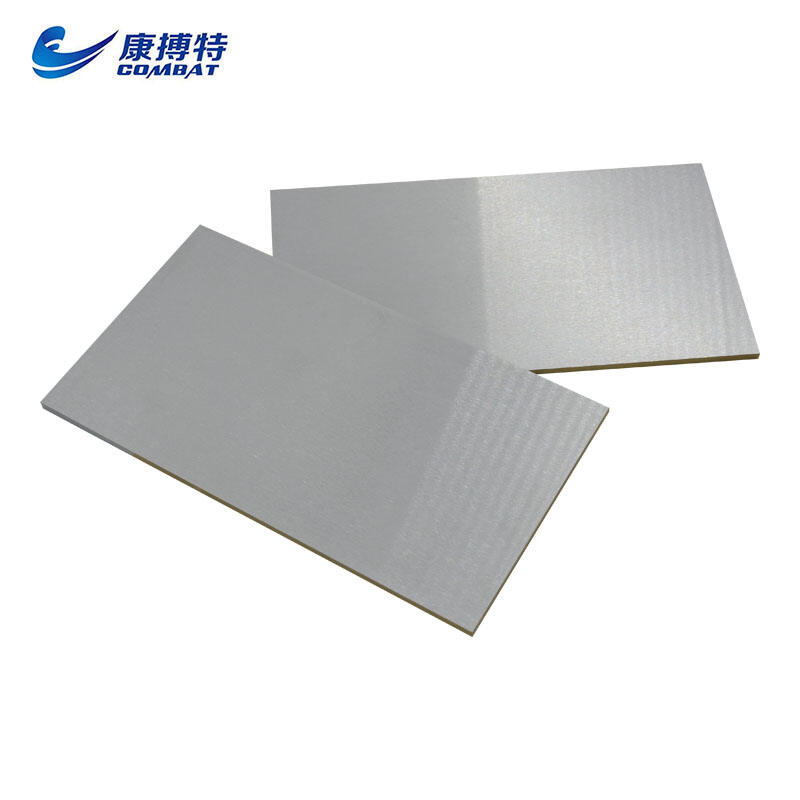
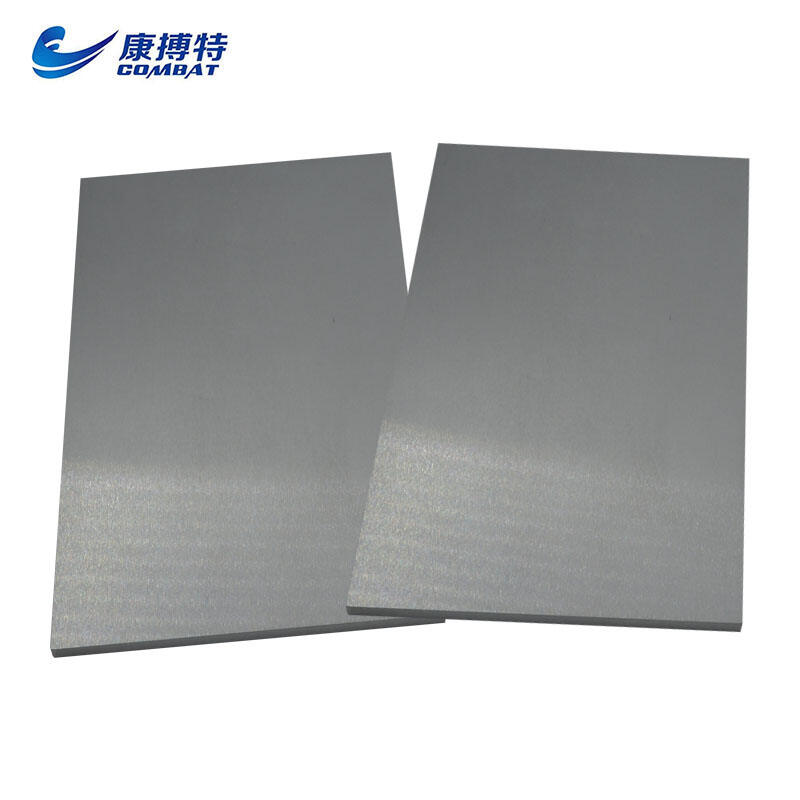
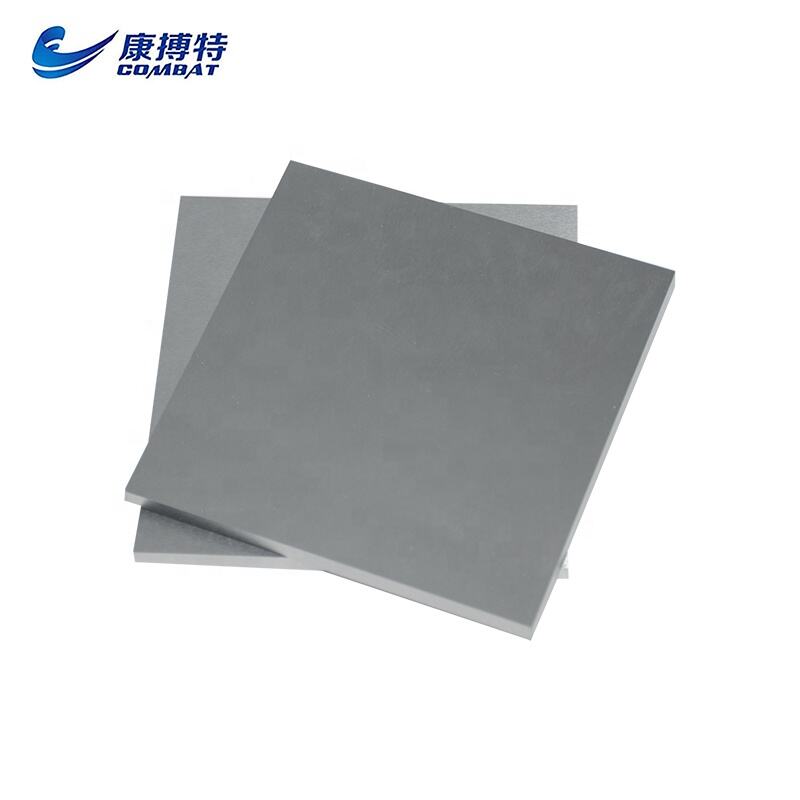
The manufacturing versatility and processing flexibility of tungsten foil enable seamless integration into diverse production workflows and facilitate the creation of custom solutions tailored to specific application requirements. This adaptability stems from the availability of tungsten foil in a wide range of thicknesses, from ultra-thin foils measuring mere micrometers to heavier gauges providing increased structural strength, allowing engineers and designers to select the optimal material specification for each unique application. When you incorporate tungsten foil into your manufacturing processes, you benefit from compatibility with established metalworking techniques including cutting, forming, welding, and machining, eliminating the need for specialized equipment or exotic processing methods that would increase costs and complexity. The material can be sheared or laser-cut to precise dimensions, enabling the production of intricate shapes and patterns required for electronic components, thermal management devices, or specialized shielding configurations. Forming operations allow tungsten foil to be bent, rolled, or stamped into three-dimensional geometries, creating components that conform to specific spatial requirements or integrate with existing assemblies. Welding techniques including resistance welding, electron beam welding, and laser welding enable the joining of tungsten foil to itself or to other compatible materials, facilitating the construction of complex assemblies and multi-material structures. This joining capability proves essential in applications requiring hermetic seals, electrical connections, or structural attachments that must withstand demanding service conditions. The surface of tungsten foil accepts various treatments and coatings, allowing for enhanced properties such as improved oxidation resistance, modified emissivity, or specialized surface chemistry required for particular applications. Users can specify surface finishes ranging from bright, reflective surfaces for optical applications to matte finishes for reduced reflectivity in other contexts. The purity levels available in tungsten foil range from commercial grades suitable for general industrial use to high-purity variants required for semiconductor processing, scientific research, or medical applications where contamination must be minimized. This range of purity options ensures you can balance performance requirements against cost considerations, selecting the appropriate grade for each application without paying for unnecessary purity in less demanding uses. The chemical compatibility of tungsten foil with various processing environments, including high-vacuum systems, inert atmospheres, and certain reactive gases, expands its utility across manufacturing sectors. The material's stability during thermal processing enables its use in high-temperature brazing, sintering, and heat treatment operations without degradation or contamination of processed materials.


 EN