Tungsten Plate: High-Performance Metal Solutions for Extreme Temperature and Heavy-Duty Industrial Applications

Get a Free Quote

Our representative will contact you soon.
Email
Name
Country/Region
Mobile/WhatsApp
Product Name
Message
0/1000

tungsten plate

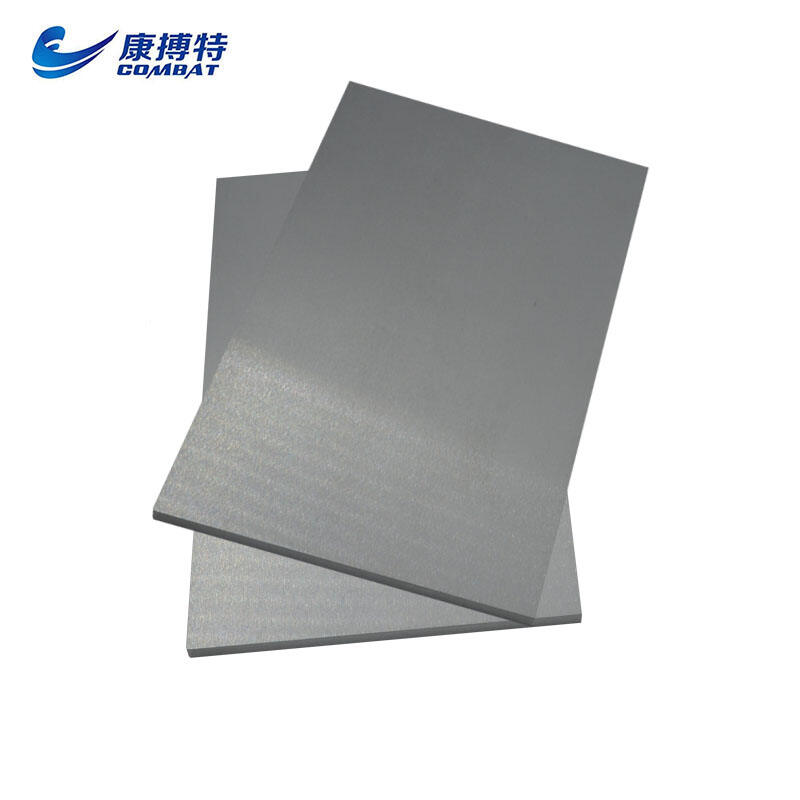
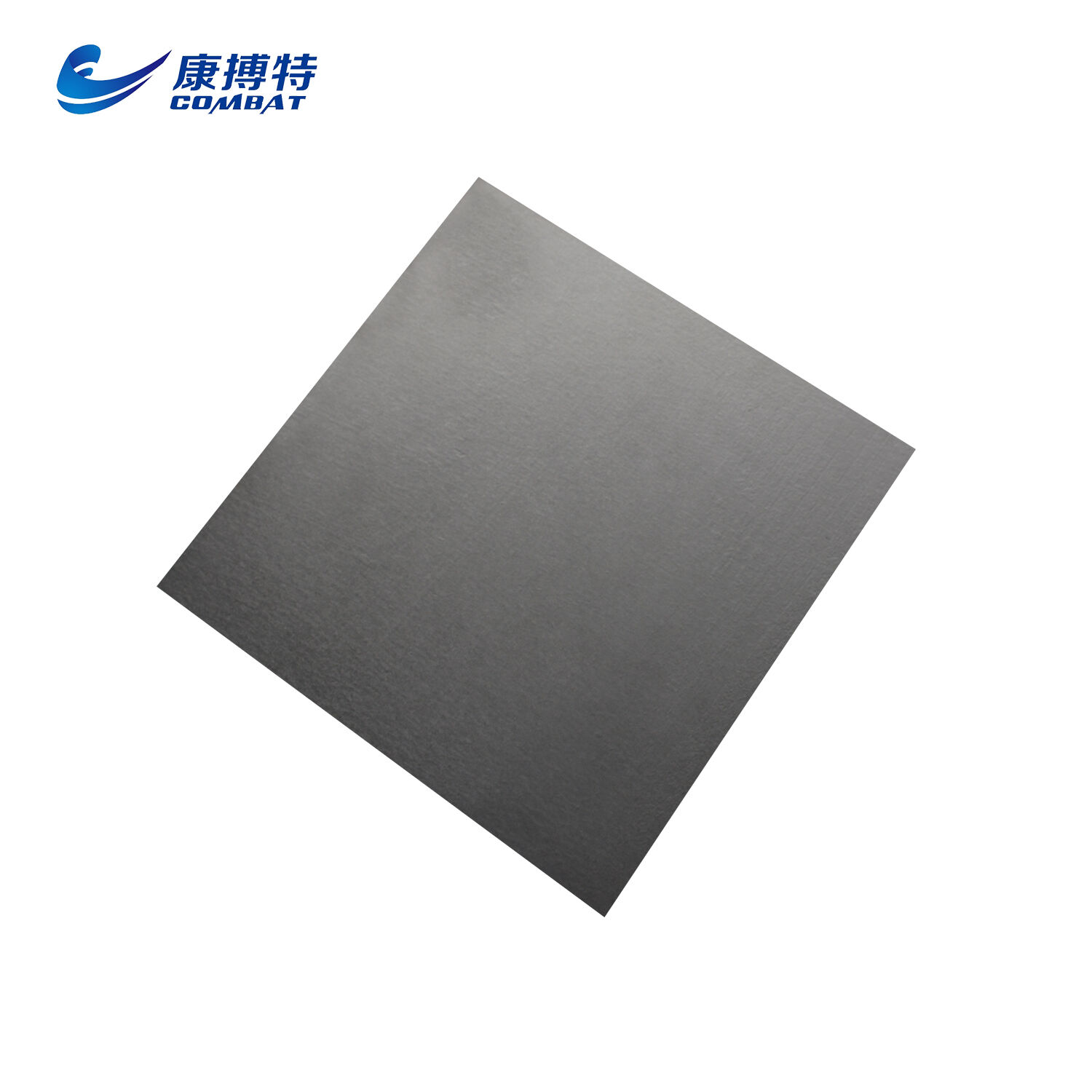
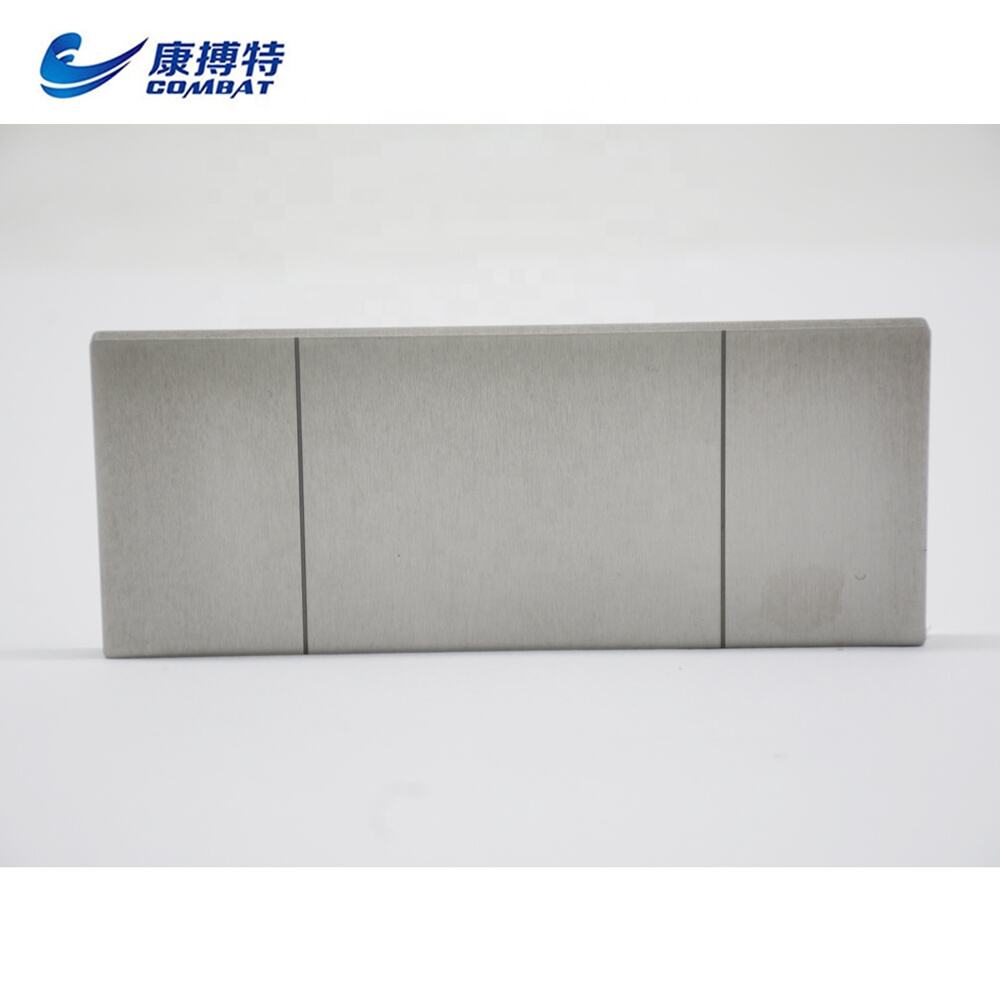
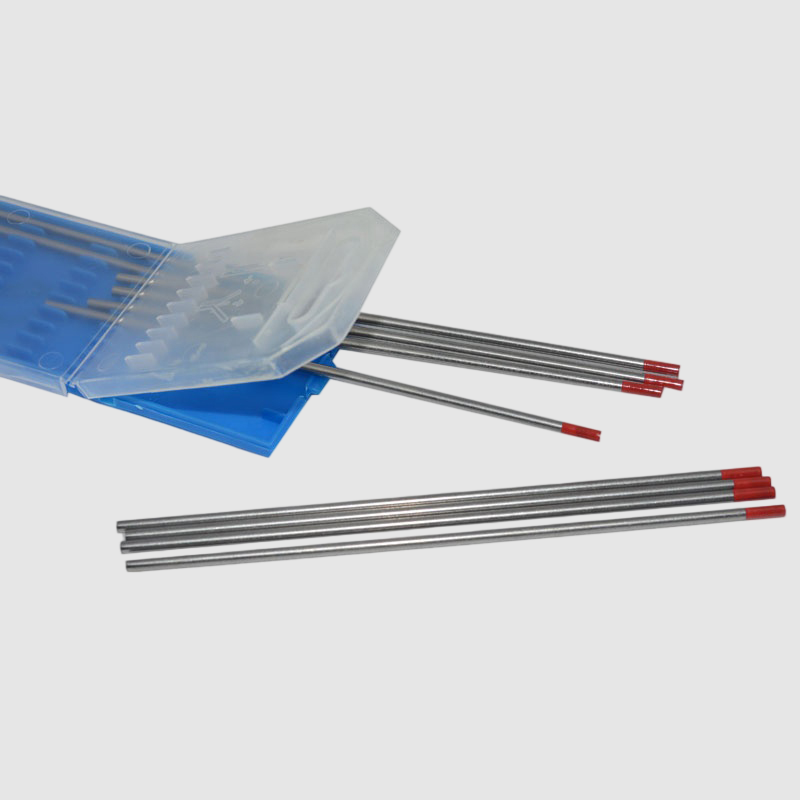
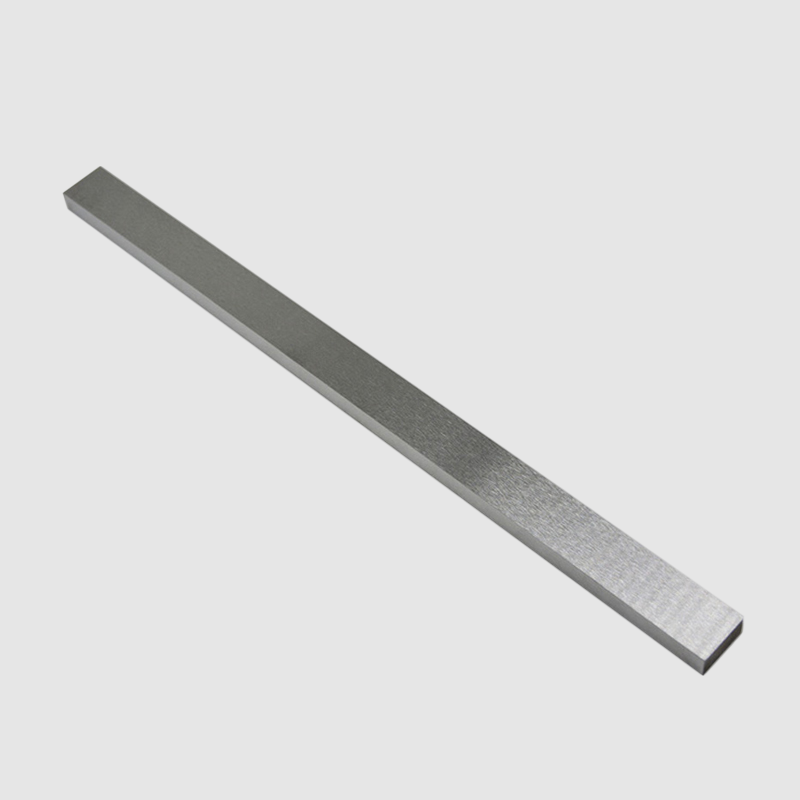
Tungsten plate represents a premium metal product manufactured from one of the densest and most heat-resistant materials available in modern industry. This flat-form tungsten product serves as a fundamental component across numerous high-performance applications where extreme conditions demand exceptional material properties. The manufacturing process involves powder metallurgy techniques or rolling methods that transform raw tungsten into precisely dimensioned plates with consistent thickness and superior surface quality. These plates exhibit remarkable density, typically reaching 19.3 grams per cubic centimeter, making them nearly twice as dense as lead and significantly heavier than steel. The material maintains structural integrity at temperatures exceeding 3000 degrees Celsius, a characteristic that positions it as an irreplaceable solution for extreme thermal environments. Tungsten plate finds extensive use in aerospace engineering, where components must withstand the intense heat generated during atmospheric re-entry or high-speed flight. The defense sector relies heavily on these plates for armor-piercing projectiles and radiation shielding applications, capitalizing on the material's exceptional density and penetration capabilities. Medical technology utilizes tungsten plate in radiation therapy equipment and X-ray shielding, protecting patients and healthcare professionals from harmful radiation exposure. The electronics industry incorporates these plates into heat sinks and electrical contacts, benefiting from tungsten's excellent thermal and electrical conductivity properties. Manufacturing facilities employ tungsten plate in high-temperature furnace components, welding electrodes, and specialized tooling that must resist wear and maintain dimensional stability under extreme operating conditions. The material's low thermal expansion coefficient ensures minimal dimensional changes across wide temperature ranges, a critical feature for precision engineering applications. Chemical processing plants value tungsten plate for its outstanding corrosion resistance against aggressive acids and alkalis, enabling long-term performance in harsh chemical environments where conventional materials would rapidly deteriorate.

New Product Releases

Choosing tungsten plate delivers substantial practical benefits that directly impact operational efficiency and long-term cost management. The material's extraordinary melting point eliminates concerns about thermal degradation in high-temperature processes, allowing equipment to operate continuously without frequent component replacement. This thermal stability translates into reduced downtime and lower maintenance expenses, as parts manufactured from tungsten plate maintain their structural integrity and dimensional accuracy far longer than alternatives made from conventional metals. The exceptional density provides unmatched performance in applications requiring maximum mass in minimal space, such as counterweights, ballast systems, and radiation shielding installations. Users benefit from compact designs that achieve superior functionality without occupying excessive space or requiring complex support structures. The material's hardness and wear resistance ensure extended service life in abrasive environments, reducing replacement frequency and associated labor costs. Components fabricated from tungsten plate resist scratching, gouging, and surface degradation that would quickly compromise softer materials, maintaining smooth surfaces and precise tolerances throughout their operational lifespan. The excellent electrical conductivity enables efficient current transfer in electrical contacts and electrodes, minimizing energy losses and heat generation during operation. This property proves particularly valuable in high-current applications where electrical resistance would otherwise create significant efficiency penalties and potential safety hazards. Tungsten plate exhibits minimal thermal expansion, maintaining dimensional stability across temperature fluctuations that would cause other materials to warp or distort. This characteristic ensures consistent performance in precision applications where tight tolerances must be maintained regardless of operating temperature variations. The material's chemical inertness provides reliable performance in corrosive environments, eliminating concerns about chemical attack that would degrade reactive metals. Users avoid costly failures and contamination issues associated with material degradation in aggressive chemical processes. The non-magnetic properties make tungsten plate ideal for applications where magnetic interference must be avoided, such as sensitive electronic equipment and medical imaging systems. The material's high modulus of elasticity provides excellent stiffness, resisting deflection under load and maintaining structural rigidity in demanding mechanical applications. These combined advantages create compelling value propositions for industries seeking reliable, long-lasting solutions that reduce total cost of ownership while delivering superior performance across diverse operating conditions.

Tips And Tricks

The 31st Russia International Metal and Metallurgy Industry Exhibition 2025 (Metal-Expo)

24

Apr

The 31st Russia International Metal and Metallurgy Industry Exhibition 2025 (Metal-Expo)

View More
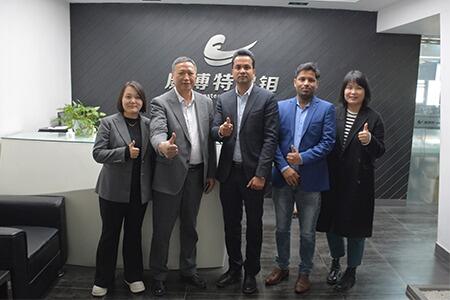
Indian Delegation Visits Youbo, Signs Molybdenum Bar and Tungsten Alloy Procurement Agreement​​

24

Apr

Indian Delegation Visits Youbo, Signs Molybdenum Bar and Tungsten Alloy Procurement Agreement​​

View More
International Ferroalloys 2025

24

Apr

International Ferroalloys 2025

View More
Luoyang Combat Tungsten & Molybdenum Materials Co., Ltd. Shines at Asia Ferroalloys 2025 Conference to Forge Global Collaboration Opportunities

24

Apr

Luoyang Combat Tungsten & Molybdenum Materials Co., Ltd. Shines at Asia Ferroalloys 2025 Conference to Forge Global Collaboration Opportunities

View More

Get a Free Quote

Our representative will contact you soon.
Email
Name
Country/Region
Mobile/WhatsApp
Product Name
Message
0/1000

tungsten plate

Unparalleled High-Temperature Performance and Thermal Stability

Unparalleled High-Temperature Performance and Thermal Stability

Tungsten plate stands alone among metallic materials for its ability to maintain structural integrity and mechanical properties at temperatures that would melt or severely weaken virtually all other metals. This exceptional high-temperature capability stems from tungsten's extraordinarily high melting point of 3422 degrees Celsius, the highest of all pure metals. In practical applications, this means components manufactured from tungsten plate can operate reliably in environments where temperatures routinely exceed 2000 degrees Celsius, conditions that would cause steel to liquefy and even specialized superalloys to lose their strength. Furnace manufacturers leverage this property to construct heating elements, radiation shields, and structural supports that maintain dimensional stability and load-bearing capacity throughout countless thermal cycles. The aerospace industry depends on tungsten plate for rocket nozzle components and thermal protection systems that must survive the intense heat generated during propulsion and atmospheric re-entry. Unlike materials that require active cooling systems or protective coatings to survive high temperatures, tungsten plate performs reliably through direct exposure to extreme thermal conditions. This eliminates the complexity, weight, and potential failure points associated with cooling systems, resulting in simpler, more reliable designs. The material's low vapor pressure at elevated temperatures prevents material loss through evaporation, a critical advantage in vacuum furnace applications and space environments where material outgassing would contaminate sensitive processes or optical systems. Tungsten plate also exhibits minimal creep at high temperatures, maintaining its shape and dimensions under sustained loads in hot environments where other materials would gradually deform. This creep resistance proves essential in applications such as high-temperature tooling and furnace fixtures that must maintain precise positioning and alignment throughout extended operating periods. The thermal conductivity of tungsten plate facilitates efficient heat transfer, enabling rapid heating and cooling cycles that improve process efficiency in manufacturing operations. Users benefit from reduced cycle times and increased throughput without compromising component integrity or dimensional accuracy. The combination of extreme temperature capability, dimensional stability, and thermal conductivity makes tungsten plate the material of choice for demanding applications where thermal performance directly determines operational success and equipment longevity.
Superior Density for Radiation Shielding and Counterweight Applications

Superior Density for Radiation Shielding and Counterweight Applications

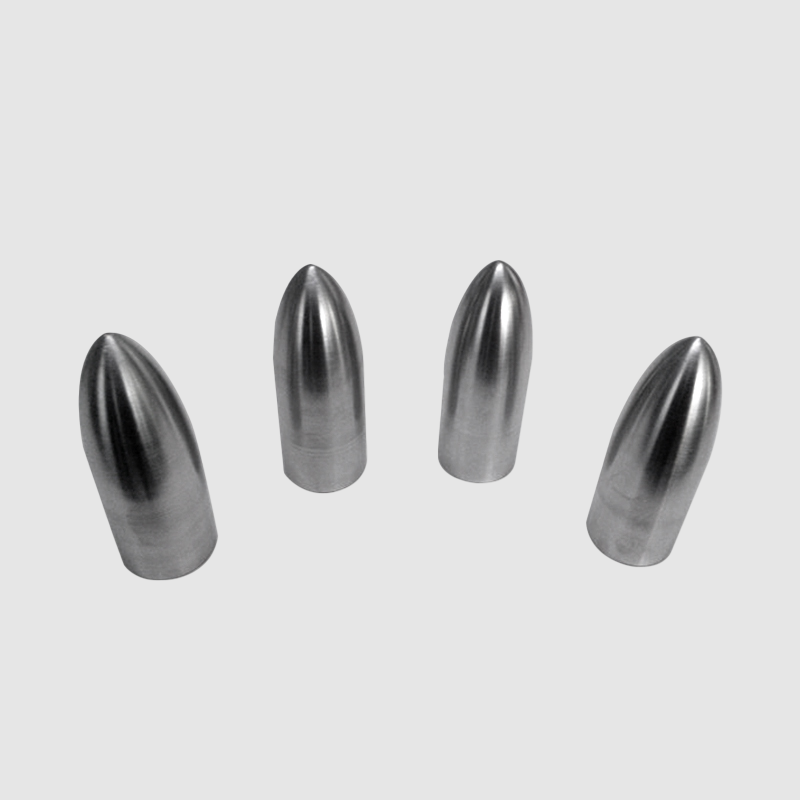
The exceptional density of tungsten plate, measuring 19.3 grams per cubic centimeter, creates unique advantages for applications requiring maximum mass concentration in minimal volume. This density exceeds that of lead by approximately 70 percent and surpasses steel by more than twice, enabling designers to achieve equivalent shielding or counterweight performance using significantly less space. In radiation shielding applications, the high atomic number and density of tungsten plate provide outstanding attenuation of gamma rays and X-rays, protecting personnel and sensitive equipment from harmful radiation exposure. Medical facilities utilize tungsten plate in radiation therapy equipment, creating compact shielding assemblies that protect patients and healthcare workers while minimizing the footprint of treatment rooms. The material's density allows for thinner shielding walls compared to lead or concrete alternatives, maximizing usable space in expensive medical facilities where every square meter carries significant cost implications. Nuclear power plants and research facilities employ tungsten plate in shielding assemblies around reactors and radioactive material handling areas, benefiting from the material's ability to provide effective protection without the excessive thickness required by lower-density alternatives. The aerospace and defense sectors capitalize on tungsten plate density for kinetic energy penetrators and armor-piercing projectiles, where maximum mass in minimal cross-sectional area translates directly into superior penetration capability. Industrial applications leverage this density for counterweights and ballast systems in precision machinery, cranes, and marine vessels, achieving required mass distribution in compact packages that simplify mechanical design and reduce overall system dimensions. Vibration damping systems incorporate tungsten plate to create high-mass dampers that effectively absorb and dissipate mechanical vibrations in minimal space, improving equipment performance and reducing noise transmission. The material's density also proves valuable in oil and gas drilling operations, where tungsten plate components add necessary weight to drill strings and downhole tools without increasing outer diameters that would restrict access to narrow boreholes. Unlike lead, which poses environmental and health concerns, tungsten plate provides a non-toxic alternative for applications requiring high-density materials, eliminating regulatory complications and disposal challenges associated with hazardous materials. The combination of extreme density, non-toxicity, and excellent mechanical properties positions tungsten plate as the optimal solution for applications where mass concentration, space efficiency, and environmental responsibility converge.
Exceptional Wear Resistance and Extended Service Life

Exceptional Wear Resistance and Extended Service Life

Tungsten plate delivers outstanding wear resistance that dramatically extends component service life in abrasive and high-stress applications, reducing replacement frequency and lowering total cost of ownership. The material's exceptional hardness, typically ranging from 350 to 400 on the Vickers scale depending on processing methods, provides superior resistance to scratching, gouging, and surface degradation that would rapidly compromise softer materials. Manufacturing operations employ tungsten plate in tooling, dies, and wear plates that must maintain dimensional accuracy and surface finish throughout millions of operating cycles. The material resists the erosive effects of abrasive particles, high-velocity impacts, and sliding contact that would quickly wear away conventional tool steels or carbide inserts. This wear resistance translates directly into reduced downtime for tool changes and lower consumable costs, improving manufacturing efficiency and profitability. Mining and mineral processing industries utilize tungsten plate in equipment components exposed to highly abrasive ores and slurries, where the material's hardness prevents the rapid wear that plagues conventional wear-resistant steels. Chute liners, classifier plates, and screening surfaces fabricated from tungsten plate maintain their geometry and performance characteristics far longer than alternatives, reducing maintenance intervals and associated production losses. The material's wear resistance remains effective across wide temperature ranges, unlike polymers or soft metals that lose their protective properties when heated. High-temperature wear applications, such as hot forming dies and glass manufacturing equipment, benefit from tungsten plate's ability to resist both thermal degradation and mechanical wear simultaneously. The low coefficient of friction exhibited by properly finished tungsten plate surfaces reduces adhesive wear and galling in sliding contact applications, preventing the material transfer and surface damage that occurs when dissimilar metals slide against each other under load. Electrical contact applications leverage this wear resistance to maintain consistent contact surfaces throughout millions of switching cycles, ensuring reliable electrical performance without the degradation that would increase contact resistance and generate excessive heat. The material's resistance to erosion from high-velocity gas or liquid streams makes tungsten plate ideal for nozzles, valve seats, and flow control components in demanding fluid handling applications. Chemical processing equipment incorporates tungsten plate in areas subject to both corrosive attack and mechanical wear, where the material's combined chemical inertness and hardness provide long-term reliability that single-property materials cannot match. The extended service life delivered by tungsten plate reduces the environmental impact of manufacturing operations by minimizing material consumption and waste generation associated with frequent component replacement, aligning with sustainability goals while delivering economic benefits.
Get a Free Quote

Our representative will contact you soon.
Email
Name
Country/Region
Mobile/WhatsApp
Product Name
Message
0/1000