Exceptional Chemical Resistance and Electrical Conductivity
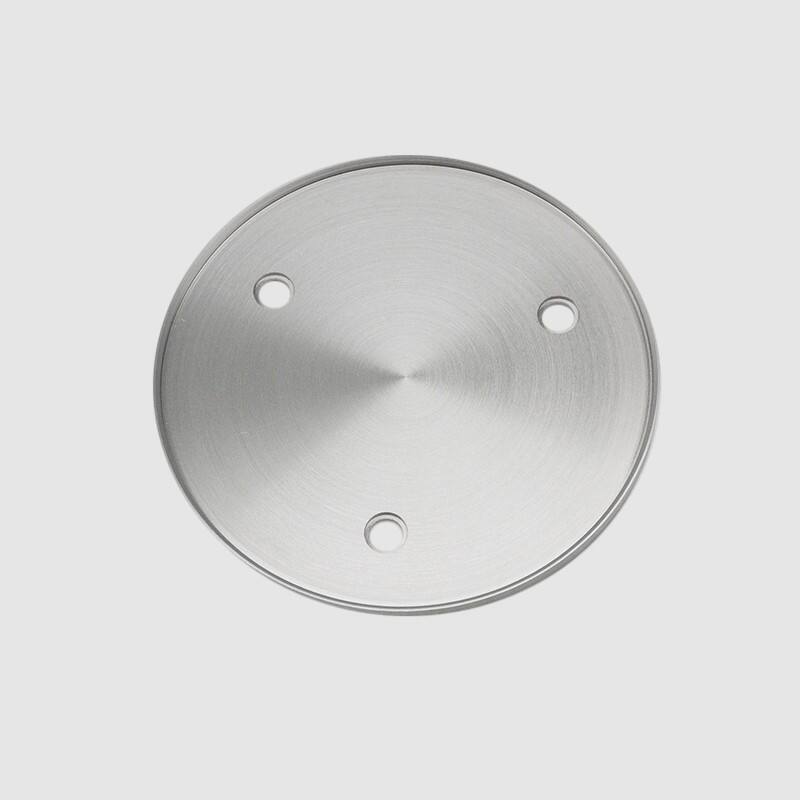
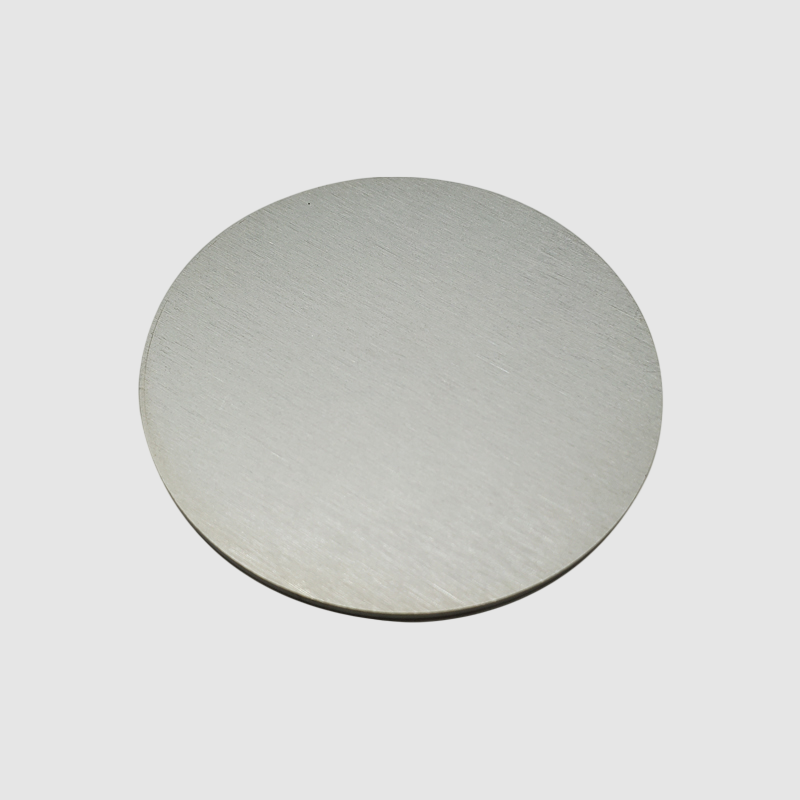
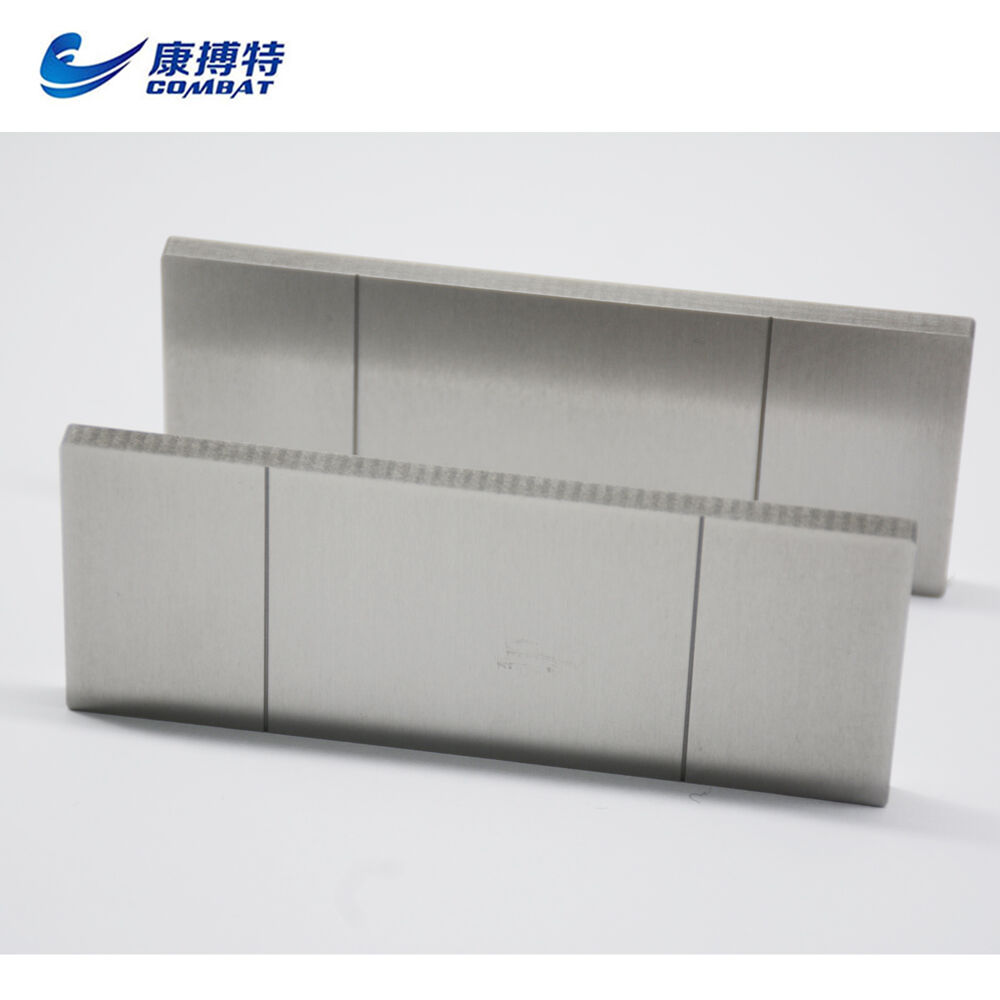
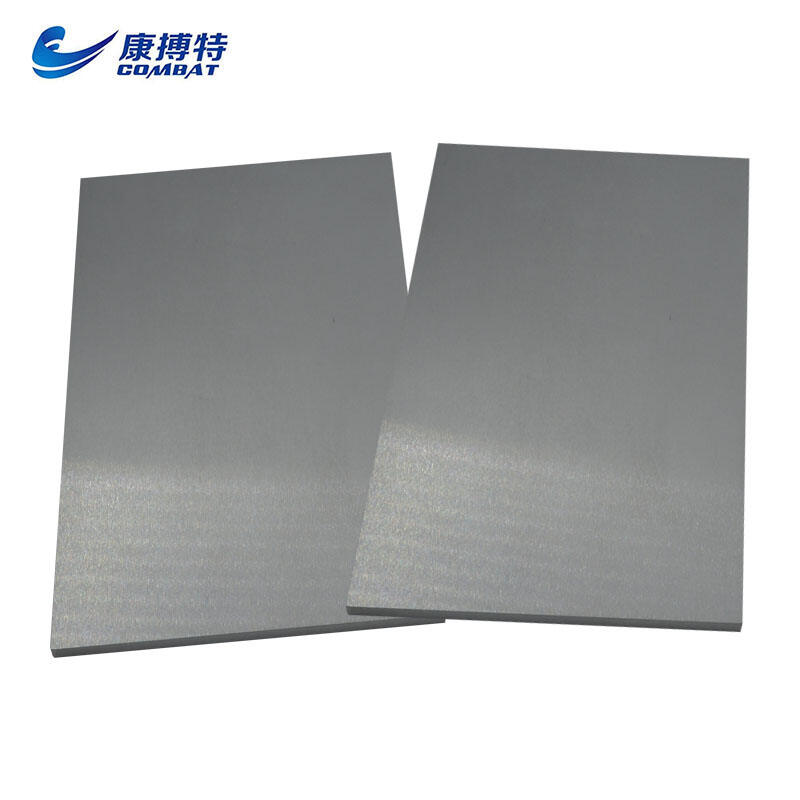
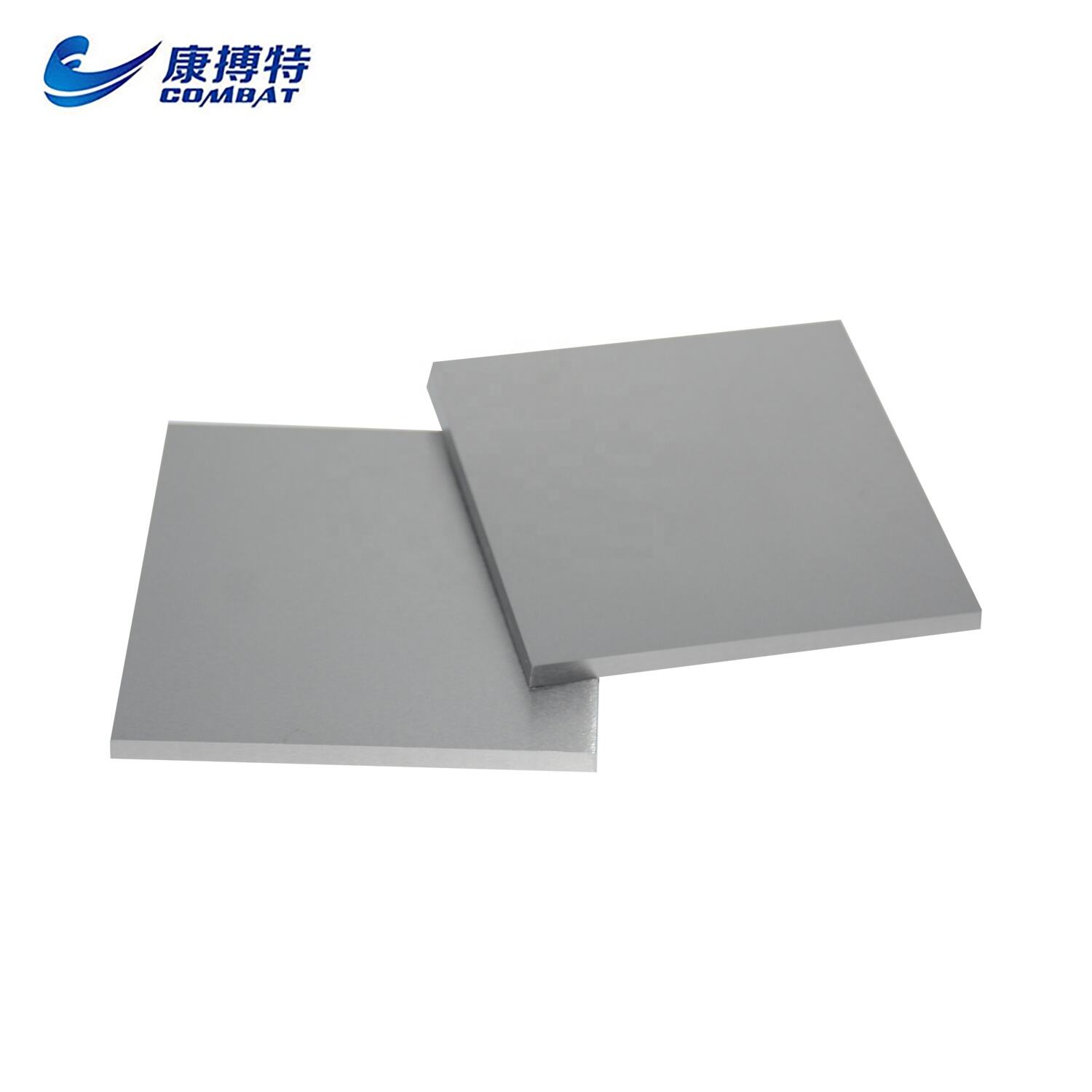
High purity tungsten plate demonstrates outstanding resistance to chemical attack from acids, alkalis, and molten metals, making it indispensable in chemical processing industries where equipment must withstand aggressive environments without contaminating products or requiring frequent replacement. The material resists corrosion from hydrochloric acid, sulfuric acid, and hydrofluoric acid at moderate temperatures, maintaining surface integrity where stainless steel and exotic alloys would deteriorate rapidly. Chemical manufacturers processing corrosive compounds utilize high purity tungsten plate for reactor vessel linings, agitator blades, and transfer system components, benefiting from extended service intervals that reduce maintenance costs and production interruptions. The inertness toward many chemical reagents prevents contamination of sensitive processes, particularly important in pharmaceutical manufacturing and semiconductor fabrication where trace impurities would compromise product quality and yield. Molten metal processing operations, including zinc galvanizing lines and aluminum casting facilities, incorporate high purity tungsten plate into crucibles, launders, and immersion components that must resist dissolution and erosion from liquid metals at temperatures exceeding 1000 degrees Celsius. The material maintains its structural integrity in these demanding environments far longer than ceramic alternatives that crack from thermal shock or metallic options that alloy with the molten bath. Electrical applications leverage the conductivity of high purity tungsten plate, which, while lower than copper or silver, offers the advantage of maintaining performance at temperatures where those materials would melt or oxidize catastrophically. High-power electrical contacts, resistance welding electrodes, and electrical discharge machining components utilize high purity tungsten plate because it withstands the combination of electrical current, mechanical pressure, and heat generation that occurs during operation. The material resists welding to workpieces, a critical characteristic that prevents electrode contamination and ensures consistent weld quality across thousands of cycles. Semiconductor manufacturing equipment incorporates high purity tungsten plate as sputtering targets, where the material must deliver uniform deposition rates while resisting the plasma environment that would rapidly erode inferior materials. The electrical properties remain stable across the operational temperature range, ensuring predictable performance in applications from cryogenic to extreme heat conditions. The combination of chemical resistance and electrical conductivity makes high purity tungsten plate uniquely suited for electrochemical processes, including electrolysis cells and electroplating systems, where the material must simultaneously conduct current and resist the corrosive electrolyte solutions.



 EN