Customization Capabilities and Engineering Support
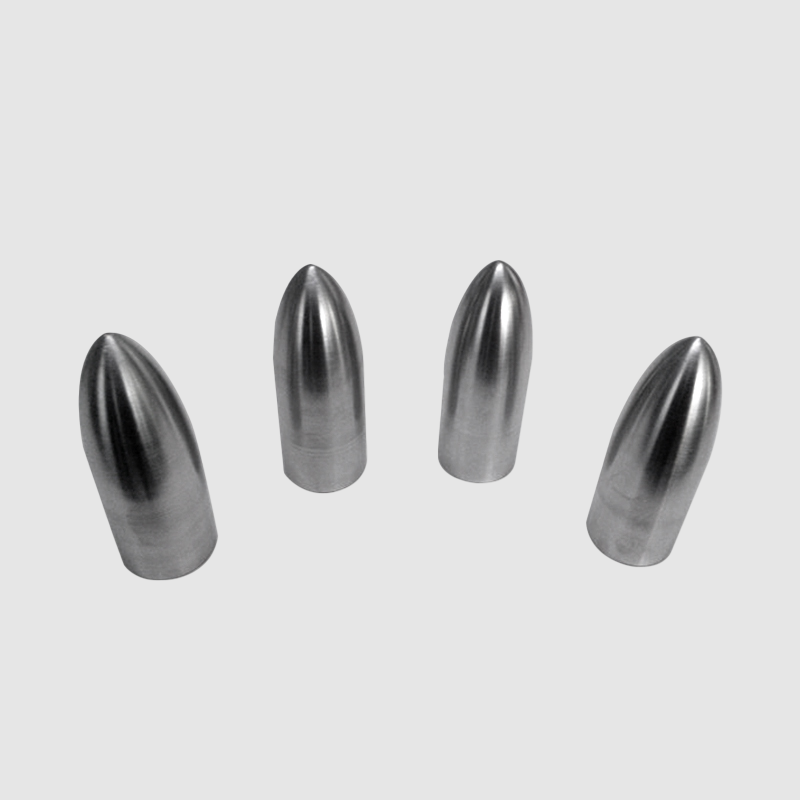
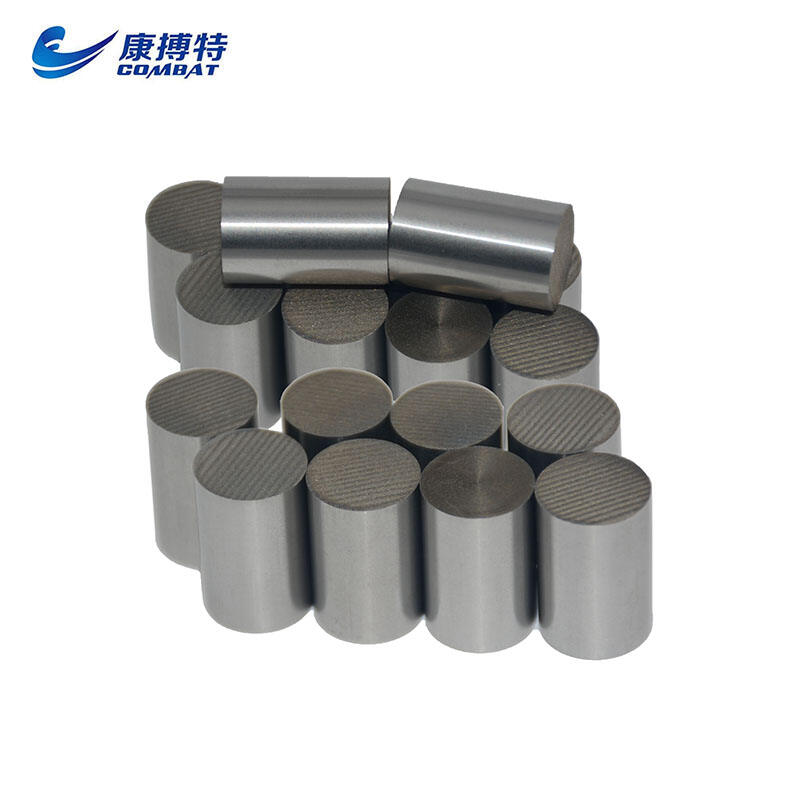
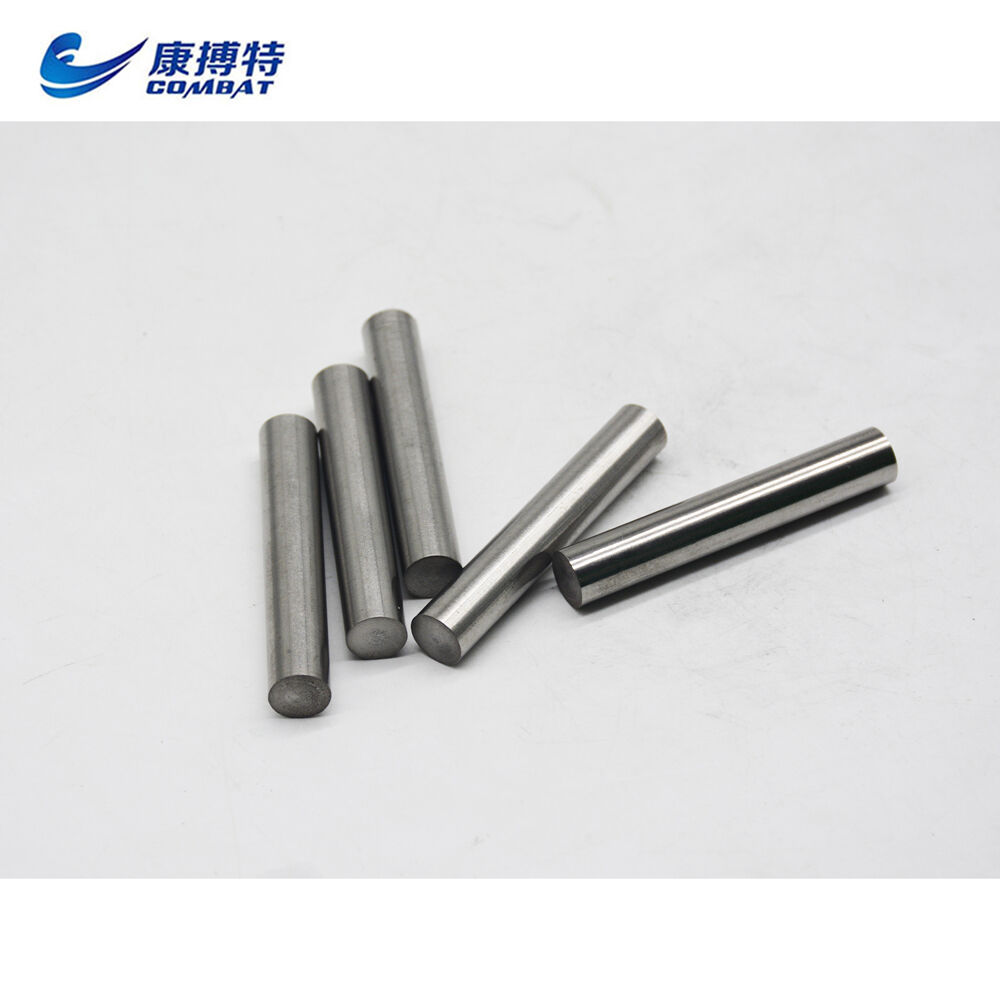
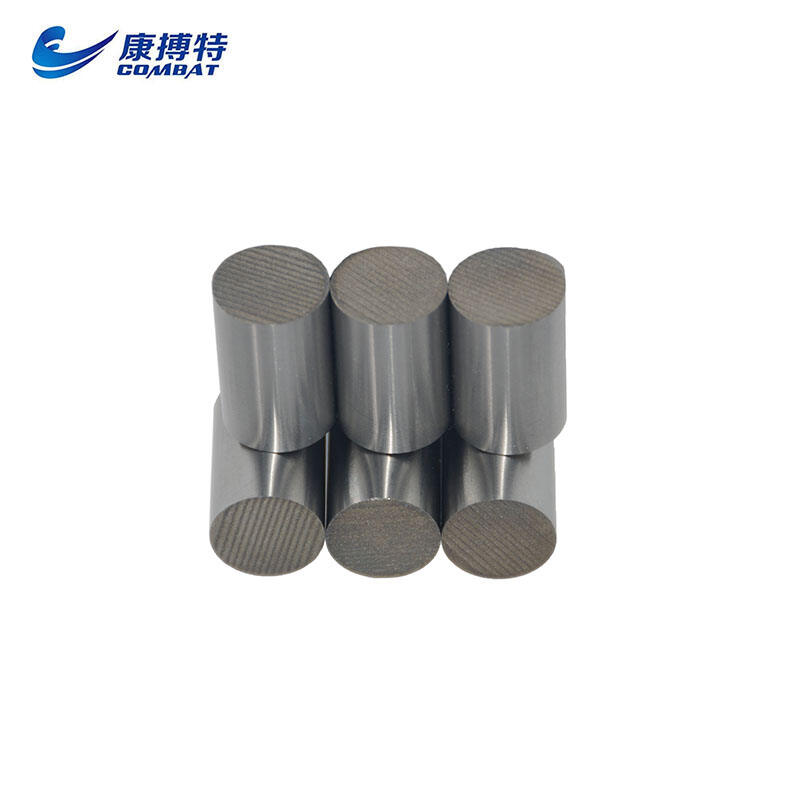
The ability to provide customized tungsten rod solutions sets exceptional manufacturers apart from commodity suppliers, offering customers precisely engineered products that optimize performance for specific applications. A sophisticated tungsten rod manufacturer maintains extensive capabilities for tailoring rod specifications to match unique operational requirements, beginning with alloy composition modifications that enhance particular properties. While pure tungsten offers maximum density and melting point, certain applications benefit from tungsten alloys that incorporate small percentages of nickel, iron, copper, or molybdenum to improve machinability, ductility, or thermal expansion characteristics. The manufacturer's metallurgical team works directly with customers to formulate custom alloy compositions that balance competing performance requirements, conducting sample production runs and performance testing to validate the optimized formulation before full-scale manufacturing. Beyond alloy customization, the manufacturer offers extensive geometric options including non-standard diameters, lengths, and end configurations such as chamfers, threads, or precision-ground flats. Their machining centers accommodate complex geometries that integrate multiple features into a single component, reducing assembly steps and improving overall system reliability. Surface treatment options further expand customization possibilities, with offerings that include electropolishing for ultra-smooth finishes, coating applications for enhanced corrosion resistance, and heat treatments that modify hardness or stress relief characteristics. The engineering support provided by a quality manufacturer proves invaluable during product development phases, as their technical staff brings decades of collective experience in tungsten applications across diverse industries. They assist with finite element analysis to predict component behavior under load, thermal modeling to assess heat dissipation characteristics, and material selection guidance that considers factors such as operating temperature, chemical exposure, mechanical stress, and cost constraints. This collaborative approach often reveals opportunities for design optimization that improve performance while reducing manufacturing complexity and cost. The manufacturer's prototyping services enable rapid iteration of design concepts, producing small quantities of custom rods for functional testing and validation before committing to production tooling. Their quality assurance team develops custom inspection protocols tailored to each application's critical parameters, ensuring that every delivered component meets the specific performance criteria essential for success in its intended use environment.




 EN