Material Performance and Application Versatility
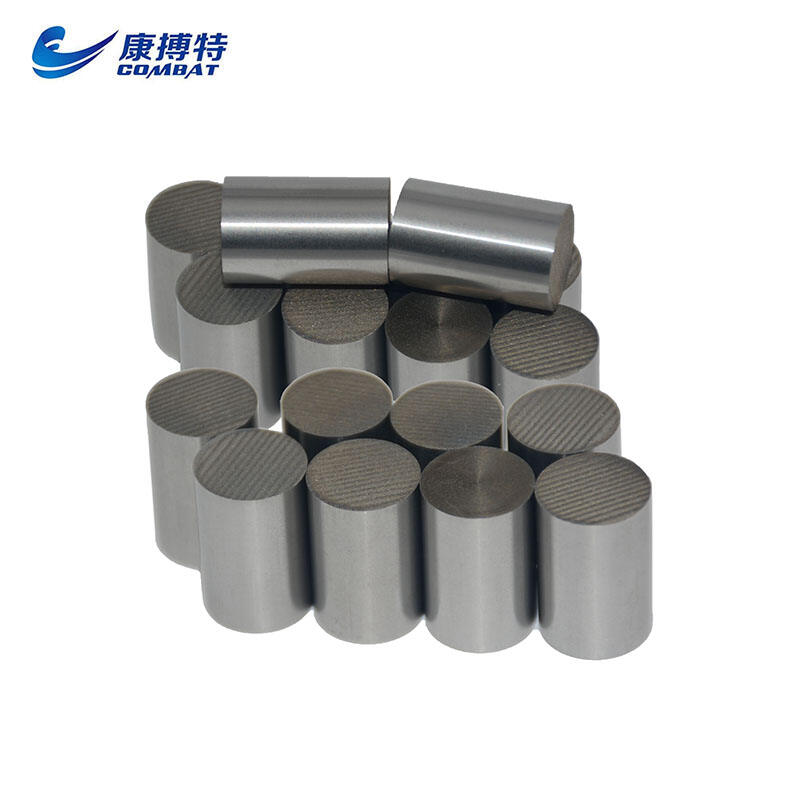
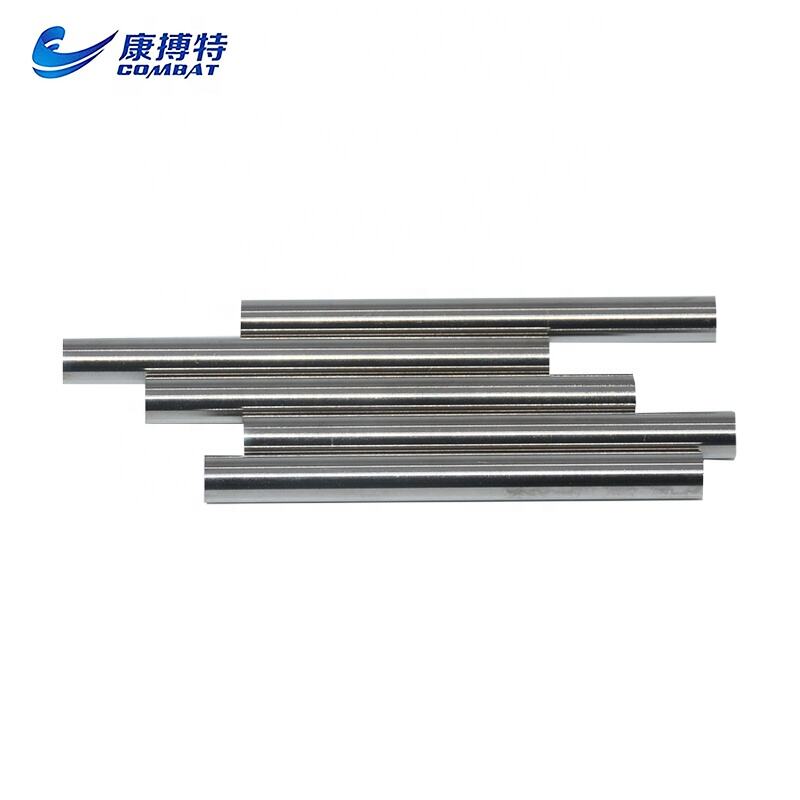
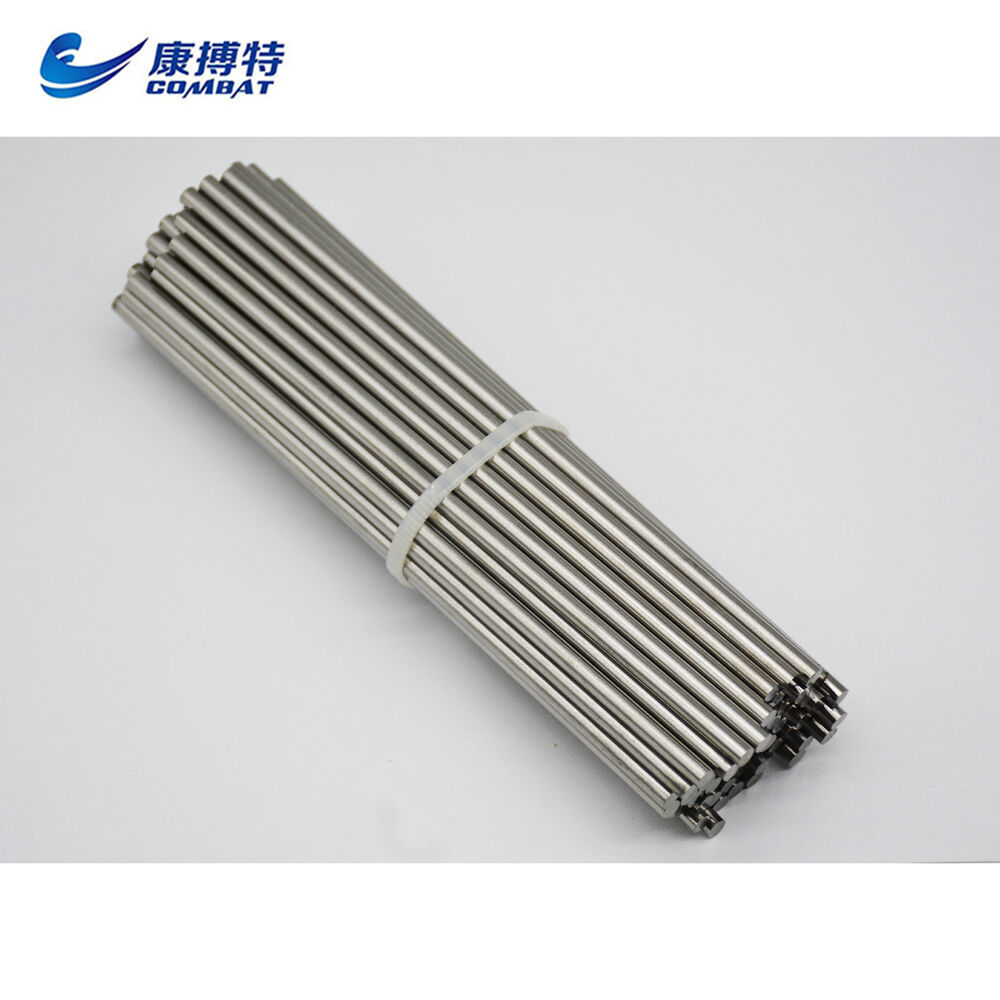
The exceptional material performance characteristics of tungsten rods produced in specialized factories make them uniquely suited for an extraordinarily diverse range of demanding applications across multiple industries. Tungsten's melting point of 3422 degrees Celsius, the highest of all pure metals, enables tungsten rods to function in extreme temperature environments where other materials would soften, deform, or melt entirely, making them indispensable in high-temperature furnace components, rocket nozzles, and plasma-facing components in fusion research. The density of tungsten, approximately 19.3 grams per cubic centimeter, provides superior radiation shielding properties in compact configurations, which explains its widespread use in medical radiation therapy equipment, industrial radiography, and nuclear applications where space constraints prevent the use of less dense shielding materials like lead. This same high density makes tungsten rods valuable in counterweight and ballast applications, particularly in aerospace and defense systems where maximizing mass in minimal volume is critical for performance. The electrical properties of factory-produced tungsten rods, combining good conductivity with exceptional resistance to electrical erosion, make them the material of choice for electrical contacts in high-current switching applications, welding electrodes for specialized processes, and cathodes in various electronic devices. Tungsten's low thermal expansion coefficient means components maintain dimensional stability across temperature cycles, preventing the thermal stress failures common with materials that expand and contract significantly, which proves crucial in precision instruments and optical systems. The chemical inertness of tungsten in many environments provides corrosion resistance that extends service life in aggressive chemical processing applications, though factory experts can guide you on specific chemical compatibilities since tungsten does react with certain oxidizing environments at elevated temperatures. In the defense sector, tungsten rod factories supply materials for kinetic energy penetrators, where the combination of high density and mechanical strength enables armor-piercing capabilities, as well as for fragmentation devices where controlled fracture patterns are required. The medical industry relies on tungsten rods for radiation shielding in diagnostic and therapeutic equipment, surgical instruments requiring radiopacity for X-ray visibility, and specialized implants where biocompatibility and imaging characteristics are important. Manufacturing industries use tungsten rods as tooling for hot working processes, dies for high-temperature forming operations, and wear-resistant components in abrasive environments where tool life directly impacts production economics. This versatility across such varied applications demonstrates why partnering with a tungsten rod factory that understands these diverse requirements and can optimize material properties for specific uses provides significant competitive advantages for companies across multiple sectors.

 EN