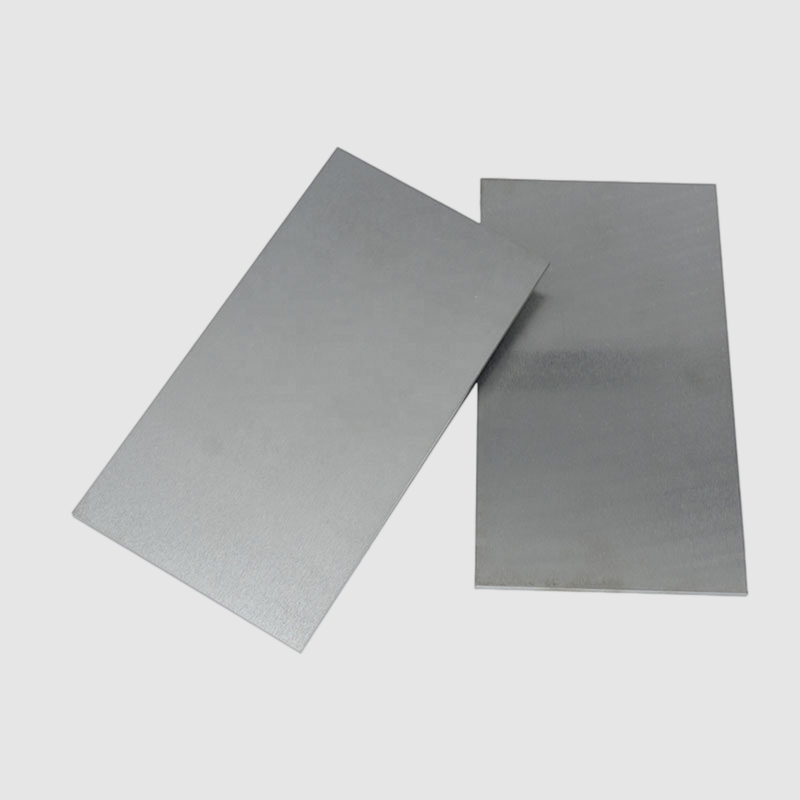
titanium steel sheet
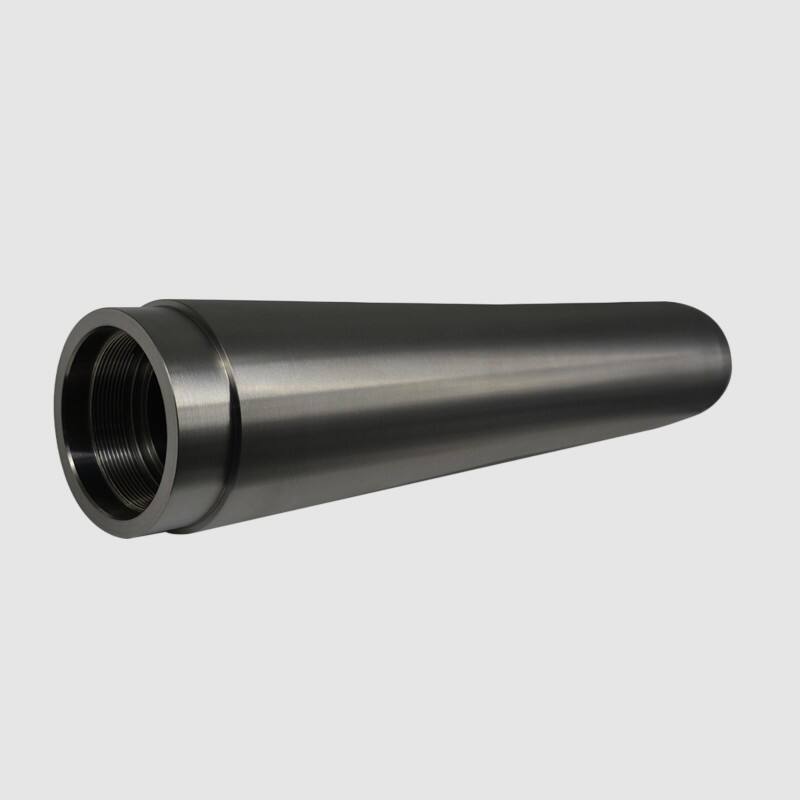
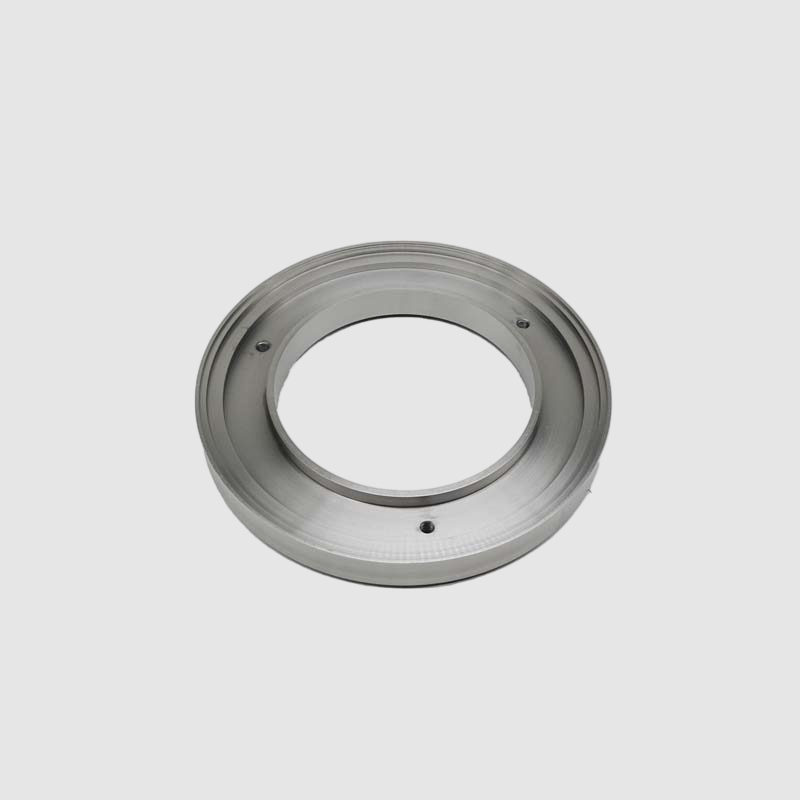
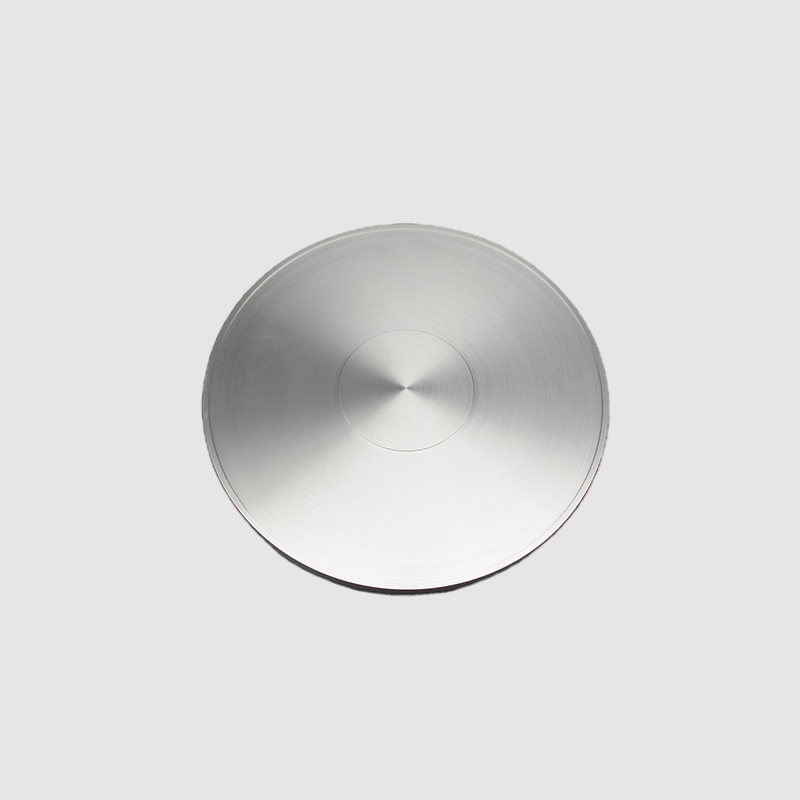
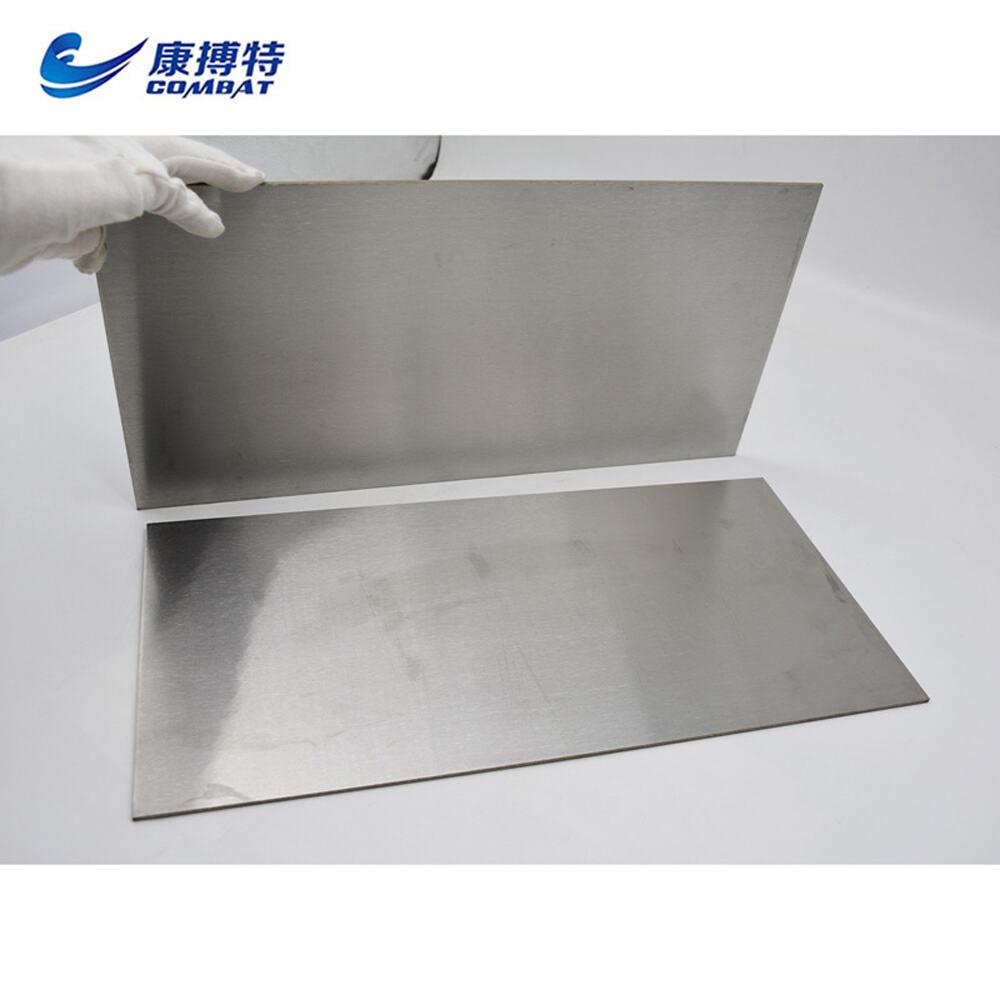
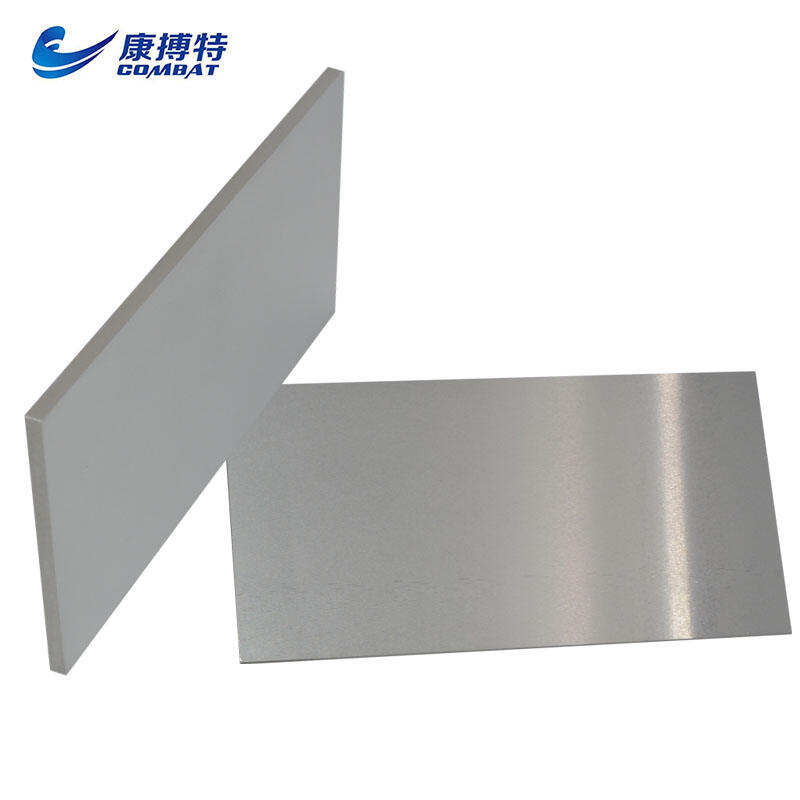
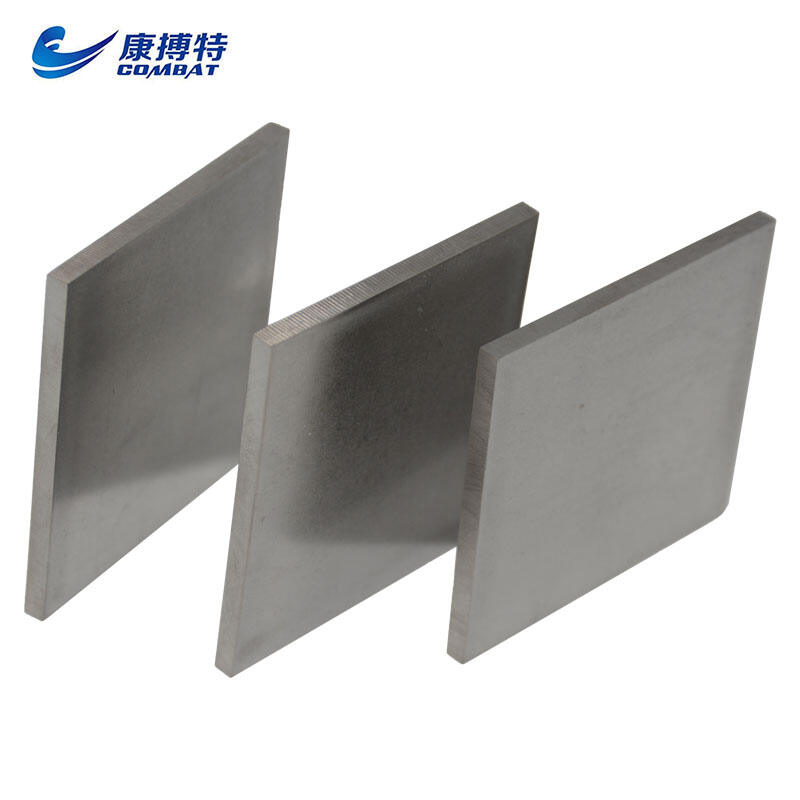
Titanium steel sheet represents a remarkable fusion of titanium and steel materials, engineered to deliver exceptional performance across demanding industrial and commercial applications. This composite material combines the corrosion resistance and lightweight properties of titanium with the structural strength and affordability of steel, creating a versatile solution for modern manufacturing needs. The titanium steel sheet serves multiple critical functions in construction, automotive, aerospace, chemical processing, and marine industries where durability meets precision engineering requirements. Its primary technological feature lies in the metallurgical bonding process that joins titanium and steel layers through explosive welding, roll bonding, or diffusion bonding techniques, ensuring seamless integration without compromising the integrity of either material. This advanced manufacturing approach produces sheets with thickness ranges from 0.5mm to 50mm, accommodating diverse project specifications. The material exhibits outstanding resistance to harsh environmental conditions, including saltwater exposure, acidic compounds, and extreme temperatures ranging from -200°C to 400°C. Applications span from heat exchangers and pressure vessels to architectural cladding and decorative panels, where both aesthetic appeal and functional performance matter. The titanium steel sheet maintains dimensional stability under thermal stress, preventing warping or deformation during fabrication and service life. Its surface can be finished through polishing, brushing, or coating processes to achieve desired visual effects while preserving protective qualities. The material supports various joining methods including welding, bolting, and adhesive bonding, providing flexibility during installation and assembly operations. Manufacturing facilities utilize titanium steel sheet for equipment components that contact corrosive substances, extending operational lifespan and reducing maintenance frequencies. The sheets demonstrate excellent formability, allowing fabrication into complex shapes without cracking or material failure, which proves essential for custom design requirements across multiple sectors.


 EN