Titanium Sheet Cost Guide: Pricing, Grades, and Value Analysis for Industrial Applications

Get a Free Quote

Our representative will contact you soon.
Email
Name
Country/Region
Mobile/WhatsApp
Product Name
Message
0/1000

titanium sheet cost

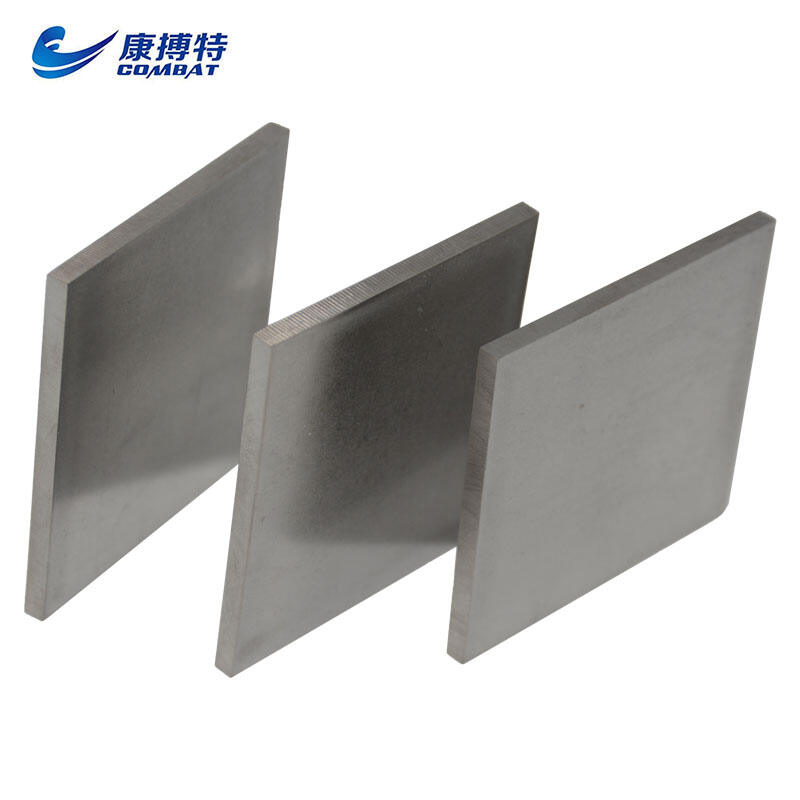
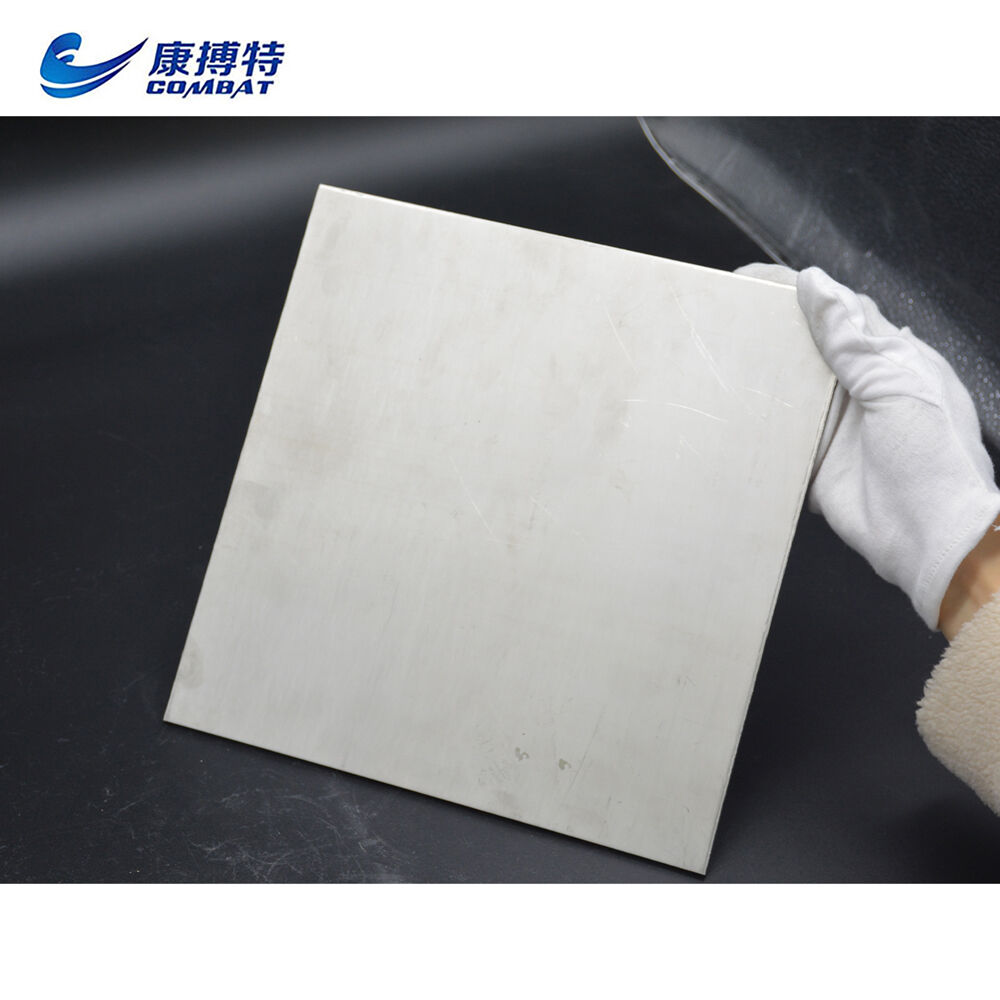
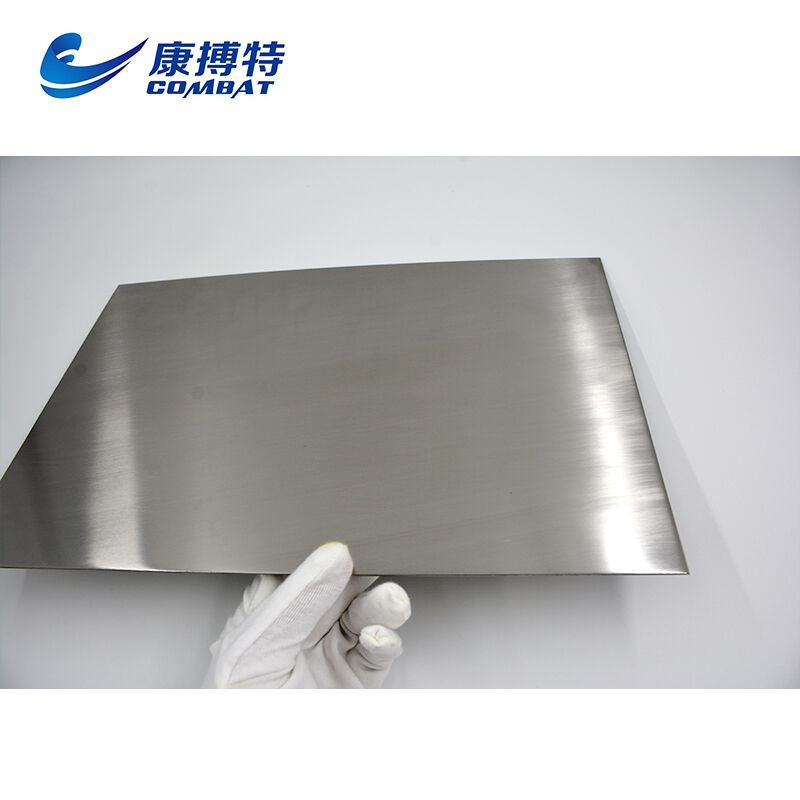
Understanding titanium sheet cost requires examining multiple factors that influence pricing in today's industrial materials market. Titanium sheets represent a premium material choice across aerospace, medical, marine, and chemical processing industries due to their exceptional properties. The cost structure reflects raw material expenses, manufacturing complexity, grade specifications, thickness requirements, and order volume. Titanium sheet cost typically ranges from $15 to $50 per pound depending on these variables, with specialized grades commanding higher prices. The main functions of titanium sheets include providing corrosion-resistant barriers in harsh chemical environments, offering high strength-to-weight ratios for aerospace applications, delivering biocompatible surfaces for medical implants, and ensuring durability in marine settings where saltwater exposure occurs constantly. Technological features that impact titanium sheet cost include the alloy composition, with commercially pure grades (CP1-CP4) generally less expensive than alloyed versions like Grade 5 (Ti-6Al-4V). Surface finish quality, dimensional tolerances, and certification requirements also affect final pricing. Cold-rolled sheets typically cost more than hot-rolled alternatives due to superior surface characteristics and tighter dimensional control. Applications span aircraft structural components, chemical processing tanks, heat exchangers, surgical instruments, dental implants, offshore platform components, and architectural cladding. The titanium sheet cost reflects not just material value but also processing expertise required to work with this reactive metal. Manufacturers must maintain controlled atmospheres during production to prevent contamination, adding to overall expenses. Sheet thickness significantly influences pricing, with thinner gauges requiring more precise rolling operations and thus higher per-pound costs. Market dynamics, including titanium sponge availability and global demand fluctuations, create price variability. When evaluating titanium sheet cost, buyers should consider total lifecycle value rather than initial purchase price alone, as titanium's longevity and minimal maintenance requirements often justify premium pricing through reduced replacement frequency and lower operational costs over extended service periods.

New Products

The advantages of considering titanium sheet cost as an investment rather than an expense become clear when examining long-term performance benefits. First, titanium sheets deliver unmatched corrosion resistance that eliminates the need for protective coatings or frequent replacements, directly reducing maintenance budgets over time. While the initial titanium sheet cost appears higher than alternatives like stainless steel or aluminum, the material resists degradation in chloride environments, acidic conditions, and high-temperature applications where other metals fail rapidly. This durability translates to fewer shutdowns, reduced labor costs for component replacement, and extended equipment lifespan. Second, the exceptional strength-to-weight ratio means engineers can design lighter structures without sacrificing structural integrity, leading to fuel savings in aerospace applications and easier handling during installation. The titanium sheet cost per pound may exceed other metals, but the ability to use thinner gauges while maintaining required strength often results in comparable or lower total material costs for projects. Third, titanium's biocompatibility makes it irreplaceable in medical applications, where the titanium sheet cost reflects stringent quality standards and certification processes that ensure patient safety. Fourth, thermal stability allows titanium sheets to perform reliably across temperature extremes from cryogenic conditions to elevated heat, reducing the need for multiple material specifications across different operating zones. Fifth, the non-magnetic properties prove essential in sensitive electronic environments and medical imaging equipment where magnetic interference would compromise functionality. Sixth, titanium sheet cost includes inherent fire resistance, as the material does not support combustion, providing safety advantages in chemical plants and offshore installations. Seventh, the material's low thermal expansion coefficient minimizes dimensional changes during temperature cycling, maintaining precise tolerances in critical applications. Eighth, titanium sheets require no surface treatment for most applications, eliminating coating costs and environmental concerns associated with protective finishes. Ninth, the material's excellent fatigue resistance ensures reliable performance under cyclic loading conditions common in aerospace and marine environments. Tenth, titanium's recyclability means end-of-life material retains significant value, offsetting initial titanium sheet cost through scrap recovery. When procurement teams analyze total cost of ownership rather than focusing solely on purchase price, the titanium sheet cost demonstrates clear economic advantages through reduced maintenance, extended service life, improved performance, and lower lifecycle expenses across diverse industrial applications.

Practical Tips

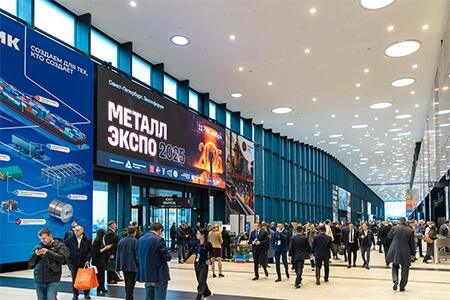
The 31st Russia International Metal and Metallurgy Industry Exhibition 2025 (Metal-Expo)

24

Apr

The 31st Russia International Metal and Metallurgy Industry Exhibition 2025 (Metal-Expo)

View More
Indian Delegation Visits Youbo, Signs Molybdenum Bar and Tungsten Alloy Procurement Agreement​​

24

Apr

Indian Delegation Visits Youbo, Signs Molybdenum Bar and Tungsten Alloy Procurement Agreement​​

View More
International Ferroalloys 2025

24

Apr

International Ferroalloys 2025

View More
Luoyang Combat Tungsten & Molybdenum Materials Co., Ltd. Shines at Asia Ferroalloys 2025 Conference to Forge Global Collaboration Opportunities

24

Apr

Luoyang Combat Tungsten & Molybdenum Materials Co., Ltd. Shines at Asia Ferroalloys 2025 Conference to Forge Global Collaboration Opportunities

View More

Get a Free Quote

Our representative will contact you soon.
Email
Name
Country/Region
Mobile/WhatsApp
Product Name
Message
0/1000

titanium sheet cost

How Manufacturing Processes Impact Titanium Sheet Cost and Quality

How Manufacturing Processes Impact Titanium Sheet Cost and Quality

The relationship between manufacturing processes and titanium sheet cost reveals why this material commands premium pricing while delivering superior performance characteristics. Titanium extraction begins with rutile or ilmenite ore processing through the Kroll process, an energy-intensive method that converts titanium tetrachloride into titanium sponge using magnesium reduction in an inert atmosphere. This complex extraction significantly influences base titanium sheet cost before any forming operations begin. The sponge then undergoes vacuum arc remelting, sometimes multiple times, to achieve desired purity levels and homogeneous alloy composition. Each remelting cycle adds to production expenses but ensures consistent material properties critical for demanding applications. Rolling operations transform ingots into sheets through hot rolling at temperatures exceeding 1500 degrees Fahrenheit, requiring specialized equipment and controlled atmospheres to prevent oxygen contamination that would embrittle the material. Cold rolling follows for applications requiring superior surface finish and tighter dimensional tolerances, with this additional processing step increasing titanium sheet cost but delivering enhanced mechanical properties and aesthetic qualities. Annealing treatments between rolling passes relieve internal stresses and restore ductility, with precise temperature control and atmosphere management essential to prevent surface oxidation. The number of rolling passes, reduction ratios, and intermediate annealing cycles all factor into final titanium sheet cost structures. Surface finishing options range from mill finish to polished or brushed surfaces, each requiring different equipment and labor investments. Precision cutting and edge preparation demand specialized tooling due to titanium's work-hardening characteristics and low thermal conductivity that concentrates heat at cutting interfaces. Quality control procedures including ultrasonic testing, dimensional verification, and chemical composition analysis ensure sheets meet specification requirements, with certification documentation adding administrative costs. Advanced manufacturing techniques like laser cutting or waterjet processing provide clean edges without heat-affected zones but increase per-unit expenses. Understanding these manufacturing complexities helps buyers appreciate why titanium sheet cost reflects not just raw material value but also the sophisticated processing expertise required to produce consistent, high-quality products suitable for critical applications where material failure could have catastrophic consequences.
Grade Selection and Its Influence on Titanium Sheet Cost Optimization

Grade Selection and Its Influence on Titanium Sheet Cost Optimization

Selecting the appropriate titanium grade represents a crucial decision point that directly affects both titanium sheet cost and application performance, requiring careful analysis of operating conditions and performance requirements. Commercially pure titanium grades (CP1 through CP4) offer increasing strength levels with corresponding increases in oxygen and iron content, providing cost-effective solutions for corrosion resistance applications where maximum strength is not paramount. CP Grade 1, the softest and most formable option, suits deep drawing operations and complex forming requirements, typically representing the lower end of titanium sheet cost spectrum while delivering excellent corrosion resistance in chemical processing environments. CP Grade 2, the most widely used commercially pure grade, balances formability with moderate strength, offering versatility across marine, chemical, and architectural applications at competitive pricing. CP Grade 3 provides higher strength for structural applications while maintaining good formability, positioning itself in the mid-range of titanium sheet cost options. CP Grade 4 delivers maximum strength among commercially pure grades but sacrifices some formability, suitable for applications requiring higher mechanical properties without the expense of alloyed titanium. Grade 5 (Ti-6Al-4V), the most common titanium alloy, contains 6 percent aluminum and 4 percent vanadium, offering exceptional strength-to-weight ratios that justify higher titanium sheet cost in aerospace and high-performance applications. This alpha-beta alloy provides excellent mechanical properties at elevated temperatures and superior fatigue resistance compared to commercially pure grades. Grade 7, containing palladium additions, delivers enhanced corrosion resistance in reducing acid environments, commanding premium pricing for specialized chemical processing applications. Grade 12, with molybdenum and nickel additions, offers excellent crevice corrosion resistance in hot chloride solutions, representing another specialized option with corresponding titanium sheet cost implications. Beta alloys like Grade 19 provide unique combinations of strength, formability, and corrosion resistance for specific applications. When evaluating titanium sheet cost across grades, engineers must consider not only purchase price but also fabrication characteristics, as higher-strength alloys may require more sophisticated forming equipment and techniques. Material certifications, traceability requirements, and testing protocols vary by grade and application, influencing administrative costs. Strategic grade selection optimizes the balance between titanium sheet cost and performance, ensuring specifications neither over-engineer solutions with unnecessarily expensive alloys nor under-specify materials that fail to meet service requirements, ultimately delivering the most cost-effective solution for each unique application.
Volume Considerations and Supply Chain Factors Affecting Titanium Sheet Cost

Volume Considerations and Supply Chain Factors Affecting Titanium Sheet Cost

Understanding volume considerations and supply chain dynamics provides essential insights into titanium sheet cost optimization strategies for procurement professionals and project managers. Titanium production capacity remains concentrated among relatively few global suppliers, creating supply chain vulnerabilities that influence pricing stability and availability. Mill minimum order quantities often require purchasing larger volumes than individual projects need, forcing buyers to either accept higher per-unit costs for small quantities or invest in inventory that ties up capital. The titanium sheet cost structure typically includes significant price breaks at volume thresholds, with orders exceeding 1000 pounds often receiving 15 to 25 percent discounts compared to small-lot pricing. Strategic buyers consolidate requirements across multiple projects to achieve these volume discounts, reducing effective titanium sheet cost through economies of scale. Lead times vary considerably based on grade, thickness, and finish requirements, with standard specifications available from distributor stock while custom orders may require 12 to 16 weeks from mill production. Rush orders command premium pricing, sometimes adding 20 to 40 percent to base titanium sheet cost, making advance planning essential for cost control. Geographic factors influence pricing, as transportation costs for this dense material add significantly to delivered prices, particularly for international shipments requiring specialized handling and documentation. Currency fluctuations affect titanium sheet cost for imported material, introducing financial risk that sophisticated buyers hedge through forward contracts or strategic supplier relationships. Raw material availability cycles impact pricing, with titanium sponge supply constraints periodically tightening markets and driving cost increases across all product forms. Aerospace demand surges can create allocation situations where suppliers prioritize long-term customers or high-volume accounts, potentially limiting availability for spot buyers regardless of willingness to pay premium prices. Distributor relationships provide access to stock material and smaller quantities at reasonable pricing, though titanium sheet cost through distribution channels typically exceeds direct mill pricing for large volumes. Just-in-time delivery programs balance inventory carrying costs against volume discount opportunities, requiring careful analysis of total cost implications. Quality certification requirements influence supply chain options, as aerospace and medical applications demand full traceability and testing documentation that not all suppliers provide. Building strategic partnerships with reliable suppliers stabilizes titanium sheet cost over time through negotiated pricing agreements, priority allocation during tight markets, and collaborative planning that aligns production schedules with project requirements, ultimately delivering better value than transactional purchasing approaches focused solely on lowest quoted price.

Get a Free Quote

Our representative will contact you soon.
Email
Name
Country/Region
Mobile/WhatsApp
Product Name
Message
0/1000