titanium sheet price per kg
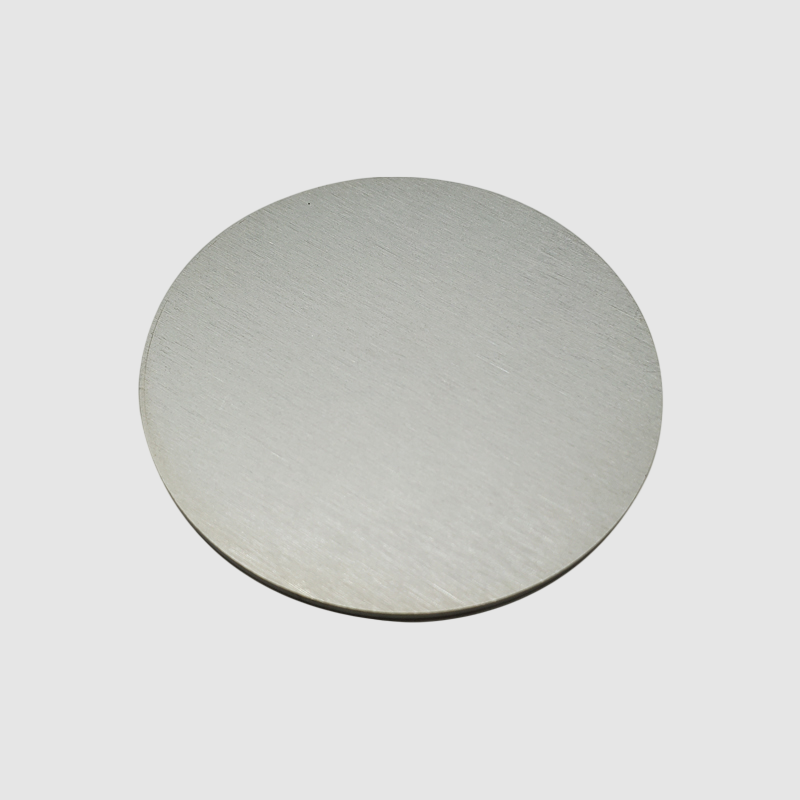
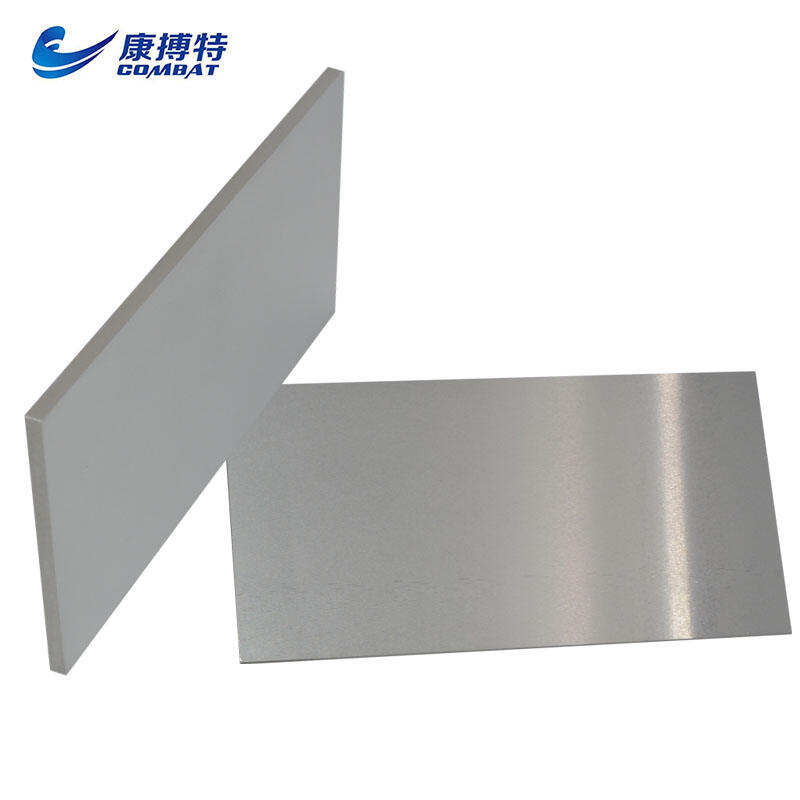
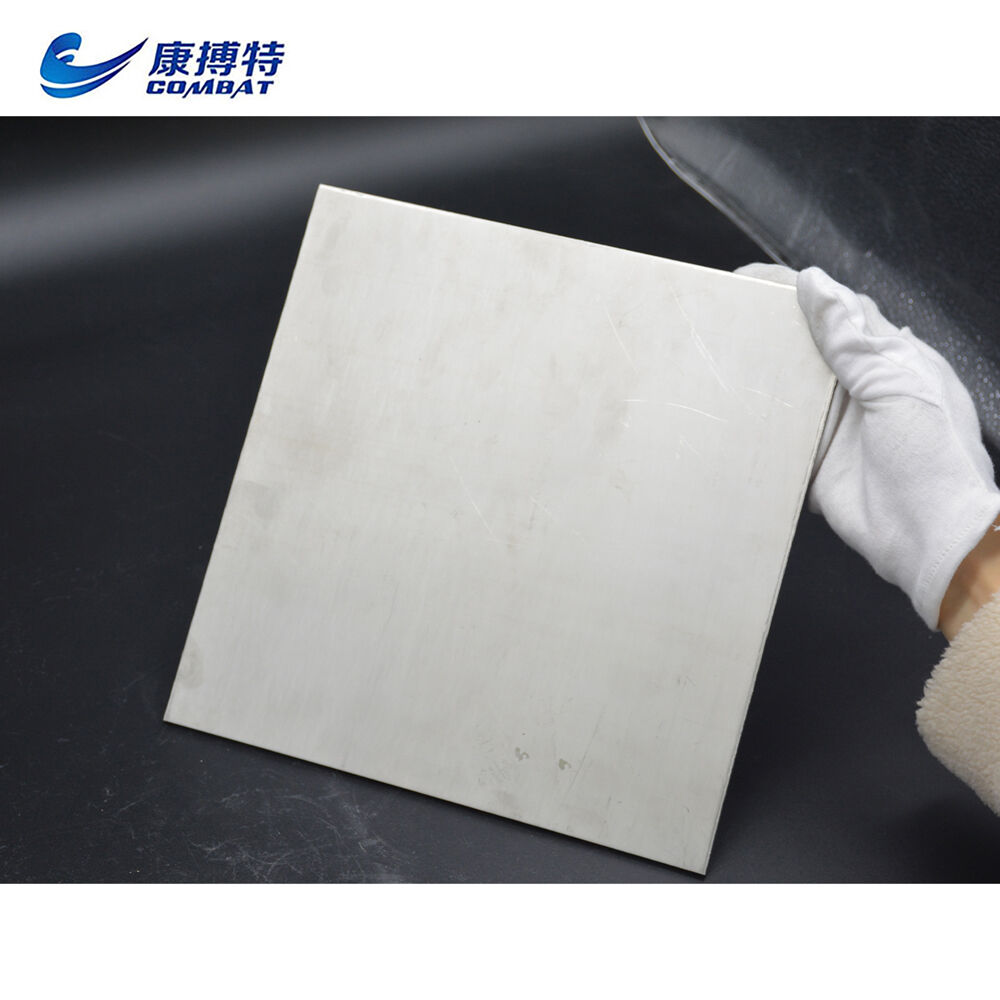
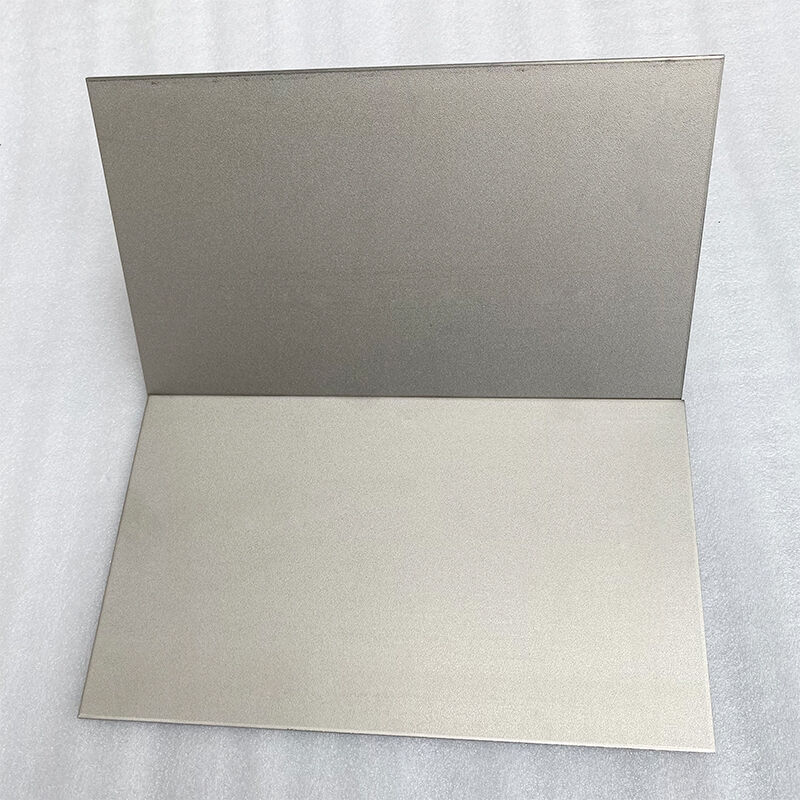
Understanding titanium sheet price per kg requires examining multiple factors that influence market rates and value propositions. Titanium sheets represent a premium material choice across aerospace, medical, marine, and industrial sectors due to their exceptional strength-to-weight ratio and corrosion resistance. The titanium sheet price per kg typically ranges from $15 to $50 depending on grade, thickness, surface finish, and order volume. Grade 2 commercially pure titanium sheets generally cost less than Grade 5 (Ti-6Al-4V) alloy variants, which offer superior mechanical properties. The pricing structure reflects raw material costs, energy-intensive extraction processes, and specialized manufacturing requirements. Titanium sheet price per kg fluctuates based on global supply chains, mining output from primary producers, and demand cycles within key industries. Thickness specifications directly impact pricing, with thinner gauges requiring more precise rolling operations and quality control measures. Surface treatments such as pickling, annealing, or polishing add incremental costs but enhance performance characteristics. Volume purchasing significantly reduces the effective titanium sheet price per kg, as manufacturers offer tiered pricing structures rewarding bulk orders. The material's technological features include outstanding corrosion resistance in chloride environments, biocompatibility for medical implants, and thermal stability across extreme temperature ranges. Applications span aircraft structural components, chemical processing equipment, desalination plants, architectural cladding, and surgical instruments. The titanium sheet price per kg reflects not just material costs but the value delivered through extended service life, reduced maintenance requirements, and weight savings that translate into operational efficiencies. When evaluating titanium sheet price per kg, buyers should consider total cost of ownership rather than initial purchase price alone, as the material's durability and performance often justify premium pricing through lifecycle savings and enhanced reliability in demanding applications.



 EN