Unmatched Corrosion Resistance for Long-Term Reliability
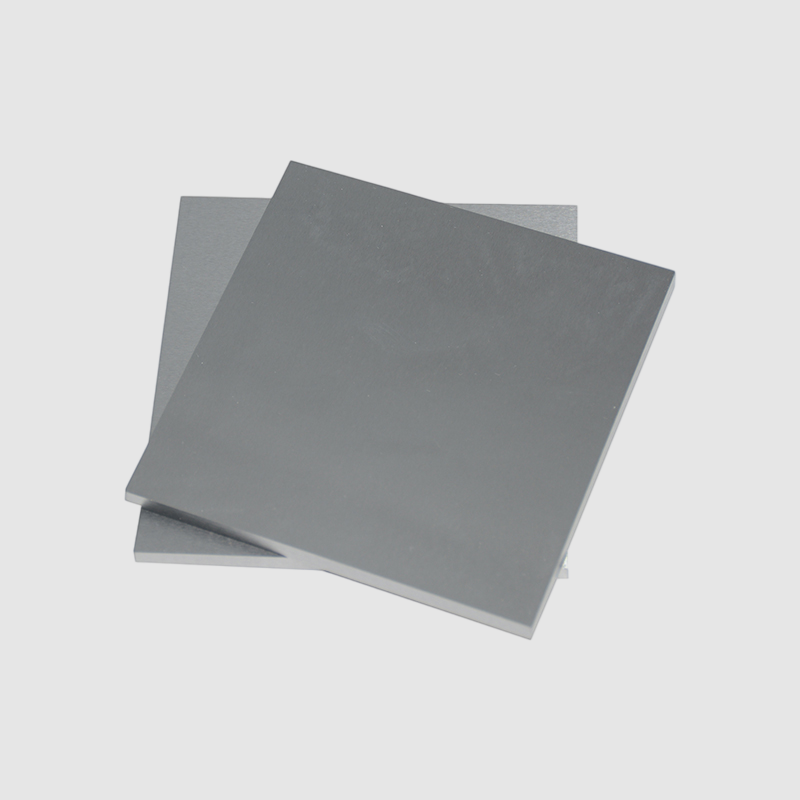
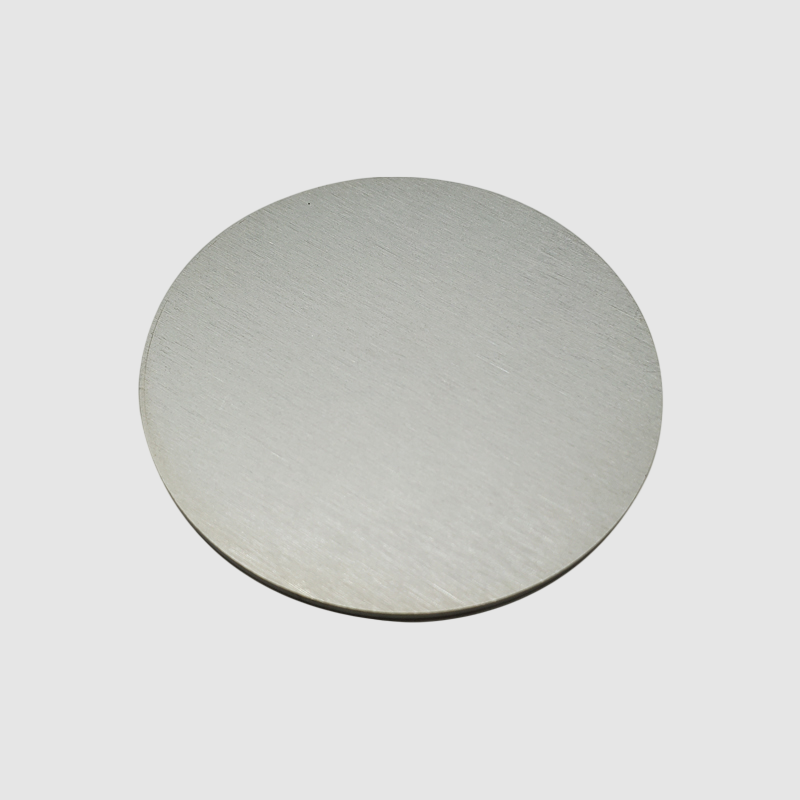
The corrosion resistance of titanium sheet metal stands as one of its most valuable characteristics, delivering protection that surpasses virtually all other structural metals in challenging environments. This property stems from the instantaneous formation of a stable, adherent oxide film on the surface when exposed to oxygen or moisture. Unlike protective coatings that can chip, crack, or wear away over time, this oxide layer regenerates automatically if damaged, providing self-healing protection that lasts the lifetime of the component. In marine applications, titanium sheet metal withstands constant exposure to saltwater without pitting, crevice corrosion, or stress corrosion cracking that plague stainless steel and aluminum alloys. Offshore platforms, ship hulls, propeller shafts, and desalination equipment benefit enormously from this resistance, operating for decades without the costly maintenance cycles required by other materials. Chemical processing facilities use titanium sheet metal for tanks, pipes, and reactor vessels handling aggressive substances including strong acids, alkalis, and chlorine compounds that would rapidly destroy conventional metals. The material remains stable in contact with sulfuric acid, hydrochloric acid, and nitric acid across a wide concentration range, eliminating contamination risks and ensuring product purity in pharmaceutical and food production. This chemical inertness also makes titanium sheet metal ideal for pollution control equipment, where it resists degradation from industrial emissions and cleaning chemicals. The corrosion resistance extends to high-temperature oxidation, allowing use in exhaust systems and heat exchangers where other metals would scale and deteriorate. Architectural applications leverage this durability for building facades, roofing, and structural elements that maintain their appearance without painting or treatment, reducing lifecycle costs dramatically. The absence of rust or corrosion products means titanium sheet metal components do not contaminate surrounding materials or fluids, a critical advantage in medical implants, food processing equipment, and semiconductor manufacturing. Maintenance teams appreciate the reduced inspection requirements and extended service intervals, as components show minimal degradation even after years of harsh service. The economic impact of this corrosion resistance compounds over time, with total cost of ownership often proving lower than cheaper alternatives that require frequent replacement or protective maintenance.




 EN