Unparalleled Corrosion Resistance for Extended Service Life
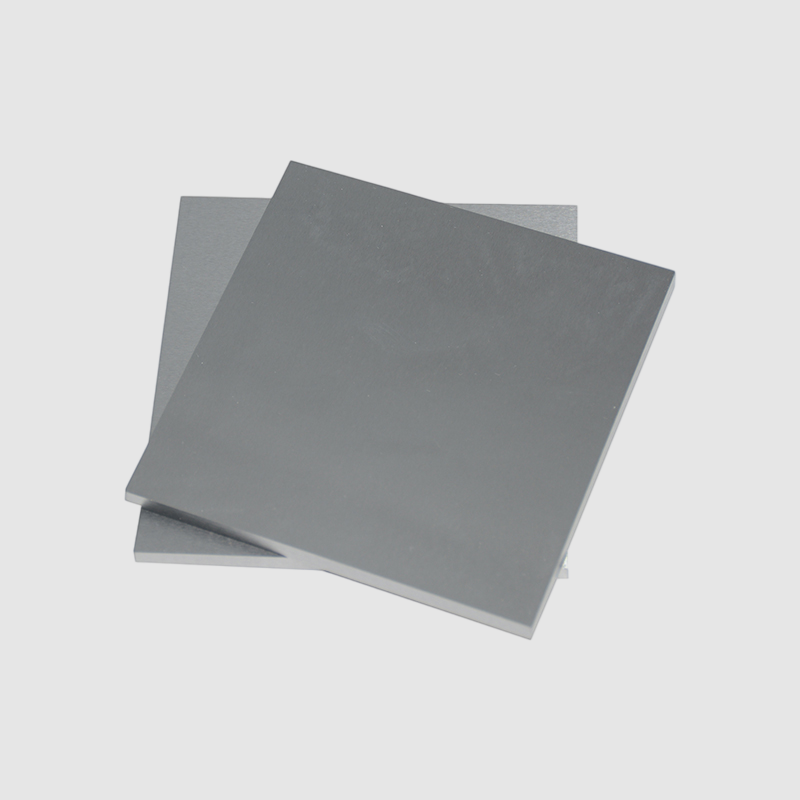
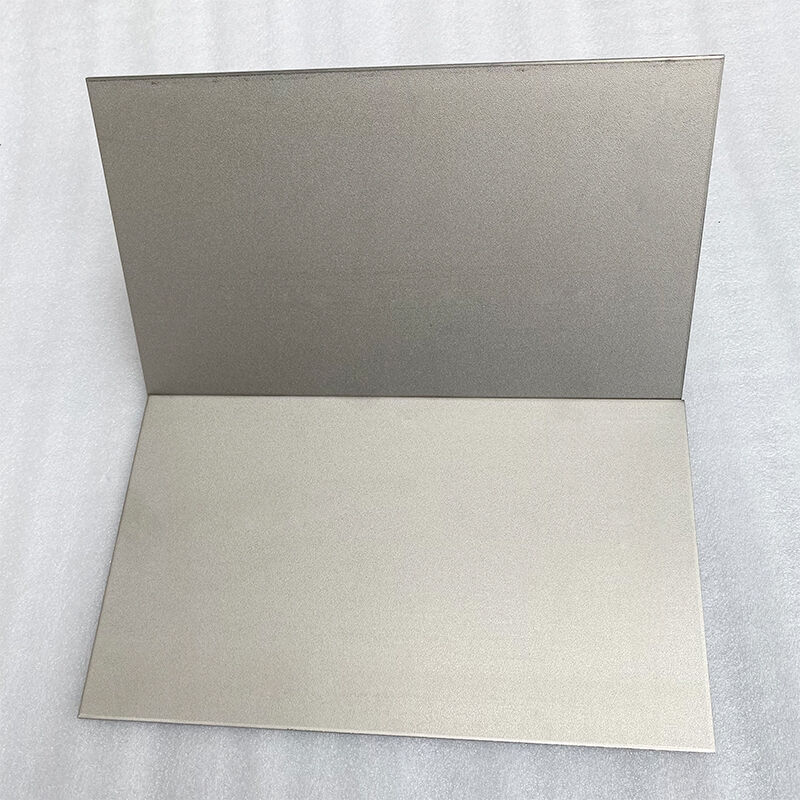
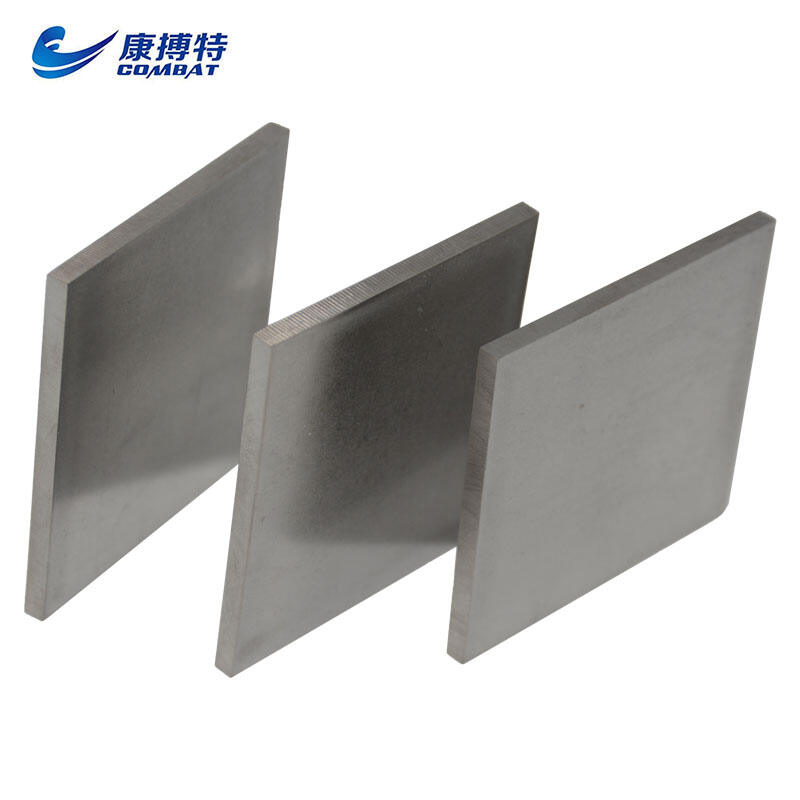
The corrosion resistance of titanium sheet stands as its most distinctive and valuable characteristic, fundamentally changing how engineers approach design challenges in aggressive environments. When exposed to air, water, or most chemicals, the surface of titanium sheet instantaneously forms a thin, transparent oxide layer composed primarily of titanium dioxide. This protective barrier measures only a few nanometers thick yet provides exceptional defense against further oxidation or chemical attack. What makes this protection truly remarkable is its self-healing nature: if scratched, abraded, or otherwise damaged, the oxide layer regenerates immediately in the presence of oxygen or moisture, restoring full protection without human intervention. This automatic repair mechanism ensures continuous protection throughout the material's service life, unlike painted or coated surfaces that deteriorate progressively once breached. In marine environments, where saltwater accelerates the degradation of most metals, titanium sheet demonstrates virtually complete immunity to corrosion, maintaining its structural integrity and smooth surface finish indefinitely. Offshore oil platforms, desalination plants, and naval vessels benefit enormously from this resistance, as components fabricated from titanium sheet require no protective coatings, cathodic protection systems, or frequent inspections for corrosion damage. The cost savings accumulate over decades of service, as maintenance crews avoid the endless cycle of surface preparation, coating application, and premature replacement that plagues steel structures in similar environments. Chemical processing industries face particularly aggressive conditions, with reactors, storage tanks, and piping systems exposed to concentrated acids, alkaline solutions, and oxidizing agents that would rapidly destroy conventional materials. Titanium sheet handles these challenges effortlessly, resisting attack from hydrochloric acid, sulfuric acid, nitric acid, and chlorine compounds that corrode stainless steel within hours or days. This chemical inertness allows process engineers to design more compact, efficient systems without the safety margins and corrosion allowances required for less resistant materials. The pharmaceutical and food processing sectors value this corrosion resistance for maintaining product purity, as titanium sheet does not leach metallic ions into sensitive formulations or contaminate consumable products. Even in atmospheric exposure, where acid rain, industrial pollutants, and salt spray create challenging conditions for building materials, titanium sheet maintains its appearance and structural properties without the unsightly staining, pitting, or surface degradation that affects other metals.



 EN