Superior Corrosion Resistance for Long-Term Durability
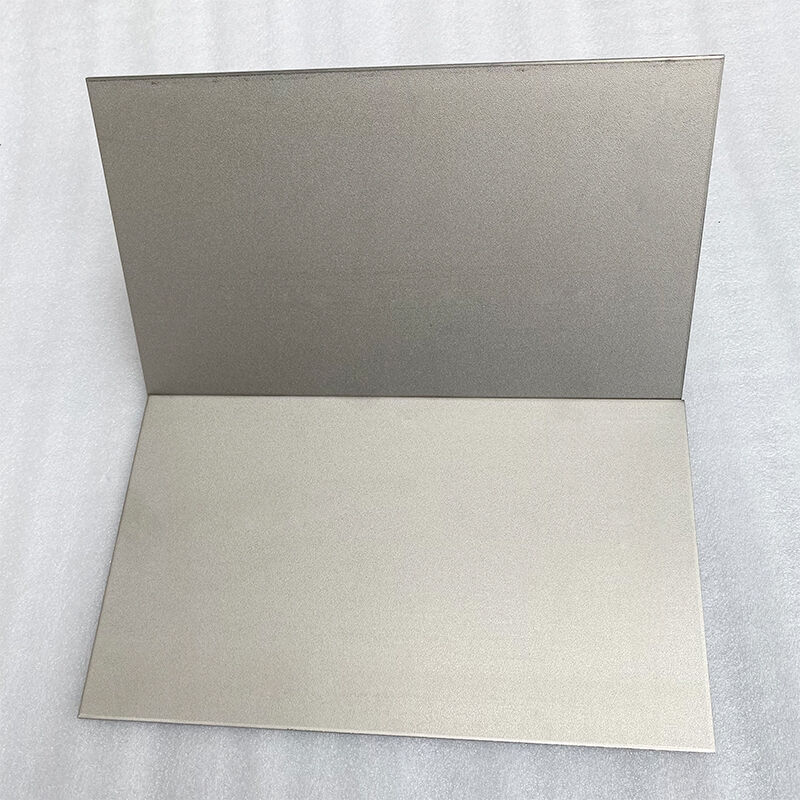
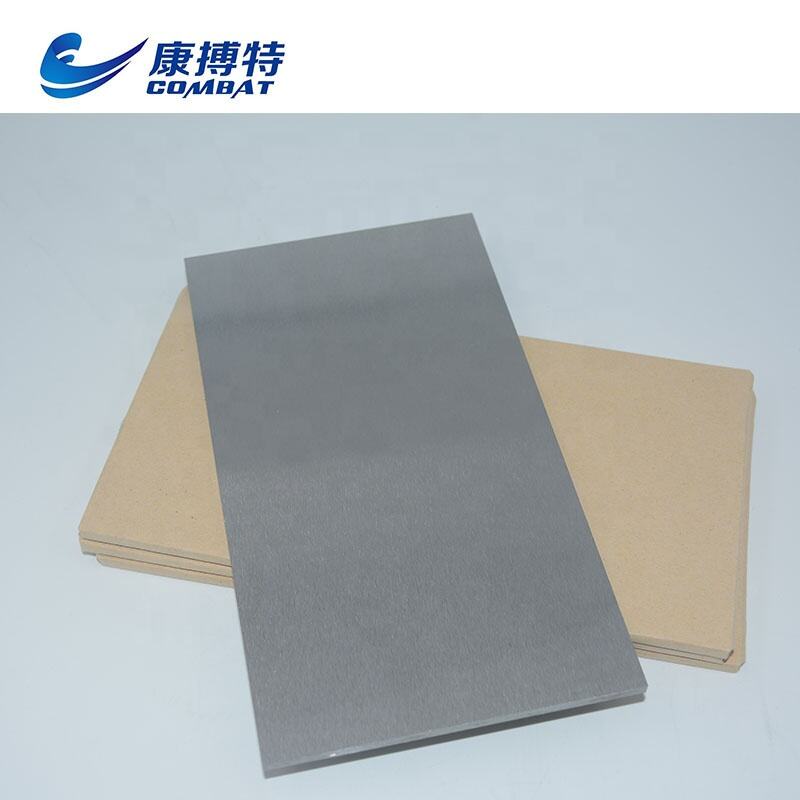
The corrosion resistance of 4mm titanium sheet stands as one of its most valuable characteristics, providing unmatched protection in environments where other metals rapidly deteriorate. This property stems from titanium's natural ability to form a thin, transparent oxide layer on its surface within milliseconds of exposure to oxygen or moisture. This passive film, primarily composed of titanium dioxide, acts as an impermeable barrier that prevents further oxidation and protects the underlying metal from chemical attack. Unlike protective coatings that can chip, scratch, or wear away over time, this oxide layer regenerates instantly if damaged, providing self-healing protection that lasts the lifetime of the component. In marine environments where saltwater exposure causes rapid corrosion of steel and accelerated degradation of aluminum, titanium maintains its structural integrity indefinitely without pitting, crevice corrosion, or stress corrosion cracking. Chemical processing facilities benefit enormously from this resistance, as titanium withstands exposure to acids, alkalis, chlorine compounds, and organic solvents that would quickly destroy stainless steel or exotic alloys. The 4mm thickness ensures adequate material remains even in the unlikely event of surface erosion, providing an additional safety margin in critical applications. This corrosion immunity eliminates maintenance costs associated with protective coatings, periodic inspections, and premature replacement, making titanium economically attractive despite higher initial costs when total lifecycle expenses are considered. Offshore oil platforms, desalination plants, and coastal infrastructure constructed with titanium components operate for decades without corrosion-related failures, reducing downtime and maintenance interventions. The material's resistance extends to high-temperature oxidation, allowing use in exhaust systems and heat exchangers where other metals would scale or corrode rapidly. Architectural applications benefit from titanium's ability to maintain appearance without staining, streaking, or discoloration, preserving aesthetic appeal in building facades, roofing, and decorative elements exposed to industrial atmospheres or coastal conditions. The absence of corrosion products means titanium does not contaminate surrounding materials or environments, making it ideal for food processing equipment, pharmaceutical vessels, and water treatment systems where purity is paramount.



 EN